When it comes to achieving your fitness goals, whether it’s building stronger muscles or shedding unwanted fat, protein is a superstar nutrient. But did you know that not all protein sources are created equal for every goal? Choosing the right types of protein can significantly impact your progress and help optimize your results.
This guide will help you understand the differences between various protein sources. We’ll explore which ones are best suited to fuel muscle growth and which can support your fat loss journey. Get ready to power up your plate with smart protein choices!
Why Protein Matters for Your Goals
Protein is essential for countless bodily functions. It’s the building block of your muscles, enzymes, and hormones. For fitness enthusiasts, its role in muscle repair and growth, as well as its ability to promote satiety, makes it incredibly valuable.
- For Muscle Gain: Adequate protein intake provides the amino acids needed to repair muscle tissue after exercise and build new muscle fibers. It helps with recovery and strength development.
- For Fat Loss: Protein is highly satiating, meaning it helps you feel fuller for longer. This can reduce overall calorie intake. It also has a higher thermic effect compared to carbs and fats, meaning your body burns more calories digesting it. Crucially, protein helps preserve lean muscle mass during a calorie deficit, which is vital for maintaining metabolism.
Protein Power-Up: Nutrition Comparison
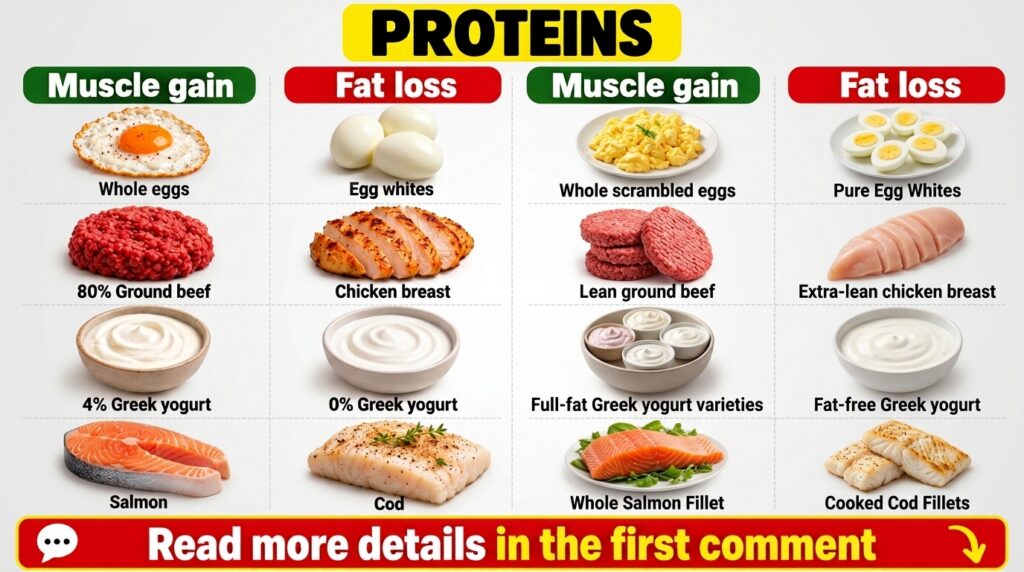
Here’s a quick look at how common protein sources stack up for muscle gain and fat loss, offering approximate values per 100g serving:
| Food | Calories (approx) | Protein (g) | Fat (g) | Carbs (g) | Main Benefit Focus |
|---|---|---|---|---|---|
| Chicken Breast (skinless) | 165 | 31 | 3.6 | 0 | Fat Loss / Muscle Gain |
| Egg Whites | 52 | 11 | 0.2 | 0.7 | Fat Loss |
| Cod | 82 | 18 | 0.7 | 0 | Fat Loss |
| Greek Yogurt (plain, non-fat) | 59 | 10 | 0.4 | 3.6 | Fat Loss / Muscle Gain |
| Ground Beef (lean 90/10) | 250 | 26 | 15 | 0 | Muscle Gain |
| Whole Eggs | 155 | 13 | 11 | 1.1 | Muscle Gain |
| Salmon | 208 | 20 | 13 | 0 | Muscle Gain / Fat Loss |
| Lentils (cooked) | 116 | 9 | 0.4 | 20 | Fat Loss |
| Tofu (firm) | 76 | 8 | 4.8 | 1.9 | Fat Loss / Muscle Gain |
| Whey Protein Isolate (powder) | 360 (per 100g) | 80 | 1 | 5 | Muscle Gain / Fat Loss |
Best for Muscle Gain
For muscle gain, you often need a higher calorie intake alongside your protein to support growth. Proteins that are slightly higher in healthy fats can be beneficial here, as they provide more energy. They also offer a complete amino acid profile to stimulate muscle protein synthesis.
- Lean Ground Beef: A fantastic source of complete protein, iron, and B vitamins, vital for energy production and muscle growth. Opt for leaner cuts like 90/10 to balance fat intake.
- Whole Eggs: Often called nature’s perfect protein, whole eggs contain all essential amino acids, plus healthy fats, vitamins, and minerals in the yolk. They’re affordable and versatile.
- Salmon: Rich in high-quality protein and omega-3 fatty acids, which can help reduce inflammation and support overall health, important for muscle recovery.
- Greek Yogurt (full-fat): While non-fat is good for fat loss, full-fat Greek yogurt offers more calories and healthy fats, alongside its impressive protein content (especially casein, a slow-digesting protein).
- Whey Protein Isolate: A concentrated protein powder, rapidly digested, making it ideal for post-workout recovery to kickstart muscle repair and growth.
Best for Fat Loss
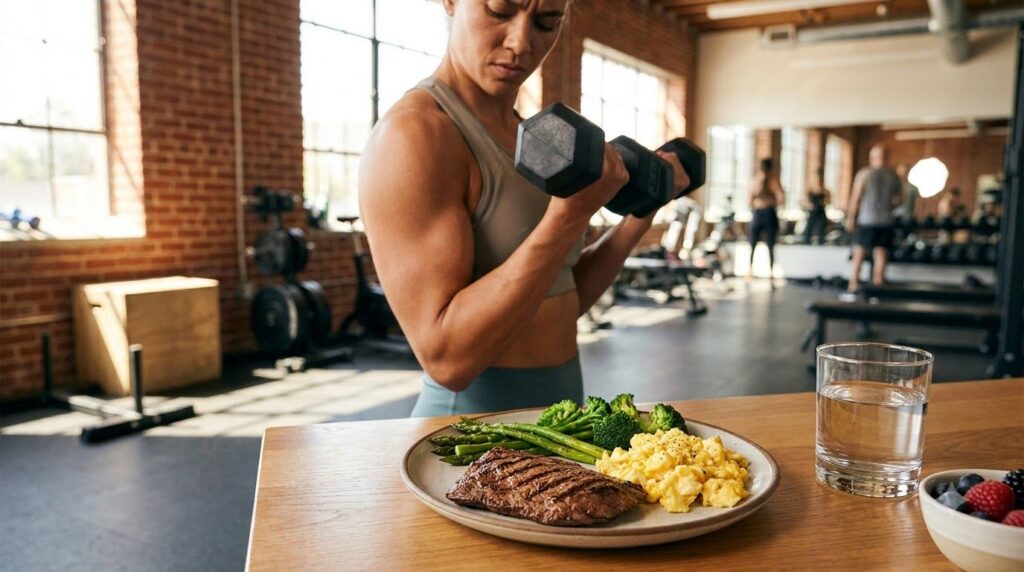
When aiming for fat loss, the goal is often to maximize protein intake while minimizing calorie density. This means focusing on lean protein sources that are low in fat and carbohydrates but high in protein.
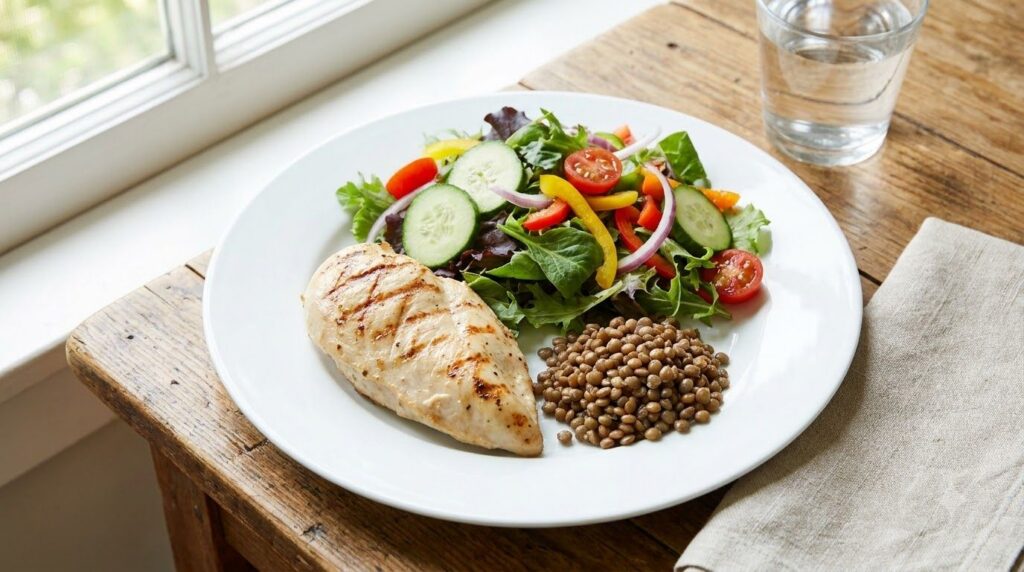
- Chicken Breast (skinless): A classic for a reason. It’s incredibly lean, packed with protein, and very versatile for various healthy meals.
- Egg Whites: Pure protein with virtually no fat or carbohydrates. This makes them excellent for boosting protein intake without adding many calories.
- Cod and other White Fish: White fish like cod, tilapia, and haddock are extremely lean protein sources. They are low in calories but provide a good amount of protein, making them perfect for weight management.
- Greek Yogurt (plain, non-fat): High in protein and very low in calories and fat, non-fat Greek yogurt helps keep you full and satisfied. Its versatility allows for sweet or savory preparations.
- Lentils: A fantastic plant-based option, lentils are rich in protein and fiber. Fiber promotes satiety and aids digestion, which is crucial for fat loss. They are also low in fat.
- Tofu (firm): Another versatile plant-based protein, firm tofu is relatively low in calories and fat, high in protein, and can absorb flavors well, making it a great addition to many dishes.
Practical Tips for Incorporating Protein
No matter your goal, incorporating enough high-quality protein into your diet is crucial. Here are some tips:
- Spread it Out: Aim to include a protein source at every meal and snack to keep you feeling full and support muscle synthesis throughout the day.
- Variety is Key: Don’t stick to just one or two protein sources. Explore different meats, fish, dairy, legumes, and plant-based options to get a wide range of nutrients.
- Prioritize Whole Foods: While protein powders can be convenient, prioritize whole food sources like chicken, fish, eggs, and beans for their additional vitamins, minerals, and fiber.
- Meal Prep: Cook larger batches of protein like chicken breast or lentils at the beginning of the week. This makes it easy to add protein to your meals on busy days.
- Hydrate: Drink plenty of water, especially when increasing protein intake, to help with digestion and overall health.
- Listen to Your Body: Pay attention to how different protein sources make you feel and adjust your choices based on your energy levels and satiety.
FAQs
Q1: Can I eat the same protein for both muscle gain and fat loss?
A: Yes, many protein sources like chicken breast, Greek yogurt, and even salmon can support both goals. The key often lies in portion sizes and how they’re prepared (e.g., lean vs. fatty cuts, cooking methods, added ingredients).
Q2: How much protein do I really need?
A: General recommendations for active individuals range from 1.6 to 2.2 grams of protein per kilogram of body weight per day for muscle gain or maintenance during fat loss. However, individual needs can vary based on activity level, age, and health goals.
Q3: Are plant-based proteins as effective as animal proteins?
A: Many plant-based proteins are excellent, especially when combined. While some single plant sources might lack one or two essential amino acids, combining different plant proteins (e.g., beans and rice) throughout the day provides a complete profile. Lentils, chickpeas, tofu, tempeh, and quinoa are great options.
Q4: Does cooking method affect protein quality?
A: While extreme heat can denature proteins, it rarely affects their nutritional value in a significant way. Frying in excessive oil, however, adds calories and unhealthy fats. Grilling, baking, boiling, and steaming are generally healthier cooking methods.
Q5: Is protein powder necessary for my goals?
A: Protein powder is a convenient supplement, but it’s not strictly necessary if you can meet your protein needs through whole foods. It can be particularly useful for those with high protein requirements, limited time, or specific dietary restrictions.
Q6: Will eating too much protein harm my kidneys?
A: For healthy individuals, current research suggests that high protein intake does not harm kidney function. However, if you have pre-existing kidney disease, it’s essential to consult with a healthcare professional regarding your protein intake.
Conclusion
Understanding how different protein sources can support your fitness journey, whether for muscle gain or fat loss, empowers you to make smarter dietary choices. By incorporating a variety of lean, high-quality proteins into your meals, you’re not just feeding your muscles; you’re fueling your body for overall health, energy, and sustained results. Experiment with the options discussed, enjoy your meals, and watch your progress unfold!
This content is for educational purposes only and should not be considered medical advice. Consult a qualified healthcare professional for personalized dietary recommendations.
Explore More Healthy Food Content:
- High Protein Breakfast Ideas
- Healthy Smoothie Recipes for Energy
- Best Foods for Gut Health
- Understanding Lean Protein Sources