Some of the most talked-about throat remedies do not come from a pharmacy shelf. They come from weeds people usually ignore.
This plant looks like sweet broomweed, also known as Scoparia dulcis. It is a small branching herb with narrow leaves, tiny white flowers, and little seed capsules along the stems. Traditional medicine sources describe Scoparia dulcis as a plant long used in tropical regions for colds, cough, and sore throat, along with digestive and urinary complaints. A Royal Society of Chemistry review notes that in traditional Chinese medicine it has been used for colds, coughs, and sore throats, while regional medicinal plant references also describe it as a folk herb for sore throat and cough.
That helps explain why dried bundles of this herb are still brewed as tea.
Still, the honest version matters. This is a traditional throat-support herb, not a guaranteed cure for tonsillitis, strep throat, or any serious infection. Most of the stronger research around Scoparia dulcis looks at its anti-inflammatory, antioxidant, antimicrobial, and blood sugar-related properties, but much of that evidence is still preclinical rather than strong human clinical proof for sore throat treatment.
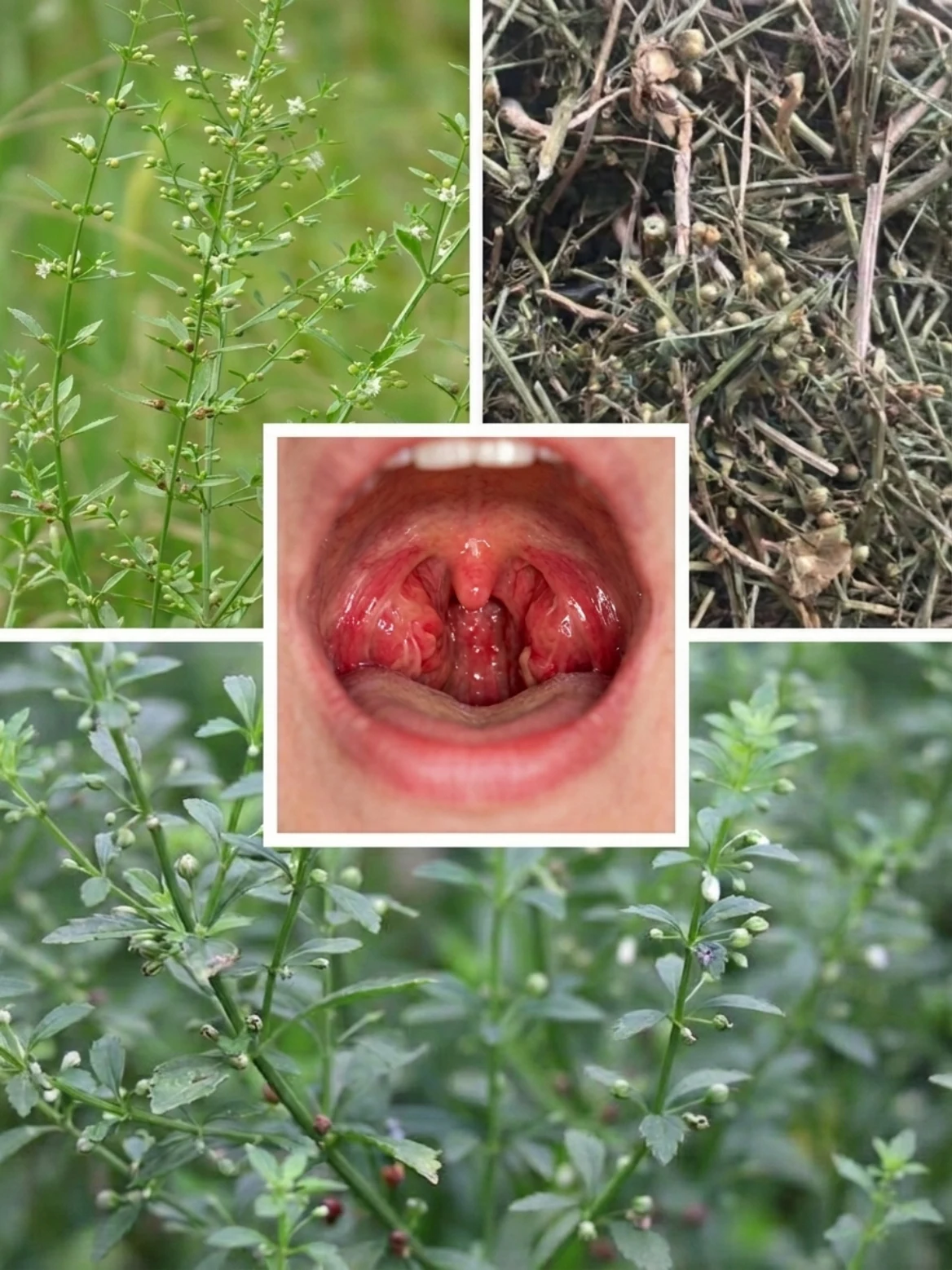
Why People Use Sweet Broomweed for Sore Throat
When the throat feels raw, dry, or irritated, people often look for something warm, simple, and herbal.
That is exactly where sweet broomweed fits. Traditional sources describe the whole plant as having anti-inflammatory and cooling qualities, which is probably why it became associated with sore throat and cough in folk medicine. The RSC review on Scoparia dulcis notes its long medicinal use across China, India, Brazil, Paraguay, and Nigeria, and specifically mentions use for sore throats in traditional Chinese medicine.
Modern research also gives that tradition a little context. Experimental studies have reported anti-inflammatory activity from extracts of Scoparia dulcis, which may help explain why people feel drawn to it when the throat feels swollen or irritated.
Ingredients
For a simple sweet broomweed tea for sore throat, you only need a few things:
- 1 small handful fresh Scoparia dulcis
- or 1 to 2 teaspoons dried herb
- 2 cups water
If you are using fresh herb, the leaves and tender stems are usually the main parts used.
How to Prepare It
This remedy is simple and works best when you do not overcomplicate it.
Step 1: Wash the herb well
Rinse the plant thoroughly to remove dust and grit.
Step 2: Add it to water
Place the herb in a small pot with 2 cups of water.
Step 3: Simmer gently
Bring it to a light boil, then reduce the heat and let it simmer for about 8 to 10 minutes.
Step 4: Let it rest
Turn off the heat and leave it covered for another 5 minutes.
Step 5: Strain and sip warm
Strain into a cup and drink while warm.
The tea is usually mild, earthy, and slightly green-bitter. It is more functional than flavorful, which is often true of herbs people use for throat and fever remedies.
How to Use It
This kind of tea is usually taken in small amounts, not as an all-day drink.
Most people who use herbs like this would take it:
- warm, in slow sips
- once or twice in a day
- during short periods of throat irritation
- when they want a simple herbal drink instead of something cold or sugary
Best time to drink it
It usually makes the most sense:
- when the throat first starts feeling scratchy
- after speaking a lot
- in the evening, when irritation feels worse
- during a mild cold, alongside rest and fluids
What You Can Realistically Expect
This part matters more than people think.
If sweet broomweed tea helps, the first thing you are likely to notice is not some dramatic overnight transformation. It is more likely:
- the throat feels a little less dry
- warm sipping feels soothing
- irritation feels slightly calmer
- swallowing may feel easier for a while
That same-day soothing effect is the realistic expectation.
What it is not realistic to expect is that one tea will treat strep throat, severe tonsil swelling, or a bacterial infection on its own. Traditional use for sore throat is documented, but modern evidence is still not strong enough to present this as a proven medical treatment.
Why This Herb Still Gets Attention
Part of the reason is tradition.
Part of it is chemistry.
Reviews describe Scoparia dulcis as containing flavonoids, diterpenoids, triterpenes, and other bioactive compounds, and these are part of why researchers keep studying it. Modern papers have explored anti-inflammatory, antioxidant, and antimicrobial effects, which make its folk use for throat irritation sound more understandable.
That does not make it a miracle. It just means this little roadside herb has more depth than most people expect.
Safety Notes
Even simple herbal teas deserve a little caution.
Because Scoparia dulcis is also studied for blood sugar-lowering effects, people with diabetes or anyone taking glucose-lowering medication should be careful with frequent use. Several traditional and review sources mention the plant’s antidiabetic reputation, which is useful, but also a reason not to treat it casually if you are on medication.
A few simple precautions:
- use only a correctly identified plant
- avoid roadside or sprayed plants
- start with a small amount first
- be cautious if pregnant, breastfeeding, or taking regular medication
- stop if it causes stomach upset or any unusual reaction
And do not rely on tea alone if there is:
- high fever
- pus on the tonsils
- difficulty swallowing
- trouble breathing
- symptoms lasting more than a few days
Final Takeaway
Sweet broomweed tea for sore throat makes sense as a traditional home remedy because that is exactly how Scoparia dulcis has been used in several herbal traditions. It is warm, simple, and easy to prepare, and its long-standing use for cough, colds, and sore throat is supported by traditional references and early pharmacological interest.
The best way to think about it is simple: this is a traditional soothing herb, not a miracle cure. Used with realistic expectations, it may be one of those small remedies that helps a scratchy throat feel a little more manageable.
Related Source Science
A major review of Scoparia dulcis describes it as a medicinal herb traditionally used for colds, cough, and sore throats, and experimental studies have reported anti-inflammatory and antioxidant activity from its extracts. The strongest support is for traditional use plus promising lab research, not strong proof that it cures serious throat infections. (RSC Publishing)