Nature is full of wonders, and few are as captivating as the journey a caterpillar takes. What starts as a humble, leaf-munching larva evolves into something entirely different, a testament to the incredible power of biological transformation. Many of us think we know this process inside out, but are there nuances or common misconceptions we’ve overlooked? Let’s dive into the amazing world of caterpillar metamorphosis!
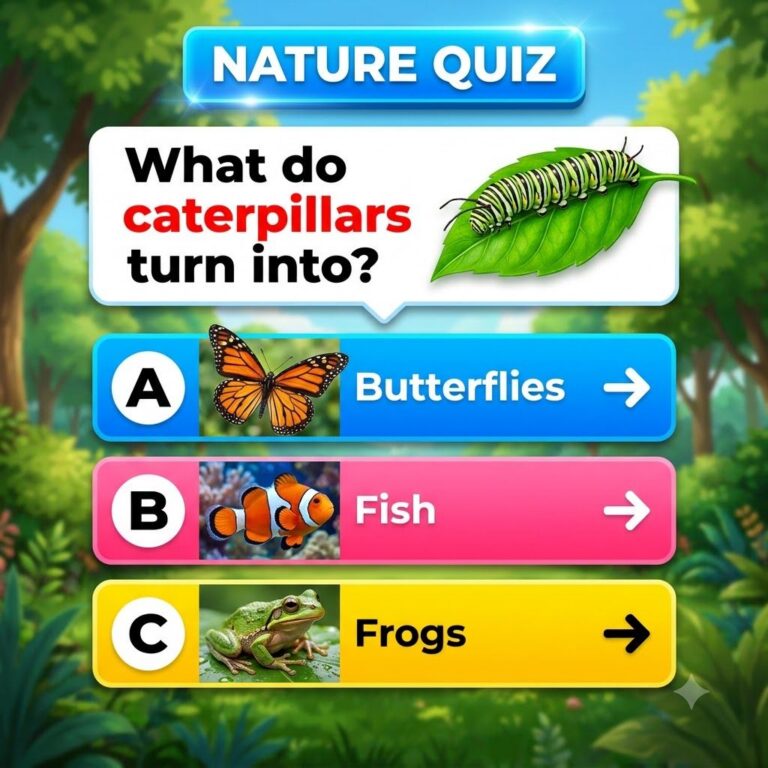
Think you’re a nature expert? Here’s a quick challenge for you:
The Incredible Process of Metamorphosis
The transformation a caterpillar undergoes is known as complete metamorphosis, a biological process where an animal physically develops, involving a conspicuous and relatively abrupt change in the animal’s body structure through cell growth and differentiation. This process is common among insects and includes four distinct stages.
Unveiling the Answer: Butterflies!
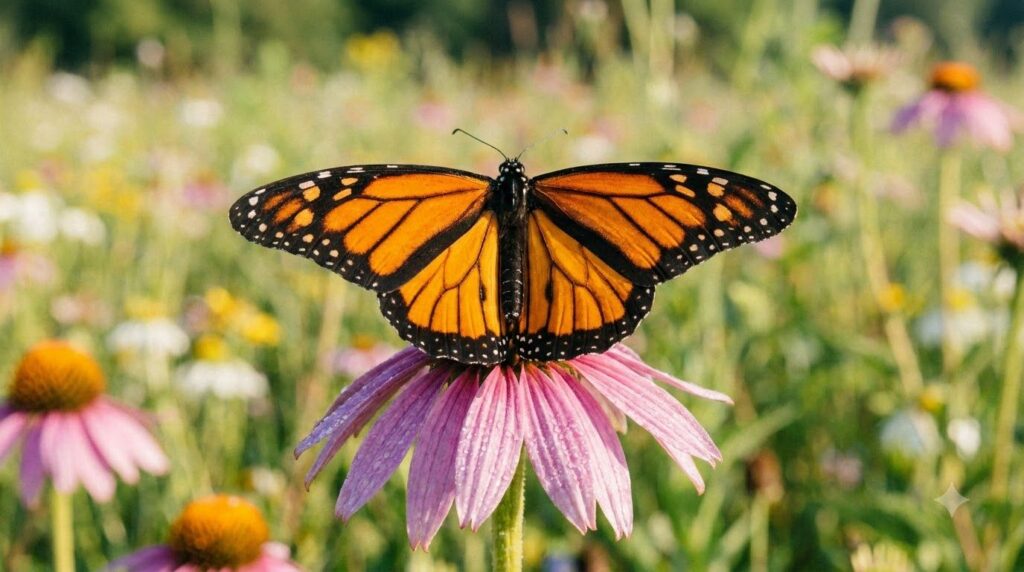
For those who picked option A, you are absolutely correct! Caterpillars transform into butterflies (or moths, which undergo a very similar process). This isn’t just a simple growth spurt; it’s a complete restructuring from one form to another, making it one of nature’s most dramatic displays.
The Four Stages of a Butterfly’s Life Cycle
Understanding the answer is one thing, but truly appreciating the journey means exploring each stage:
- Egg: The life cycle begins when an adult butterfly lays an egg, usually on a leaf or stem. These eggs are often tiny and varied in shape and texture.
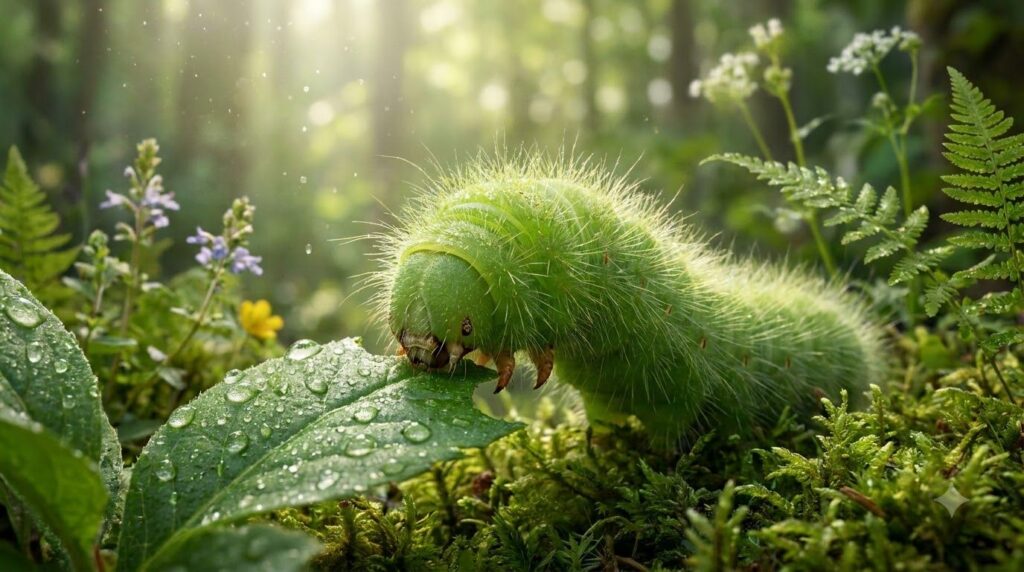
- Larva (Caterpillar): Once hatched, the larva, or caterpillar, emerges. This stage is primarily focused on eating and growing. Caterpillars are essentially eating machines, shedding their skin multiple times (molting) as they increase dramatically in size.
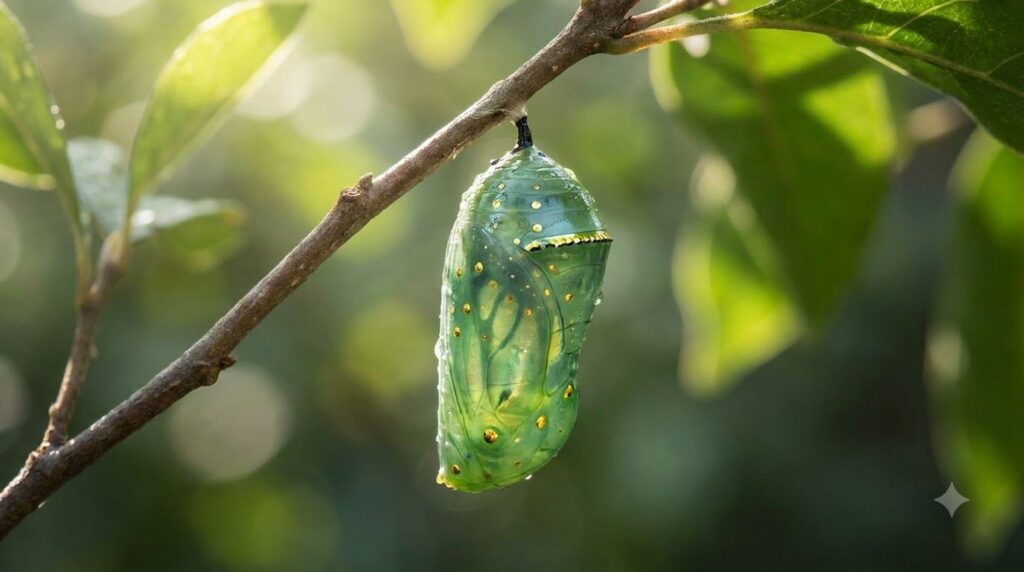
- Pupa (Chrysalis): After reaching a certain size, the caterpillar forms a chrysalis (for butterflies) or a cocoon (for moths). Inside this protective casing, an astonishing transformation occurs. The caterpillar’s body breaks down into a “soup” of cells, which then reorganize into the structures of the adult insect.
- Adult Butterfly: Finally, the adult butterfly emerges from the chrysalis. Its main roles are to reproduce and to feed on nectar, helping to pollinate flowers in the process.
Myth Busted: No Fish or Frogs Here!
The quiz playfully included options like fish and frogs, but it’s important to clarify: caterpillars, being insects, do not transform into aquatic vertebrates or amphibians. These are entirely different classes of animals with distinct life cycles. The idea of a caterpillar becoming a fish or frog is a common humorous misconception, but the scientific truth is even more extraordinary!
Why is Metamorphosis So Amazing?
The beauty of metamorphosis lies not only in its dramatic visual change but also in its evolutionary advantages. By having distinct life stages, butterflies avoid competition for resources between their young (caterpillars eat leaves) and adults (butterflies drink nectar). This specialization allows them to thrive in different ecological niches. It’s a highly efficient and successful survival strategy honed over millions of years.
So, the next time you see a tiny caterpillar munching on a leaf, remember the incredible journey it’s about to embark on. It’s a powerful reminder of nature’s endless capacity for wonder and transformation!