Abrus precatorius is commonly known as rosary pea, jequirity bean, or Gunja. Many people recognize it by its red-and-black seeds, but in traditional herbal use, people do not always focus on the seeds. In some remedies, the part used is the stem or dried vine stem, usually sliced thin and simmered as a decoction.
This plant has a long history in folk medicine, but it also carries serious safety concerns. The seeds are especially dangerous because they contain abrin, a highly toxic protein. The CDC notes that abrin poisoning has no specific cure, so avoiding exposure is very important.
Because of this, Abrus precatorius should be discussed with respect. The stem is traditionally used in some regions, but it should not be treated like a casual daily tea.
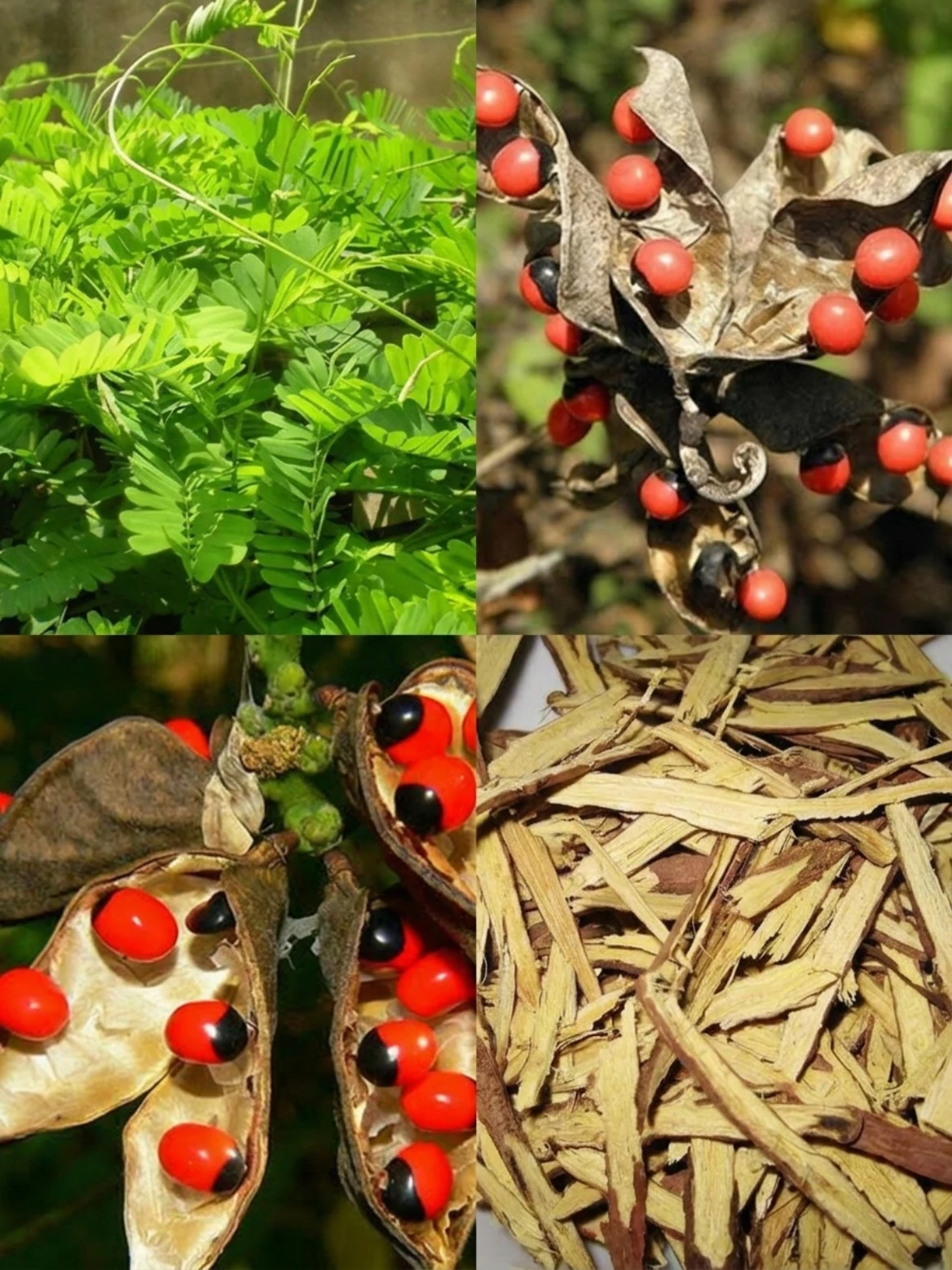
What Abrus Precatorius Stem Is Traditionally Used For
In traditional medicine, the stem of Abrus precatorius has been used as part of cleansing, cooling, and balancing herbal preparations. Folk healers may use the dried stem in decoctions for body discomfort, skin-related concerns, urinary support, inflammation, and general internal balance.
Traditional uses of Abrus precatorius as a plant include applications for inflammation, ulcers, microbial concerns, diabetes-related research interest, and hair-growth-related traditions, although many of these findings are still based on traditional reports or preclinical studies.
The stem is usually valued because it is considered gentler than the seed in folk practice. However, “gentler” does not mean automatically safe. Correct plant identification, correct plant part, and careful preparation matter.
Why People Still Care About This Plant
People still care about Abrus precatorius because it is a plant with two sides.
On one side, it is a respected traditional herb. On the other side, it is a toxic plant when the wrong part is used, especially the seed.
The stem is still used traditionally because people believe it may help support:
- Body cleansing after heaviness or fatigue.
- Mild inflammatory discomfort.
- Skin and scalp balance in folk practice.
- Urinary flow and internal heat balance.
- General wellness when used in very small, traditional amounts.
Modern reviews describe Abrus precatorius as a plant rich in phytochemicals such as flavonoids, terpenoids, alkaloids, and steroids. These compounds are one reason researchers continue studying the plant.
Still, this is not proof that the stem cures disease. It simply explains why the plant remains interesting in herbal research.
Traditional Preparation Style
In traditional use, the dried stem is often prepared as a decoction, which means it is simmered in water for a short time. This is different from a light infusion because woody stems need heat to release their compounds.
The version below is written as a cautious, educational traditional-style preparation.
Ingredients
- 3 to 5 grams dried Abrus precatorius stem, thinly sliced.
- 2 cups clean water.
- Small pot with lid.
- Fine strainer.
Do not add the seeds. Do not crush or boil the red-and-black seeds with the stem.
Instructions
- Rinse the dried stem pieces quickly to remove dust.
- Add the stem pieces to 2 cups of clean water.
- Bring the water to a gentle boil.
- Lower the heat and simmer for 10 to 15 minutes.
- Turn off the heat and cover the pot.
- Let it sit for another 5 minutes.
- Strain very carefully.
- Allow the liquid to cool until warm before use.
The decoction should look light brown or yellowish, depending on how dry the stem is. It should not be extremely dark or overly concentrated.
How It Is Usually Use
Traditionally, Abrus precatorius stem decoction is used in small amounts. It is not usually taken like a large herbal drink.
A cautious traditional-style use may be:
- 2 to 3 tablespoons of the strained decoction.
- Taken after food, not on an empty stomach.
- Used for a short period only.
- Not used daily for long-term wellness.
Some people may also use a cooled stem decoction externally as a wash for skin or scalp. For external use, the liquid should only touch unbroken skin. A patch test is always wise before wider use.
Realistic timing matters. If used externally, mild soothing may be noticed the same day. If used traditionally for internal balance, changes are usually gradual and may vary from person to person. This plant should not be promoted as a quick cure.
Safety Notes
Abrus precatorius needs strong safety warnings.
Never use the seeds at home. The red-and-black seeds are the most dangerous part of the plant. Poison Control states that the entire plant is toxic and that the seeds are highly toxic to humans.
Avoid this remedy completely if you are pregnant, breastfeeding, trying to conceive, giving it to children, taking medication, or managing liver, kidney, heart, blood sugar, digestive, or immune conditions.
Stop using it and seek medical help if you notice nausea, vomiting, diarrhea, abdominal pain, weakness, dizziness, trouble breathing, fever, confusion, or unusual sleepiness.
Also avoid using this plant if you cannot confirm the plant identity. Many vines and dried stems can look similar once cut and dried.
Final Thoughts
Abrus precatorius stem is a traditional remedy ingredient, but it must be treated with caution. The stem may be used in folk decoctions, while the seeds should be strictly avoided in home preparation.
The main lesson is simple: use the correct plant part, prepare it gently, keep the amount small, and never confuse traditional use with guaranteed safety.
Related Source Science
Modern reviews report that Abrus precatorius has been studied for traditional uses, phytochemicals, pharmacological activities, and toxicity. Research interest includes anti-inflammatory, antimicrobial, antiulcer, antidiabetic, and hair-growth-related activity, but much of this evidence remains preclinical. Safety sources emphasize that Abrus precatorius seeds contain abrin, a highly toxic protein, and poisoning requires urgent supportive medical care.