When you think of carrots, the vibrant orange variety likely comes to mind first. These ubiquitous root vegetables are a staple in kitchens worldwide, celebrated for their crisp texture and sweet flavor. However, the world of carrots is far more diverse and colorful than many realize. Beyond orange, a spectrum of hues awaits, each offering unique flavors, textures, and a distinct array of health-boosting nutrients.
This article invites you on a journey to explore the incredible diversity of carrots, delving into six unique types that can add both beauty and profound nutritional value to your plate. From the deep, earthy notes of purple carrots to the subtle sweetness of yellow varieties, prepare to uncover new favorites and understand how these colorful revelations can elevate your healthy eating habits.
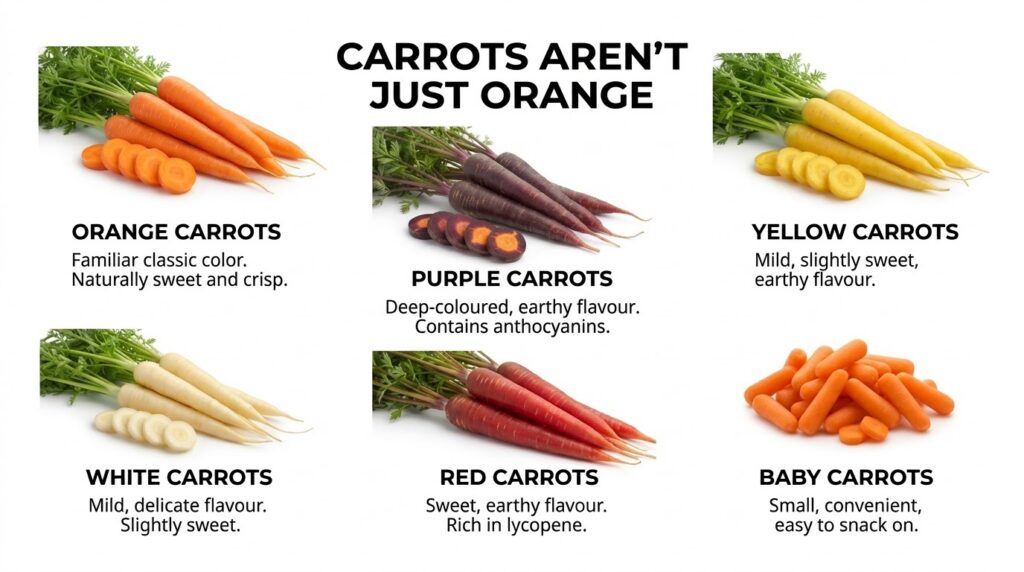
Exploring the Rainbow of Carrots: Six Unique Varieties
Each carrot type brings its own charm to the table. Let’s explore the distinct characteristics and powerful health benefits of these colorful root vegetables.
1. Orange Carrots: The Classic Powerhouse
The most recognized variety, orange carrots are celebrated for their quintessential sweet and earthy flavor, making them versatile for everything from snacking to roasting and juicing. Their bright color is a direct indicator of their high beta-carotene content, a powerful antioxidant that the body converts into Vitamin A.
- Flavor Profile: Sweet, slightly earthy, and crisp.
- Key Benefits: Excellent for vision health, supporting the immune system, and promoting healthy skin. Beta-carotene also acts as an antioxidant, helping to protect cells from damage.
2. Purple Carrots: The Antioxidant Marvel
Stepping into a world of deeper hues, purple carrots offer a striking appearance, often featuring a vibrant purple exterior and sometimes an orange core. These carrots possess a distinct flavor that can be slightly spicier and earthier than their orange counterparts, adding an intriguing twist to your meals.
- Flavor Profile: Earthy, subtly spicy, and sometimes a bit sweeter.
- Key Benefits: Rich in anthocyanins, the same potent antioxidants found in blueberries and blackberries. These compounds are associated with anti-inflammatory properties and may support cardiovascular health and cognitive function.
3. Yellow Carrots: The Milder Sweetheart
With their sunny disposition, yellow carrots are often characterized by a sweeter, milder flavor compared to orange carrots, making them a delightful addition to salads or as a gentle side dish. Their golden hue comes from lutein, another important carotenoid.
- Flavor Profile: Sweeter and milder than orange carrots, with a tender texture.
- Key Benefits: A good source of lutein, which is crucial for eye health and may help protect against age-related macular degeneration. They also contribute to overall antioxidant intake.
4. White Carrots: The Subtle Star
White carrots may lack the vibrant pigments of their colorful relatives, but they bring their own unique qualities. They tend to have a milder, sometimes earthier, and less sweet flavor, making them an excellent choice for those who prefer a less intense carrot taste. They are also notably crisp.
- Flavor Profile: Mild, earthy, and very crisp.
- Key Benefits: While lower in specific colored pigments, white carrots still provide valuable fiber for digestive health and essential vitamins and minerals. They are an excellent source of dietary fiber.
5. Red Carrots: The Lycopene Boost
Often confused with purple carrots, red carrots boast a distinct, brilliant red color and a generally very sweet, juicy flavor. Their red pigment is attributed to lycopene, the same beneficial compound found in tomatoes and watermelons.
- Flavor Profile: Very sweet and juicy.
- Key Benefits: High in lycopene, a powerful antioxidant that has been linked to heart health and may offer protection against certain types of cancer.
6. Baby Carrots: The Convenient Crunch
While often simply immature orange carrots or specific sweet varieties harvested young, ‘baby carrots’ as they are commonly sold, are celebrated for their convenience and tender, sweet crunch. They are perfectly sized for snacking and quick preparations.
- Flavor Profile: Sweet and tender, easy to eat raw.
- Key Benefits: Share the same nutritional benefits as their full-sized orange counterparts, including beta-carotene for vision and immune support. Their small size also encourages increased vegetable intake.
Adding More Color to Your Plate with Carrots
Incorporating these diverse carrot types into your diet is simple and rewarding. Use purple carrots to add a dramatic splash of color to stir-fries, roast yellow and red carrots for a naturally sweet side dish, or enjoy white carrots raw with your favorite dip. Baby carrots are perfect for on-the-go healthy snacks, while classic orange carrots remain a versatile choice for everyday cooking.
Experimenting with different carrot varieties can enhance not only the visual appeal of your meals but also broaden your intake of various phytochemicals and essential nutrients, contributing to a more robust and colorful healthy eating plan.
Frequently Asked Questions About Carrots
Q: Are colored carrots healthier than orange carrots?
A: All carrots are healthy, but colored varieties often provide unique antioxidants. For instance, purple carrots are rich in anthocyanins, and red carrots contain lycopene. Orange carrots are highest in beta-carotene. Eating a variety ensures you get a wider range of beneficial compounds.
Q: Can I cook all types of carrots the same way?
A: Yes, generally. All carrot types can be roasted, steamed, sautéed, or eaten raw. However, some delicate varieties, like baby carrots, may cook faster, and their vibrant colors, especially purple, can sometimes bleed into other ingredients when cooked.
Q: Where can I find these different carrot varieties?
A: Look for them at farmers’ markets, specialty grocery stores, or organic food stores. Their availability can vary seasonally.
Final Thoughts
The world of carrots is a vibrant tapestry of flavors and health benefits, extending far beyond the familiar orange. By embracing the full spectrum—from rich purple to sunny yellow and crisp white—you can unlock a broader range of antioxidants, vitamins, and minerals that support overall wellness. These colorful revelations make healthy eating not just nutritious, but also an exciting culinary adventure. So, which colorful carrot will you add to your plate next?