In the vast tapestry of nature, many plants that we often dismiss as weeds hold secrets to traditional healing and sustenance. One such resilient plant is Wild Dock, often seen growing abundantly in fields, roadsides, and gardens. With its distinctive long, wavy leaves and tall stalks crowned with reddish-brown seed heads, Wild Dock (Rumex crispus being a common species, also known as Curly Dock) has been a silent contributor to human well-being for centuries. Let’s delve into the rich history and enduring relevance of this remarkable plant.
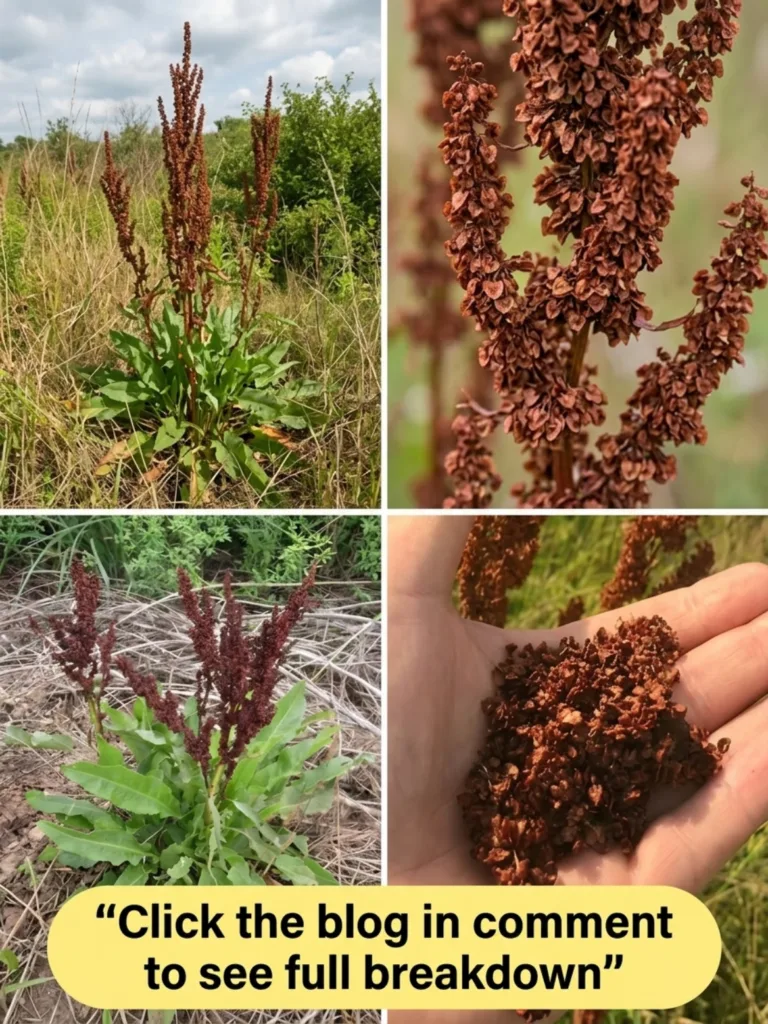 Wild Dock in its natural environment, showcasing its distinctive seed heads and the abundant harvest.
What “Plant” Is Traditionally Used For
Wild Dock, particularly its roots, leaves, and seeds, has a long history of traditional use across various cultures. Its primary traditional applications revolve around its alterative (blood purifying), laxative, and tonic properties.
- Digestive Health: The roots are well-known for their mild laxative effect, helping to alleviate constipation and promote regular bowel movements. They were also used to stimulate bile production, aiding in digestion and liver detoxification.
- Skin Conditions: Topically, crushed leaves or root poultices were applied to treat various skin ailments such as rashes, nettle stings, insect bites, itching, and minor irritations, due to their astringent and anti-inflammatory properties.
- Nutritional Support: Young leaves, rich in vitamins A and C, and minerals like iron, were consumed as a spring tonic to revitalize the body and combat deficiencies. The seeds were also valued for their nutritional content.
- Blood Cleanser: As an alterative herb, it was traditionally used to “cleanse the blood” and support the body’s natural detoxification processes, particularly beneficial during seasonal changes.
Why People Still Care About This Plant
Despite the advent of modern medicine, interest in Wild Dock persists, largely due to a growing appreciation for natural remedies, sustainable foraging practices, and holistic health. People continue to care about this plant for several compelling reasons:
- Accessibility and Abundance: Wild Dock grows almost everywhere, making it readily available for those interested in foraging and self-sufficiency.
- Nutritional Value: Its young leaves are still prized as a nutrient-dense wild green, offering a boost of vitamins and minerals to the diet. The seeds, often ground into flour, add a unique flavor and nutritional profile.
- Gentle Detoxification: In an age of environmental toxins, the plant’s traditional use as a mild liver and digestive aid remains appealing to those seeking gentle, natural detoxification support.
- Traditional Knowledge Revival: There’s a renewed interest in traditional herbalism and preserving ancestral knowledge, making plants like Wild Dock focal points for study and use.
- Cost-Effectiveness: Foraging for wild edibles can be a cost-effective way to supplement one’s diet and explore natural health solutions.
Traditional Preparation Style
Preparing Wild Dock depends on the part of the plant being used and the desired effect.
Ingredients
- For a Root Decoction (Tonic/Laxative): Mature Wild Dock roots, water.
- For Leaf Infusion (Spring Tonic/Digestive Aid): Young Wild Dock leaves, hot water.
- For Seed Flour: Dried Wild Dock seeds.
- For Poultice (Topical Relief): Fresh Wild Dock leaves.
Instructions
- Root Decoction: Clean and chop fresh or dried Wild Dock roots. Add 1-2 tablespoons of chopped root to 2 cups of water. Bring to a boil, then reduce heat and simmer for 15-20 minutes until the liquid reduces by about half. Strain and drink.
- Leaf Infusion: Place a handful of fresh, young Wild Dock leaves in a mug. Pour hot (not boiling) water over them. Steep for 5-10 minutes, then strain and enjoy.
- Seed Flour: Collect mature, dry seeds. Winnow or sift to remove chaff. Grind the clean seeds in a coffee grinder or mortar and pestle until a fine flour is achieved. This can be mixed with grain flours for baking.
- Poultice: Crush fresh Wild Dock leaves (a mortar and pestle or simply tearing them works). Apply the crushed leaves directly to the affected skin area and cover with a bandage or cloth.
How It Is Usually Use
Wild Dock is typically used both internally and externally.
- Internally:
- Teas and Decoctions: Primarily from roots for liver and digestive support, or from leaves as a general tonic.
- Food: Young leaves are eaten raw in salads (in moderation due to oxalic acid) or cooked like spinach. The seeds, ground into flour, can be added to breads, pancakes, or porridges.
- Tinctures: Alcohol-based extracts of the root are common in herbalism for more concentrated doses.
- Externally:
- Poultices: Crushed leaves or mashed roots applied directly to skin irritations, stings, or rashes.
- Washes: Strong infusions or decoctions can be used as skin washes for various dermal issues.
Safety Notes
While Wild Dock offers many benefits, it’s crucial to be aware of potential safety concerns:
- Oxalic Acid Content: Wild Dock leaves contain oxalic acid, especially as they mature. This compound, found in many common plants like spinach and rhubarb, can irritate the kidneys and interfere with calcium absorption if consumed in very large quantities. Blanching can reduce oxalic acid content. Individuals with kidney stones, gout, or rheumatoid arthritis should use caution or avoid consuming the leaves.
- Identification: Always be 100% certain of plant identification before consuming any wild plant. There are no known highly toxic look-alikes, but misidentification can lead to consuming less desirable or irritating plants.
- Moderation: Like many herbal remedies, moderation is key. Regular, heavy consumption of Wild Dock, particularly the roots, can have a strong laxative effect.
- Pregnancy and Breastfeeding: Pregnant or breastfeeding women should consult a healthcare professional before using herbal remedies, including Wild Dock.
- Medication Interactions: Individuals on prescription medications, especially blood thinners or those affecting kidney function, should consult a doctor before using Wild Dock.
Final Thoughts
Wild Dock stands as a testament to nature’s enduring generosity and the rich heritage of traditional herbal knowledge. From its role in supporting digestion and skin health to its nutritional contributions, this humble plant continues to offer valuable lessons in self-reliance and natural well-being. By understanding its traditional uses, safe preparation, and potential cautions, we can responsibly embrace Wild Dock as a valued ally in our pursuit of a healthier, more connected lifestyle. Always remember to forage sustainably and respect the natural environment.
Related Source Science
Modern scientific research on Rumex crispus, or Curly Dock, has begun to explore some of its traditional uses. Studies have investigated its potential antioxidant, anti-inflammatory, and antimicrobial properties. Research suggests that compounds present in the plant, such as anthraquinones (responsible for its laxative effect), flavonoids, and tannins, contribute to its observed biological activities. For instance, some studies indicate its efficacy in traditional models for liver protection and as an iron source. While much of the scientific validation is still in preliminary stages, it continues to provide a basis for understanding the mechanisms behind centuries of traditional use.