Ever wondered what makes the traditional Japanese diet a blueprint for longevity and vibrant health? It’s not about complex rules or exotic ingredients. Instead, it’s a beautiful, intentional dance of everyday foods that nourish the body and soul.
Many of us seek sustainable energy, lasting satiety, and happy digestion. The good news? The ‘secrets’ aren’t hidden in a magic pill. They’re often found in time-honored traditions, like the simple, yet profound, principles of Japanese eating.
Let’s demystify these insights. We’ll explore how common Japanese foods create a ripple effect of well-being, offering practical takeaways you can easily weave into your own routine.
 The everyday staples that form the backbone of a healthy Japanese diet.
The Core Message: Intentional Simplicity and Balance
At its heart, the traditional Japanese diet champions whole, unprocessed foods. It emphasizes harmony, variety, and mindful consumption. This approach naturally leads to better energy, a calm nervous system, and a thriving gut.
It’s about making peace with food, understanding its role in your well-being, and creating simple routines that support you, not restrict you. Let’s dive into some of the star players.
Foundation Foods for Lasting Wellness
1. The Humble Yet Mighty Rice: Sustainable Energy
In Japan, rice isn’t just a side dish; it’s the centerpiece. Traditionally, short-grain white rice is eaten in smaller, measured portions. It provides a steady, clean source of carbohydrates, fueling the body without the roller-coaster effect of processed sugars.
- Why it works: Paired with other components, rice offers consistent energy, avoiding spikes and crashes. It’s a cornerstone for satiety.
- Bring it home: Think of rice (or quinoa, or barley) as your grounding carb. A small bowl alongside vegetables and protein can create a balanced, satisfying meal.
[IMAGE PLACEHOLDER: A small, perfectly shaped bowl of steaming white rice, perhaps with a single sesame seed sprinkle, placed on a simple wooden table with soft, natural lighting, conveying a minimalist and clean aesthetic.]
Small portions of rice offer sustained energy without feeling heavy.
2. Miso Soup: Your Daily Gut Embrace
Often enjoyed at breakfast, miso soup is a fermented soybean paste broth, typically with seaweed and tofu. It’s a gentle, warming embrace for your digestive system.
- Why it works: Miso is packed with beneficial bacteria, supporting a healthy gut microbiome. Seaweed adds minerals, and the warmth is incredibly soothing, setting a positive tone for your digestion early in the day.
- Bring it home: A simple bowl of miso soup is quick to prepare. Look for unpasteurized miso paste for maximum probiotic benefits. Add a sprinkle of green onions or a few cubes of tofu.
3. Fermented Powerhouses: Natto & Pickles for Digestive Harmony
Fermented foods are a cornerstone of gut wellness, and Japan offers some unique examples.
Natto: The Unique Gut Ally
Natto, made from fermented soybeans, has a distinct texture and flavor. It’s rich in probiotics and a unique enzyme called nattokinase, known for various health benefits.
- Why you’ll love it: While an acquired taste for some, natto is a probiotic powerhouse, directly contributing to a robust gut microbiome.
- Serve it: Traditionally eaten over rice with soy sauce and mustard, it’s a powerful addition to a gut-healthy breakfast.
Tsukemono (Pickles): Flavorful Digestive Aids
Japanese pickles, or tsukemono, come in countless varieties. They’re crunchy, savory, and provide another dose of beneficial bacteria.
- Why you’ll love it: They add a refreshing tang and texture to meals, stimulating digestion and offering more gut-friendly probiotics.
- Serve it: A small side of pickles with almost any meal aids digestion and adds a burst of flavor.
[IMAGE PLACEHOLDER: A vibrant, Pinterest-friendly close-up of a small bowl of various colorful Japanese pickles (tsukemono) arranged artfully, with soft, diffused natural light enhancing their textures and colors on a rustic wooden surface.]
A medley of Japanese pickles adds flavor and supports gut health.
4. Grilled Fish: Lean Protein for Lasting Satiety
Fish, especially grilled fish, is a common source of protein. It’s light, nutritious, and provides essential omega-3 fatty acids.
- Why it works: Lean protein like fish helps you feel full longer, stabilizes blood sugar, and supports muscle health. Omega-3s are crucial for brain and nervous system function.
- Bring it home: Opt for sustainably sourced fish like salmon, mackerel, or cod. A simple grilled fillet with a squeeze of lemon is a perfect, budget-friendly protein.
5. Green Tea: The Mindful Elixir
Green tea is more than just a beverage; it’s a daily ritual. Rich in antioxidants, it offers a gentle energy boost without the jitters of coffee.
- Why it works: The L-theanine in green tea promotes a calm, focused state, benefiting both mood and cognitive function. Its antioxidants combat oxidative stress, supporting overall cellular health.
- Bring it home: Swap one of your daily caffeinated drinks for a cup of green tea. Savor the warmth and take a moment for mindful sipping.
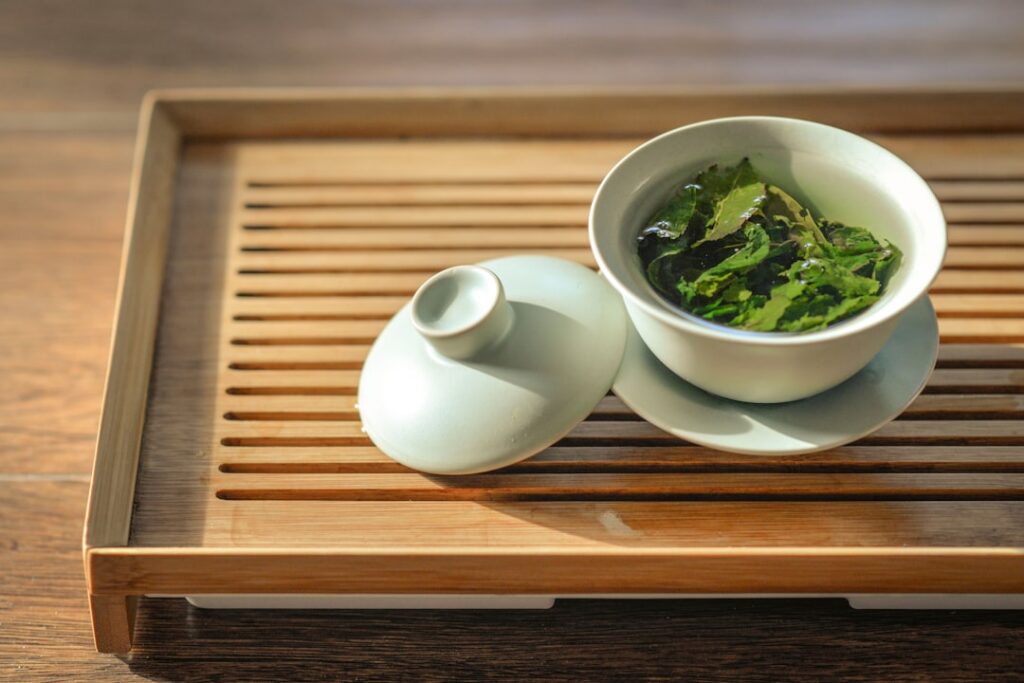 Green tea offers a calming ritual and a wealth of antioxidants.
Beyond the Plate: The Art of Mindful Eating
The Japanese diet isn’t just about what you eat, but how you eat. Smaller portion sizes, eating until you’re 80% full (hara hachi bu), and savoring each bite contribute to better digestion and a healthier relationship with food.
It’s about understanding signals of true hunger and satiety, rather than eating out of habit or emotion. This focus on awareness can profoundly impact your energy levels and overall well-being.
Bringing Japanese Wisdom to Your Kitchen
You don’t need to overhaul your entire diet to embrace these principles. Start small, with simple, actionable steps:
- Incorporate Fermented Foods: Add a small serving of pickles, kimchi, or a spoonful of unpasteurized miso to your meals a few times a week.
- Rethink Your Grains: Opt for quality, unrefined grains in smaller portions. Experiment with brown rice, barley, or even black rice for variety.
- Prioritize Plant-Based: Focus on a variety of vegetables in every meal. Steamed, stir-fried, or simply fresh.
- Mindful Sips: Replace sugary drinks with water, herbal teas, or green tea.
- Practice Portion Awareness: Serve yourself slightly less than you think you need. Eat slowly and check in with your body.
- Budget-Friendly Meal Prep: Cook a larger batch of rice and a protein like grilled fish or tofu once or twice a week. Prepare simple vegetable sides that can be mixed and matched.
Embrace Your Wellness Journey
The traditional Japanese diet offers a powerful, yet gentle, reminder: true health stems from simple, whole foods and mindful living. By integrating these practices, you can cultivate sustainable energy, lasting satiety, and profound digestive well-being.
It’s an invitation to discover a more balanced, joyful way of eating that truly nourishes you from the inside out. Start small, be curious, and enjoy the journey!