As the vibrant hues of summer begin to fade and a crisp chill enters the air, many gardeners might think the season for planting is over. But here’s a secret that seasoned growers cherish: fall is an exceptional time to lay the groundwork for a spectacular spring garden! Imagine a landscape bursting with color and fragrance the moment the last frost lifts, all thanks to a little effort now.
Sowing certain flower seeds in autumn allows them to establish strong root systems, undergo natural cold stratification, or simply get a crucial head start. This means earlier, more robust blooms and often healthier, more resilient plants that can better withstand early spring challenges. Ready to discover which beauties you can tuck into the soil this fall?
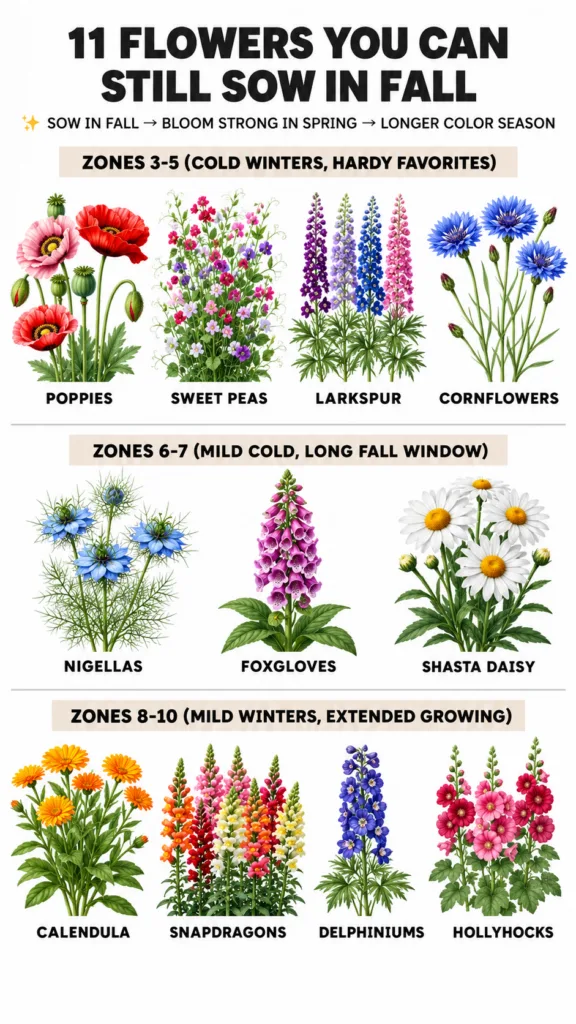 Plan ahead for a magnificent spring display by sowing these beautiful flowers in the fall.
The Magic of Fall Sowing for Spring Flowers
Why does fall planting work so well for many flowers? It comes down to a few key horticultural advantages:
- Cold Stratification: Many seeds, particularly those of wildflowers and hardy annuals, require a period of cold, moist conditions to break dormancy. Sowing them in fall allows nature to do the work, mimicking their natural life cycle.
- Stronger Root Development: Fall-sown seeds germinate and develop roots during the cooler, often moister, conditions of late fall and early winter. These established root systems are then ready to fuel vigorous growth and earlier blooms when spring arrives.
- Early Blooms: By getting a head start in fall, these plants are often ready to bloom weeks earlier than if they were sown in spring, extending your garden’s floral season.
- Reduced Competition: Fall planting often means less competition from weeds, which are generally less active in cooler temperatures.
Remember that USDA hardiness zones primarily indicate a plant’s winter cold tolerance. While these zones guide whether a plant will survive the winter, successful fall sowing also depends on your local first frost date and soil temperature. Aim to sow seeds about 6-8 weeks before your typical first hard freeze, allowing enough time for germination and initial root growth before the ground freezes solid.
Flowers for Chilly Climates (USDA Zones 3-5)
Even in areas with harsh winters, you can get a jump on spring. These hardy flowers can be sown in fall, often benefiting from the cold to sprout strong in spring.
Poppies (*Papaver spp.*)
Poppies offer a delicate beauty with their papery petals and come in a dazzling array of colors. Many types are hardy annuals that thrive with a fall sowing.
- Hardiness: Annual (Zones 2-10, sown in fall in colder zones)
- Plant type: Annual or Perennial (e.g., Oriental Poppies are perennial)
- Exposure: Full sun
- Height: 1-4 feet, depending on variety
- Spread: 6-12 inches
Practical Tip: Poppies dislike transplanting. Direct sow seeds thinly onto prepared soil, barely covering them, or simply pressing them onto the surface. Water gently. They often self-seed readily.
Delphiniums (*Delphinium elatum*)
Known for their towering spires of blue, purple, pink, or white flowers, Delphiniums add dramatic vertical interest to the garden. Fall sowing helps them develop strong root systems for robust bloom stalks.
- Hardiness: Perennial (Zones 3-7, often grown as annuals in warmer zones)
- Plant type: Perennial
- Exposure: Full sun to partial shade
- Height: 3-6 feet
- Spread: 1-2 feet
Practical Tip: Delphinium seeds benefit from cold stratification. Sow in fall, providing good drainage and consistent moisture, but avoid waterlogging. Stake taller varieties to prevent wind damage.
Foxgloves (*Digitalis purpurea*)
These enchanting plants feature bell-shaped flowers on tall stalks, often with intricate speckling inside. They are typically biennials, meaning they grow foliage in the first year and bloom in the second. Fall sowing ensures blooms next spring/summer.
- Hardiness: Biennial (Zones 4-9)
- Plant type: Biennial
- Exposure: Full sun to partial shade
- Height: 2-5 feet
- Spread: 1-2 feet
Practical Tip: Foxglove seeds need light to germinate, so sow them on the soil surface and gently press them in. Provide rich, well-drained soil. Remember they are poisonous if ingested, so plant with care around pets and children.
Cornflowers (*Centaurea cyanus*)
Also known as Bachelor’s Buttons, Cornflowers are cherished for their vibrant blue, pink, white, or purple daisy-like blooms. They are easy-to-grow annuals that perform exceptionally well with fall planting.
- Hardiness: Annual (Zones 2-11)
- Plant type: Annual
- Exposure: Full sun
- Height: 1-3 feet
- Spread: 6-12 inches
Practical Tip: Sow seeds directly into the garden in well-drained soil. Lightly cover them with soil. Fall planting results in sturdier plants and earlier blooms than spring-sown ones. They are excellent for cut flowers and beneficial insects.
Flowers for Moderate Winters (USDA Zones 6-7)
Gardeners in these zones can enjoy a wider range of fall-sown options, benefiting from a longer, milder establishment period.
Nigella (*Nigella damascena*)
Commonly called ‘Love-in-a-Mist,’ Nigella is an annual known for its delicate, feathery foliage and unique blue, pink, or white flowers followed by intriguing seed pods. It’s a charming addition to cottage gardens.
- Hardiness: Annual (Zones 2-11)
- Plant type: Annual
- Exposure: Full sun
- Height: 1-2 feet
- Spread: 6-9 inches
Practical Tip: Direct sow seeds in fall into well-drained soil. They prefer not to be transplanted. Allow some seed pods to mature and self-sow for continuous blooms year after year. The dried seed pods are also lovely in arrangements.
Hollyhocks (*Alcea rosea*)
These stately biennials or short-lived perennials produce tall spikes of large, showy flowers in a rainbow of colors. Fall planting allows them to establish robust root systems before blooming spectacularly in their second year.
- Hardiness: Biennial/Perennial (Zones 3-8)
- Plant type: Biennial or short-lived perennial
- Exposure: Full sun
- Height: 5-8 feet
- Spread: 1-2 feet
Practical Tip: Plant seeds in well-drained soil. Provide support for their tall stalks in windy areas. Watch for rust, a common fungal disease; ensure good air circulation and consider resistant varieties.
Larkspur (*Consolida ajacis*)
Closely related to Delphiniums, Larkspur is a beautiful annual that produces elegant spires of blue, pink, white, or purple flowers. Fall sowing is highly recommended for the strongest plants and earliest blooms.
- Hardiness: Annual (Zones 2-11)
- Plant type: Annual
- Exposure: Full sun
- Height: 2-4 feet
- Spread: 6-12 inches
Practical Tip: Sow seeds directly in fall onto well-drained soil. Like poppies, they prefer not to be moved once established. Larkspur makes an excellent cut flower and can be dried for arrangements.
Calendula (*Calendula officinalis*)
Known as ‘Pot Marigold,’ Calendula produces cheerful orange and yellow daisy-like flowers that are both ornamental and edible. These hardy annuals are incredibly easy to grow and reseed readily.
- Hardiness: Annual (Zones 2-11)
- Plant type: Annual
- Exposure: Full sun to partial shade
- Height: 1-2 feet
- Spread: 1 foot
Practical Tip: Sow seeds directly into the garden. Fall planting often yields earlier and more prolific blooms. Deadhead regularly to encourage continuous flowering. The petals are edible and add color to salads.
Flowers for Mild Winters (USDA Zones 8-10)
In regions with mild or no freezing winters, fall is often the prime planting season, allowing plants to establish during cooler temperatures before the summer heat.
Shasta Daisy (*Leucanthemum x superbum*)
A classic garden favorite, the Shasta Daisy boasts iconic white petals surrounding a bright yellow center. These dependable perennials provide a cheerful display and make excellent cut flowers.
- Hardiness: Perennial (Zones 5-9, can be grown as an annual in colder zones or with protection)
- Plant type: Perennial
- Exposure: Full sun
- Height: 1-3 feet
- Spread: 1-2 feet
Practical Tip: Divide established clumps in fall every few years to maintain vigor. When sowing seeds in fall, ensure good drainage. Deadhead spent blooms to encourage more flowering and prevent excessive self-seeding.
Snapdragons (*Antirrhinum majus*)
With their vibrant, unique ‘snapping’ blooms, Snapdragons are beloved for their wide range of colors and varying heights. They are often grown as annuals but can overwinter in milder climates with fall planting.
- Hardiness: Tender Perennial (Zones 7-10, usually grown as annuals elsewhere)
- Plant type: Annual or Tender Perennial
- Exposure: Full sun
- Height: 6 inches to 3 feet, depending on variety
- Spread: 6-12 inches
Practical Tip: Pinch back young plants to encourage bushier growth and more flowers. Fall-sown snapdragons will produce stronger plants and earlier, longer-lasting blooms in spring. They are fantastic cut flowers.
Sweet Peas (*Lathyrus odoratus*)
Few flowers can rival the enchanting fragrance of Sweet Peas. These climbing annuals produce delicate, colorful blooms, making them a cottage garden staple and a favorite for cutting.
- Hardiness: Annual (Zones 2-11, fall-sown in mild winter areas)
- Plant type: Annual vine
- Exposure: Full sun to partial shade
- Height: 5-8 feet (vining types)
- Spread: 1-2 feet (needs support)
Practical Tip: Soak seeds overnight before planting to aid germination. Provide a trellis or other support for these vigorous climbers. In mild climates, fall sowing allows them to establish roots during the cool season, leading to an explosion of flowers in spring.
General Fall Sowing Tips for Success
No matter your zone, a few universal principles will maximize your fall planting success:
1. Prepare Your Soil Well
Ensure your garden beds have well-drained soil. Amend with compost to improve soil structure and fertility. Good drainage is crucial to prevent seeds from rotting over winter.
2. Timing is Everything
Aim to sow seeds about 6-8 weeks before your average first hard frost. This allows enough time for seeds to germinate and develop a small root system, but not so much that they put on significant top growth that could be damaged by winter cold.
3. Sow Wisely
Follow specific instructions for each seed, noting planting depth. Many small seeds (like poppies and foxgloves) need light to germinate and should only be lightly covered or pressed onto the soil surface. Consider sowing a little more thickly than usual, as some seeds may not survive the winter.
4. Water Once, Then Let Nature Take Over
After sowing, water the area thoroughly. Then, unless you experience an unusually dry fall, let rainfall and natural moisture do the rest. Avoid overwatering once freezing temperatures arrive.
5. Consider Mulch (Optional)
In very cold zones, a light layer of straw or shredded leaves over your fall-sown beds once the ground begins to freeze can offer protection from harsh temperature fluctuations. Remove it promptly in early spring.
Embrace the Autumn Garden
Fall planting is a truly rewarding practice, a gesture of hope and preparation for the beauty to come. It connects you deeply to the natural cycles of your garden and promises an early, abundant display that will uplift your spirits after winter’s chill. So, don’t put away your gardening gloves just yet! Head out, prepare your beds, and sow the seeds of a spectacular spring. You’ll thank yourself when those first vibrant blooms emerge.