There’s nothing quite like the satisfaction of harvesting your own homegrown fruit, fresh from the garden! But for many aspiring home gardeners, a common question arises: “How long will it take for my fruits to ripen?” Understanding the journey from a delicate blossom to a juicy, ripe fruit is key to a successful and rewarding harvest. Let’s dig into the fascinating world of fruit ripening times, focusing on some popular backyard favorites!
Different fruits have their own unique timelines, influenced by a variety of factors. Knowing what to expect helps you plan your garden, manage your expectations, and ultimately enjoy the sweet rewards of your labor.
Understanding the Fruit Ripening Cycle
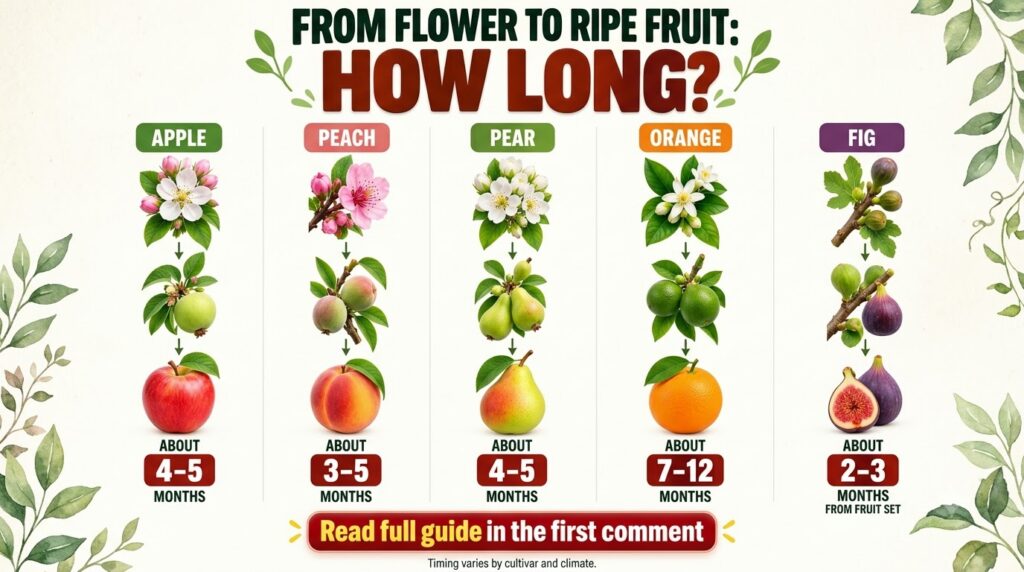
Before we dive into specific fruits, let’s briefly touch upon the general cycle. It all starts with the bloom, where flowers emerge, signaling the plant’s readiness to produce. Successful pollination then leads to fruit set, where the tiny fruit begins to form. Over weeks or months, this young fruit grows, matures, and finally ripens, accumulating sugars, flavors, and its characteristic color.
Factors Influencing Ripening Time
- Fruit Variety: Even within the same fruit type (e.g., apples), different cultivars can have vastly different ripening schedules.
- Climate and Weather: Temperature, sunlight, and rainfall significantly impact growth and ripening. A warmer, sunnier season generally speeds up the process, while cooler, cloudier weather can slow it down.
- Plant Health: A healthy, well-nourished plant with adequate water will produce fruit more efficiently.
- Soil Conditions: Good soil health provides the necessary nutrients for robust fruit development.
- Pruning: Proper pruning ensures good air circulation and sunlight penetration, which are crucial for ripening.
Featured Fruits: From Our Garden to Your Table
Apples: A Fall Favorite
Apples are a beloved backyard fruit, known for their crisp texture and diverse flavors. From bloom to harvest, apples typically take anywhere from 3 to 6 months. Early varieties like ‘Lodi’ might ripen in late summer, while late-season apples such as ‘Honeycrisp’ or ‘Fuji’ can extend into early fall.
- Tips for Apples: Ensure proper pollination (often requiring a second compatible apple variety nearby). Prune to allow sunlight into the canopy, which helps with fruit development and color. Look for firm fruit with good color, and gently twist to pick.
Peaches: Sweet Summer Delights
Nothing says summer quite like a juicy, ripe peach! Peaches usually ripen about 3 to 5 months after their beautiful spring blossoms. Varieties like ‘Redhaven’ are mid-season favorites, while others might mature earlier or later in the summer.
- Tips for Peaches: Peaches love full sun and well-drained soil. Thinning the fruit when it’s small (about 1 inch in diameter) is crucial for larger, sweeter peaches and to prevent limb breakage. Ripe peaches will have a distinct aroma, feel soft to the touch (especially near the stem), and detach easily from the branch.
Figs: An Ancient Treat
Figs are a unique and rewarding fruit for many climates, especially those with long, warm summers. From flower (which is actually inside the fruit!) to ripe fruit, figs can take approximately 3 to 5 months. Many fig varieties produce two crops: a smaller ‘breba’ crop in early summer and a main crop in late summer to fall.
- Tips for Figs: Figs thrive in full sun and prefer consistent moisture, especially when fruiting. They can also be grown successfully in containers in colder climates, brought indoors for winter. Ripe figs will be soft, droop slightly on the branch, and often have a rich, sweet fragrance.
Pears: Elegant and Delicious
Pears, like apples, are pomes and typically take about 4 to 7 months to ripen after blooming. Most pear varieties are harvested when mature but not yet soft, and then ripened off the tree at room temperature for optimal flavor and texture.
- Tips for Pears: Pears also benefit from cross-pollination. Pay attention to the stem; when the fruit can be lifted and the stem separates easily from the branch (even if the fruit is still firm), it’s ready to pick for ripening indoors.
Oranges: Citrusy Sunshine
For those in warmer climates, growing oranges is a true joy. Citrus fruits like oranges have a much longer ripening period compared to temperate fruits, often taking 8 to 12 months (or even longer) from bloom to fully ripe fruit. This means you might see flowers and ripe fruit on the tree simultaneously!
- Tips for Oranges: Oranges need plenty of sun, warmth, and consistent watering. They also benefit from regular feeding. Ripe oranges will have their characteristic color, feel firm but not hard, and taste sweet. They don’t typically ripen further once picked, so wait until they’re perfect on the tree.
Harvesting Your Hard Work
Patience is truly a virtue in the garden, especially when it comes to fruit. Regularly observe your plants, noting the changes in fruit size, color, and texture. Don’t rely solely on color; a gentle squeeze and a sniff can often tell you more about ripeness than visual cues alone.
Once harvested, enjoy your fruits fresh, or explore ways to preserve them through canning, freezing, or drying. The journey from flower to fruit is a testament to nature’s magic and your dedication as a gardener!
What are your favorite fruits to grow, and how long do they usually take to ripen in your garden? Share your home harvest stories and tips with us in the comments below!