Your Ultimate Salmon Recipe Guide!
Salmon is a culinary superstar, celebrated for its rich flavor, flaky texture, and impressive nutritional profile. Whether you’re a seasoned home cook or just starting your journey in the kitchen, mastering salmon preparation opens up a world of delicious possibilities. This guide is designed to introduce you to the versatility of salmon, offering an overview of popular cooking methods and flavor pairings to inspire your next meal.
From quick weeknight dinners to impressive entertaining dishes, salmon adapts beautifully to countless cuisines and cooking styles. Get ready to explore why this vibrant fish deserves a regular spot on your dining table!
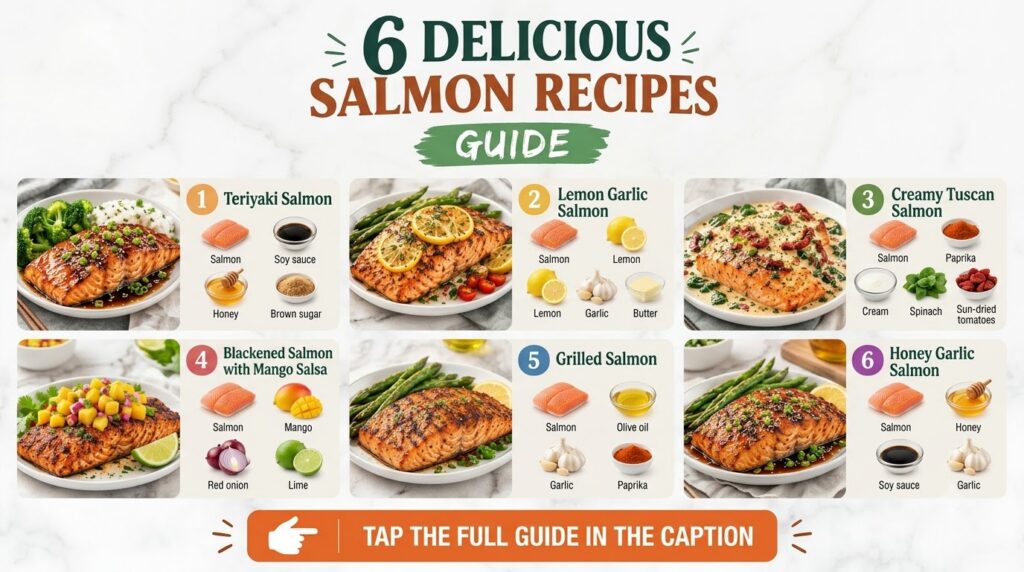
Why You’ll Love This Guide to Salmon Cooking
- Incredibly Versatile: Learn about different cooking methods that allow salmon to shine, from baking to grilling and pan-searing.
- Packed with Nutrition: Salmon is a fantastic source of Omega-3 fatty acids, protein, and essential vitamins, making it a healthy choice for any meal.
- Quick & Easy: Many salmon preparations can be ready in under 30 minutes, ideal for busy weeknights.
- Family-Friendly Options: With various flavor profiles, you can find a salmon dish to please even the pickiest eaters.
- Infinitely Customizable: This guide provides a foundation to experiment with countless seasonings, marinades, and sides.
Ingredients: The Building Blocks of Delicious Salmon Dishes
While specific quantities will vary greatly depending on the particular salmon recipe you choose, understanding the core components can help you create amazing meals. This section outlines the general categories of ingredients commonly used with salmon.
- Salmon: Fresh or frozen fillets (skin-on or skin-off), steaks, or even a whole salmon.
- Fats: Olive oil, butter, avocado oil, or sesame oil are excellent choices for cooking and enhancing flavor.
- Aromatics: Garlic, shallots, ginger, and onions form a flavorful base for many dishes.
- Seasonings: Salt, black pepper, paprika, onion powder, garlic powder, and chili flakes are common go-to’s.
- Herbs: Fresh dill, parsley, thyme, rosemary, or cilantro can brighten any salmon dish.
- Acids: Lemon juice, lime juice, orange juice, or a splash of vinegar add brightness and balance.
- Sauces & Glazes: Honey, maple syrup, soy sauce, Dijon mustard, and various specialty sauces can create incredible finishes.
- Vegetables: Asparagus, broccoli, bell peppers, green beans, and spinach pair beautifully with salmon, often cooked alongside it.
Ingredient Notes
- Fresh vs. Frozen Salmon: Both can be excellent. If using frozen, ensure it’s fully thawed for best results and even cooking.
- Wild vs. Farmed: Wild salmon often has a leaner texture and richer flavor, while farmed salmon tends to be fattier and milder. Choose based on preference and availability.
- Skin On or Off: Skin-on salmon provides a protective layer that helps keep the fish moist and can crisp up beautifully when pan-seared or grilled.
- Lemon is Your Friend: A squeeze of fresh lemon juice before or after cooking can elevate almost any salmon dish.
Equipment You’ll Need
Having the right tools can make your salmon cooking experience smoother and more successful. Here’s a list of commonly used equipment:
- Cutting Board & Sharp Knife: For preparing salmon and any accompanying ingredients.
- Mixing Bowls: For marinades or seasoning mixtures.
- Baking Sheet or Oven-Safe Dish: Essential for baked or roasted salmon.
- Cast Iron Skillet or Non-Stick Pan: Perfect for pan-searing salmon to achieve a crispy skin.
- Grill or Grill Pan: For smoky, char-kissed salmon.
- Instant-Read Meat Thermometer: The most reliable way to ensure salmon is perfectly cooked (aim for 145°F or 63°C).
- Tongs or Spatula: For handling the delicate fish.
How to Master Salmon Cooking: General Principles
While each specific salmon recipe has its unique steps, understanding these general principles will guide you to perfectly cooked fish every time. This guide focuses on the ‘how-to’ of various methods rather than a single recipe’s instructions.
-
Step 1: Prepare Your Salmon
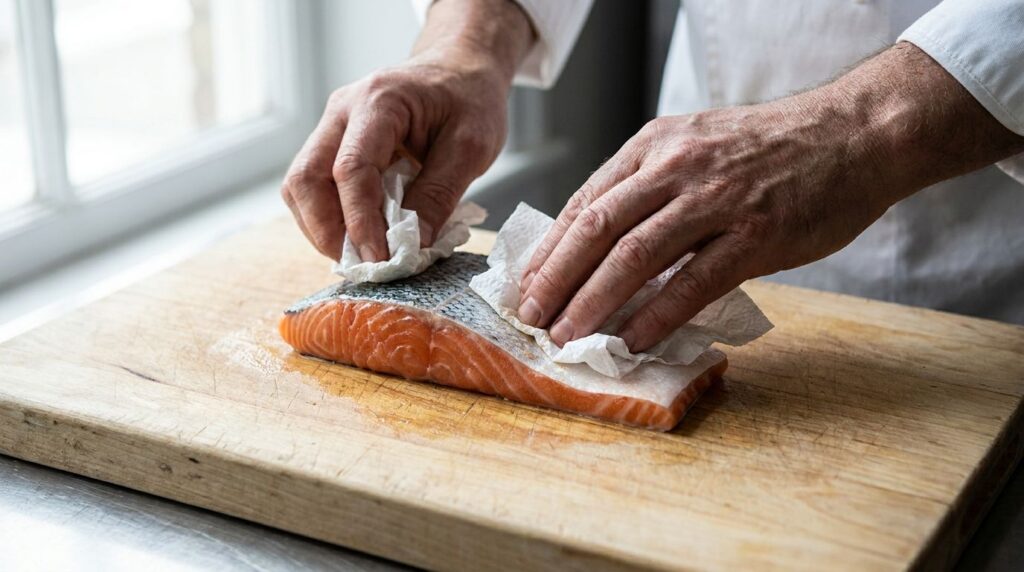
Whether starting with fresh or thawed salmon, always pat the fillets thoroughly dry with paper towels. This removes excess moisture, which is crucial for achieving crispy skin and a good sear. Inspect for any pin bones and remove them with tweezers if present.
-
Step 2: Season Generously
Rub your salmon with a little olive oil or melted butter, then season both sides generously with salt, black pepper, and your chosen herbs and spices. Don’t be shy; salmon can handle robust flavors!
-
Step 3: Choose Your Cooking Method
This is where the versatility of salmon truly shines. Each method offers a unique texture and flavor:
- Baking: Ideal for hands-off cooking. Place seasoned salmon on a baking sheet, often with vegetables, and bake at 400°F (200°C) until cooked through. This usually takes about 12-18 minutes for a 6-ounce fillet.
- Pan-Searing: Perfect for crispy skin. Heat a skillet over medium-high heat with oil, place salmon skin-side down, and cook for 4-6 minutes until skin is crisp. Flip and cook for another 2-4 minutes until the desired doneness.
- Grilling: For a smoky flavor. Oil the grill grates and cook salmon over medium-high heat, skin-side down first, for about 4-7 minutes per side, depending on thickness.
- Roasting: Similar to baking but often at a higher temperature, creating a slightly more caramelized exterior. Cook at 425°F (220°C) for 10-15 minutes.
- Poaching: For a delicate, moist texture. Gently simmer salmon in a flavorful liquid (water, broth, wine) until it flakes easily.
-
Step 4: Monitor Doneness
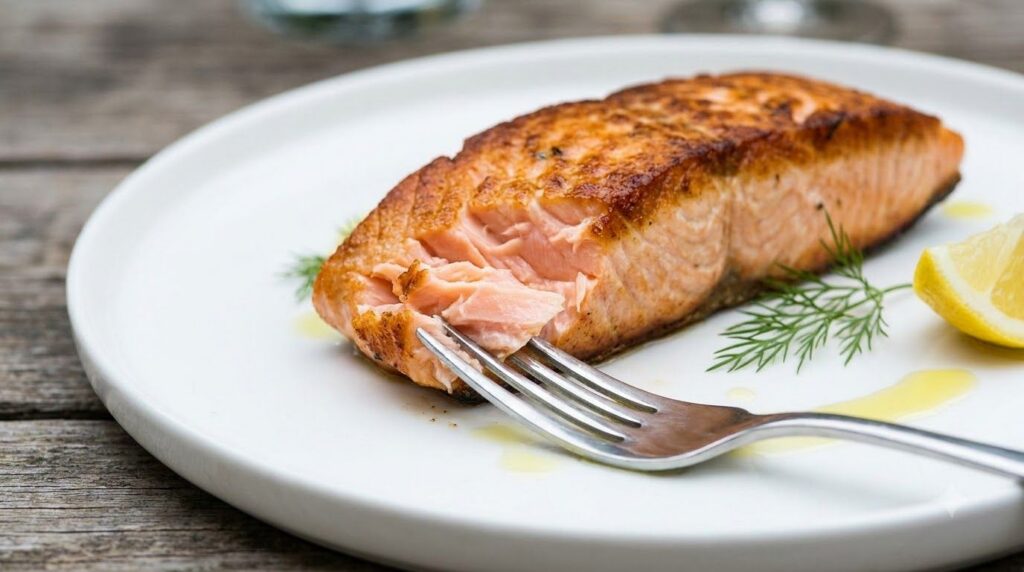
Salmon is done when it’s opaque throughout and flakes easily with a fork. The most accurate way to check is with an instant-read thermometer inserted into the thickest part of the fillet; it should read 145°F (63°C). Be careful not to overcook, as salmon can dry out quickly.
-
Step 5: Rest and Serve
Once cooked, let the salmon rest for a minute or two before serving. This allows the juices to redistribute, resulting in a more succulent piece of fish. Garnish with fresh herbs, lemon wedges, or your favorite sauce.
Pro Tips for the Best Results
- Always Pat Dry: Seriously, this is crucial for crispy skin and a beautiful sear.
- Don’t Overcook: Salmon can go from perfectly cooked to dry and chalky in a matter of minutes. Use a thermometer!
- Start Skin-Side Down: When pan-searing or grilling, starting with the skin side down helps crisp it up and creates a protective barrier for the delicate flesh.
- Let it Come to Room Temperature (Slightly): Taking salmon out of the fridge 15-20 minutes before cooking can help it cook more evenly.
- Use Acid: A squeeze of lemon or lime juice at the end brightens the flavor and cuts through the richness.
- Season Liberally: Salmon can take a good amount of seasoning. Don’t be afraid to use salt, pepper, and your favorite spices.
- Match Method to Cut: Thicker fillets are great for baking or roasting, while thinner cuts or steaks can be excellent for pan-searing or grilling.
Common Mistakes to Avoid
- Overcooking: As mentioned, this is the most common mistake. Dry salmon is no fun. Rely on visual cues and a thermometer.
- Not Patting Dry: Leads to steamed rather than seared salmon, preventing a crispy exterior.
- Crowding the Pan/Grill: Cooking too many fillets at once lowers the temperature, preventing proper searing. Cook in batches if necessary.
- Ignoring Pin Bones: These small, sharp bones are unpleasant to eat. Take a moment to remove them before cooking.
- Under-Seasoning: Bland salmon is a missed opportunity. Ensure you season well on both sides.
Variations & Substitutions
Salmon’s versatility means endless possibilities for flavor combinations and serving styles:
- Flavor Profiles: Explore Mediterranean (dill, lemon, garlic), Asian (soy sauce, ginger, sesame), Mexican (chili lime, cilantro), or simple herb-crusted variations.
- Different Toppings: Top cooked salmon with a fresh salsa, a creamy dill sauce, pesto, or a simple lemon-butter sauce.
- Spice Rubs: Experiment with different spice blends like blackened seasoning, lemon-pepper, or a sweet and smoky rub.
- Cooking with Vegetables: Roast salmon directly on a sheet pan with asparagus, broccoli, or cherry tomatoes for a complete meal.
- Stuffing: For a more elaborate dish, stuff a larger salmon fillet with a mixture of spinach, feta, and herbs.
Serving Suggestions
Salmon pairs beautifully with a wide array of side dishes. Here are some ideas to complete your meal:
- Rice or Quinoa: A simple bed of white rice, brown rice, or quinoa is a classic pairing that soaks up any delicious pan sauces.
- Roasted Vegetables: Asparagus, broccoli, green beans, or sweet potatoes roasted alongside your salmon make for an easy and healthy meal.
- Fresh Salads: A light, crisp green salad with a vinaigrette provides a refreshing contrast to rich salmon.
- Creamy Mashed Potatoes: For a comforting meal, serve salmon with a side of garlic mashed potatoes or cauliflower mash.
- Crusty Bread: Perfect for soaking up any flavorful pan juices or sauces.
Storage & Reheating
Proper storage and reheating are key to enjoying your leftover salmon.
- Refrigerator Storage: Store cooked salmon in an airtight container in the refrigerator for up to 3-4 days.
- Freezer Suitability: Cooked salmon can be frozen, though its texture may become slightly drier upon thawing. Freeze in an airtight container or freezer bag for up to 2-3 months. Thaw overnight in the refrigerator before reheating.
- Reheating Method: To maintain moisture, gently reheat salmon in the oven at a low temperature (around 275°F or 135°C) for 10-15 minutes, or in a microwave on a low setting in short bursts until just warmed through. Avoid high heat, which can dry it out.
FAQ
How do I know when salmon is cooked through?
Salmon is cooked when it flakes easily with a fork in the thickest part. The flesh should be opaque throughout, though it might still have a slightly translucent pink center, which is perfectly safe and often preferred. The most accurate way is to use an instant-read thermometer, aiming for an internal temperature of 145°F (63°C).
Can I cook salmon from frozen?
Yes, you can cook salmon from frozen, though it will take longer and may not crisp up as much. For best results, thaw salmon overnight in the refrigerator or quickly under cold running water before cooking.
What’s the best way to season salmon?
A simple seasoning of salt, black pepper, and fresh lemon juice is always a winner. You can also add garlic powder, onion powder, paprika, or fresh herbs like dill or parsley. Don’t be afraid to experiment with your favorite spice blends!
Is wild-caught or farmed salmon better?
Both wild-caught and farmed salmon can be healthy and delicious. Wild salmon tends to be leaner with a stronger flavor profile, while farmed salmon often has a higher fat content and milder taste. The ‘best’ choice often comes down to personal preference, availability, and budget.
How long does cooked salmon last in the fridge?
Cooked salmon can be safely stored in an airtight container in the refrigerator for 3 to 4 days.
What temperature should I cook salmon to?
The USDA recommends cooking salmon to an internal temperature of 145°F (63°C). Some chefs prefer a slightly lower temperature (around 125-130°F or 52-54°C) for a rarer, more succulent texture, but this is a personal preference.
Can I eat salmon skin?
Absolutely! Crispy salmon skin is a delicacy for many. When pan-seared or grilled, the skin becomes wonderfully crisp and flavorful. Just make sure it’s properly scaled and cleaned before cooking.
Your Ultimate Salmon Recipe Guide
Embrace the versatility and health benefits of salmon in your kitchen. This guide empowers you with the knowledge to prepare this fantastic fish using various methods, ensuring delicious results every time. Happy cooking!