Your Ultimate Shrimp Recipe Guide: Easy & Delicious Ways to Cook Shrimp
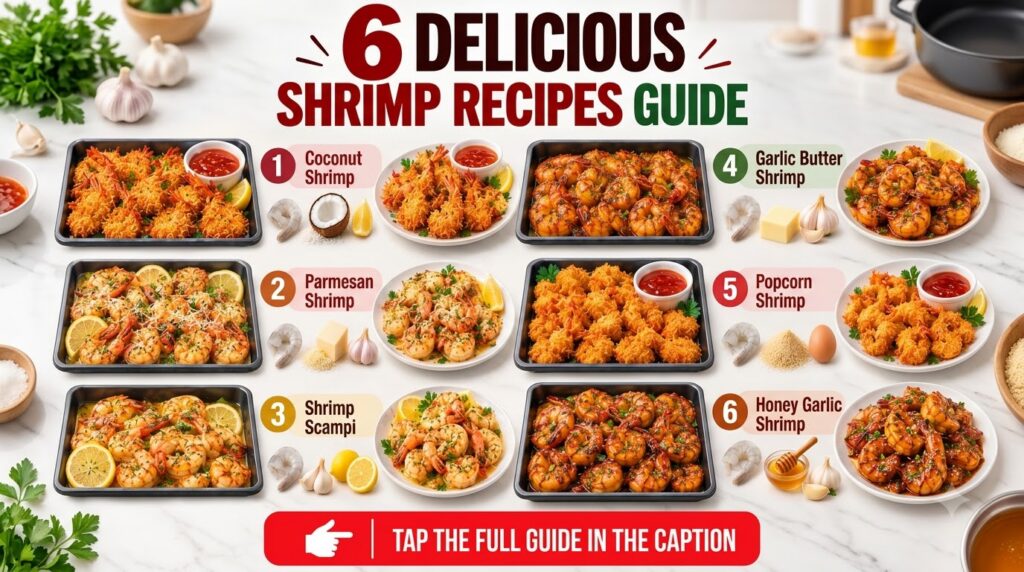
Shrimp is a true culinary chameleon, adaptable to countless flavors and cooking styles, and quick enough to transform from raw to ready in minutes. Whether you’re a seafood enthusiast or just looking for a healthy, speedy meal solution, shrimp offers an abundance of possibilities. This ultimate shrimp recipe guide is designed to inspire you, providing the foundational knowledge and creative ideas you need to master this versatile ingredient and prepare truly delicious dishes at home.
From succulent sautéed shrimp drenched in garlic butter to crispy fried bites and zesty grilled skewers, we’ll explore various cooking methods and flavor profiles. Get ready to elevate your weeknight dinners, impress guests, or simply enjoy a fantastic seafood meal with confidence and ease.
Why You’ll Love This Shrimp Guide
- Incredibly Versatile: Shrimp pairs well with nearly any cuisine or flavor profile, from spicy to savory, tangy, and sweet.
- Quick & Easy: Most shrimp dishes can be prepared and cooked in under 30 minutes, making them perfect for busy weeknights.
- Healthy Choice: Shrimp is low in calories and high in protein, making it an excellent addition to a balanced diet.
- Beginner-Friendly: With the right tips, cooking shrimp is straightforward and forgiving, even for novice cooks.
- Customizable: Easily adjust seasonings, sauces, and accompaniments to suit your taste and pantry staples.
- Impressive Results: Despite its ease, well-cooked shrimp always feels like a special meal, perfect for entertaining or a treat for yourself.
Essential Ingredients for Shrimp Dishes
While specific recipes call for unique ingredients, many foundational shrimp dishes rely on a few key pantry staples that bring out its best flavor.
- Shrimp: Fresh or frozen, raw, and preferably deveined.
- Olive Oil & Butter: For sautéing and creating rich sauces.
- Garlic: A universal flavor enhancer for shrimp.
- Lemon: Fresh lemon juice and zest brighten flavors and cut through richness.
- Fresh Herbs: Parsley, cilantro, dill, or basil add freshness.
- Spices: Salt, black pepper, red pepper flakes, paprika, and onion powder are common starting points.
- Chicken or Vegetable Broth: Adds depth to pan sauces.
- Wine (optional): White wine can add a sophisticated touch to sauces.
Choosing and Preparing Shrimp
Selecting the Best Shrimp
- Fresh vs. Frozen: Unless you live near the coast, frozen shrimp is often a better choice as it’s typically frozen shortly after being caught, preserving its freshness. Look for “IQF” (Individually Quick Frozen) shrimp.
- Size: Shrimp size is indicated by a count per pound (e.g., 21/25 means 21 to 25 shrimp per pound). Smaller numbers mean larger shrimp. Medium (31/40) or large (21/25) are great for most recipes.
- Appearance: Fresh shrimp should have a translucent, firm appearance with no strong “fishy” smell. Frozen shrimp should be solid and free of ice crystals.
Thawing, Peeling, and Deveining
- Thawing: The best way is to place frozen shrimp in the refrigerator overnight. For a quicker method, place the sealed bag of shrimp in a bowl of cold water for 15-20 minutes, or run cold water over them in a colander until thawed.
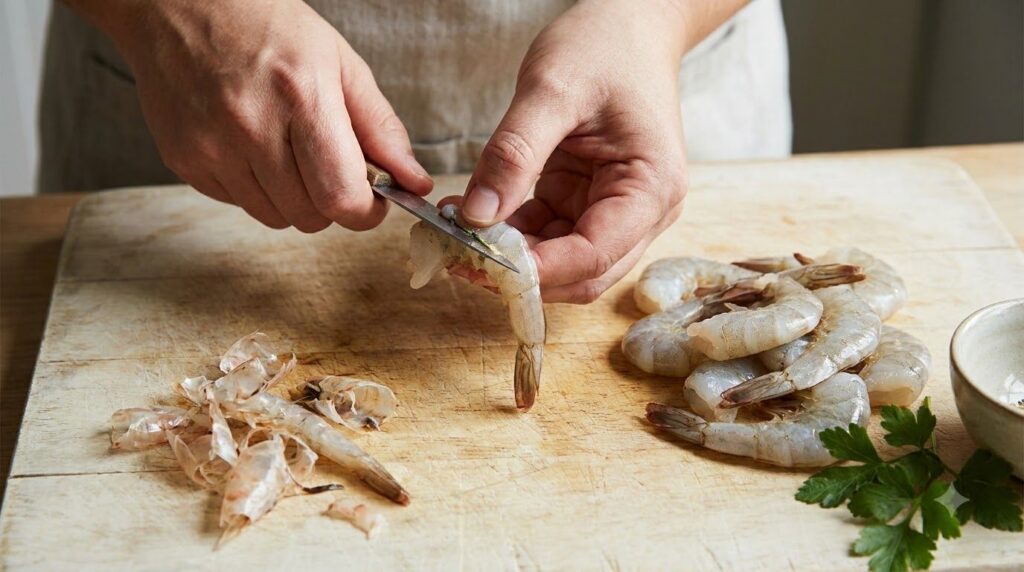
- Peeling: Start by removing the legs, then peel the shell away from the body. You can leave the tail on for presentation, especially for appetizers.
- Deveining: Many shrimp come pre-deveined, but if not, make a shallow cut along the back curve of the shrimp and remove the dark “vein” (which is actually the digestive tract) with the tip of your knife or a toothpick. Rinse under cold water.
How to Make Delicious Shrimp Every Time: Popular Cooking Methods
1. Sautéing / Pan-Frying Shrimp
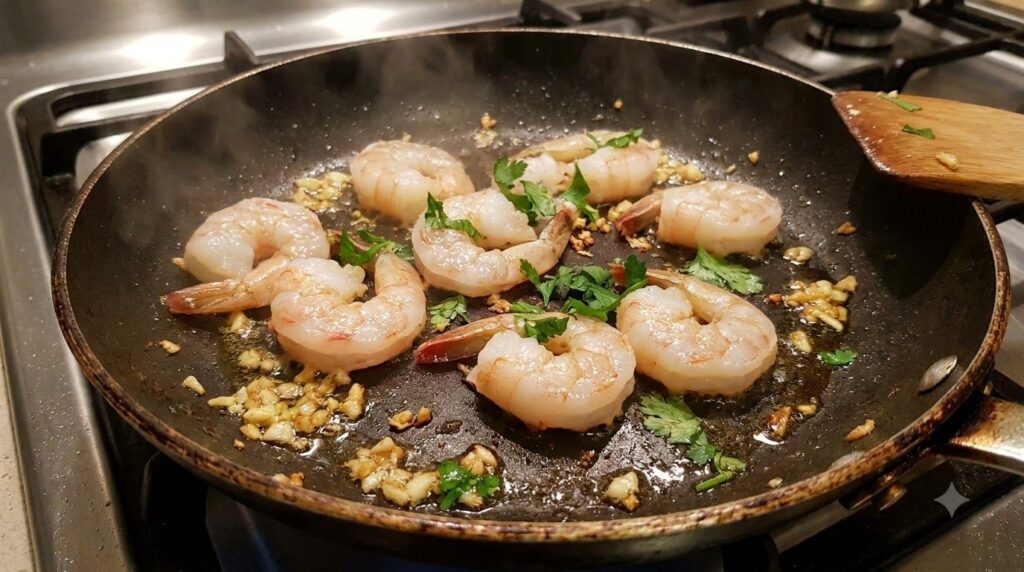
This is arguably the most common and quickest way to cook shrimp, yielding tender, flavorful results.
- Prepare: Pat thawed and peeled shrimp dry with paper towels. Season with salt, pepper, and your desired spices (garlic powder, paprika, red pepper flakes).
- Heat: Heat a large skillet over medium-high heat with olive oil or butter.
- Cook: Add shrimp in a single layer, ensuring not to overcrowd the pan. Cook for 1-2 minutes per side until pink and opaque.
- Finish: For classic shrimp scampi, add minced garlic to the pan, cook for 30 seconds, then deglaze with white wine or broth, and finish with lemon juice and fresh parsley.
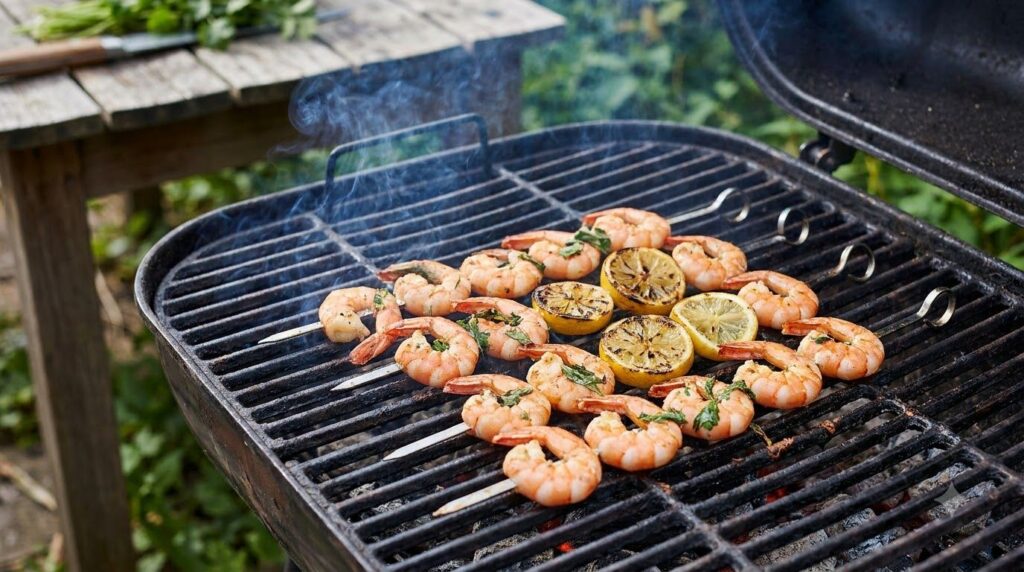
2. Grilling Shrimp
Grilled shrimp offers a smoky flavor and beautiful char marks, perfect for summer meals.
- Marinate: Toss shrimp with olive oil, lemon juice, minced garlic, a pinch of red pepper flakes, salt, and pepper. Let marinate for 15-30 minutes (no longer, as lemon can “cook” the shrimp).
- Skewer: Thread shrimp onto skewers. If using wooden skewers, soak them in water for at least 30 minutes beforehand to prevent burning.
- Grill: Preheat your grill to medium-high heat. Lightly oil the grates. Grill shrimp skewers for 2-3 minutes per side, until pink and lightly charred.
3. Baking Shrimp (Sheet Pan Style)
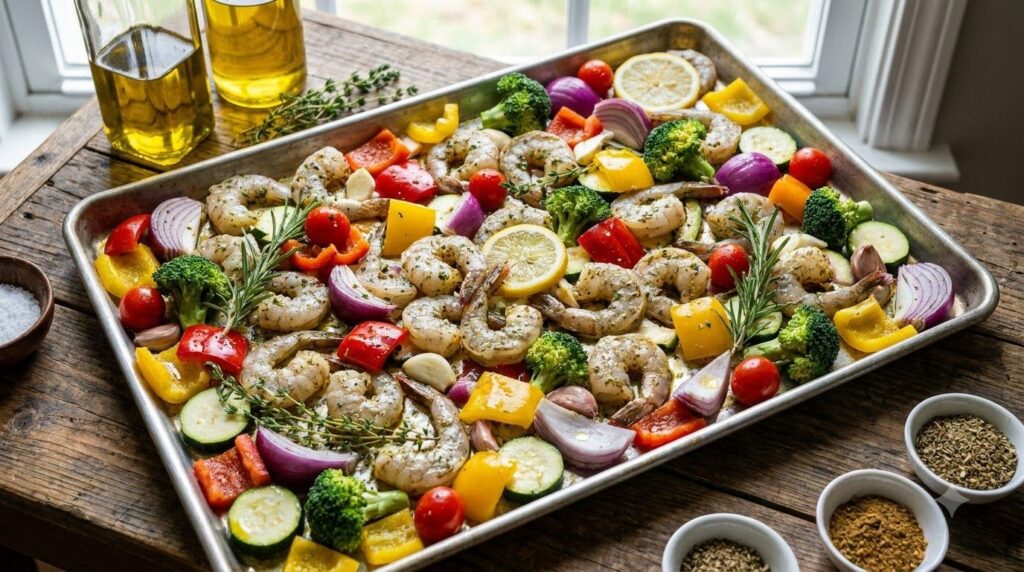
Baking is a hands-off method that works wonderfully for sheet pan meals, cooking shrimp alongside vegetables.
- Preheat & Prep: Preheat oven to 400°F (200°C). Line a large baking sheet with parchment paper.
- Season: Toss shrimp with olive oil, your favorite seasonings (e.g., Old Bay, garlic powder, onion powder, paprika), salt, and pepper.
- Add Veggies (Optional): For a full meal, add quick-cooking vegetables like bell peppers, asparagus, or cherry tomatoes to the sheet pan, tossing them with a little oil and seasoning as well.
- Bake: Spread shrimp (and vegetables) in a single layer on the baking sheet. Bake for 8-12 minutes, or until shrimp are pink and cooked through, tossing halfway.
4. Crispy Fried Shrimp
For a satisfying crunch, fried shrimp is a classic indulgence.
- Breading Station: Set up a dredging station: one bowl with all-purpose flour seasoned with salt, pepper, and paprika; one bowl with beaten eggs or buttermilk; and one bowl with panko breadcrumbs.
- Coat: Dredge each shrimp first in flour, then egg, then breadcrumbs, pressing gently to adhere.
- Fry: Heat about 1 inch (2.5 cm) of vegetable oil in a deep skillet to 350-375°F (175-190°C). Fry shrimp in batches for 2-3 minutes, flipping once, until golden brown and cooked through.
- Drain: Remove with a slotted spoon and drain on a wire rack set over paper towels. Season with salt immediately.
5. Boiling or Steaming Shrimp
Ideal for shrimp cocktails or cold salads, this method is straightforward.
- Boil: Bring a large pot of salted water (or seasoned broth with lemon and Old Bay) to a rolling boil.
- Add Shrimp: Add shrimp and cook for 2-3 minutes, just until they turn pink and opaque.
- Ice Bath: Immediately transfer shrimp to an ice bath to stop the cooking process and maintain a firm texture.
Pro Tips for the Best Shrimp
- Don’t Overcook: This is the golden rule! Overcooked shrimp becomes rubbery and tough. As soon as it turns pink and opaque and curls into a loose “C” shape, it’s done.
- Pat Dry: Always pat raw shrimp dry with paper towels before cooking. This helps achieve a better sear and prevents steaming.
- Don’t Overcrowd the Pan: Cook shrimp in batches if necessary. Overcrowding lowers the pan temperature, leading to steamed, not seared, shrimp.
- Season Generously: Shrimp has a mild flavor, so don’t be shy with salt, pepper, and other seasonings.
- Use Fresh Lemon: A squeeze of fresh lemon juice at the end brightens almost any shrimp dish.
- Quality Matters: Start with good quality, fresh or properly frozen shrimp for the best results.
Common Mistakes to Avoid
- Cooking from Frozen: While possible in some specific recipes, it often leads to uneven cooking and a watery texture. Always thaw first for best results.
- Over-Marinating: Acidic marinades (like those with lemon or lime juice) can start to “cook” the shrimp if left too long, resulting in a mushy texture. Limit acidic marinades to 30 minutes.
- Ignoring the “Vein”: While not harmful, the digestive tract (vein) can be gritty and visually unappealing. Taking the time to devein makes a difference.
- Uneven Sizing: Try to cook shrimp of similar sizes together to ensure they all cook at roughly the same rate.
Variations & Substitutions
- Flavor Boosters: Add a pinch of cayenne pepper for heat, smoked paprika for depth, or a splash of soy sauce for an umami kick.
- Protein Swaps: While this guide focuses on shrimp, many of these methods can be adapted for scallops or even firm white fish.
- Add Vegetables: Easily turn any sautéed or baked shrimp dish into a complete meal by adding quick-cooking vegetables like broccoli florets, snap peas, or zucchini.
- Pasta Pairings: Toss cooked shrimp with your favorite pasta, a light sauce (like pesto, marinara, or a simple olive oil and garlic), and fresh herbs.
- Taco Night: Season shrimp with chili powder and cumin, then sauté and serve in warm tortillas with your favorite toppings for delicious shrimp tacos.
Serving Suggestions
Shrimp is incredibly versatile and pairs well with a variety of sides:
- Rice: White rice, brown rice, or a flavorful rice pilaf.
- Pasta: Linguine, spaghetti, or angel hair pasta, especially with garlic butter or light tomato sauces.
- Crusty Bread: Perfect for soaking up any delicious pan sauces.
- Salads: A simple green salad with a vinaigrette or a vibrant quinoa salad.
- Vegetables: Steamed asparagus, roasted broccoli, or sautéed spinach.
- Cocktail Sauce: For chilled boiled shrimp, a classic spicy cocktail sauce is a must.
Storage & Reheating
- Refrigerator: Cooked shrimp can be stored in an airtight container in the refrigerator for up to 2-3 days.
- Freezer: Cooked shrimp can be frozen for up to 2-3 months. Thaw in the refrigerator overnight before reheating.
- Reheating: To reheat, gently warm shrimp in a skillet over medium-low heat with a tablespoon of water or broth, just until heated through, to prevent it from becoming tough. Avoid high heat or long reheating times. Alternatively, cold shrimp is delicious in salads or wraps.
FAQ
How long does it take to cook shrimp?
Most shrimp dishes cook very quickly, typically 2-5 minutes total, depending on the size of the shrimp and the cooking method. Smaller shrimp will cook faster than larger ones.
How do I know when shrimp is cooked?
Shrimp is cooked when it turns opaque and pink, curling into a loose “C” shape. If it forms a tight “O” shape, it’s likely overcooked and will be rubbery.
Can I use frozen shrimp?
Absolutely! Frozen raw shrimp is often of excellent quality and convenient. Just be sure to thaw it properly before cooking for the best texture.
What size shrimp should I buy?
For most recipes, medium (31/40 count per pound) or large (21/25 count per pound) shrimp work well. Jumbo or colossal shrimp (U/15 or 16/20) are great for grilling or impressive presentations.
How can I prevent rubbery shrimp?
The key to tender shrimp is to avoid overcooking. Watch them carefully and remove them from the heat as soon as they turn pink and opaque. Cooking in small batches can also help prevent them from steaming.
Can I meal prep shrimp dishes?
Yes, cooked shrimp holds up well for meal prep for a few days in the refrigerator. It’s excellent for quick lunches in salads, grain bowls, or wraps.