Cooking becomes much easier and far more enjoyable when you understand not only what ingredients to use, but also why certain sauces, marinades, seasonings, cuts of meat, and cooking methods work better together. This comprehensive guide is designed to empower your culinary journey, bringing together a vast array of major food topics we’ve explored, from chicken dinners and succulent salmon recipes to diverse steak sauces and essential meat storage tips.
Rather than treating them as isolated dishes, this guide delves into the nuances and differences between each style, helping you choose the right recipe for the result you want. Get ready to transform your approach to the kitchen, unlocking flavors and techniques that will impress and delight.
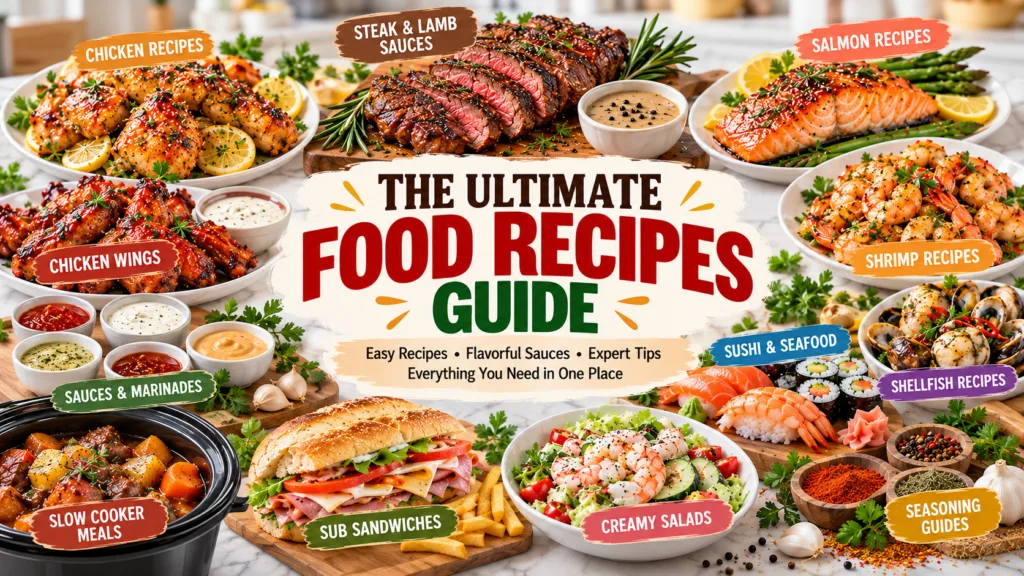 Unlock a world of flavors with this ultimate guide to meats, seafood, sauces, and more.
Why You’ll Love This Guide
- Comprehensive Knowledge: Everything you need to know about cooking various proteins, sauces, and marinades in one convenient place.
- Empower Your Cooking: Move beyond simply following steps to truly understanding the principles behind successful cooking.
- Versatility Unleashed: Discover how one ingredient, like chicken, can transform its character with different flavor profiles.
- Effortless Meal Prep: Many recipes and concepts are ideal for planning and preparing meals ahead of time.
- Demystify Complex Dishes: Gain clear insights into topics like sushi terminology, steak doneness, and shellfish preparation.
- Boost Your Flavor Game: Master the art of pairing sauces, marinades, and seasonings to elevate any dish.
Ingredients (A General Note)
This guide covers a wide array of recipes and culinary topics. Therefore, specific ingredient lists with detailed measurements are provided within each individual recipe section for clarity and ease of use. You’ll find common kitchen staples like olive oil, salt, pepper, garlic, and onions appearing frequently, alongside more specific items like various cuts of meat, seafood, and specialty sauces.
Ingredient Notes
Throughout this guide, the quality of your ingredients plays a significant role in the final dish. When possible, opt for fresh herbs, good quality proteins, and vibrant produce. Using fresh garlic and onions will always deliver a more pungent and robust flavor than powdered versions in most applications. Don’t be afraid to experiment with different brands of sauces and seasonings to find your personal favorites, and always check labels for any dietary restrictions.
Equipment You’ll Need
Having the right tools makes cooking much more efficient and enjoyable. For the recipes and techniques in this guide, consider having:
- Large Skillet or Cast Iron Pan
- Baking Sheets
- Grill or Grill Pan (optional, but highly recommended for certain proteins)
- Cutting Board
- Sharp Knives
- Mixing Bowls
- Whisk
- Meat Thermometer (essential for food safety and perfect doneness)
- Slow Cooker (for specific slow-cooker recipes)
- Air Fryer (optional, great for wings and crispy shrimp)
- Saucepans
- Tongs and Spatulas
How to Master Meat, Chicken, Seafood & More
Chicken Dinner Guide
Chicken is arguably one of the most versatile proteins available, thanks to its relatively mild flavor that acts as a perfect canvas for a wide range of seasonings and sauces. From creamy and rich to bright and zesty, chicken can adapt to almost any culinary style.
Creamy Garlic Chicken
This dish offers a rich, savory, and garlicky experience, perfect for a comforting meal.
- Ingredients:4 boneless, skinless chicken breasts (approx. 600-800 g)
- 4 garlic cloves, minced
- 1 cup (240 ml) coconut milk or heavy cream
- 1½ cups (120 g) sliced mushrooms
- 1 tablespoon (15 ml) olive oil
- 1 tablespoon (14 g) unsalted butter
- ½ teaspoon black pepper
- ½ teaspoon salt
- 1 teaspoon dried Italian herbs
- Fresh parsley, chopped, for garnish
- Instructions:Season the chicken breasts generously with salt and black pepper.
- Heat olive oil in a large skillet over medium-high heat. Add the chicken and sear for approximately 4-5 minutes per side until golden brown and a crust begins to form. Remove the chicken temporarily from the pan and set aside.
- Reduce the heat to medium. Add butter to the same pan and let it melt. Add the minced garlic and sliced mushrooms. Cook for 2-3 minutes, stirring occasionally, until the mushrooms begin to soften.
- Pour in the coconut milk or heavy cream and stir in the Italian herbs. Bring the sauce to a gentle simmer.
- Return the seared chicken breasts to the pan, nestling them into the simmering sauce. Continue to simmer gently for 8-12 minutes, or until the chicken reaches an internal temperature of 165°F (74°C) when measured with a meat thermometer at its thickest part.
- Remove from heat, garnish with fresh chopped parsley, and serve immediately.
- Flavor Profile: Creamy, garlicky, rich, savory.
- Best Served With: Mashed potatoes, rice, pasta, green beans, or roasted vegetables.
Lemon Herb Chicken
A lighter alternative, this chicken preparation relies on acidity and fresh herbs for a brighter, more vibrant flavor.
- Ingredients:4 boneless, skinless chicken breasts (approx. 600-800 g)
- 1 large lemon, juiced (approx. ¼ cup / 60 ml)
- 2 tablespoons (30 ml) olive oil
- 1 teaspoon dried herbs (e.g., oregano, thyme, rosemary)
- 2 garlic cloves, minced
- ½ teaspoon salt
- ½ teaspoon black pepper
- Fresh lemon slices and herbs, for garnish (optional)
- Instructions:In a shallow dish or bowl, whisk together the olive oil, lemon juice, minced garlic, dried herbs, salt, and pepper.
- Add the chicken breasts to the marinade, ensuring they are thoroughly coated. Let marinate for approximately 30 minutes at room temperature, or up to 2 hours in the refrigerator.
- Cook the chicken using your preferred method: sear in a skillet over medium-high heat (4-6 minutes per side), grill (5-7 minutes per side), or bake in a preheated oven at 400°F (205°C) for 20-25 minutes, until fully cooked (165°F / 74°C internal temperature).
- Finish with fresh lemon slices and a sprinkle of fresh herbs if desired.
- What makes it different? While Creamy Garlic Chicken achieves richness through fat and dairy, Lemon Herb Chicken relies on the brightness of acidity and fresh herbs for a lighter, zestier profile.
BBQ Baked Chicken
Sweet, smoky, savory, and delightfully sticky, this dish is a crowd-pleaser.
- Ingredients:4 boneless, skinless chicken thighs (approx. 600-800 g)
- ½ cup (120 ml) BBQ sauce, plus more for brushing
- 2 garlic cloves, minced
- ½ teaspoon onion powder
- ½ teaspoon smoked paprika
- ½ teaspoon salt
- ½ teaspoon black pepper
- Instructions:Preheat your oven to 400°F (205°C). Lightly grease a baking dish or line with parchment paper.
- Season the chicken thighs with salt, black pepper, garlic powder, onion powder, and smoked paprika.
- Brush the chicken generously with about half of the BBQ sauce.
- Bake for 20-25 minutes, or until the chicken is nearly cooked through (internal temperature of 165°F / 74°C).
- During the final 5-10 minutes of baking, brush on another layer of BBQ sauce. If you desire slightly caramelized and crispier edges, you can broil briefly for 1-2 minutes, watching carefully to prevent burning.
- Remove from oven and let rest for a few minutes before serving.
- Flavor Profile: Sweet, smoky, savory, sticky.
Chicken Fajitas
A vibrant, flavorful, and quick-to-cook dish, perfect for a Tex-Mex night.
- Ingredients:1 lb (450 g) boneless, skinless chicken breast, sliced into strips
- 1 red bell pepper, sliced into strips
- 1 green bell pepper, sliced into strips
- 1 yellow bell pepper, sliced into strips
- 1 large onion, sliced into strips
- 2 tablespoons (30 ml) olive oil
- 1 tablespoon paprika
- 1 teaspoon cumin
- 1 teaspoon garlic powder (or 2 cloves minced garlic)
- ½ teaspoon salt
- ½ teaspoon black pepper
- 1 lime, juiced, for finishing
- Warm tortillas, for serving
- Instructions:Slice the chicken breast and all the bell peppers and onion into thin strips.
- Heat olive oil in a large skillet or cast-iron pan over medium-high heat.
- Add the chicken strips to the hot skillet and cook for 3-5 minutes, stirring occasionally, until lightly browned.
- Add the sliced bell peppers and onions to the skillet with the chicken. Season with paprika, cumin, garlic powder, salt, and black pepper.
- Continue to cook for 5-7 minutes, stirring frequently, until the vegetables are tender-crisp – they should still have a slight bite.
- Remove from heat and finish with a squeeze of fresh lime juice. Serve immediately in warm tortillas with your favorite toppings.
Honey Mustard Chicken
A delightful combination of sweet, tangy, and savory flavors that caramelizes beautifully.
- Ingredients:4 boneless, skinless chicken breasts (approx. 600-800 g)
- 3 tablespoons (45 ml) honey
- 3 tablespoons (45 ml) Dijon mustard
- 2 garlic cloves, minced
- 1 tablespoon (15 ml) olive oil
- ½ teaspoon salt
- ½ teaspoon black pepper
- Instructions:In a medium bowl, whisk together the honey, Dijon mustard, minced garlic, olive oil, salt, and black pepper until well combined.
- Pat the chicken breasts dry and coat them thoroughly with the honey mustard mixture.
- You can either bake or pan-sear the chicken:
- Baking: Place chicken in a baking dish and bake in a preheated oven at 400°F (205°C) for 20-25 minutes, or until an internal temperature of 165°F (74°C) is reached.
- Pan-Searing: Heat a large skillet over medium-high heat. Add the chicken and sear for 4-6 minutes per side until golden brown and cooked through.
- Brush with any additional sauce remaining in the bowl before serving for extra glaze and flavor.
- Flavor: Sweet + tangy + savory.
Lemon Pepper Chicken
The defining feature of this dish is the vibrant combination of bright citrus and strong, coarsely ground black pepper, creating a sharper, less herbaceous flavor than Lemon Herb Chicken.
- Ingredients:4 boneless, skinless chicken breasts (approx. 600-800 g)
- 1 tablespoon (15 ml) olive oil
- 1 large lemon, zested and juiced
- 1 tablespoon coarsely ground black pepper
- 2 garlic cloves, minced
- ½ teaspoon salt
- Fresh parsley, chopped, for garnish (optional)
- Instructions:In a bowl, combine olive oil, lemon zest, lemon juice, black pepper, minced garlic, and salt. Mix well.
- Coat the chicken breasts with the lemon pepper mixture.
- Cook the chicken by pan-searing, grilling, or baking until it reaches an internal temperature of 165°F (74°C).
- Serve immediately, garnished with fresh parsley if desired.
Coconut Curry Chicken
Creamy, aromatic, mildly sweet, and warmly spiced, this curry is a comforting and flavorful meal.
- Ingredients:1 lb (450 g) boneless, skinless chicken breast or thighs, cut into 1-inch pieces
- 1 can (13.5 oz / 400 ml) full-fat coconut milk
- 2 tablespoons (30 ml) curry powder
- 1 medium onion, chopped
- 3 garlic cloves, minced
- 1 inch (2.5 cm) fresh ginger, grated
- 1 tablespoon (15 ml) olive oil
- ½ teaspoon salt, or to taste
- Fresh cilantro, chopped, for garnish
- Instructions:Heat olive oil in a large pot or Dutch oven over medium heat. Add the chopped onion and cook for 3-5 minutes until softened.
- Add the minced garlic and grated ginger, cooking for another minute until fragrant.
- Stir in the curry powder and cook for about 30 seconds, stirring constantly, to release its aroma.
- Add the chicken pieces to the pot and cook until lightly browned on all sides, about 5-7 minutes.
- Pour in the coconut milk and add salt. Bring the mixture to a gentle simmer.
- Reduce heat to low, cover, and simmer for 15-20 minutes, or until the chicken is tender and fully cooked through.
- Remove from heat, stir in fresh cilantro, and serve hot, ideally with rice.
- Flavor: Creamy, aromatic, mildly sweet, warmly spiced.
One-Pan Chicken and Vegetables
This is one of the easiest meal-prep options, roasting everything together for minimal cleanup and maximum flavor.
- Ingredients:1 lb (450 g) boneless, skinless chicken breast or thighs, cut into 1-inch pieces
- 1 head broccoli, cut into florets
- 2 bell peppers (any color), sliced
- 1 medium onion, chopped into wedges
- 3 garlic cloves, minced
- 2 tablespoons (30 ml) olive oil
- ½ teaspoon salt
- ½ teaspoon black pepper
- Optional: 1 teaspoon dried Italian herbs or paprika
- Instructions:Preheat your oven to 425°F (220°C). Line a large baking sheet with parchment paper for easy cleanup.
- In a large bowl, combine the chicken pieces, broccoli florets, sliced bell peppers, onion wedges, and minced garlic.
- Drizzle with olive oil and season generously with salt, black pepper, and optional herbs or paprika. Toss everything together until evenly coated.
- Spread the chicken and vegetables in a single layer on the prepared baking sheet.
- Roast for 20-30 minutes, tossing halfway through, until the chicken is cooked through (165°F / 74°C internal temperature) and the vegetables are tender with some caramelized edges.
- Serve hot, directly from the pan.
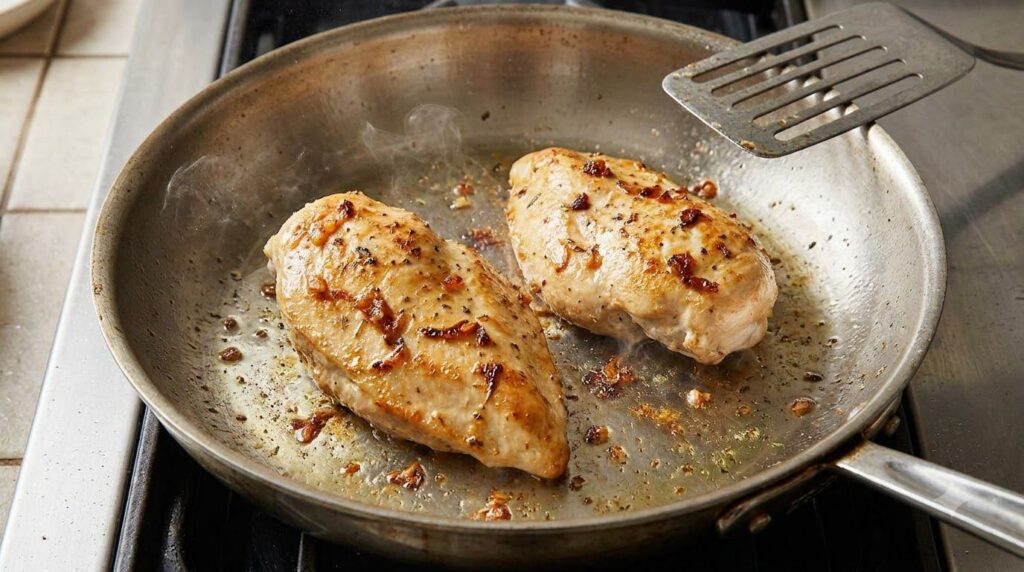 Achieving a golden-brown sear on your chicken adds incredible depth of flavor.
Chicken Marinade Guide
A marinade is a flavorful liquid used to soak food before cooking, primarily to impart flavor and sometimes to tenderize. A good marinade typically contains three core components: a fat, an acid, and seasonings.
- Fat: Carries and distributes fat-soluble flavors throughout the meat.
- Acid: Brightens the flavor and works to break down the surface proteins, leading to a more tender texture.
- Seasonings: Provide the distinct flavor profile of the marinade.
Lemon Herb Chicken Marinade
- Ingredients: ¼ cup (60 ml) olive oil, ¼ cup (60 ml) lemon juice, 2 cloves minced garlic, 1 teaspoon dried oregano, ½ teaspoon dried rosemary, ½ teaspoon salt, ½ teaspoon black pepper.
- Best for: Chicken breasts, chicken thighs, grilled chicken.
- Recommended Marinating Time: 30 minutes to 4 hours. Avoid extremely long marination (over 6-8 hours) in strong citrus, as the acid can begin to “cook” the chicken and create a mushy texture.
BBQ Chicken Marinade
- Ingredients: ½ cup (120 ml) BBQ sauce, 2 tablespoons (30 ml) olive oil, 1 tablespoon (15 ml) apple cider vinegar, 2 cloves minced garlic, ½ teaspoon black pepper.
- Notes: This marinade is sweeter and heavier than lemon-based marinades, making it excellent for grilling as the sugars caramelize beautifully.
Italian Chicken Marinade
- Ingredients: ¼ cup (60 ml) olive oil, 2 tablespoons (30 ml) red wine vinegar, 2 cloves minced garlic, 1 tablespoon dried Italian seasoning, ½ teaspoon dried basil, ½ teaspoon dried oregano, ½ teaspoon black pepper.
- Notes: Herb-forward and ideal for imparting classic Mediterranean flavors, especially good for grilled chicken.
Teriyaki Chicken Marinade
- Ingredients: ¼ cup (60 ml) soy sauce, 2 tablespoons (30 g) brown sugar, 1 teaspoon grated fresh ginger, 2 cloves minced garlic, 1 teaspoon sesame oil. Optional: 1 tablespoon (15 ml) mirin for added depth.
- Notes: Noticeably sweeter and more umami-forward than Mediterranean-style marinades, perfect for a savory-sweet glaze.
Honey Mustard Marinade
- Ingredients: 2 tablespoons (30 ml) Dijon mustard, 2 tablespoons (30 ml) honey, 1 tablespoon (15 ml) olive oil, 1 tablespoon (15 ml) lemon juice, 1 clove minced garlic.
- Notes: Excellent for chicken breasts and thighs, providing a balance of sweet and tangy flavors.
Greek Chicken Marinade
- Ingredients: ¼ cup (60 ml) olive oil, 2 tablespoons (30 ml) lemon juice, 2 cloves minced garlic, 1 teaspoon dried oregano, ½ teaspoon salt, ½ teaspoon black pepper. Optional: 2 tablespoons (30 g) plain Greek yogurt.
- Notes: The optional Greek yogurt can give the chicken an exceptionally soft texture and helps the seasoning adhere to the meat, creating a tender, flavorful crust.
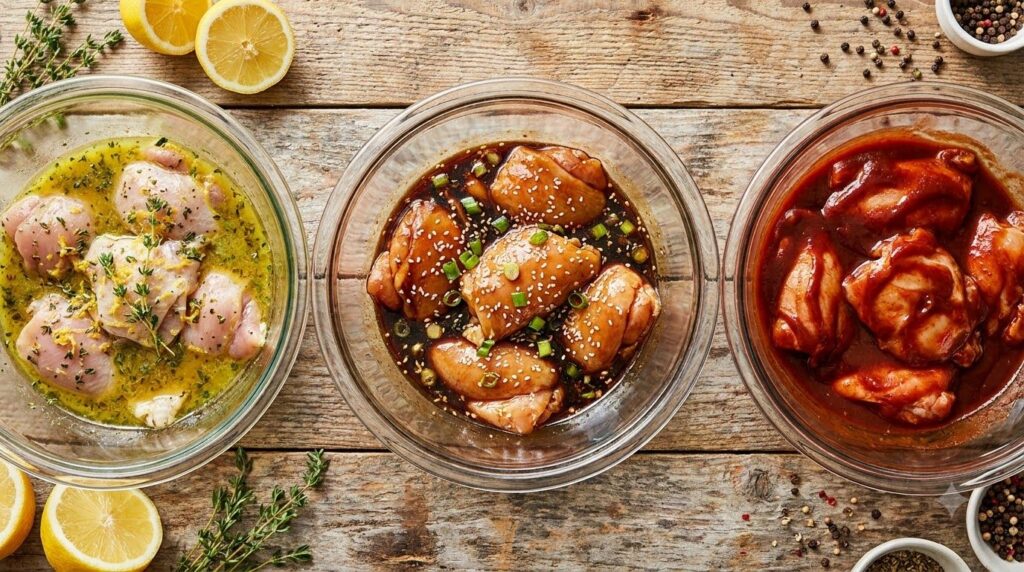 Marinating chicken is key to infusing deep flavor and tenderizing the meat.
Chicken Wings Guide
Chicken wings are a beloved appetizer and main course, offering crispy skin and juicy meat. Their versatility means they can be tossed in a wide range of sauces, from spicy and tangy to sweet and savory.
Buffalo Wings
- Defining Features: Typically defined by a sauce made from hot sauce (like Frank’s RedHot), melted butter, a hint of garlic, and salt. The butter softens the acidity and heat of the hot sauce, creating a balanced, classic flavor.
Honey Garlic Wings
- Sauce: A glossy, sticky glaze made from soy sauce, honey, minced garlic, and sesame oil. Cook until the sauce reduces and coats the wings beautifully.
BBQ Wings
- Sauce: Your favorite BBQ sauce combined with smoked paprika, garlic powder, and salt.
- Preparation: For the best results, bake or air-fry the wings until crisp first, then toss generously with the warmed BBQ sauce.
Lemon Pepper Wings
- Seasoning: A “dry-ish” seasoning blend featuring lemon zest, coarsely ground black pepper, garlic powder, butter (melted and tossed), and salt. These wings are lighter and less sticky than BBQ or Korean varieties, offering a bright and zesty kick.
Korean-Style Wings
- Glaze: A basic Korean-style glaze often includes gochujang (Korean chili paste), soy sauce, honey, sesame oil, and garlic. These wings are generally spicy, sweet, and deeply savory.
Parmesan Garlic Wings
- Sauce/Seasoning: A savory, dry-to-creamy style made by combining grated Parmesan cheese, minced garlic, melted butter, and fresh parsley. This offers a rich, umami-packed flavor profile without a sweet glaze.
Chicken Dipping Sauces
The right dipping sauce can elevate your chicken, whether it’s crispy wings, tender nuggets, or grilled strips.
Honey Mustard
- Ingredients: Equal parts Dijon mustard and yellow mustard, honey, and mayonnaise.
- Flavor: Perfectly sweet and tangy.
Spicy Comeback Sauce
- Ingredients: Mayonnaise, ketchup, chili sauce (like Sriracha), a dash of hot sauce, and smoked paprika.
- Flavor: Creamy, spicy, and slightly smoky.
Garlic Parmesan Sauce
- Ingredients: Mayonnaise, grated Parmesan cheese, minced garlic, a squeeze of lemon juice, and black pepper.
- Flavor: Rich, savory, and wonderfully aromatic.
Smoky BBQ Sauce
- Ingredients: Ketchup, brown sugar, apple cider vinegar, smoked paprika, and minced garlic.
- Flavor: Deeply smoky, sweet, and tangy.
Sweet Chili Sauce
- Ingredients: A simple version combines chili flakes or minced fresh chili, sugar, rice vinegar, and minced garlic.
- Notes: Optional cornstarch slurry can be added to thicken it to your desired consistency.
Creamy Ranch
- Ingredients: Mayonnaise, sour cream, buttermilk, fresh or dried dill, parsley, garlic powder, and onion powder.
- Flavor: Classic cool, herby, and tangy.
Salmon Recipe Guide
Salmon contains more natural fat than many white fish, which means it pairs exceptionally well with a wide range of flavors, including bright acids, fresh herbs, rich butter, savory soy sauce, sweet honey, and creamy sauces. Avoid overcooking to maintain its flaky, moist texture.
Teriyaki Salmon
- Ingredients: 4 salmon fillets (approx. 600-800 g), ½ cup (120 ml) soy sauce, ¼ cup (60 ml) honey, 2 cloves minced garlic, 1 teaspoon grated fresh ginger, 1 teaspoon sesame oil.
- Method:Whisk together the soy sauce, honey, garlic, ginger, and sesame oil to create the teriyaki glaze.
- Place salmon fillets in a baking dish. Brush generously with the teriyaki glaze.
- Bake in a preheated oven at 400°F (205°C) for 12-18 minutes, or until the thickest part of the salmon reaches an internal temperature of approximately 145°F (63°C) if following standard food-safety guidance.
- Brush with additional glaze during the last few minutes of cooking for a beautiful shine.
- Serve with steamed rice and broccoli for a complete meal.
Lemon Garlic Salmon
- Ingredients: 4 salmon fillets, 1 large lemon (sliced and juiced), 3 cloves minced garlic, 2 tablespoons (30 g) unsalted butter or (30 ml) olive oil, 1 tablespoon fresh parsley (chopped), ½ teaspoon salt, ½ teaspoon black pepper.
- Notes: This is one of the lightest and freshest salmon preparations, highlighting the fish’s natural flavor with bright citrus and aromatic garlic.
Creamy Tuscan Salmon
- Ingredients: 4 salmon fillets, 1 cup (240 ml) heavy cream, 5 oz (140 g) fresh spinach, ½ cup (75 g) sun-dried tomatoes (chopped), 3 cloves minced garlic, ¼ cup (25 g) grated Parmesan cheese.
- Method: Sear the salmon fillets in a skillet until golden brown. Remove salmon. In the same pan, prepare the creamy sauce by sautéing garlic, adding sun-dried tomatoes, cream, and spinach until wilted. Stir in Parmesan. Return the seared fish to the pan briefly to coat before serving.
Blackened Salmon with Mango Salsa
- Salmon Seasoning: 1 tablespoon paprika, 1 teaspoon garlic powder, ½ teaspoon cayenne pepper (adjust to taste), ½ teaspoon black pepper, ½ teaspoon salt.
- Mango Salsa: 1 ripe mango (diced), ¼ red onion (finely diced), 1 lime (juiced), 2 tablespoons fresh cilantro (chopped).
- Notes: The bold, spicy blackened salmon creates a strong, delicious contrast with the sweet and tangy mango salsa.
Grilled Salmon
- Seasoning: Keep it simple with 1 tablespoon (15 ml) olive oil, 2 cloves minced garlic, 1 teaspoon smoked paprika, ½ teaspoon salt, and ½ teaspoon black pepper.
- Method: Grill over medium-high heat until the fish flakes easily with a fork, typically 4-6 minutes per side depending on thickness.
Honey Garlic Salmon
- Glaze: Combine 2 tablespoons (30 ml) honey, 2 tablespoons (30 ml) soy sauce, 2 cloves minced garlic, and 1 tablespoon (15 ml) lemon juice.
- Method: Cook the salmon using your preferred method (baking, pan-searing, or grilling), brushing with the glaze during the last few minutes of cooking until it becomes beautifully glossy.
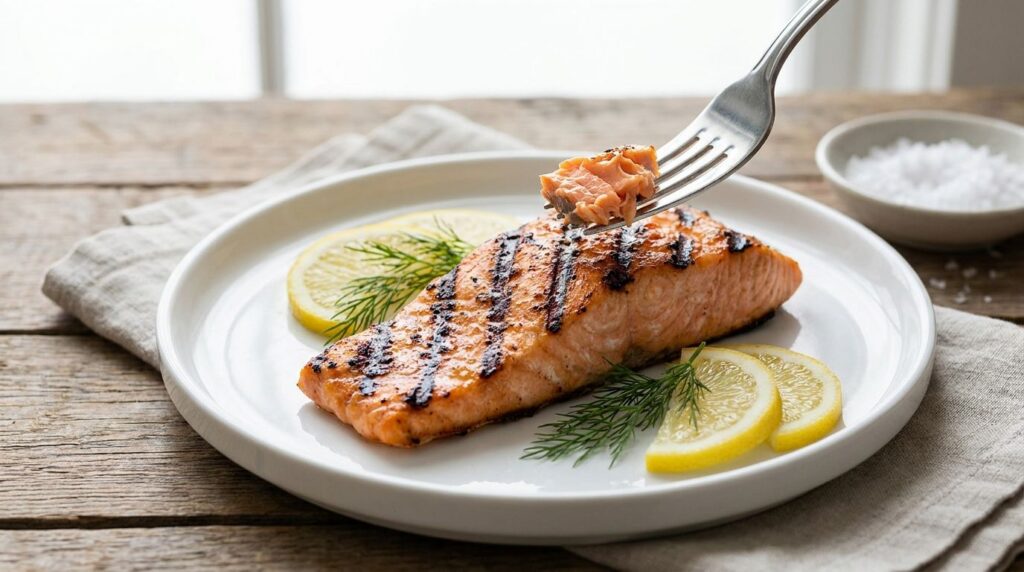 Grilled salmon with a simple lemon and dill garnish is a light and healthy option.
Salmon Sauce Guide
Enhance your salmon with these complementary sauces, designed to bring out its best qualities.
Dill Cream Sauce
- Ingredients: ½ cup (120 g) Greek yogurt or sour cream, 2 tablespoons fresh dill (chopped), 1 tablespoon (15 ml) lemon juice, 1 clove minced garlic, salt to taste.
- Best for: Grilled or baked salmon. Its coolness and tanginess provide a lovely contrast to the rich fish.
Miso Maple Glaze
- Ingredients: 2 tablespoons (30 g) white miso paste, 2 tablespoons (30 ml) maple syrup, 1 tablespoon (15 ml) soy sauce, 1 tablespoon (15 ml) rice vinegar, 1 teaspoon grated fresh ginger.
- Flavor: Sweet, salty, deeply umami-rich, with a fermented depth.
Garlic Butter Herb Sauce
- Ingredients: ¼ cup (56 g) melted butter, 2 cloves minced garlic, 1 tablespoon fresh parsley (chopped), 1 teaspoon fresh thyme (chopped), 1 tablespoon (15 ml) lemon juice.
- Excellent for: Salmon, shrimp, white fish, and scallops. A classic, rich, and aromatic choice.
Balsamic Glaze
- Ingredients: ½ cup (120 ml) balsamic vinegar, 1 tablespoon (15 ml) honey or brown sugar, 1 sprig fresh rosemary.
- Method: Reduce the ingredients in a small saucepan over medium-low heat until thick and glossy.
Shrimp Recipe Guide
Shrimp cooks incredibly quickly, and the most common mistake is overcooking it, which leads to a rubbery texture. Cook shrimp only until the flesh becomes opaque and firm but still juicy – typically 2-3 minutes per side, depending on size.
Coconut Shrimp
- Coating: Dredge shrimp first in flour, then beaten egg, and finally a mixture of shredded coconut and breadcrumbs.
- Cooking: Bake, air-fry, or shallow-fry until golden brown and crispy.
- Serve with: Sweet chili sauce for a perfect sweet and savory bite.
Parmesan Shrimp
- Ingredients: 1 lb (450 g) peeled and deveined shrimp, ¼ cup (25 g) grated Parmesan cheese, 3 cloves minced garlic, 2 tablespoons (28 g) melted butter, 1 tablespoon (15 ml) lemon juice, 1 tablespoon fresh parsley (chopped), ½ teaspoon black pepper.
- Method: Combine all ingredients with shrimp and either bake in a 400°F (205°C) oven for 8-10 minutes or sauté briefly in a skillet over medium-high heat for 3-5 minutes, until shrimp is opaque.
Shrimp Scampi
- Classic Ingredients: Shrimp, butter, olive oil, minced garlic, lemon juice, fresh parsley, and a pinch of red pepper flakes.
- Optional: Traditional versions often include a splash of white wine.
- Serve with: Pasta or crusty bread to soak up the delicious sauce.
Garlic Butter Shrimp
- Ingredients: 1 lb (450 g) peeled and deveined shrimp, 2 tablespoons (28 g) butter, 3 cloves minced garlic, 1 teaspoon paprika, 1 tablespoon (15 ml) lemon juice, 1 tablespoon fresh parsley (chopped).
- Method: Sauté the shrimp quickly in butter, garlic, and seasonings until they just turn opaque and pink – typically 2-3 minutes. Finish with lemon and parsley.
Popcorn Shrimp
- Preparation: Use smaller shrimp. Coat with flour, then egg, then breadcrumbs.
- Cooking: Fry in oil or air-fry until extra crispy.
- Serve with: Ranch, spicy comeback sauce, or sweet chili sauce.
Honey Garlic Shrimp
- Glaze: Combine 2 tablespoons (30 ml) honey, 2 tablespoons (30 ml) soy sauce, 2 cloves minced garlic, 1 teaspoon grated fresh ginger, and a sprinkle of sesame seeds.
- Method: Cook the shrimp quickly until opaque, then add the glaze and reduce briefly until it becomes sticky and coats the shrimp.
Sushi and Seafood Guide
Navigating the world of sushi and seafood can seem complex, but understanding the key types and distinctions will enhance your enjoyment.
Understanding Sushi & Sashimi Types
- Salmon (Sake): Buttery and rich, often served as nigiri (sliced salmon over seasoned sushi rice).
- Tuna (Maguro): Lean tuna has a cleaner, firmer texture than salmon.
- Yellowtail (Hamachi): Richer than lean tuna but usually more delicate than salmon, prized for its subtle flavor.
- Mackerel (Saba): Has a stronger flavor and higher oil content. Frequently cured before being used for sushi.
- Sea Bream (Tai): Delicate, mild, and slightly sweet.
- Eel (Unagi): Unlike most sashimi-style seafood, eel is normally cooked, often with a sweet, savory glaze.
- Shrimp (Ebi): Shrimp nigiri is typically cooked rather than served raw.
- Scallop (Hotate): Soft, sweet, and delicate with a clean ocean flavor.
- Squid (Ika): Has a mild taste and a noticeably firmer, chewy texture.
Sushi vs. Sashimi: The Key Difference
These terms are commonly confused, but they refer to distinct preparations:
- Sushi: Primarily refers to seasoned vinegared rice. It may contain raw seafood, cooked seafood, vegetables, or egg. The defining ingredient is the rice.
- Sashimi: Consists of thinly sliced seafood or meat served without sushi rice.
Therefore, not all sushi is raw, and sashimi is not sushi rice.
Tuna Varieties Explained
- Skipjack: Usually stronger in flavor and commonly used for canned tuna.
- Albacore: Light-colored flesh with a mild taste.
- Yellowfin: Firm texture with a clean flavor. Popular for searing and sashimi.
- Bigeye: Has a higher fat content than yellowfin, often used in sushi.
- Bluefin: Highly prized because of its rich fat distribution. Different sections of the fish can vary dramatically in richness and marbling.
Snail & Shellfish Guide
Shellfish offers a diverse range of textures and flavors. Proper cleaning and thorough cooking are essential for safety and enjoyment.
Apple Snail: Lemongrass Steamed Snails
- Preparation: Steam cleaned snails with aromatic ingredients like sliced lemongrass, fresh ginger, chili, and lime leaves.
- Serve with: A vibrant ginger-lime dipping sauce for a refreshing contrast.
Sea Snails: Garlic Butter Sea Snails
- Preparation: Cook sea snails with generous amounts of butter, minced garlic, fresh parsley, and a pinch of chili flakes for a rich, aromatic, and savory dish.
Babylon Snails: Tamarind Stir-Fried Snails
- Sauce: Combine tangy tamarind paste, sugar, savory fish sauce, minced garlic, and fresh chili.
- Result: A dynamic flavor profile that is sweet, sour, salty, and spicy.
Periwinkles: Coconut Stir-Fried Periwinkles
- Preparation: Cook periwinkles with creamy coconut milk, fragrant lemongrass, chili, and garlic. The coconut sauce softens the briny flavor of the shellfish.
Blood Cockles
- Serving: Excellent grilled and served with a flavorful scallion oil, fresh chili, and crushed peanuts.
- Important Note: Always cook shellfish thoroughly and source it from reputable suppliers to ensure food safety.
Scallops: Garlic Butter Scallops
- Method: Sear scallops in a very hot pan with a little oil until a beautiful crust forms. Add butter, garlic, lemon juice, and fresh parsley to the pan.
- Tip: Avoid overcrowding the pan; sear in batches if necessary to ensure a good sear rather than steaming.
Razor Clams
- Preparation: Excellent stir-fried with minced garlic, fresh chili, and scallions.
- Note: They cook very quickly, so be careful not to overcook.
Clams: Lemongrass Steamed Clams
- Preparation: Steam clams with aromatics like sliced lemongrass, fresh ginger, and chili until the shells open.
- Food Safety: Remove from heat once the shells open. Discard any shellfish that remain closed after proper cooking.
Mussels
- Cooking: Cook mussels in garlic butter or a flavorful broth containing garlic, onion, herbs, and lemon until the shells open.
Steak Guide: Understanding Cuts and Doneness
Understanding steak involves three key characteristics: tenderness, marbling, and beef flavor. These elements dictate how you cook and enjoy each cut.
- Tenderness: How easy the muscle fibers are to chew.
- Marbling: Intramuscular fat that melts during cooking, contributing flavor and juiciness.
- Beef Flavor: Some leaner or harder-working muscles have a more intense beef flavor.
Steak Tenderness: From Tender to Firm
A simplified order of tenderness (though preparation significantly impacts the final result):
- Tenderloin: Exceptionally tender, mild flavor.
- Ribeye: Very tender with excellent marbling and rich flavor.
- Striploin (New York Strip): Tender with good beefy flavor.
- Sirloin: Good balance of tenderness and flavor.
- Flank Steak: Leaner, flavorful, best sliced against the grain.
- Skirt Steak: Similar to flank, very flavorful, great for fajitas.
- Brisket: Tough when quickly grilled, but exceptionally tender after slow cooking or braising.
- Chuck: Best for slow cooking, stewing, or grinding.
For example, brisket is tough when quickly grilled but becomes exceptionally tender and flavorful after slow cooking.
Steak Doneness Guide
Achieving your preferred steak doneness is key to a perfect meal. Approximate culinary target ranges often include:
- Rare: Cool red center.
- Medium-Rare: Warm red center.
- Medium: Pink center.
- Medium-Well: Only a slight amount of pink.
- Well Done: Fully cooked center, no pink.
For food-safety guidance, whole cuts of beef are generally recommended to reach at least 145°F (63°C) internal temperature, followed by a rest period of at least 3 minutes. Always use a meat thermometer for accuracy.
Steak Sauce Guide
The right sauce can significantly enhance your steak, whether you want to emphasize its richness or add a contrasting fresh element.
Béarnaise Sauce
- Description: A classic French sauce made from a butter-and-egg emulsion, flavored with herbs such as tarragon and shallots.
- Flavor: Rich, buttery, tangy, and subtly herbal.
- Excellent with: Tenderloin or ribeye, where its richness complements the steak without overpowering it.
Classic Peppercorn Sauce
- Typical Ingredients: Crushed black peppercorns, heavy cream, rich beef stock, and a touch of butter.
- Optional: Cognac or brandy is used in some traditional versions for added depth.
- Flavor: Creamy, bold, and intensely peppery.
Red Wine Reduction
- Ingredients: Dry red wine, beef stock, shallots, fresh thyme, and a finishing knob of butter.
- Method: Reduce the liquids until concentrated and syrupy.
- Pairs particularly well with: Steaks that have a strong, robust beef flavor, like sirloin or ribeye.
Chimichurri
- Ingredients: Fresh parsley, minced garlic, olive oil, red wine vinegar, chili flakes, and dried oregano.
- Flavor: Dramatically different from creamy sauces – fresh, acidic, herbal, and bright. It cuts through the richness of steak beautifully.
Garlic Herb Butter
- Preparation: Mix softened unsalted butter with minced garlic, fresh parsley, rosemary, thyme, and salt.
- Serving: Place a small dollop on a hot steak immediately before serving, allowing it to melt into the meat and infuse with fresh herb aromas.
Lamb Chop Sauce Guide
Lamb’s distinct flavor pairs wonderfully with a variety of sauces, often benefiting from acidic or herbaceous complements to balance its richness.
Classic Mint Sauce
- Ingredients: Finely chopped fresh mint, white vinegar, a little sugar, and a pinch of salt.
- Flavor: Bright, tangy, and refreshing. The acidity beautifully balances the richness of lamb.
Rosemary Red Wine Reduction
- Ingredients: Dry red wine, beef or lamb stock, fresh rosemary sprigs, minced garlic. Finish with a knob of butter.
- Method: Reduce the liquids and aromatics until a concentrated, flavorful sauce forms.
Garlic Herb Butter
- Notes: Just as excellent for grilled lamb as it is for steak. It melts over the hot meat, creating a luxurious and aromatic coating.
Tzatziki
- Ingredients: Creamy Greek yogurt, grated cucumber, fresh dill, minced garlic, and a squeeze of lemon juice.
- Flavor: A much lighter and cooler sauce than butter or wine reductions, providing a refreshing counterpoint to rich lamb.
Chimichurri
- Notes: The vibrant, fresh, and acidic profile of chimichurri (parsley, garlic, olive oil, vinegar, oregano, chili) works just as well with lamb as it does with beef, cutting through the richness.
Beef Marinade Ideas
Marinating beef can tenderize tougher cuts and infuse rich flavors before cooking.
Garlic Herb Marinade
- Ingredients: Olive oil (or melted butter), minced garlic, fresh parsley, rosemary, black pepper.
Chimichurri Marinade
- Ingredients: Fresh parsley, minced garlic, red wine vinegar, olive oil, dried oregano, chili flakes.
Korean Bulgogi Style Marinade
- Ingredients: Soy sauce, brown sugar, sesame oil, minced garlic, grated fresh ginger, rice vinegar. Optional gochujang for heat.
Balsamic Rosemary Marinade
- Ingredients: Balsamic vinegar, olive oil, minced garlic, fresh rosemary (chopped), Dijon mustard, honey.
Cajun Style Marinade
- Ingredients: Olive oil, minced garlic, Cajun seasoning, smoked paprika, cayenne pepper (to taste), lemon juice.
Pork Marinade Styles
Pork adapts well to a variety of marinades, from savory and tangy to sweet and aromatic.
Filipino Adobo-Inspired Marinade
- Typical Flavor Ingredients: Soy sauce, vinegar, minced garlic, black pepper, bay leaves.
Huli Huli-Inspired Marinade
- Flavor Profile: Sweet and savory, with ingredients like soy sauce, pineapple juice, brown sugar, grated fresh ginger, and minced garlic.
Mojo-Inspired Marinade
- Flavor Profile: A bright citrus marinade, typically featuring sour orange juice (or a mix of orange and lime), minced garlic, dried oregano, olive oil, and ground cumin.
Char Siu-Inspired Marinade
- Flavor Profile: Sweet, savory, and aromatic, often made with hoisin sauce, honey, soy sauce, Chinese five-spice powder, and minced garlic.
Pig Breeds and Ham Styles: The Difference
It’s important to differentiate between pig breeds and cured ham styles, as these terms are not interchangeable.
- Iberian: Refers to a specific pig breed, known for its pronounced intramuscular fat and association with premium Spanish cured ham (e.g., Jamón Ibérico).
- Iberian × Duroc: A crossbreed that balances the desirable marbling of Iberian pigs with the commercial production characteristics of Duroc.
- Duroc: A pig breed known for its redder pork and good marbling.
- Mangalica: A Hungarian pig breed known for its extremely high fat content and rich meat.
- Serrano: This is an important distinction: Serrano describes a style of Spanish cured ham, specifically “mountain ham,” rather than one specific pig breed. This illustrates why “breed” and “ham type” should be treated separately when discussing food.
Stir-Fry Sauce Guide
A good stir-fry sauce is the heart of a successful stir-fry, bringing together all the ingredients with cohesive flavor.
Classic Stir-Fry Sauce
- Ingredients: Soy sauce, rice vinegar, sesame oil, brown sugar, minced garlic, grated fresh ginger.
- Notes: An optional cornstarch slurry (cornstarch mixed with a little water) can be added at the end to create a glossy, thickened coating.
Honey Garlic Sauce
- Ingredients: Soy sauce, honey, rice vinegar, minced garlic, grated fresh ginger, sesame oil.
- Excellent for: Chicken, shrimp, tofu, and a wide variety of vegetables.
Spicy Szechuan-Style Sauce
- Ingredients: Soy sauce, rice vinegar, chili garlic sauce (or fresh chili), sesame oil, minced garlic, and Szechuan peppercorns.
- Notes: Szechuan peppercorns produce a distinctive citrusy, tingling, and slightly numbing sensation that is characteristic of the cuisine.
Orange Ginger Sauce
- Ingredients: Orange juice, soy sauce, grated fresh ginger, minced garlic, brown sugar, rice vinegar.
- Notes: Optional cornstarch can be used to thicken the sauce to your desired consistency.
Creamy Peanut Sauce
- Ingredients: Creamy peanut butter, soy sauce, lime juice, honey, minced garlic, and a touch of chili paste (like Sriracha).
- Method: Add warm water gradually to adjust to your desired pouring consistency.
Teriyaki Sauce
- Ingredients: Soy sauce, mirin (sweet rice wine), sugar, grated fresh ginger, and minced garlic.
- Method: Simmer gently until the sauce slightly thickens and becomes glossy.
Asian Sauce Guide
Beyond stir-fries, Asian cuisine offers a vast array of versatile sauces for dipping, glazing, and cooking.
Hoisin-Style Sauce
- Flavor Profile: Sweet and savory, with notes of fermented soybeans, garlic, and chili.
- Useful for: Stir-fries, dipping (especially for spring rolls or roasted meats), and glazing meats like ribs or pork.
Yakisoba Sauce
- Description: Typically a complex blend of multiple savory and sweet condiments (like Worcestershire, soy sauce, oyster sauce, sugar) to create a tangy, umami-heavy sauce specifically for Japanese fried noodles (yakisoba).
Teriyaki
- Description: A sweet soy-based glaze, popular for grilling and broiling, known for its shiny, caramelized finish.
Spicy Honey Mustard
- Ingredients: A blend of mustard (Dijon and/or yellow), honey, mayonnaise, and chili sauce.
- Flavor Profile: Combines sweet, tangy, and spicy notes for a dynamic sauce.
Peanut Sauce
- Flavor Profile: Nutty, creamy, savory, and often slightly sweet. Versatile as a dipping sauce, dressing, or marinade.
Dumpling Dipping Sauces
The perfect dipping sauce elevates the experience of delicious dumplings.
Classic Soy-Ginger
- Ingredients: Soy sauce, rice vinegar, grated fresh ginger, and a dash of sesame oil.
Chili Crisp
- Ingredients: Soy sauce, rice vinegar, and a generous spoonful of chili crisp (a crispy, savory, spicy oil condiment).
Creamy Spicy Mayo
- Ingredients: Mayonnaise, Sriracha (or other hot sauce), and a squeeze of fresh lime juice.
Sweet Chili Garlic
- Ingredients: Store-bought sweet chili sauce enhanced with minced garlic and a splash of rice vinegar.
Sesame Peanut
- Ingredients: Peanut butter, soy sauce, and sesame oil, thinned with a little warm water to dipping consistency.
Honey Garlic Soy
- Ingredients: Soy sauce, honey, minced garlic, and grated fresh ginger.
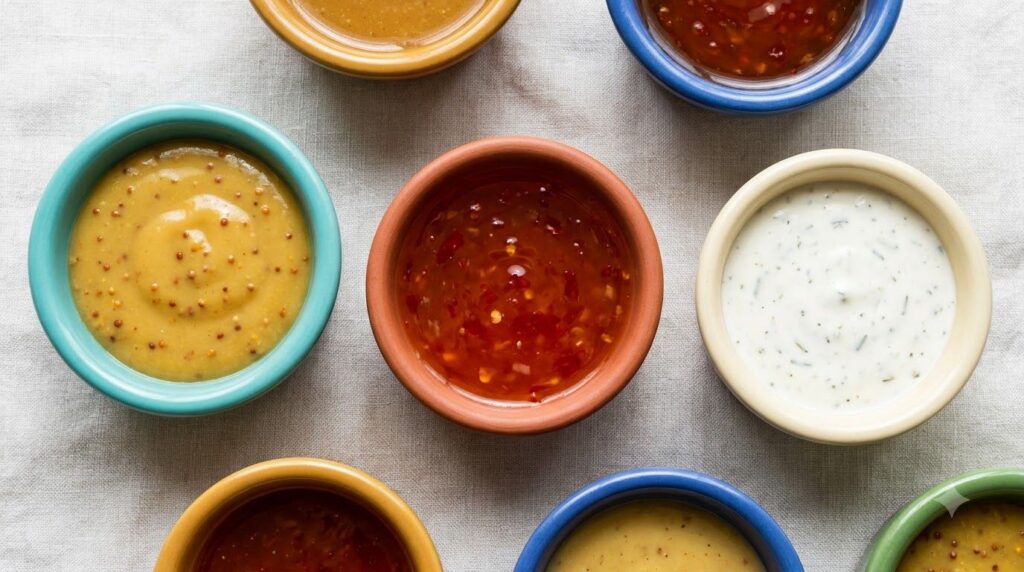 A variety of dipping sauces can elevate any appetizer or main course.
Homemade Seasoning Guide
Crafting your own seasoning blends allows you to control the flavor profile and avoid unwanted additives. These blends are perfect for everyday cooking.
Chili Powder Blend
- Common Ingredients: Ground chili powder (often ancho or New Mexico), cumin, garlic powder, onion powder, and sometimes oregano.
Creole Seasoning
- Often Includes: Paprika, garlic powder, onion powder, dried oregano, dried thyme, cayenne pepper, and black pepper. It’s a flavorful, savory, and mildly spicy blend.
Blackening Seasoning
- Notes: More aggressively spiced than standard Creole seasoning, designed to create a dark, flavorful crust on food (especially fish or chicken) when cooked at high heat.
- Usually Includes: Smoked paprika, higher amounts of cayenne, garlic powder, onion powder, black pepper, and other herbs.
Curry Powder
- Notes: A Western-style curry blend is a pre-mixed spice blend. There is no single universal curry powder formula, but common ingredients include coriander, cumin, turmeric, fenugreek, ginger, mustard seed, and cardamom.
Cajun Seasoning
- Notes: Typically hotter and more pepper-forward than Creole seasoning.
- Common Ingredients: Paprika, cayenne pepper, garlic powder, onion powder, dried oregano, and black pepper.
Taco Seasoning
- Common Ingredients: Chili powder, cumin, paprika, garlic powder, onion powder, and dried oregano. Often includes a touch of sugar and salt.
Chinese Five-Spice
- Common Version Includes: Star anise, cloves, Chinese cinnamon, fennel seeds, and Szechuan peppercorns.
- Flavor Profile: Delivers a unique combination of sweet, warm, aromatic, and slightly numbing flavors, making it excellent for pork, duck, and braised dishes.
Slow Cooker Dinner Guide
Slow cooking is ideal for ingredients that benefit from long, moist cooking, resulting in tender meats and deeply flavorful dishes with minimal effort.
Chicken Tortilla Soup (Slow Cooker)
- Combine: Chicken breasts or thighs, diced tomatoes, corn, black beans, chicken broth, and chili seasoning.
- Method: Cook on low for 6-8 hours or high for 3-4 hours until the chicken is tender. Shred the chicken before serving.
- Serve with: Tortilla strips, avocado, cheese, and a dollop of sour cream.
Beef Stew (Slow Cooker)
- Ingredients: Beef chuck, chopped potatoes, carrots, onion, rich beef stock, a spoonful of tomato paste, and a blend of herbs (like thyme and bay leaf).
- Method: Cook slowly until the collagen in the beef breaks down, turning the meat exceptionally tender.
Grape Jelly Meatballs (Slow Cooker)
- Description: A popular, easy party-style slow cooker recipe.
- Sauce: Often built from grape jelly and BBQ sauce.
- Method: Combine frozen or homemade meatballs with the sauce ingredients and cook until hot and glazed.
Ranch Pork Chops (Slow Cooker)
- Ingredients: Pork chops, diced potatoes, a packet of ranch seasoning mix, and chicken or vegetable broth.
- Method: Cook until the pork chops and potatoes are incredibly tender and flavorful.
Crockpot Chili
- Ingredients: Ground beef (browned and drained), canned beans, diced tomatoes, chopped onion, chili powder, cumin, and garlic.
- Method: Simmer for several hours on low for a rich, hearty chili.
Chicken and Dumplings (Slow Cooker)
- Preparation: Slow cook chicken with broth, carrots, celery, and onion until tender.
- Dumplings: Add prepared biscuit dough or homemade dumplings toward the final stage of cooking, allowing them to steam and puff up in the flavorful broth.
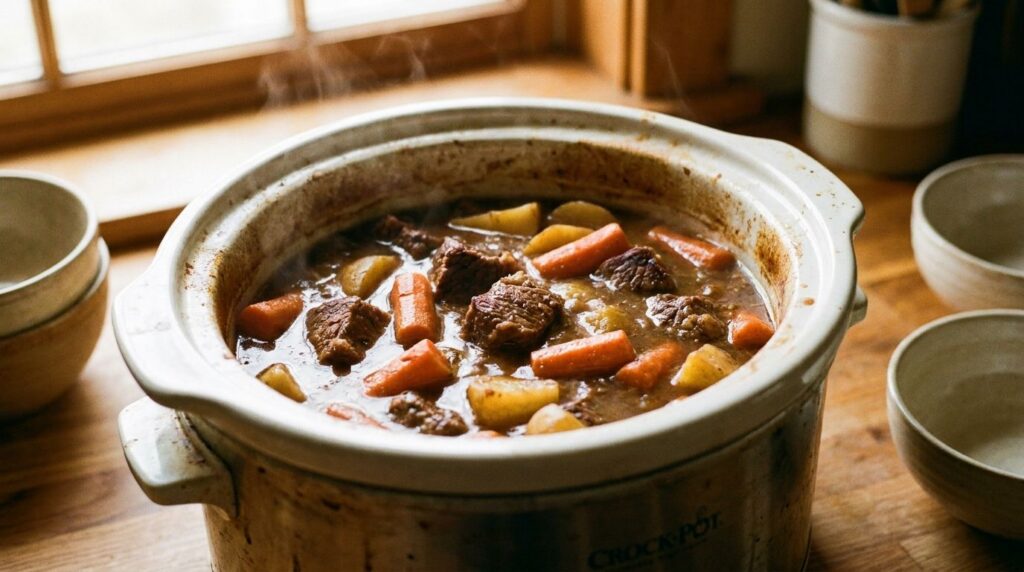 Slow cookers transform tough cuts into incredibly tender and flavorful stews.
Slow Cooker Soup Guide
The slow cooker is perfect for developing deep flavors in soups with minimal oversight.
Chicken Gnocchi Soup (Slow Cooker)
- Description: A creamy broth base with tender chicken, soft gnocchi, carrots, and fresh spinach.
Lasagna Soup (Slow Cooker)
- Concept: Captures many lasagna flavors without the need to assemble actual layers.
- Ingredients: Ground beef, rich tomato broth, lasagna pasta pieces, Italian herbs, and a dollop of cheese (ricotta or mozzarella) for serving.
Cheesy Ham and Potato Soup (Slow Cooker)
- Ingredients: Diced ham, potatoes, chicken or vegetable broth, cheddar cheese, and a little onion.
Vegetable Soup (Slow Cooker)
- Preparation: Combine a variety of seasonal vegetables (carrots, celery, corn, peas, green beans) with diced tomatoes and vegetable broth.
- Method: Cook until the vegetables are tender but not completely broken down, maintaining some texture.
Sub Sandwich Guide
Sub sandwiches are versatile and satisfying, offering endless combinations of meats, cheeses, and fresh toppings.
Italian Sub
- Layers: Sliced ham, salami, pepperoni, provolone cheese, crisp lettuce, juicy tomato, thin slices of red onion.
- Dressing: Drizzled with a classic Italian dressing.
Philly Cheesesteak
- Core Ingredients: Thinly sliced beef (ribeye or sirloin), caramelized onions, and melted cheese (often Cheez Whiz, provolone, or American) served on a crusty hoagie roll.
- Optional: Bell peppers may be added depending on preference.
Meatball Sub
- Filling: Hearty meatballs simmered in marinara sauce, topped with melted mozzarella or provolone cheese, all served in a toasted roll.
Turkey Bacon Ranch Sub
- Layers: Sliced turkey breast, crispy bacon, cheese (cheddar or provolone), fresh lettuce, tomato slices.
- Dressing: Creamy ranch dressing.
Chicken Bacon & Cheese Sub
- Combine: Grilled or deli-sliced chicken, crispy bacon, sharp cheddar cheese, lettuce.
- Dressing: Often paired with a smoky chipotle mayo.
Ham & Cheese Sub
- Simple Combination: Sliced ham, Swiss or provolone cheese, crisp lettuce, fresh tomato.
- Condiments: Typically dressed with mayonnaise and/or mustard.
Creamy Salad Guide
Creamy salads are wonderful for meal prep, picnics, or a light lunch, combining proteins or vegetables with rich, flavorful dressings.
Shrimp Salad
- Combine: Cooked and chopped shrimp, crisp celery, diced bell pepper, fresh dill.
- Dressing: A light, creamy mayonnaise-based dressing.
Crab Salad
- Combine: Cooked crab meat (fresh or imitation), crisp celery, finely diced onion, a squeeze of lemon juice.
- Dressing: A creamy mayonnaise-based dressing.
Chicken Salad
- Combine: Cooked and shredded or diced chicken, crisp celery, sweet grapes, sliced almonds.
- Dressing: A light mayonnaise-based dressing, often seasoned with a hint of Dijon mustard.
Tuna Salad
- Combine: Canned tuna (drained), crisp celery, finely diced onion, chopped pickles or relish, and mayonnaise.
- Flavor: Often brightened with a squeeze of lemon juice.
Egg Salad
- Combine: Chopped hard-boiled eggs, mayonnaise, a touch of Dijon mustard, crisp celery, finely diced onion.
- Seasoning: Black pepper and a sprinkle of paprika for color and flavor.
Egg Cooking Guide
Eggs are a fundamental ingredient, and mastering their cooking ensures perfect results for various dishes.
- Soft-Boiled: The egg white is set while the yolk remains wonderfully runny and golden.
- Medium-Boiled: The yolk becomes jammy and partially set, while still having some creaminess.
- Hard-Boiled: Both the yolk and white are fully set and firm.
Food Safety Note: Raw or undercooked eggs carry a greater pathogen risk than fully cooked eggs, particularly for higher-risk individuals (e.g., pregnant women, young children, the elderly, or those with compromised immune systems). Ensure eggs are cooked to your desired doneness safely.
Meat Storage Guide
Correct storage is as important as correct cooking for food safety and maintaining quality.
Cooked Meat
Most cooked meat dishes are best refrigerated promptly within two hours of cooking and generally used within roughly 3-4 days. Store in shallow, airtight containers to cool quickly and prevent bacterial growth.
Freezer
Freezing can keep food safe much longer, but its quality gradually declines over time. The exact recommended quality window depends on the type and preparation of meat (e.g., ground meat usually 3-4 months, roasts 4-12 months). Always use airtight, freezer-safe packaging (like freezer bags or vacuum-sealed bags) to reduce freezer burn, which can affect texture and flavor.
Important Difference: “Safe” vs. “Best Quality”
This distinction is crucial when creating freezer-storage guides. Frozen foods kept continuously frozen at 0°F (-18°C) or below can remain safe indefinitely from a microbiological standpoint. However, recommended freezer timelines often describe the period during which food maintains its best quality (texture, flavor, moisture), not an instant safety deadline.
Meat Cooking Temperature Guide
Using a food thermometer is the most reliable way to ensure meat is cooked safely and to your desired doneness.
- Poultry (Chicken, Turkey): 165°F (74°C)
- Ground Meats (Beef, Pork, Lamb): 160°F (71°C)
- Whole Cuts of Beef, Pork, Lamb, Veal: 145°F (63°C) followed by a 3-minute rest period.
- Fish: 145°F (63°C) or until the flesh is opaque and flakes easily.
Always measure the thickest part of the meat, avoiding bone, to get an accurate reading.
Premium Spice Pairings for Different Meats
Choosing the right spices can dramatically enhance the natural flavors of different proteins.
- Beef: Pairs well with robust herbs and spices such as rosemary, black pepper, garlic, thyme, and paprika.
- Lamb: Excellent with fresh and strong herbs like mint, rosemary, garlic, and oregano.
- Chicken: Highly versatile, pairing with almost everything, especially thyme, basil, tarragon, paprika, and garlic.
- Turkey: Excellent with autumnal and savory herbs like sage, parsley, thyme, and mustard.
- Fish: Best with lighter, brighter aromatics such as dill, parsley, lemon zest, and tarragon.
Choosing the Right Sauce, Marinade, or Seasoning
A useful way to think about the recipes in this guide is by their flavor family. This approach helps you confidently pair flavors and achieve the desired culinary result.
Flavor Style Guide
Flavor Style Good Examples Best With Fresh & Acidic Chimichurri, Lemon Herb Beef, Lamb, Chicken, Fish Creamy Peppercorn, Tuscan Sauce, Ranch Steak, Chicken, Salmon Sweet & Savory Teriyaki, Honey Garlic Chicken, Salmon, Shrimp Spicy Szechuan, Cajun, Korean Glaze Chicken, Shrimp, Beef Herbal Greek Marinade, Garlic Herb Butter Chicken, Lamb, Steak Smoky BBQ, Blackening Seasoning Chicken, Ribs, Steak Nutty Peanut Sauce Chicken, Noodles, Vegetables Bright Citrus Mojo, Lemon Garlic Pork, Chicken, Seafood
Marinade vs. Sauce vs. Seasoning: What Is the Difference?
Understanding these fundamental distinctions is crucial for successful cooking:
- Marinade: A liquid mixture applied to food *before* cooking. Its primary purpose is to flavor the exterior and, with acidic components, to tenderize the surface. Examples: Greek chicken marinade, Teriyaki marinade, Lemon herb marinade.
- Sauce: Typically served *during or after* cooking, though some sauces can also be used as glazes. Sauces add moisture, flavor, and often richness to a finished dish. Examples: Chimichurri, Béarnaise, Peppercorn sauce, Honey garlic sauce.
- Dry Seasoning: A blend of spices and herbs that contains little or no liquid. Applied to food before or during cooking to add flavor and sometimes create a crust. Examples: Cajun seasoning, Taco seasoning, Blackening seasoning, Chinese five-spice.
- Glaze: A type of sauce that is usually concentrated, slightly thick, and applied toward the end of cooking to create a shiny, flavorful coating. Examples: Honey garlic glaze, Teriyaki glaze, Balsamic glaze.
Light vs. Rich Sauces
The choice between a light or rich sauce can dramatically change the character of your meal.
- Lighter Sauces: These sauces, like chimichurri, mint sauce, lemon herb dressings, salsa, or soy-ginger sauce, tend to highlight the original flavor of the protein. They add brightness, acidity, and freshness without overwhelming the main ingredient.
- Rich Sauces: Choices such as Béarnaise, garlic herb butter, creamy Tuscan sauce, peppercorn cream, or Parmesan sauce, create a heavier, more indulgent, restaurant-style result. They often add a luxurious texture and deep savory notes.
Best Cooking Method by Protein
Matching the protein to the right cooking method is key to achieving optimal texture and flavor.
- Chicken Breast: Best methods include pan-searing, baking, grilling, and stir-frying. Avoid prolonged cooking, as breast meat is lean and can dry out quickly.
- Chicken Thighs: More forgiving due to their higher fat content, making them excellent for roasting, grilling, and slow cooking.
- Salmon: Versatile with baking, grilling, and pan-searing. The key is to avoid overcooking to preserve its natural moisture.
- Shrimp: Cooks extremely fast, so quick sautéing, grilling, or frying are ideal. Monitor closely to prevent rubberiness.
- Tender Steak Cuts (e.g., Tenderloin, Ribeye): Best with high-heat, quick-cooking methods like pan-searing, grilling, or broiling to achieve a flavorful crust while keeping the interior tender.
- Tough Beef Cuts (e.g., Brisket, Chuck): Best with long, moist cooking methods such as braising, slow cooking, or stewing, which break down connective tissues and render them incredibly tender.
Final Thoughts
The biggest lesson from this extensive guide is that truly great cooking doesn’t require dozens of complicated ingredients or advanced techniques. Many excellent recipes are built around a few core principles: a good protein, balanced with salt, fat, acidity, aromatics, and the right cooking method.
You’ve seen how chicken can completely change character simply by switching from bright lemon and herbs to rich honey mustard, savory teriyaki, warming curry, or smoky barbecue. Salmon can transition from light and fresh with a lemon garlic preparation to rich and indulgent with a creamy Tuscan sauce. Shrimp can become crispy coconut shrimp, buttery scampi, spicy garlic shrimp, or sticky honey garlic shrimp in only a few minutes.
Steak and lamb demonstrate the importance of pairing richness with contrasting sauces. Butter and cream emphasize their inherent richness, while mint, chimichurri, lemon, and vinegar provide freshness and acidity to cut through and balance the flavors. And homemade sauces, marinades, spice blends, slow-cooker recipes, seafood dishes, sandwiches, and salads all follow the same central idea:
Understand the ingredients, understand the technique, and you can create dozens of delicious variations from the same basic foods. This collection can therefore work not only as a recipe guide but as a practical master cooking reference for chicken, beef, lamb, pork, salmon, shrimp, shellfish, sushi, sauces, marinades, seasoning blends, slow-cooker meals, sandwiches, salads, and more, helping you become a more confident and creative cook.
PRO TIPS FOR THE BEST RESULTS
- Use a Meat Thermometer: This is your most valuable tool for ensuring meats and poultry are cooked safely and to your desired doneness, preventing both undercooking and overcooking.
- Don’t Overcook Seafood: Shrimp and fish cook incredibly quickly. Remove them from the heat as soon as they become opaque to keep them tender and juicy, not rubbery.
- Balance Flavors: Think about how fat, acid, salt, and sweetness interact. A rich dish often benefits from a touch of acid (like lemon juice or vinegar) to cut through its richness.
- Taste and Adjust: Always taste your sauces, marinades, and seasoned dishes as you go. It’s much easier to add more seasoning than to fix an over-seasoned dish.
- Quality Ingredients Matter: Fresh herbs, good quality proteins, and vibrant produce genuinely make a difference in the final flavor of your dishes.
- Rest Your Meats: After cooking, allow larger cuts of meat (like steak or roasted chicken) to rest for 5-10 minutes. This allows the juices to redistribute, leading to a more tender and flavorful result.
- Marinate Smartly: While marinades add flavor, avoid over-marinating delicate proteins in strong acidic marinades (like pure lemon juice or vinegar) for too long, as it can “cook” the surface and make the texture mushy.
- Batch Cook & Prep: Utilize guide sections like slow cooker meals, one-pan roasts, and creamy salads for efficient meal planning throughout the week.
COMMON MISTAKES TO AVOID
- Overcooking Proteins: This is the most frequent culprit behind dry, tough chicken, rubbery shrimp, or leathery steak. Always use a meat thermometer and cook just until done.
- Under-Seasoning: A surprisingly common error. Don’t be afraid to season generously with salt, pepper, and herbs. Food absorbs seasoning as it cooks.
- Confusing Sushi and Sashimi: Remember, sushi is about the rice, while sashimi is about thinly sliced raw fish without rice.
- Improper Storage: Neglecting to store cooked food in airtight containers or at correct refrigerator/freezer temperatures can lead to spoilage, bacterial growth, or freezer burn.
- Ignoring Resting Time for Meats: Cutting into a steak or roast too soon after cooking will cause all the flavorful juices to escape, resulting in a drier piece of meat.
- Overcrowding the Pan: When searing or sautéing, ensure there’s enough space for ingredients. Overcrowding lowers the pan temperature and leads to steaming instead of browning or searing.
VARIATIONS & SUBSTITUTIONS
- Protein Swaps: Most chicken recipes can use either breasts or thighs (adjusting cook time slightly for thighs). Many fish recipes can adapt to other firm white fish, and shrimp can often be swapped for scallops.
- Vegetable Additions: Feel free to incorporate seasonal vegetables into almost any stir-fry, roast, stew, or one-pan meal. Customize based on what you have on hand.
- Spice Level Adjustments: Easily increase or decrease the amount of chili, cayenne, gochujang, or hot sauce in any recipe to suit your heat preference.
- Dairy-Free Options: For creamy sauces, coconut milk or various plant-based creams (like oat or cashew milk) can often be used in place of heavy cream.
- Herb Swaps: Experiment with different fresh or dried herbs. For example, rosemary can sometimes be swapped for thyme, or parsley for cilantro, depending on the desired flavor profile.
- Sweeteners: Honey, maple syrup, brown sugar, or agave can often be interchanged in sauces and glazes, though each will impart a slightly different nuance in flavor.
SERVING SUGGESTIONS
- Starches: Pair most main dishes with simple starches like steamed rice (white or brown), mashed potatoes, pasta, quinoa, or crusty bread for soaking up delicious sauces. Warm tortillas are perfect for fajitas and tacos.
- Vegetables: A side of roasted vegetables (asparagus, broccoli, green beans), a simple green salad with a light vinaigrette, or steamed vegetables complement nearly any protein.
- Drinks: Light white wines or crisp beers pair well with seafood and lighter chicken dishes. Robust red wines can accompany beef and lamb. For non-alcoholic options, try sparkling water with lemon, iced tea, or lemonade.
- Garnishes: A sprinkle of fresh herbs (parsley, cilantro, dill), a squeeze of fresh lemon or lime juice, or a dusting of sesame seeds can add a final flourish and burst of flavor.
STORAGE & REHEATING
- Refrigerator Storage: Most cooked proteins, sauces, and finished dishes are best stored in shallow, airtight containers in the refrigerator. Allow food to cool slightly (within two hours) before refrigerating to prevent condensation and keep it fresh for 3-4 days.
- Freezer Suitability: Many cooked meats, stews, and sauces freeze well. Use freezer-safe, airtight containers or heavy-duty freezer bags to prevent freezer burn. Label with the date. While safe indefinitely when kept frozen, quality is best maintained for 2-3 months for most cooked dishes.
- Reheating Method: Reheat leftovers gently on the stovetop over low to medium heat, or in the microwave, until heated through to an internal temperature of 165°F (74°C). For items that were originally crispy (e.g., fried chicken, wings), reheating in a toaster oven or air fryer can help restore some texture. For saucy dishes, add a splash of broth or water when reheating to prevent drying out.
FAQ
- What is the most versatile protein for beginners? Chicken is often considered the most versatile due to its mild flavor and ability to pair with numerous sauces and seasonings, making it forgiving for new cooks.
- How do I prevent chicken from drying out? The key is to avoid overcooking. Pan-sear or bake chicken breasts until they just reach an internal temperature of 165°F (74°C) using a meat thermometer. Thighs are more forgiving due to their higher fat content.
- What’s the difference between a marinade, a sauce, and a seasoning? A marinade is applied before cooking to flavor and tenderize. A sauce is served during or after cooking to add moisture and flavor. A dry seasoning is a blend of spices without liquid, applied to food for flavor.
- Can I use any of these recipes for meal prepping? Absolutely! Many slow cooker recipes, one-pan roasted chicken and vegetable dishes, and creamy salads are excellent for meal prep. Prepare them in advance and portion into individual containers.
- How long can I safely store cooked meat in the refrigerator? Most cooked meats are safe to eat for 3-4 days when stored properly in an airtight container in the refrigerator.
- Is it safe to eat medium-rare steak? Yes, for whole cuts of beef, a minimum internal temperature of 145°F (63°C) followed by a 3-minute rest period is generally recommended by food safety guidelines.
- What causes tough meat, and how can I avoid it? Overcooking, especially leaner cuts, is a common cause of toughness. For naturally tougher cuts like brisket or chuck, slow cooking or braising methods are best as they break down connective tissue, making the meat incredibly tender.
Recipe Card: Creamy Garlic Chicken
Short Description: Tender chicken breasts simmered in a rich, savory garlic mushroom cream sauce, perfect for a comforting weeknight meal.
Prep Time: 15 minutes
Cook Time: 20-25 minutes
Total Time: 35-40 minutes
Servings: 4
Course: Main Course
Cuisine: American, European-inspired
Cooking Method: Pan-Searing, Simmering
Ingredients:
- 4 boneless, skinless chicken breasts (approx. 600-800 g)
- 4 garlic cloves, minced
- 1 cup (240 ml) coconut milk or heavy cream
- 1½ cups (120 g) sliced mushrooms
- 1 tablespoon (15 ml) olive oil
- 1 tablespoon (14 g) unsalted butter
- ½ teaspoon black pepper
- ½ teaspoon salt
- 1 teaspoon dried Italian herbs
- Fresh parsley, chopped, for garnish
Instructions:
- Pat chicken breasts dry and season generously with salt and black pepper.
- Heat olive oil in a large skillet over medium-high heat. Add the seasoned chicken breasts and sear for approximately 4-5 minutes per side, until golden brown and a crust forms. Remove chicken temporarily from the skillet and set aside.
- Reduce the heat to medium. Add butter to the same pan and let it melt. Add the minced garlic and sliced mushrooms. Cook for 2-3 minutes, stirring occasionally, until the mushrooms begin to soften and release their moisture.
- Pour in the coconut milk or heavy cream and stir in the Italian herbs. Bring the sauce to a gentle simmer.
- Return the seared chicken breasts to the pan, nestling them into the simmering sauce. Continue to simmer gently for 8-12 minutes, or until the chicken reaches an internal temperature of 165°F (74°C) when measured with a meat thermometer at its thickest part.
- Remove from heat, garnish with fresh chopped parsley, and serve immediately.
Notes:
- For best flavor, use fresh garlic and quality Italian herbs.
- Do not overcrowd the pan when searing chicken to ensure even browning.
- Ensure chicken reaches 165°F (74°C) for food safety, but avoid overcooking to keep it juicy.
Storage:
Store any leftover Creamy Garlic Chicken in an airtight container in the refrigerator for up to 3-4 days. Reheat gently on the stovetop over low heat or in the microwave until warmed through.
Nutrition:
Nutrition information is an estimate and may vary depending on the ingredients and brands used.