Protein is a vital macronutrient that plays many crucial roles in your body, from building and repairing tissues to making enzymes and hormones. For many active individuals, or those looking to manage their weight, a daily intake of 100 grams of protein can be an excellent target. But how much food does that actually translate to?
This guide will help you visualize exactly what quantities of different protein-rich foods you’d need to eat to hit that 100-gram mark. Understanding these amounts can empower you to make more informed choices at mealtime, whether you’re planning your meals or simply curious about the nutritional density of your favorite foods.
Why Focus on 100g of Protein?
While individual protein needs vary based on factors like age, activity level, and health goals, aiming for around 100 grams of protein daily is a common target for several reasons:
- Muscle Maintenance & Growth: Adequate protein intake is essential for muscle repair and growth, especially after exercise.
- Satiety & Weight Management: Protein helps you feel fuller for longer, which can reduce overall calorie intake and support weight loss or maintenance.
- Metabolic Health: Protein has a higher thermic effect of food (TEF) compared to carbs and fats, meaning your body burns more calories digesting it.
- Overall Health: Supports bone health, immune function, and various bodily processes.
Let’s dive into the delicious details and see how much of various foods will get you to 100 grams of protein.
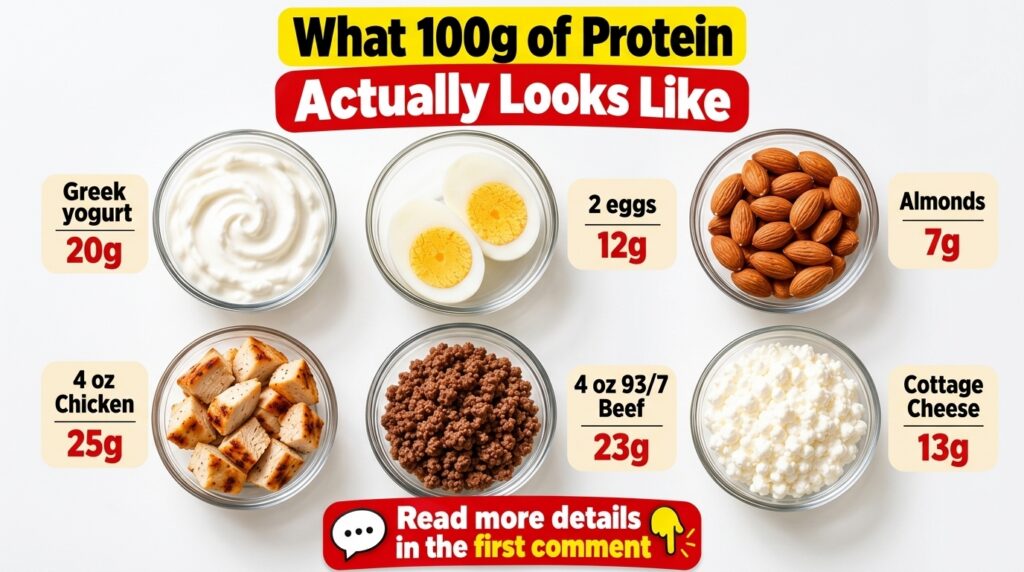
Your 100g Protein Food Chart
Here’s a comprehensive look at how much of various common foods you would need to consume to reach 100 grams of protein. Remember, these are approximate values for cooked or prepared foods.
| Food | Quantity for 100g Protein | Calories (approx.) | Protein (g) | Carbs (g) (approx.) | Fat (g) (approx.) | Fiber (g) (approx.) | Main Nutrients | Best Benefit |
|---|---|---|---|---|---|---|---|---|
| Chicken Breast (cooked) | 320g (approx. 2-3 breasts) | 512 | 100 | 0 | 12 | 0 | Niacin, B6, Selenium | Lean muscle building |
| Lean Ground Beef (90% lean, cooked) | 385g (approx. 1.5-2 cups) | 900 | 100 | 0 | 50 | 0 | Iron, B12, Zinc | Satiety, red meat benefits |
| Wild Salmon (cooked) | 450g (approx. 3-4 fillets) | 945 | 100 | 0 | 50 | 0 | Omega-3s, Vit D, B12 | Heart health, anti-inflammatory |
| Large Eggs | 17 eggs | 1190 | 100 | 10 | 85 | 0 | Choline, Vit B12, Selenium | Complete protein, brain health |
| Greek Yogurt (plain, non-fat) | 880g (approx. 3.5 cups) | 550 | 100 | 45 | 0 | 0 | Calcium, Probiotics, Vit B12 | Gut health, bone strength |
| Cottage Cheese (low-fat, 1%) | 900g (approx. 3.75 cups) | 720 | 100 | 36 | 10 | 0 | Calcium, Selenium, Vit B12 | Slow-digesting protein, satiety |
| Tofu (extra-firm) | 800g (approx. 4 blocks) | 600 | 100 | 24 | 36 | 8 | Iron, Calcium, Magnesium | Plant-based, versatile |
| Black Beans (cooked) | 1250g (approx. 7 cups) | 1600 | 100 | 280 | 5 | 100 | Fiber, Iron, Folate | Gut health, blood sugar balance |
| Lentils (cooked) | 1100g (approx. 5.5 cups) | 1300 | 100 | 220 | 2 | 80 | Fiber, Folate, Manganese | Digestive health, sustained energy |
| Almonds | 450g (approx. 3.5 cups) | 2700 | 100 | 90 | 225 | 50 | Vit E, Magnesium, Healthy Fats | Heart health, antioxidant |
Understanding the Nutrition Comparison
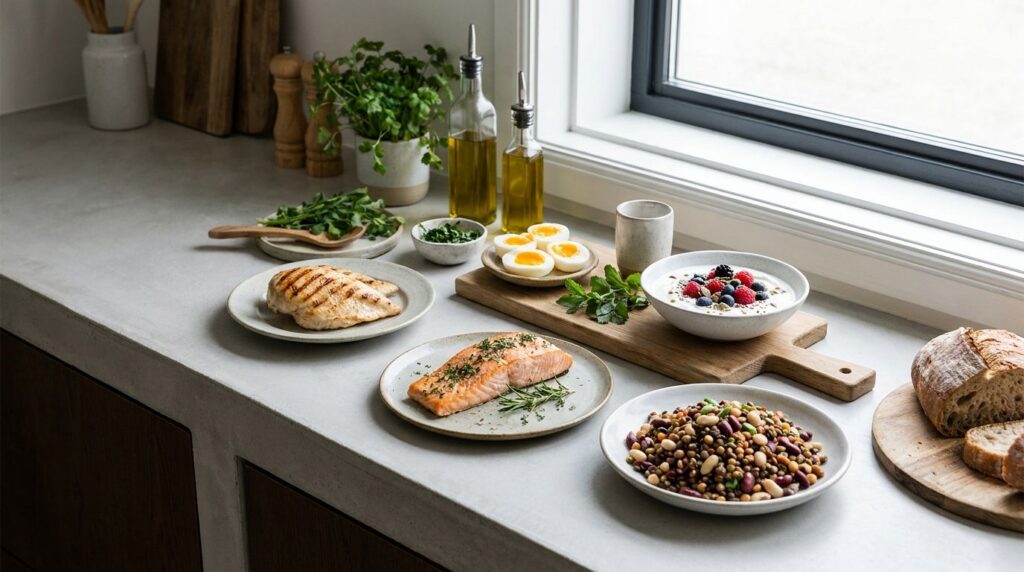
As you can see from the chart, the quantity and calorie count required to hit 100 grams of protein vary significantly among foods. For instance, lean protein sources like chicken breast and non-fat Greek yogurt offer 100g of protein with relatively fewer calories. This makes them excellent choices for those managing their weight.
On the other hand, foods like almonds, eggs, and salmon, while incredibly nutritious, come with higher calorie and fat counts for the same 100g of protein due to their natural fat content. Plant-based proteins like black beans and lentils also require larger quantities and contribute more carbohydrates and fiber, which is fantastic for digestive health but means you might need to combine them with other sources to hit high protein goals without excess calories or volume.
Key Takeaways from the Comparison:
- Calorie Density: Some foods are more calorie-dense for 100g of protein (e.g., almonds, eggs), while others are more protein-dense (e.g., chicken, Greek yogurt).
- Macronutrient Profile: Animal proteins often provide complete proteins with minimal carbs, while plant-based options often come with significant fiber and carbohydrates.
- Nutrient Variety: Each food offers a unique set of vitamins and minerals beyond just protein. Diversifying your protein sources ensures a broader spectrum of nutrients.
Practical Tips for Hitting Your 100g Protein Goal
Reaching 100 grams of protein daily doesn’t have to be overwhelming. Here are some actionable tips:
Spread Protein Throughout the Day
Instead of trying to get all your protein in one meal, aim for 20-30 grams at each main meal and include protein-rich snacks. This helps with absorption and sustained satiety.
Prioritize Lean Protein Sources
Incorporate foods like chicken breast, turkey, fish, egg whites, Greek yogurt, and cottage cheese into your diet for efficient protein delivery without excessive calories.
Don’t Forget Plant-Based Proteins
Lentils, beans, tofu, tempeh, and quinoa are excellent sources of protein, fiber, and other nutrients. Combine them to ensure you get all essential amino acids.
Snack Smart
Choose snacks like hard-boiled eggs, a handful of almonds, a protein shake, or Greek yogurt to boost your intake between meals.
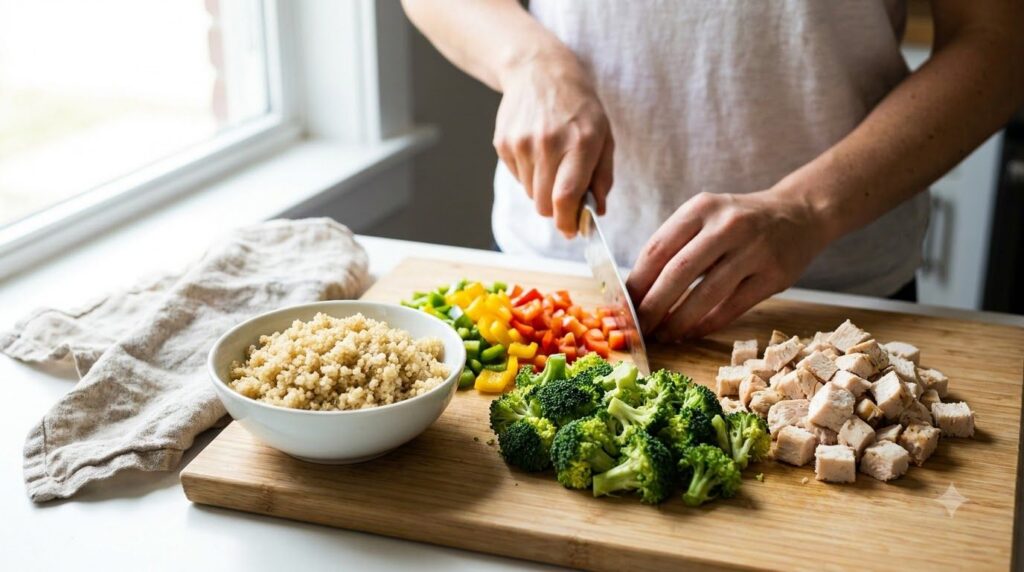
Meal Prep
Cook larger batches of protein sources like chicken or ground beef at the beginning of the week. This makes it easy to add protein to any meal.
Read Labels
Pay attention to the protein content per serving on food labels to make informed choices, especially for packaged foods like protein bars or cereals.
FAQs About Protein Intake
Q: Is 100g of protein suitable for everyone?
A: While a good target for many active adults, individual needs vary. Factors like body weight, activity level, and specific health goals influence optimal protein intake. Consult a healthcare professional or registered dietitian for personalized advice.
Q: Can I get too much protein?
A: For healthy individuals, a high protein intake (even up to 2g per kg of body weight) is generally safe. However, extremely high intakes over a long period may pose risks for individuals with pre-existing kidney conditions. Moderation and balance are key.
Q: What are the best protein sources for vegetarians and vegans?
A: Excellent plant-based protein sources include tofu, tempeh, lentils, beans, chickpeas, quinoa, edamame, nuts, seeds, and various plant-based protein powders.
Q: How can I increase protein in my breakfast?
A: Try adding Greek yogurt, eggs (scrambled, boiled, or in an omelet), cottage cheese, a scoop of protein powder to your oatmeal or smoothie, or lean breakfast meats like turkey bacon.
Q: Does cooking reduce protein content?
A: Cooking generally does not significantly reduce the protein content of food. However, excessive heat can denature proteins, but this doesn’t typically affect the total amount of amino acids available.
Q: How much protein do I need for muscle gain?
A: For muscle gain, general recommendations often fall between 1.6 to 2.2 grams of protein per kilogram of body weight per day, distributed throughout the day.
Conclusion
Understanding the quantity of food needed to reach your protein goals can be a game-changer for your nutrition. This visual guide to 100g of protein demonstrates that while some foods are very protein-dense, others require larger servings to hit the mark.
By diversifying your protein sources and spreading your intake throughout the day, you can effectively meet your needs for muscle health, satiety, and overall well-being. Start incorporating these insights into your meal planning and enjoy the benefits of a protein-rich diet! Keep exploring our blog for more healthy food content and delicious recipes.
This content is for educational purposes only and should not be considered medical advice. Consult a qualified healthcare professional for personalized dietary recommendations.