Are you looking for a simple yet powerful way to boost your health? Look no further than dietary fiber! Often overlooked, fiber is an essential nutrient that plays a crucial role in everything from digestive health to managing blood sugar and cholesterol levels. Understanding the different types of fiber and how to incorporate more of them into your diet can truly transform your well-being.
This comprehensive guide will help you unlock the power of fiber. We’ll explore the two main types—soluble and insoluble—their unique benefits, and how much you need each day. Plus, you’ll discover delicious, easy ways to add more fiber-rich foods to your meals, empowering you to make healthier choices for a happier gut and a healthier you.
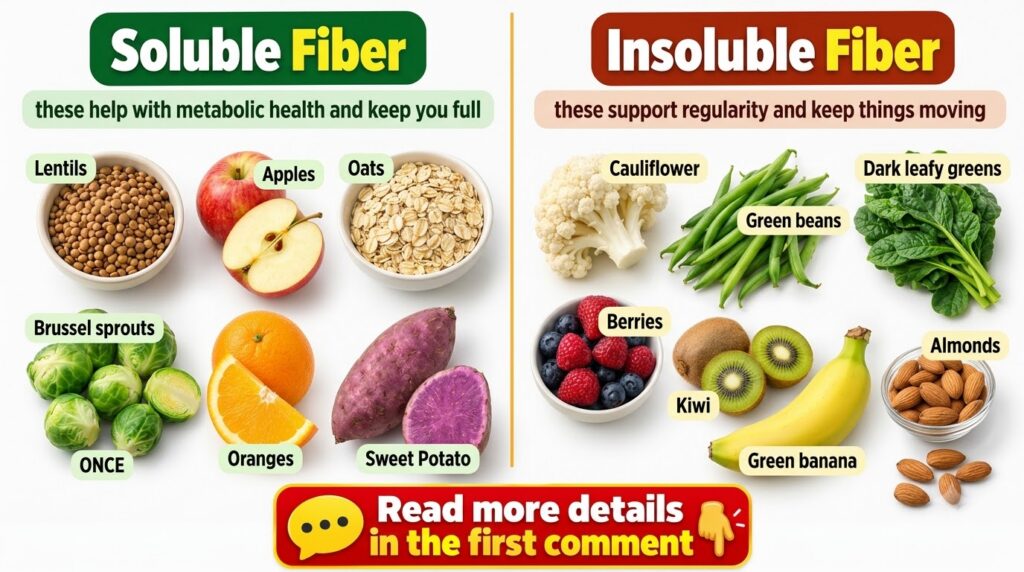
What is Dietary Fiber?
Dietary fiber is a type of carbohydrate found in plant-based foods that your body can’t digest. Unlike other carbohydrates, which are broken down into sugar molecules, fiber passes through your stomach, small intestine, and colon largely intact. This unique characteristic is what gives fiber its many incredible health benefits.
The Two Types of Fiber
Fiber isn’t a single substance; it comes in two main forms, each with distinct properties and health advantages. To get the full spectrum of benefits, it’s important to include both types in your diet.
Soluble Fiber: Your Gut’s Best Friend
Soluble fiber dissolves in water to form a gel-like material. This gel slows down digestion, which can have several positive effects on your health.
Benefits of Soluble Fiber:
- Lowers Cholesterol: It can help reduce LDL (

