Have you ever wondered about the different types of fiber and what they do for your body? You’re not alone! Fiber is a powerhouse nutrient, and understanding its two main forms—soluble and insoluble—can help you make smarter food choices. Both are incredibly important for your health, but they play distinct roles in your digestive system and overall well-being.
In this guide, we’ll break down the differences between soluble and insoluble fiber, explain their unique benefits, and provide plenty of delicious food examples. By the end, you’ll feel confident in boosting your fiber intake and supporting a healthier you!
Soluble vs. Insoluble Fiber: The Core Differences
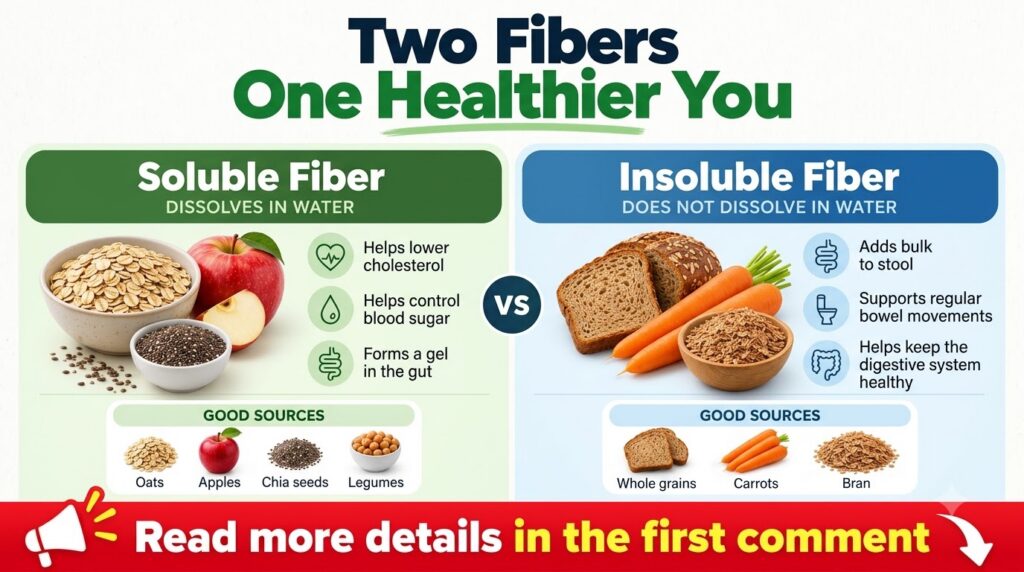
While both types of fiber are crucial for your health, they behave very differently in your body. Think of them as two sides of the same coin, each contributing unique benefits.
| Feature | Soluble Fiber | Insoluble Fiber |
|---|---|---|
| Primary Function | Dissolves in water, forms a gel-like substance | Does not dissolve in water, adds bulk to stool |
| Impact on Digestion | Slows digestion, helps stabilize blood sugar | Speeds up digestion, promotes bowel regularity |
| Health Benefits | Lowers LDL (‘bad’) cholesterol, helps control blood sugar, feeds beneficial gut bacteria, increases satiety | Prevents constipation, supports regular bowel movements, may reduce risk of diverticular disease |
| Common Food Sources | Oats, barley, apples, citrus fruits, carrots, beans, lentils, peas, psyllium, flaxseeds, nuts | Whole wheat flour, wheat bran, nuts, seeds, skin of fruits and vegetables, brown rice, whole grains |
What is Soluble Fiber?
Soluble fiber, as its name suggests, dissolves in water. When it enters your digestive system, it forms a gel-like material. This gel slows down the rate at which food moves through your digestive tract, which can be beneficial in several ways.
Benefits of Soluble Fiber:
- Blood Sugar Control: By slowing down digestion, soluble fiber helps prevent rapid spikes in blood sugar levels after meals. This is especially helpful for individuals managing diabetes.
- Cholesterol Reduction: It can bind to cholesterol particles in your small intestine, preventing their absorption and helping to lower LDL (‘bad’) cholesterol levels.
- Gut Health: Soluble fiber is a prebiotic, meaning it feeds the beneficial bacteria in your gut. A healthy gut microbiome is linked to numerous health benefits, including improved immunity and mood.
- Increased Satiety: The gel it forms can make you feel fuller for longer, which can aid in weight management.
What is Insoluble Fiber?
Unlike soluble fiber, insoluble fiber does not dissolve in water. Instead, it acts as ‘bulk’ in your digestive system. It passes through your gut largely intact, adding volume to your stool.
Benefits of Insoluble Fiber:
- Promotes Regularity: By adding bulk to your stool, insoluble fiber helps move waste through your digestive tract more quickly, preventing constipation.
- Supports Bowel Health: A regular bowel movement pattern can help maintain a healthy colon and may reduce the risk of certain digestive issues.
- Digestive Cleansing: It acts like a scrub brush, helping to clean out the intestinal walls as it passes through.

Why You Need Both Types of Fiber
It’s clear that both soluble and insoluble fiber offer unique and vital health benefits. The good news is that many fiber-rich foods contain a mix of both types. The key is to eat a wide variety of whole plant foods to ensure you’re getting a good balance of both. Aim for a diet rich in fruits, vegetables, whole grains, legumes, nuts, and seeds.
How Much Fiber Do You Need?
The recommended daily fiber intake is around 25-30 grams for most adults. However, many people only consume about half that amount. Gradually increasing your fiber intake is important, and remember to drink plenty of water as you do so. Water helps fiber do its job effectively and prevents discomfort.
Practical Tips for Boosting Your Fiber Intake
- Start Your Day with Fiber: Opt for oatmeal, whole-grain cereals, or add fruit to your yogurt.
- Embrace Whole Grains: Choose whole wheat bread, brown rice, and whole-grain pasta over refined versions.
- Load Up on Fruits and Veggies: Eat the skin whenever possible (apples, potatoes, cucumbers) as it’s rich in insoluble fiber.
- Snack Smart: Keep nuts, seeds, and fresh fruit handy for healthy, fiber-rich snacks.
- Legumes are Your Friends: Add beans, lentils, and peas to soups, salads, and stews.
- Drink Plenty of Water: Hydration is crucial when increasing fiber to help it move through your system.
FAQs About Fiber
What’s the best way to increase fiber without discomfort?
Increase your fiber intake slowly over several weeks. This gives your digestive system time to adjust. Also, drink plenty of water throughout the day, as fiber needs water to work effectively.
Can I get too much fiber?
While fiber is good, consuming excessive amounts too quickly, especially without enough water, can lead to bloating, gas, and abdominal discomfort. It’s best to aim for the recommended daily intake.
Are fiber supplements as good as food sources?
Fiber supplements can be helpful, but whole foods offer a broader range of nutrients, vitamins, and minerals that supplements often lack. Prioritize food sources first, and use supplements as a complement if needed.
Does cooking affect the fiber content of foods?
Cooking can sometimes slightly alter fiber, but generally, the fiber content remains largely intact. For example, cooked carrots still provide excellent fiber, though raw carrots might offer a bit more insoluble fiber texture.
Is fiber helpful for weight loss?
Yes, fiber can aid in weight management. Both soluble and insoluble fiber can help you feel fuller for longer, reducing overall calorie intake. Soluble fiber’s ability to slow digestion also contributes to satiety.
Can children eat high-fiber foods?
Absolutely! Children benefit from fiber just like adults. Introduce fiber-rich foods like fruits, vegetables, and whole grains from a young age, ensuring they also drink enough water.
Conclusion
Understanding the difference between soluble and insoluble fiber empowers you to make informed dietary choices that benefit your overall health. Both types are essential for a well-functioning digestive system, stable blood sugar, a healthy heart, and a thriving gut microbiome. By focusing on a diverse intake of whole plant foods, you can easily meet your fiber needs and enjoy the many advantages this incredible nutrient offers.
Start experimenting with new fiber-rich recipes and make fiber a delicious part of your daily routine. Your body will thank you!
This content is for educational purposes only and should not be considered medical advice. Consult a qualified healthcare professional for personalized dietary recommendations.
Explore More Healthy Food Content:
- High Fiber Breakfast Ideas
- Best Foods for Gut Health
- Simple Healthy Snack Recipes
- Understanding Prebiotics and Probiotics