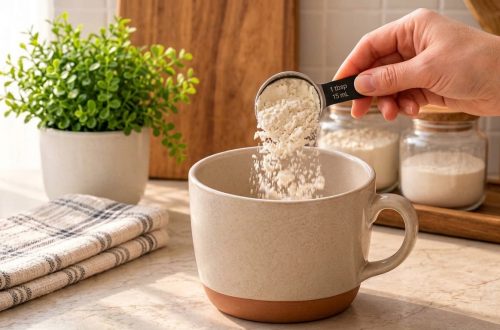
There’s a quiet beauty in the precision of baking. It’s more than just following steps; it’s an invitation to calm and focus in the kitchen. As flour cascades into a bowl and aromas fill the air, home baking offers a unique escape from the everyday hustle. This isn’t just about creating a treat; it’s about embracing the process, finding joy in the small details, and savoring the anticipation of a delicious creation. Dive into the world of home baking and discover your own culinary delight!
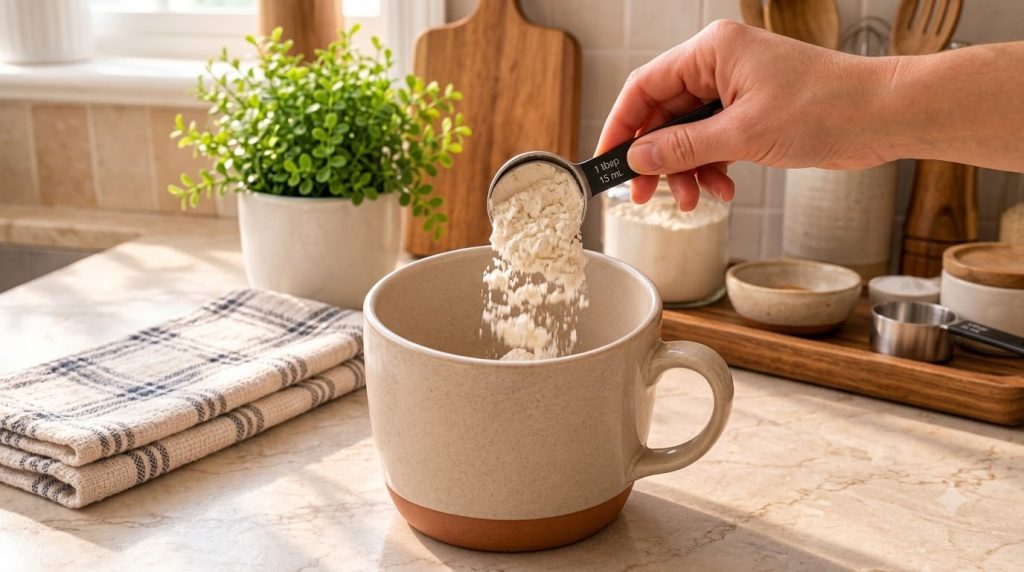
Why You’ll Love the Joy of Baking
Baking is a beloved activity for countless reasons, offering benefits far beyond just a tasty treat. Here’s why embracing the joy of baking is so rewarding:
- Stress Relief: The rhythmic actions of mixing, kneading, and measuring can be incredibly therapeutic and meditative, helping to calm the mind.
- Creative Outlet: From decorating cookies to experimenting with flavor combinations, baking allows for wonderful culinary creativity.
- Simple Ingredients, Amazing Results: Basic pantry staples transform into something extraordinary with just a little effort and time.
- Sensory Experience: The delightful aromas, the feel of dough, and the visual transformation in the oven engage all your senses.
- Family-Friendly Fun: Baking is a fantastic activity to do with children, teaching them valuable skills and creating lasting memories.
- Heartfelt Gifting: Homemade baked goods make thoughtful and personal gifts that truly show you care.
Essential Baking Pantry Staples
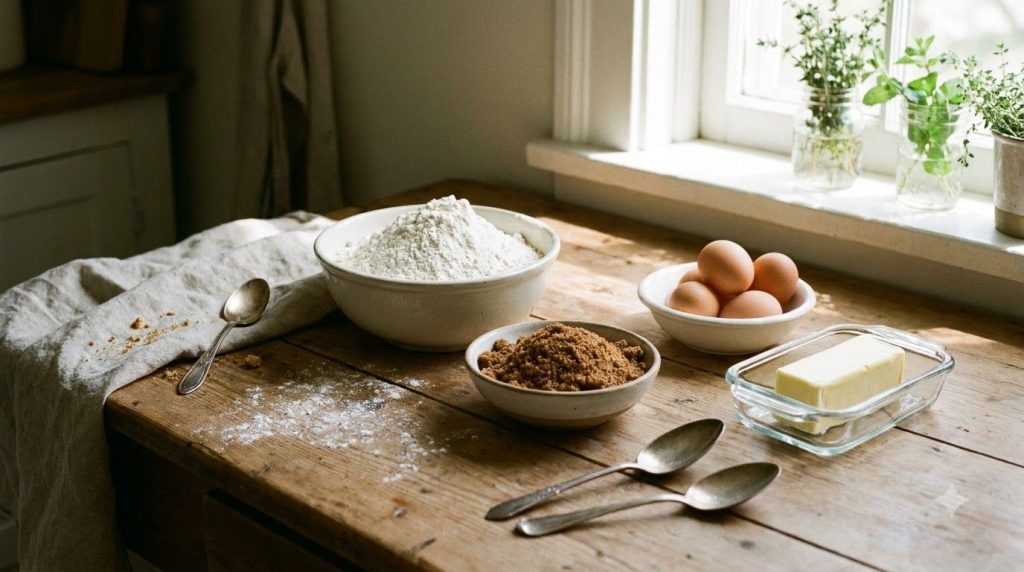
While this article focuses on the general joy of baking rather than a single recipe, having a well-stocked pantry is key to spontaneous culinary creativity. Here are some fundamental categories of ingredients you’ll commonly use:
- Flour: All-purpose flour is versatile, but specialty flours like bread flour or cake flour are great for specific projects.
- Sugars: Granulated sugar, brown sugar (light and dark), and powdered sugar are staples for sweetness and texture.
- Fats: Unsalted butter, vegetable oil, and shortening are common choices.
- Leavening Agents: Baking powder and baking soda are crucial for rise.
- Dairy & Eggs: Milk, buttermilk, cream, and large eggs are frequently used.
- Flavorings: Vanilla extract, cocoa powder, salt, and various spices like cinnamon or nutmeg.
- Mix-ins: Chocolate chips, nuts, dried fruits, and sprinkles for added texture and taste.
Ingredient Notes
Understanding the role of common baking ingredients can greatly enhance your results, regardless of the specific recipe you choose:
- Flour: Provides structure to baked goods. Different types have varying protein contents, affecting the final texture.
- Sugar: Not just for sweetness, sugar also tenderizes, aids in browning, and helps retain moisture.
- Fats (Butter/Oil): Adds moisture, flavor, and tenderness. Butter provides rich flavor and flakiness, while oils contribute to a moist crumb.
- Leavening Agents: These create gas bubbles that make baked goods rise. Baking soda needs an acid to activate, while baking powder is double-acting.
- Eggs: Act as binders, emulsifiers, and leavening agents, adding richness and structure.
Equipment You’ll Need for Home Baking
To embark on your baking adventures, a few essential tools will make the process smooth and enjoyable:
- Mixing Bowls (various sizes)
- Measuring Cups and Spoons
- Whisks (balloon and flat)
- Rubber Spatulas
- Baking Sheets
- Muffin Tins or Cake Pans
- Parchment Paper
- Oven Mitts
- Cooling Racks
- Electric Mixer (handheld or stand mixer, optional but helpful)
- Kitchen Scale (for precise measurement, highly recommended)
How to Cultivate Calm Through Baking
Baking can be a wonderful way to relax and focus. Here’s a general approach to making your baking moments truly delightful, whatever you choose to bake:
-
Choose Your Delight: Start by selecting a recipe that appeals to you and matches your skill level. Don’t feel pressured to tackle something overly complex if you’re looking for calm.
-
Gather and Measure: “Mise en place” – everything in its place. Measure all your ingredients accurately before you begin mixing. This prevents last-minute scrambling and ensures precision, which is key to successful baking.
-
Preheat Your Oven: Always preheat your oven to the specified temperature before placing anything inside. This ensures even baking from the start.
-
Follow Instructions Carefully: Read through the entire recipe once or twice before starting. Pay attention to specific mixing times, temperatures, and visual cues.
-
Engage Your Senses: Notice the textures as you mix, the aromas developing, and the visual changes as your creation bakes. This mindful approach deepens the experience.
-
Mind the Time: While it’s good to have a timer, also trust your senses. Look for visual cues like golden-brown edges, a toothpick coming out clean, or a firm spring when gently pressed.
-
Cool Properly: Allow your baked goods to cool on a wire rack as directed. This prevents sogginess and sets the structure.
Pro Tips for the Best Baking Moments
Elevate your home baking experience with these helpful tips:
- Accuracy is Key: Baking is a science. Use a kitchen scale for dry ingredients like flour for the most accurate results, as cup measurements can vary wildly.
- Room Temperature Ingredients: For many recipes, especially those involving butter and eggs, having ingredients at room temperature helps them emulsify better, leading to a smoother batter and a more consistent final product.
- Don’t Overmix: Once flour is added, mix only until just combined. Overmixing can develop gluten too much, leading to tough baked goods.
- Know Your Oven: Ovens can have hot spots. Consider getting an oven thermometer to ensure your oven’s internal temperature matches the setting.
- Invest in Good Vanilla: High-quality vanilla extract or even vanilla bean paste can make a significant difference in the flavor of your desserts.
- Read Reviews: If trying a new recipe, quickly scan comments or reviews for common pitfalls or helpful adjustments.
- Embrace Imperfection: Not every bake will be perfect, and that’s okay! Focus on the joy of the process and the learning experience.
Common Mistakes to Avoid
Even seasoned bakers make mistakes. Being aware of these common pitfalls can help you steer clear of them:
- Improper Measuring: Eyeballing ingredients or incorrectly measuring can throw off the delicate balance of a recipe. Always level off dry ingredients.
- Skipping Preheat: Baking in a cold oven will negatively impact the texture and rise of your baked goods.
- Substituting Without Knowledge: While some substitutions work, others can drastically alter the outcome. Understand the role of an ingredient before swapping.
- Overcrowding the Oven: Baking too many items at once can restrict airflow, leading to uneven cooking.
- Opening the Oven Door Too Early: Resist the urge to peek too often, especially in the first two-thirds of baking time, as it can cause items to fall.
- Not Greasing/Flouring Pans Properly: Leads to sticking and frustration. Ensure pans are well-prepped.
- Impatience: Baking requires patience. Don’t rush steps like cooling or resting dough.
Exploring Baking Variations & Customizations
The beauty of baking is its endless possibilities. While this article doesn’t provide a single recipe, you can apply these variation ideas to almost any baked good:
- Flavor Swaps: Replace vanilla extract with almond, peppermint, or orange extract for a different aroma. Add citrus zest to brightened flavors.
- Mix-in Adventures: Experiment with different types of chocolate (milk, dark, white), nuts (walnuts, pecans, almonds), dried fruits (cranberries, cherries, apricots), or even shredded coconut.
- Spice It Up: Introduce warming spices like cinnamon, nutmeg, ginger, or cardamom into your batters for cozy flavors.
- Healthy Twists: Incorporate whole wheat flour for part of the all-purpose flour, reduce sugar slightly, or add grated vegetables like zucchini or carrots.
- Topping Fun: Drizzle with glazes, sprinkle with coarse sugar, add a dollop of whipped cream, or dust with powdered sugar.
- Shape & Size: Transform a cake recipe into cupcakes, or a cookie dough into bar cookies for different presentations and serving ease.
Serving Suggestions for Any Baked Good
Whether it’s a simple cookie or an elaborate cake, homemade baked goods are always a treat. Here are some general serving suggestions:
- With Coffee or Tea: A classic pairing for breakfast pastries, cookies, or cake slices.
- Dessert Platter: Arrange an assortment of small baked treats for a delightful presentation.
- With Ice Cream: Warm brownies, fruit crumbles, or pie slices are excellent with a scoop of vanilla bean ice cream.
- Fresh Berries: A vibrant and light accompaniment for nearly any sweet baked item.
- Simple Dusting: A light dusting of powdered sugar or cocoa powder can elevate the presentation without adding much.
Storage & Reheating General Guidelines
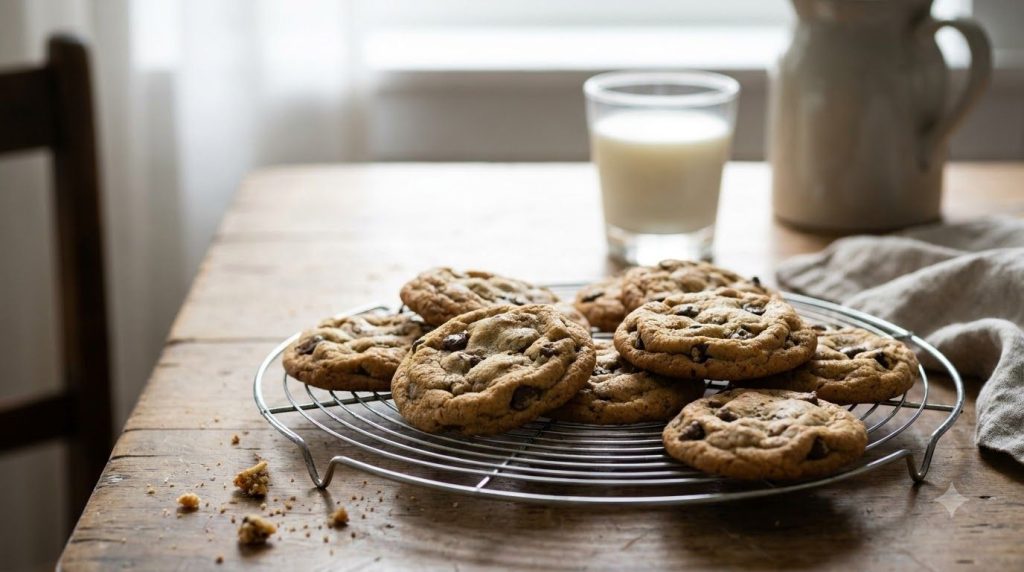
Proper storage helps maintain the freshness and quality of your homemade baked goods:
- Room Temperature: Most cookies, muffins, and quick breads can be stored in an airtight container at room temperature for 2-3 days.
- Refrigeration: Items with fresh fruit, cream cheese frosting, or custard fillings generally need to be refrigerated. Store in an airtight container for up to 3-5 days.
- Freezing: Many baked goods, like cookies (dough or baked), unfrosted cakes, and muffins, freeze well. Wrap tightly in plastic wrap and then foil, or place in a freezer-safe bag. They can last for 1-3 months. Thaw at room temperature or gently reheat.
- Reheating: For best results, reheat items like muffins or scones briefly in a microwave or toaster oven to restore some of their fresh-baked warmth and softness.
FAQ About Home Baking
What is the most important tip for beginner bakers?
For beginners, the most important tip is to measure accurately, especially dry ingredients. Using a kitchen scale for flour, sugar, and other key dry components can make a huge difference in consistency and success.
How do I know if my oven temperature is accurate?
Oven temperatures can vary. Investing in an inexpensive oven thermometer is highly recommended. Place it in your oven and compare its reading to your oven’s dial to see if adjustments are needed.
Can I substitute butter for oil in baking?
It depends on the recipe. Butter contributes flavor and structure that oil does not, and vice-versa. While sometimes possible, it often changes the texture and flavor significantly. It’s best to follow the recipe or find a recipe specifically designed for your preferred fat.
Why did my cake or muffins sink in the middle?
This often happens if the oven door was opened too early during baking, if the leavening agents were old or incorrectly measured, or if the item was underbaked. Ensure your oven is preheated, use fresh ingredients, and resist peeking!
What does it mean to mix until just combined?
When a recipe says to mix until just combined, it means to stop mixing as soon as the dry ingredients are fully incorporated into the wet. Overmixing develops gluten, which can lead to a tough, chewy texture in cakes, muffins, and cookies.
How do I make my cookies perfectly round?
After baking, if your cookies aren’t perfectly round, you can use a large round cookie cutter (slightly larger than your cookies) or the rim of a glass to gently swirl around the warm cookies on the baking sheet to reshape them while they are still hot and pliable.
Is homemade baking really better than store-bought?
Often, yes! Homemade baked goods typically use fresher ingredients, contain fewer preservatives, and allow you to control the quality and customization of flavors. Plus, there’s an undeniable joy and satisfaction in creating something delicious yourself.
What’s a good first recipe for a beginner baker?
Simple recipes like chocolate chip cookies, basic muffins, or a classic quick bread (like banana bread) are excellent starting points. They teach fundamental techniques without being overly complicated.
Recipe Card
Recipe Name: Crafting Culinary Delights: Bake & Chill Moments
Short Description: An exploration into the calming and rewarding world of home baking, focusing on mindfulness and the joy of creation rather than a single specific recipe.
Prep Time: Varies per chosen recipe (e.g., 15-30 minutes)
Cook Time: Varies per chosen recipe (e.g., 20-60 minutes)
Total Time: Varies per chosen recipe
Servings: Varies per chosen recipe
Course: Dessert, Snack, Breakfast (General)
Cuisine: Home Baking, American
Cooking Method: Baking
Ingredients:
(Ingredients will vary greatly depending on the specific baked good you choose to make. Please refer to your selected recipe for precise quantities. Common baking staples include flour, sugar, eggs, butter, leavening agents, and flavorings like vanilla.)
Instructions:
(Detailed instructions are specific to each individual baking recipe. Below are general steps to embrace a mindful baking experience. Always follow your chosen recipe’s instructions carefully.)
- Choose Your Recipe: Select a baking project that excites you.
- Prepare Your Space: Gather all necessary equipment and ingredients (mise en place).
- Preheat Oven: Always preheat your oven to the temperature specified in your recipe.
- Mix & Combine: Follow your recipe’s mixing instructions, paying attention to ingredient order and mixing duration.
- Bake: Place your prepared item in the preheated oven for the recommended time, observing visual cues for doneness.
- Cool: Allow your baked good to cool as directed on a wire rack before serving.
- Enjoy: Savor the fruits of your labor and the quiet joy of the process!
Notes: Embrace the precision and sensory experience of baking. Focus on the moment, measure carefully, and don’t be afraid to experiment with flavors once you’ve mastered the basics.
Storage: Store baked goods according to their specific requirements (airtight container at room temperature, refrigerated, or frozen). Refer to the general guidelines in the article above for common items.
Nutrition: Nutrition information is an estimate and may vary depending on the specific recipe, ingredients, and brands used. This article discusses general baking concepts and not a specific recipe with fixed nutritional values.