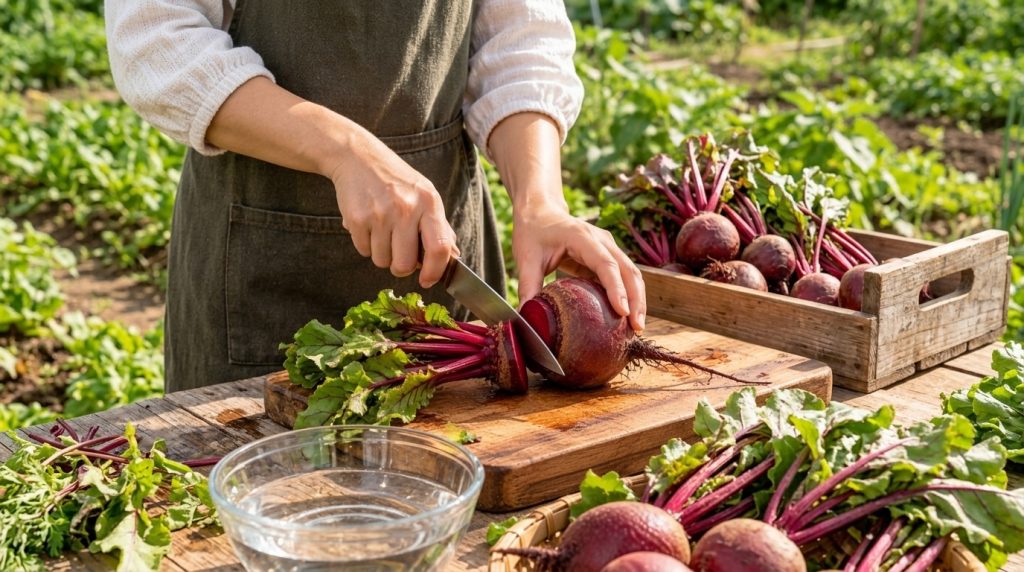
There’s nothing quite as satisfying as harvesting fresh vegetables from your own garden. And when it comes to vibrant colors, earthy flavors, and incredible versatility, beetroot truly shines! But once you’ve pulled those beautiful crimson gems from the soil, what’s the best way to prepare them? Don’t let their firm texture intimidate you! Slicing beetroot can be simple and enjoyable, opening up a world of culinary possibilities.
Today, we’re sharing easy tips to confidently slice your homegrown beetroot, ensuring you get the most out of your harvest. From salads to roasted dishes, learning a few basic cuts will transform your kitchen experience.
Why Love Beetroot?
Before we dive into the how-to, let’s quickly appreciate why beetroot is such a fantastic addition to your diet and garden. Rich in vitamins, minerals, and antioxidants, beetroots are known to support heart health, boost stamina, and provide a lovely earthy sweetness to dishes. They’re relatively easy to grow, making them a favorite for many home gardeners!
Getting Started: Cleaning and Preparing Your Beets
Once harvested, your beetroots will likely have some soil clinging to them. Here’s how to get them ready for slicing:
- Trim the Greens: Cut off the leafy tops, leaving about an inch of stem attached. Don’t discard these greens – they’re delicious sautéed or added to salads!
- Wash Thoroughly: Rinse the beetroots under cold running water. Use a vegetable brush to gently scrub away any remaining dirt.
- To Peel or Not to Peel? Younger, smaller beetroots often have tender skins that don’t need peeling, especially if you’re roasting them. For larger, older beets, or if you prefer a smoother texture, you might want to peel them. You can peel them raw with a vegetable peeler, or after boiling/roasting when the skin slips off easily.
Mastering Basic Beetroot Slicing Techniques
The type of slice you choose depends on how you plan to use your beetroot. Here are a few common and versatile cuts:
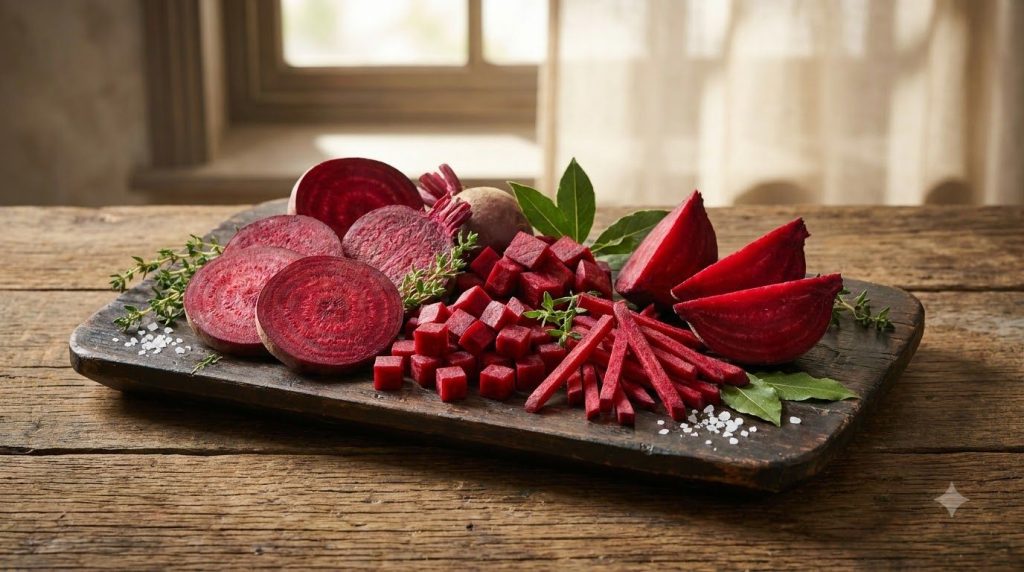
1. Rounds (Coins)
This is perhaps the most common cut, perfect for roasting, grilling, or adding to salads.
- How-to: After trimming the root end and stem (and peeling if desired), place the beetroot flat on your cutting board. Using a sharp knife, slice straight down to create uniform rounds. Aim for about 1/4 to 1/2 inch thickness.
- Best for: Roasted beets, pickled beets, beet chips, and layering in salads.
2. Diced (Cubes)
Diced beetroot is great for adding to stews, stir-fries, or grain bowls.
- How-to: First, slice the beetroot into rounds as described above. Then, stack a few rounds and cut them into strips. Finally, cut across the strips to create small, even cubes.
- Best for: Soups, stews, sautés, and cold salads where you want bite-sized pieces.
3. Matchsticks (Julienne)
Thin matchsticks add a delicate crunch to salads and slaws.
- How-to: Peel the beetroot. Slice it into thin rounds, then stack a few rounds. Slice these stacked rounds into very thin strips, about 1/8 inch thick and 1-2 inches long.
- Best for: Coleslaws, raw salads, garnishes, and quick stir-fries.
4. Wedges
Hearty wedges are fantastic for roasting, offering a substantial texture.
- How-to: Cut the beetroot in half lengthwise, then cut each half into 2-4 wedges, depending on the size of the beetroot.
- Best for: Roasting, grilling, or serving as a side dish.
Helpful Tips for Slicing Beetroot
- Protect Your Hands and Surfaces: Beetroot juice can stain! Consider wearing gloves (disposable kitchen gloves work well) and use a cutting board that won’t absorb the color, or place parchment paper underneath.
- Use a Sharp Knife: A sharp knife makes slicing easier, safer, and results in cleaner cuts.
- Stabilize Your Beet: If the beetroot is round or oddly shaped, slice a small piece off one side to create a flat surface. This will make it more stable on your cutting board.
- Store Leftovers Properly: If you’ve sliced more than you need, store the raw slices in an airtight container in the refrigerator for up to 3-5 days.
Bringing It All Together
With these simple slicing tips, you’re ready to transform your garden-fresh beetroots into delicious and healthy meals. Whether you’re whipping up a vibrant salad, roasting a flavorful side dish, or experimenting with new recipes, knowing how to properly prepare your beets is the first step to culinary success. Happy gardening and happy cooking!

