Don’t let the chilly weather stop you from enjoying the fruits (and veggies!) of your labor! Many gardeners pack away their tools as temperatures drop, but what if we told you that winter could be an incredibly productive season for your garden? With the right knowledge, you can transform your frosty backyard into a thriving source of delicious, homegrown produce. Welcome to the world of cold-loving vegetables!
At Garden – L. Quyên, we believe that gardening is a year-round passion. Learning about cold soil germination can extend your harvest season, providing you with fresh greens and root vegetables even when the rest of the world is bundled up. It’s an empowering way to embrace sustainable living and enjoy the unique flavors that come from winter-hardy plants.
Why Embrace Cold-Weather Gardening?
Gardening in colder temperatures offers a unique set of rewards:
- Extended Harvest: Keep fresh, organic produce on your table long after summer crops have faded.
- Unique Flavors: Many cold-hardy vegetables develop sweeter, more robust flavors after a touch of frost.
- Fewer Pests: Colder weather often means fewer troublesome garden pests, making plant care a bit easier.
- Beat the Spring Rush: Get a head start on your spring planting by sowing seeds that germinate in cool soil, leading to earlier harvests.
- Gardening Therapy: There’s something incredibly satisfying about nurturing life and witnessing growth when nature seems to be sleeping.
Understanding Cold Soil Germination
Not all seeds are created equal. Some seeds actually require a period of cold (stratification) to break their dormancy and sprout. Others are simply robust enough to germinate and grow in cooler soil temperatures, sometimes as low as 35-40°F (1-4°C). This allows them to get a head start before warmer weather varieties are even considered.
Key Factors for Success:
- Soil Temperature: While air temperature can fluctuate, consistent soil temperature is crucial. A soil thermometer can be a valuable tool.
- Moisture: Cold soil still needs consistent moisture for germination, but be careful not to overwater, which can lead to rot in cooler conditions.
- Protection: Consider using row covers, cold frames, or cloches to protect young seedlings from harsh winds, heavy snow, or extreme temperature drops.
Top Cold-Loving Vegetables for Your Winter Garden
Ready to get started? Here are some fantastic vegetables that thrive when planted in cold soil, perfect for your winter garden!
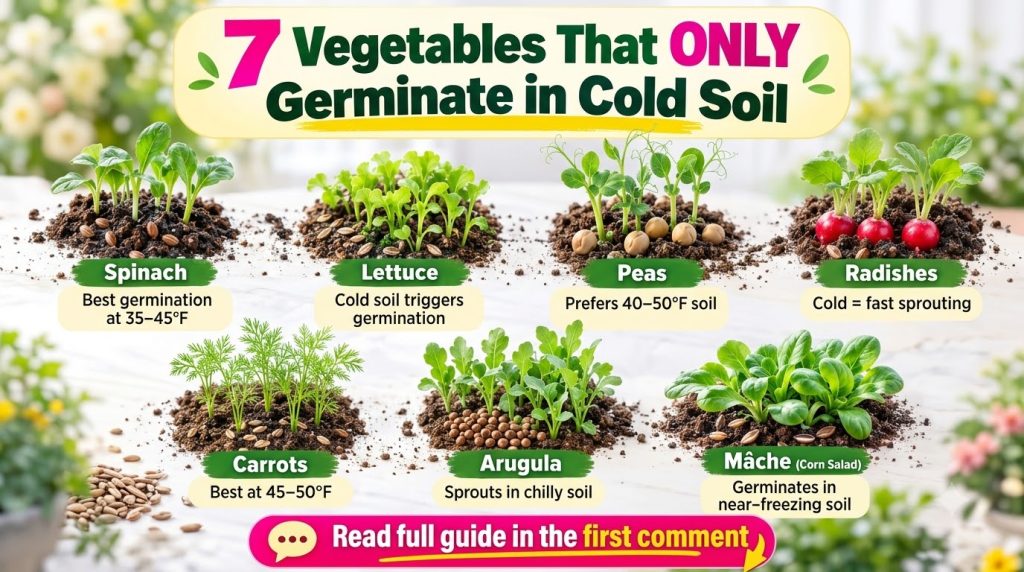
Spinach
A true champion of cool weather, spinach loves short, crisp days. It’s packed with nutrients and can provide continuous harvests if you pick the outer leaves. Sow seeds directly in early fall or even late winter.
Lettuce
Many varieties of lettuce, especially butterhead, romaine, and loose-leaf types, are incredibly cold-tolerant. They can be planted in succession for a prolonged harvest. Protect them from heavy freezes, and you’ll have fresh salads for months.
Peas
Both shelling and snap peas can be surprisingly cold-hardy. Planting them in late winter or very early spring allows them to establish before the heat of summer, resulting in a more abundant and sweeter crop. They enjoy well-drained soil and a little support to climb.
Radishes
These quick-growing root vegetables are perfect for impatient gardeners! Radishes mature rapidly in cool weather, often ready for harvest in just a few weeks. Sow them in batches every couple of weeks for a continuous supply.
Carrots
While carrots take a bit longer to mature, they are well worth the wait. A touch of frost can even sweeten their flavor. Plant carrot seeds directly into loose, well-drained soil in late winter or early spring. Ensure the soil is free of rocks to allow for straight roots.
Arugula
Known for its peppery bite, arugula thrives in cool temperatures. It’s a fast grower and can be harvested as baby greens or allowed to mature. Plant in early spring or fall for the best flavor and to avoid bolting (going to seed) in warm weather.
Mâche (Corn Salad)
Also known as lamb’s lettuce, mâche is incredibly cold-hardy, sometimes even surviving under a blanket of snow. It has a delicate, nutty flavor and makes a wonderful addition to winter salads. Sow seeds in late fall for a winter harvest.
Tips for a Thriving Cold-Weather Garden
- Choose the Right Spot: Select a location that receives at least 6 hours of sunlight, even in winter.
- Prepare Your Soil: Ensure your soil is rich in organic matter and well-draining. Cold, waterlogged soil is a recipe for disaster.
- Mulch Heavily: A thick layer of straw or leaves can help insulate the soil, maintain consistent temperatures, and suppress weeds.
- Protect Young Plants: Use cloches, row covers, or even DIY plastic bottle covers to shield delicate seedlings from extreme cold, wind, and pests.
- Water Wisely: Water deeply but less frequently than in summer. Check soil moisture before watering to avoid overwatering.
- Succession Planting: For continuous harvests, sow small batches of seeds every few weeks rather than planting everything at once.
Don’t Let Winter Stop You!
Embracing cold-weather gardening opens up a whole new world of possibilities for your home harvest. Imagine fresh, crisp greens and sweet root vegetables, grown by your own hands, even when there’s a chill in the air!
We hope this guide inspires you to experiment with cold-loving vegetables. Do you have any favorite winter crops or tips for cold soil germination? Share your experiences and wisdom with our Garden – L. Quyên community in the comments below. Happy winter gardening!