Are you looking for simple ways to support your brain, boost your metabolism, and keep your liver healthy? Meet choline, an essential nutrient that plays a crucial role in these vital functions. Often overshadowed by more commonly discussed vitamins and minerals, choline is a powerhouse that deserves a spotlight in your daily diet.
In this article, we’ll dive into why choline is so important, explore the top foods rich in this nutrient, and provide practical tips to effortlessly incorporate them into your meals. Get ready to discover how this incredible compound can contribute to your overall well-being!
The Essential Benefits of Choline
Choline is not a vitamin or mineral, but it’s an essential nutrient that your body needs to function properly. It plays many roles, from supporting cell structure to neurotransmitter production. Here are some of its key benefits:
Brain Health and Cognitive Function
- Memory and Learning: Choline is a precursor to acetylcholine, a neurotransmitter critical for memory, mood, muscle control, and other brain and nervous system functions. Adequate choline intake may help support cognitive function throughout your life.
- Brain Development: For expectant mothers, choline is vital for fetal brain development, potentially impacting cognitive abilities later in life.
Liver Health and Metabolism
- Fat Metabolism: Choline helps transport fats from the liver, preventing fat and cholesterol buildup. This is crucial for maintaining a healthy liver and preventing conditions like non-alcoholic fatty liver disease.
- Detoxification Support: It assists in the liver’s detoxification processes, helping your body process and eliminate waste products.
Cellular Function
- Cell Membrane Structure: Choline is a key component of phospholipids, which form cell membranes. This makes it essential for maintaining the structural integrity of your cells.
- Gene Expression: It also plays a role in gene expression, influencing how your genes function.

Top Choline-Rich Foods to Boost Your Diet
Getting enough choline through your diet is simpler than you might think, as many common foods are excellent sources. Here are some of the best options to consider:
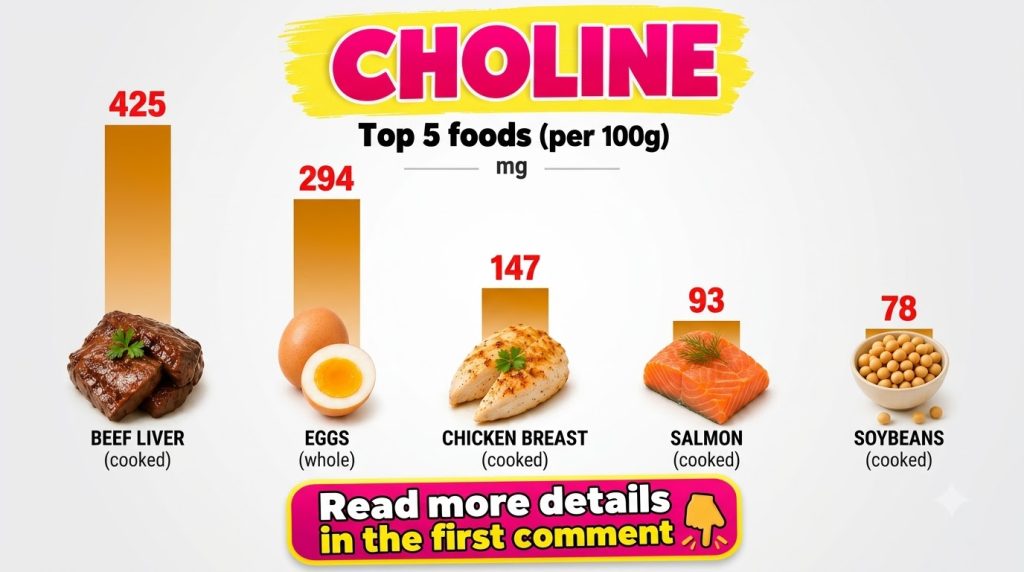
Choline Content in Popular Foods (per 100g serving, approximate values)
| Food | Choline (mg) | Key Nutrients | Best Benefit |
|---|---|---|---|
| Beef Liver | 418 | Iron, Vitamin A, B12 | Overall nutrient density |
| Eggs | 147 | Protein, Vitamin D | Brain & cell health |
| Chicken Breast | 70 | Lean Protein, Niacin | Muscle repair & growth |
| Salmon | 63 | Omega-3s, Vitamin D | Heart & brain health |
| Soybeans | 115 | Plant Protein, Fiber | Plant-based option |
Beyond these top contenders, other foods contribute to your daily choline intake:
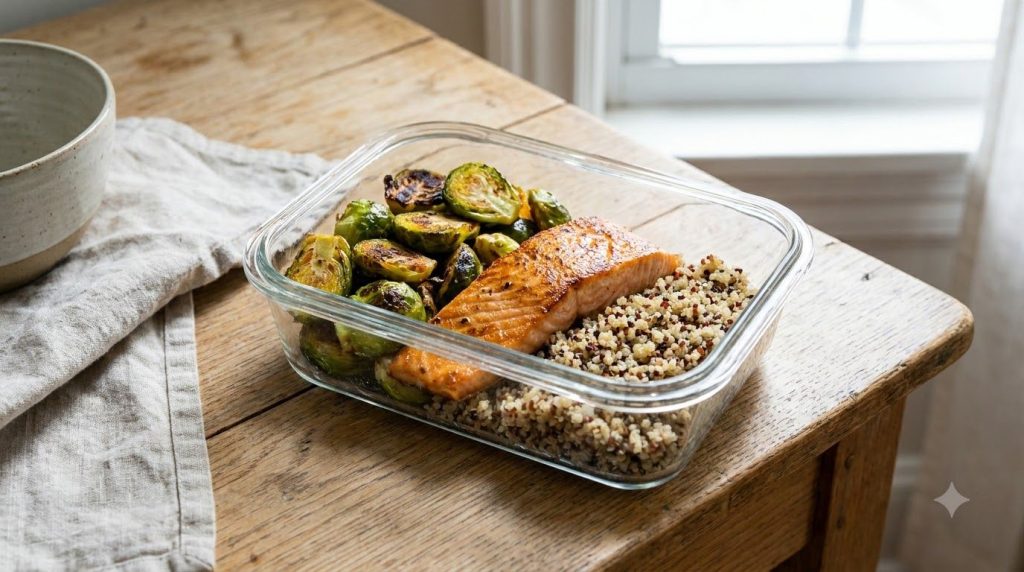
- Brussels Sprouts: These cruciferous vegetables offer about 31 mg of choline per 100g, along with fiber and vitamin K.
- Quinoa: A versatile grain, quinoa provides around 17 mg of choline per 100g cooked, plus protein and fiber.
- Mushrooms: Certain varieties like shiitake and crimini contain smaller but still valuable amounts.
- Nuts and Seeds: Almonds and peanuts also offer some choline.
Incorporating Choline-Rich Foods into Your Diet
Adding more choline to your meals is easy and delicious!
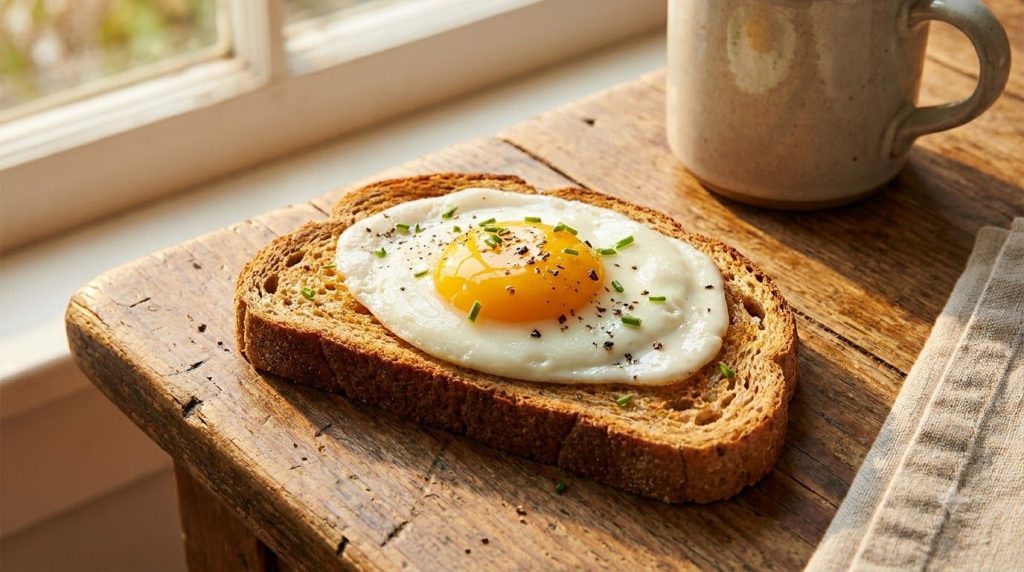
- Breakfast Boost: Start your day with scrambled eggs, an omelet, or a frittata.
- Lean Protein Power: Include chicken breast or salmon in your lunches and dinners. Baked, grilled, or pan-seared are great options.
- Plant-Based Choices: Incorporate soybeans (edamame), tofu, or tempeh into stir-fries, salads, or bowls. Brussels sprouts can be roasted, steamed, or added to sautés.
- Organ Meats: If you’re adventurous, try liver pâté or add chopped liver to meat sauces for a concentrated choline boost.
Understanding Potential Risks
While choline is essential, it’s important to consume it in appropriate amounts. The recommended Adequate Intake (AI) for adults is 550 mg per day for men and 425 mg per day for women. Most people get sufficient choline from their diet, but some may benefit from increasing their intake.
Very high doses of choline, often from supplements, can lead to side effects such as a fishy body odor, sweating, gastrointestinal distress, and low blood pressure. Always consult a healthcare professional before taking choline supplements to determine the right dosage for your needs.
Practical Tips for Choline Intake
- Vary Your Protein Sources: Don’t just stick to one type of meat. Rotate between eggs, chicken, salmon, and even beef liver to get a wide range of nutrients, including choline.
- Embrace Vegetables: Include Brussels sprouts and other cruciferous vegetables in your weekly meal plan. Roasting them brings out a delicious flavor.
- Read Labels: Some fortified foods, like certain cereals or dairy alternatives, may also contain added choline.
- Healthy Cooking Methods: Opt for baking, grilling, or steaming to retain choline and other nutrients in your food.
Frequently Asked Questions About Choline
Q1: What is choline good for?
Choline is good for brain health (memory, learning), liver function (fat metabolism), and supporting cell membrane structure and integrity throughout the body.
Q2: Can I get enough choline from a plant-based diet?
Yes, it’s possible! Plant-based sources include soybeans (tofu, tempeh, edamame), quinoa, Brussels sprouts, broccoli, and certain nuts and seeds. However, it may require more mindful planning.
Q3: What happens if you don’t get enough choline?
Choline deficiency can lead to issues such as liver damage (like fatty liver disease), muscle damage, and potentially impaired cognitive function.
Q4: Are choline supplements necessary?
For most healthy individuals, adequate choline can be obtained through a balanced diet. Supplements are generally only necessary if recommended by a healthcare professional due to specific dietary restrictions or medical conditions.
Q5: Is choline safe during pregnancy?
Yes, choline is crucial during pregnancy for fetal brain development. However, pregnant individuals should always discuss their dietary intake and any potential supplementation with their doctor.
Q6: Does cooking affect choline content?
Some choline can be lost during cooking, especially with high heat and long cooking times, or if it leaches into cooking water that is then discarded. Gentle cooking methods like steaming or light sautéing can help preserve it.
Conclusion
Choline is an unsung hero in the world of nutrition, playing a vital role in everything from brain power to liver health. By consciously incorporating choline-rich foods like eggs, salmon, chicken, soybeans, and even beef liver into your meals, you’re making a significant investment in your overall well-being.
Start exploring these delicious options today and experience the numerous benefits of this essential nutrient. Don’t forget to check out our other articles for more healthy food content and recipe ideas!
This content is for educational purposes only and should not be considered medical advice. Consult a qualified healthcare professional for personalized dietary recommendations.

