Bringing the beauty of nature indoors with houseplants can significantly enhance our living spaces, purify the air, and even boost our mood. However, for pet owners, this joy comes with a crucial consideration: are these green additions safe for our furry friends? Many common houseplants, while lovely to look at, can pose serious health risks to curious cats and dogs. Understanding which plants are safe and which are toxic is paramount to creating a harmonious and healthy home for everyone.
This comprehensive guide aims to equip you with the knowledge to make informed decisions about your indoor greenery, ensuring your plant obsession doesn’t come at the cost of your pet’s well-being. We’ll explore various levels of plant toxicity, highlight specific plants to embrace or avoid, and provide practical tips for keeping your pets safe.
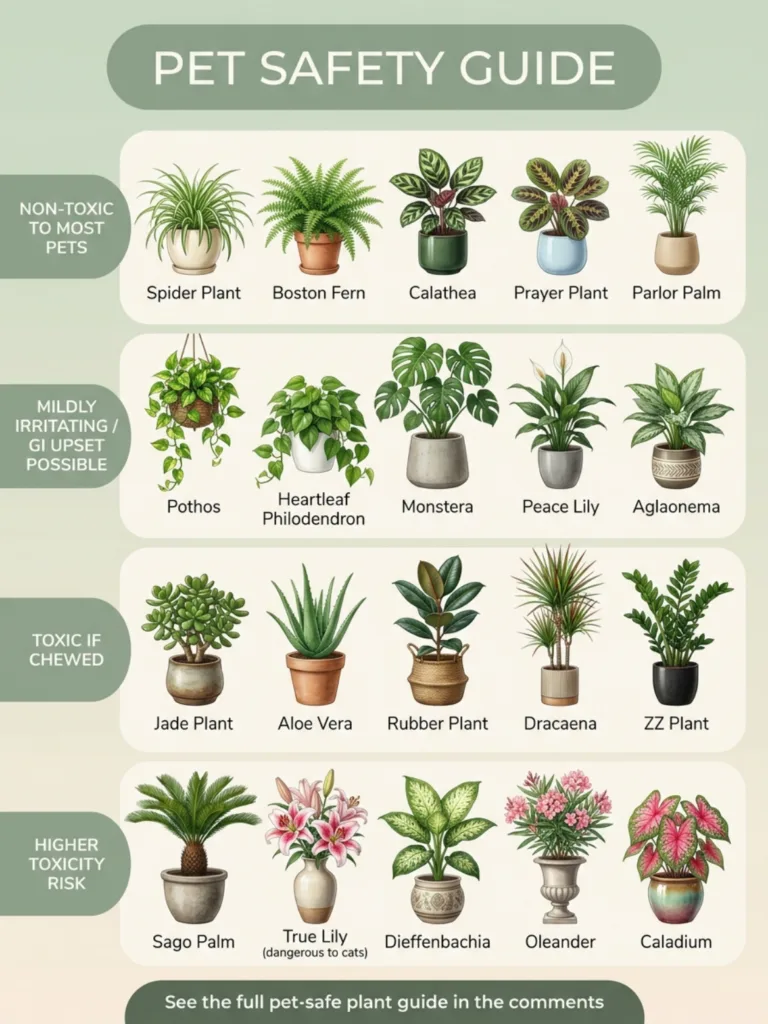 Understanding the toxicity levels of your houseplants is the first step to a pet-safe home.
Why Pet Safety Matters: The Risks of Toxic Plants
Pets, especially puppies and kittens, are naturally curious. They explore their world with their mouths, often chewing on anything new or interesting, including your beloved houseplants. Ingesting toxic plant material can lead to a range of symptoms, from mild gastrointestinal upset to severe organ damage, and in extreme cases, even death. Knowing the specific risks associated with different plants empowers you to prevent these dangerous situations.
Categorizing Houseplants by Toxicity Level
Not all toxic plants are created equal. Their danger levels vary significantly. Let’s break down common houseplants into categories based on their potential harm to pets, as often seen in pet safety guides.
1. Non-toxic to Most Pets
These plants are generally considered safe for pets. While it’s always wise to discourage pets from ingesting large quantities of any plant material (as it can still cause mild stomach upset), these options pose minimal risk.
- Prayer Plant (Maranta leuconeura): Known for its striking foliage that folds up at night.
- Spider Plant (Chlorophytum comosum): Easy to care for and produces “spiderettes” that are fun to propagate.
- Christmas Cactus (Schlumbergera bridgesii): A popular holiday bloomer.
- African Violet (Saintpaulia spp.): Small, beautiful flowering plants perfect for windowsills.
- Boston Fern (Nephrolepis exaltata): A lush, air-purifying fern.
- Money Tree (Pachira aquatica): A popular choice for good luck and prosperity.
2. Mildly Irritating / GI Upset Possible
Ingesting these plants might cause minor irritation or digestive upset. While typically not life-threatening, your pet could experience discomfort, vomiting, or diarrhea.
- Pothos (Epipremnum aureum): A very popular and versatile trailing plant, but contains calcium oxalates that can cause oral irritation.
- Snake Plant (Sansevieria trifasciata): Known for its upright, sword-like leaves. Ingestion can cause nausea and vomiting.
- Peace Lily (Spathiphyllum spp.): Elegant flowering plants that, like Pothos, contain calcium oxalates.
- English Ivy (Hedera helix): A classic climbing plant; its leaves and berries can cause gastrointestinal distress and skin irritation.
3. Toxic if Chewed
These plants contain compounds that can lead to more significant health issues beyond just an upset stomach. Symptoms can be more severe and might require veterinary attention.
- Aloe Vera (Aloe barbadensis miller): While beneficial for humans topically, ingestion can cause vomiting, diarrhea, lethargy, and tremors in pets.
- Jade Plant (Crassula ovata): A popular succulent, but toxic to cats and dogs, potentially causing vomiting, lethargy, and incoordination.
- Fiddle Leaf Fig (Ficus lyrata): Known for its large, violin-shaped leaves. Its sap can cause oral and gastrointestinal irritation.
- Elephant Ear (Colocasia esculenta): Large, dramatic leaves; contains calcium oxalates, causing intense oral pain and swelling.
4. Higher Toxicity Risk
These are the plants you absolutely want to keep out of reach of your pets. Ingesting even small amounts can lead to severe illness, organ failure, or be fatal. Immediate veterinary care is crucial if exposure occurs.
- True Lily (Lilium spp.): EXTREMELY dangerous to cats. Ingestion of any part of the plant, including pollen, can cause acute kidney failure. Varieties like Easter Lily, Tiger Lily, and Stargazer Lily fall into this category.
- Caladium (Caladium bicolor): With its colorful, heart-shaped leaves, Caladium contains insoluble calcium oxalates, leading to intense burning, oral irritation, and difficulty swallowing.
- Azalea (Rhododendron spp.): A beautiful flowering shrub, but highly toxic. Ingestion can cause vomiting, diarrhea, drooling, weakness, and potentially cardiovascular collapse.
- Oleander (Nerium oleander): Contains cardiac glycosides, which can cause severe cardiac abnormalities, tremors, and even death. All parts of the plant are highly toxic.
Proactive Measures for a Pet-Safe Plant Environment
Even with non-toxic plants, it’s a good practice to discourage pets from chewing on them. Here are some essential tips to create a truly pet-safe home:
1. Strategic Placement
- Out of Reach: Utilize hanging baskets, high shelves, or terrariums to keep plants completely inaccessible to pets.
- Room Barriers: Keep highly toxic plants in rooms where pets are not allowed or supervised.
2. Supervise and Redirect
- Monitor New Plants: When introducing a new plant, observe your pet’s behavior around it.
- Discourage Chewing: Use gentle correction or deterrent sprays (pet-safe, bitter-tasting sprays) if your pet shows interest in nibbling.
3. Provide Alternatives
- Pet Grass: Offer pet-friendly alternatives like catnip, oat grass, or wheatgrass. These are safe for pets to chew and can satisfy their urge to nibble on greenery.
- Toys: Ensure your pets have plenty of stimulating toys to distract them from your plants.
4. Know the Symptoms and What to Do
- Watch for Signs: Be aware of symptoms such as vomiting, diarrhea, lethargy, excessive drooling, swelling, difficulty breathing, or changes in behavior.
- Emergency Protocol: If you suspect your pet has ingested a toxic plant, immediately contact your veterinarian or a pet poison control hotline (like ASPCA Animal Poison Control Center or Pet Poison Helpline). Have the plant’s name ready. Do not wait for symptoms to worsen.
5. Choose Safe Gardening Products
- Pet-Safe Soil and Fertilizers: Some potting soils and fertilizers contain ingredients that can be harmful if ingested. Opt for organic, pet-safe options.
- Natural Pest Control: Avoid chemical pesticides on your houseplants. Explore natural solutions like neem oil or insecticidal soap, but still use with caution around pets.
Conclusion: Enjoying a Green Home Responsibly
Having a home filled with lush greenery and beloved pets doesn’t have to be a dilemma. By educating yourself on plant toxicity, choosing pet-safe varieties, and implementing smart preventative measures, you can create a beautiful, vibrant, and most importantly, safe environment for every member of your household. Always err on the side of caution, and when in doubt, consult your veterinarian or a trusted plant resource.
Happy gardening!