Hey there, fellow garden enthusiasts! Have you ever dreamt of growing your own fresh veggies and herbs, but felt limited by space? Maybe you live in an apartment with a tiny balcony, or perhaps your yard isn’t quite ready for a traditional garden bed. Well, I’ve got some wonderfully good news for you: you can absolutely have a thriving garden, even with just a few humble 19-liter (that’s about 5-gallon) buckets! It’s an incredibly simple, affordable, and flexible way to bring fresh produce right to your doorstep.
Think of it as your portable patch of green, ready to grow deliciousness wherever you have a sunny spot. This method is perfect for beginners, seasoned gardeners looking to expand, or anyone who just loves the idea of fresh-from-the-garden flavor without all the fuss.
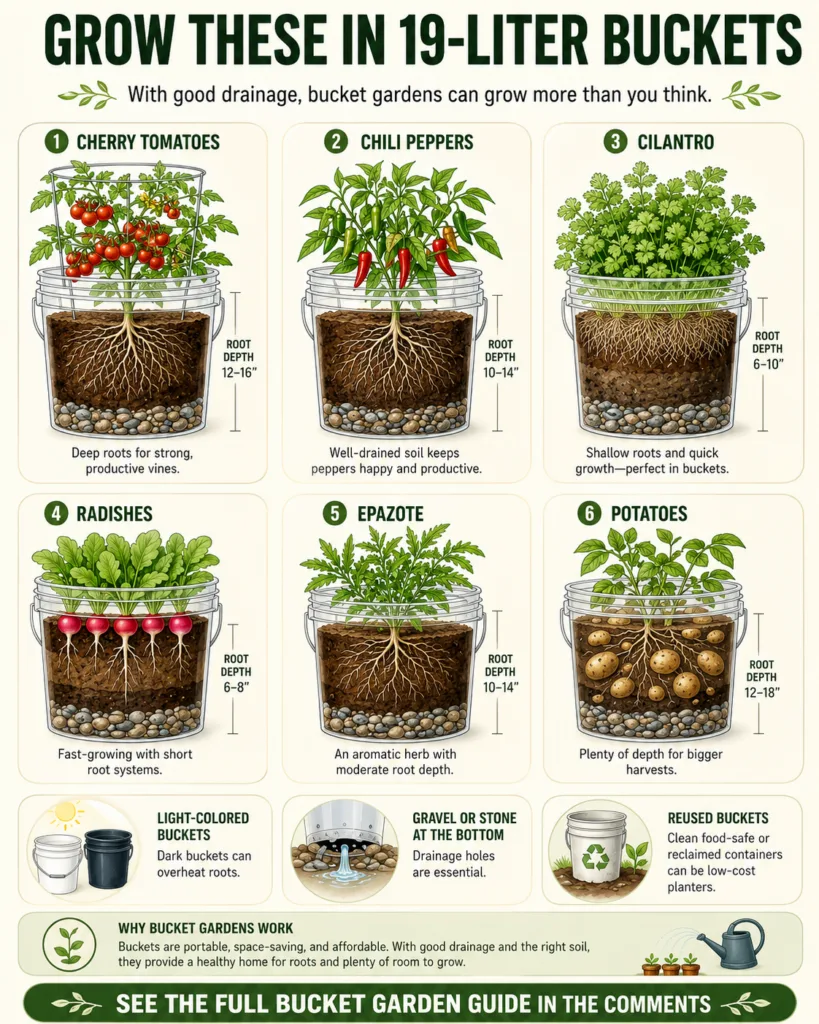 Discover just how many wonderful plants can thrive in a simple 19-liter bucket!
Why Bucket Gardening is a Game Changer
Before we dive into the ‘how-to,’ let’s chat about why growing in buckets is such a fantastic idea. It’s more than just a workaround for small spaces; it offers some real benefits:
- Portable Paradise: Need to move your plants to catch more sun, or bring them indoors during a sudden cold snap? No problem! Just pick up your bucket and relocate it.
- Space Saver Extraordinaire: Balconies, patios, small yards, or even a sunny windowsill can become a productive garden. You can tuck buckets into almost any nook and cranny.
- Budget-Friendly Beginnings: You don’t need expensive raised beds or fancy equipment. Many buckets can be reused from other purposes, making it a very economical way to start gardening.
- Weed Warrior (Less of a War, Actually): With individual containers, you’ll find far fewer weeds popping up compared to a traditional garden bed. Plus, any weeds that do appear are much easier to spot and pull.
- Better Soil Control: You get to choose exactly what goes into your buckets, ensuring your plants get the best possible start in rich, healthy soil. This is great for managing soilborne diseases too!
Choosing Your Buckets and Getting Them Ready
The 19-liter bucket (or a 5-gallon bucket) is truly the sweet spot for many plants, offering enough room for root development without being too heavy to move. But not just any bucket will do! Here’s what to look for and how to prepare them:
The Right Bucket Choices
- Size Matters: As we mentioned, 19-liter buckets are ideal. They offer plenty of space for root growth, which is crucial for healthy, productive plants.
- Light Colors are Your Friend: If possible, choose light-colored buckets (white, beige, or even light blue). Dark-colored buckets, especially black, absorb a lot of sunlight and can overheat the soil, potentially cooking your plant’s roots on hot summer days.
- Reused is Resourceful: Absolutely use reused buckets! Just make sure they previously held food-grade materials (like pickles, paint, or bulk foods) and are thoroughly cleaned before you plant anything in them. Avoid buckets that held harsh chemicals.
Prepping for Success: Drainage is Key!
This step is non-negotiable. Without proper drainage, your plants’ roots will sit in soggy soil, leading to root rot and a very unhappy plant. Here’s how to ensure good drainage:
- Drill Drainage Holes: Use a drill to make several (at least 5-8) holes, about 1/2 inch in diameter, in the bottom of each bucket. Spread them out for even drainage.
- Consider a Drainage Layer: While some gardeners skip this, adding a 1-2 inch layer of gravel or small stones at the very bottom of your bucket before adding soil can help prevent the drainage holes from getting clogged and ensure water can escape freely.
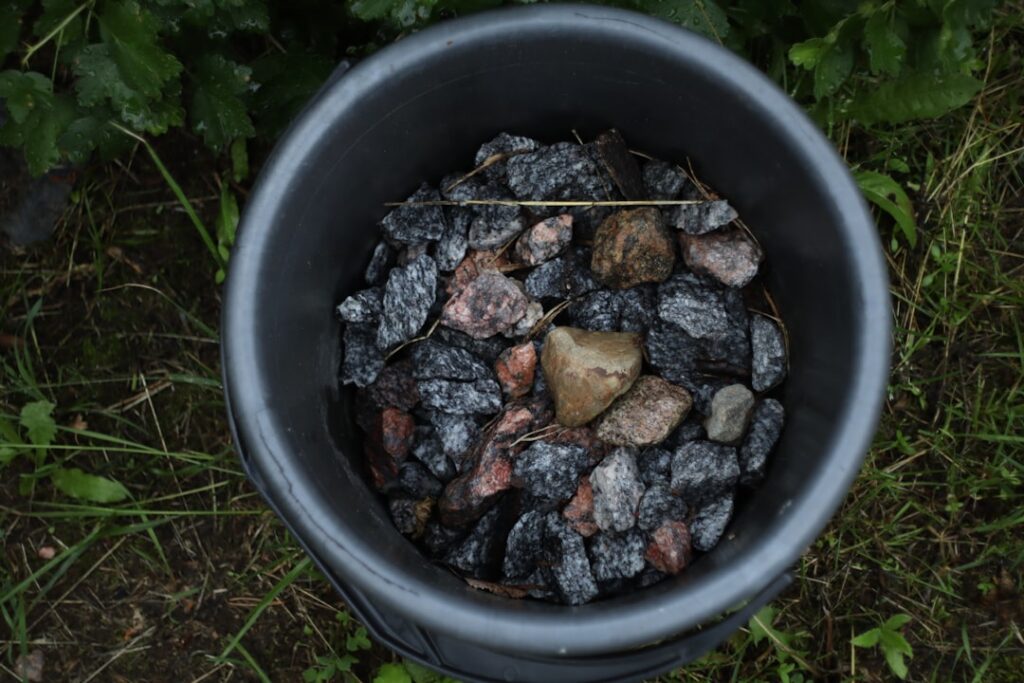 Proper drainage is vital for a healthy bucket garden. Don’t skip those holes!
What Can You Grow? A Bounty in Buckets!
You might be surprised by the variety of plants that absolutely love growing in a 19-liter bucket. Here are some of our favorites, many of which are highlighted in the infographic:
- Cherry Tomatoes: These prolific producers are perfect for buckets. They love the sun and will reward you with handfuls of sweet treats. Ensure they have a stake or cage for support as they grow. Root depth generally needs about 12-16 inches.
- Chili Peppers: From mild to fiery, peppers thrive in containers. They appreciate consistent watering and plenty of sunshine.
- Cilantro: This quick-growing herb is fantastic for fresh salsa and many other dishes. You can plant several cilantro plants in one bucket.
- Radishes: Quick, easy, and satisfying! Radishes mature very fast, making them an excellent choice for beginner gardeners or those looking for a quick harvest.
- Epazote: A unique herb popular in Mexican cuisine, epazote grows well in containers and adds a distinctive flavor to beans and other dishes.
- Potatoes: Yes, even potatoes can be grown in buckets! You’ll need to ‘hill’ them by adding more soil as the plant grows, covering the stems. This encourages more potato formation.
Beyond these, consider leafy greens like lettuce and spinach, bush beans, smaller varieties of squash or cucumbers (with support), and almost any herb imaginable!
Essential Tips for a Thriving Bucket Garden
To ensure your bucket garden flourishes, keep these simple tips in mind:
1. Quality Potting Mix is Paramount
Don’t skimp on your soil! Use a high-quality, well-draining potting mix specifically formulated for containers. Garden soil can be too dense and may introduce pests or diseases. Look for mixes that include compost for good organic soil health and nutrients to get your plants off to a great start.
2. Watering Wisely
Plants in containers generally need more frequent watering than those in the ground because the soil dries out faster. Check the soil moisture daily by sticking your finger about an inch deep. If it feels dry, it’s time to water until it drains from the bottom. Consistency is key!
3. Embrace the Sun
Most vegetables and herbs need at least 6-8 hours of direct sunlight per day to produce well. Place your buckets in the sunniest spot you have, and remember the portability benefit—you can move them if the sun shifts!
4. Feed Your Plants
Container plants use up nutrients in their limited soil volume quickly. Plan to feed them regularly with a balanced liquid fertilizer, following the product’s instructions. A slow-release granular fertilizer mixed into the soil at planting can also be a good start.
5. Provide Support for Taller Growers
For plants like cherry tomatoes, peppers, or vining cucumbers, you’ll need to provide stakes, cages, or trellises right at planting time. This helps support the plant as it grows and becomes laden with fruit, preventing it from toppling over.
[IMAGE PLACEHOLDER: A healthy tomato plant growing in a 5-gallon bucket with a sturdy tomato cage providing support.]
Stakes or cages are essential for taller plants like tomatoes to keep them upright and productive.
Time to Get Growing!
Starting a bucket garden is an incredibly rewarding experience. It’s an accessible way to enjoy the freshest flavors, connect with nature, and even save a little money on groceries. With just a few simple buckets, some good soil, and a sunny spot, you’ll be amazed at the bounty you can harvest.
So, gather your buckets, roll up your sleeves, and get ready to transform your small space into a productive and beautiful garden. Happy planting!