Hello, fellow garden enthusiasts! Have you ever dreamt of having fresh herbs and vegetables right at your fingertips, even if you don’t have a sprawling backyard? Well, I’m here to tell you it’s not just a dream! With just a sunny windowsill, you can cultivate a surprising array of delicious edibles, bringing a touch of green and a burst of flavor into your home.
Many of us cherish the idea of a vibrant garden, but urban living or limited space often makes it seem out of reach. That’s where windowsill gardening shines! It’s a delightful way to connect with nature, enjoy fresh produce, and even save a little money on groceries, all from the comfort of your kitchen or living room. It’s truly a small step that yields big rewards.
 Imagine these beauties gracing your windows!
Why Embrace Windowsill Gardening?
Beyond the simple joy of watching something grow, bringing your garden indoors offers a host of practical benefits:
- Freshness at Your Fingertips: No more trips to the store for a single sprig of basil! Harvest exactly what you need, when you need it.
- Convenience: Your ‘garden’ is just steps away. Water, prune, and harvest without stepping outside.
- Cost Savings: Over time, growing your own herbs and some vegetables can reduce your grocery bill.
- Control What You Eat: You decide what goes into your plants – no pesticides or unwanted chemicals when you grow organically.
- Boost Your Mood: Studies show that having plants indoors can improve well-being and air quality.
- Perfect for Small Spaces: Apartments, condos, or homes with limited yard space are ideal for this kind of gardening.
Setting Up Your Windowsill Wonderland
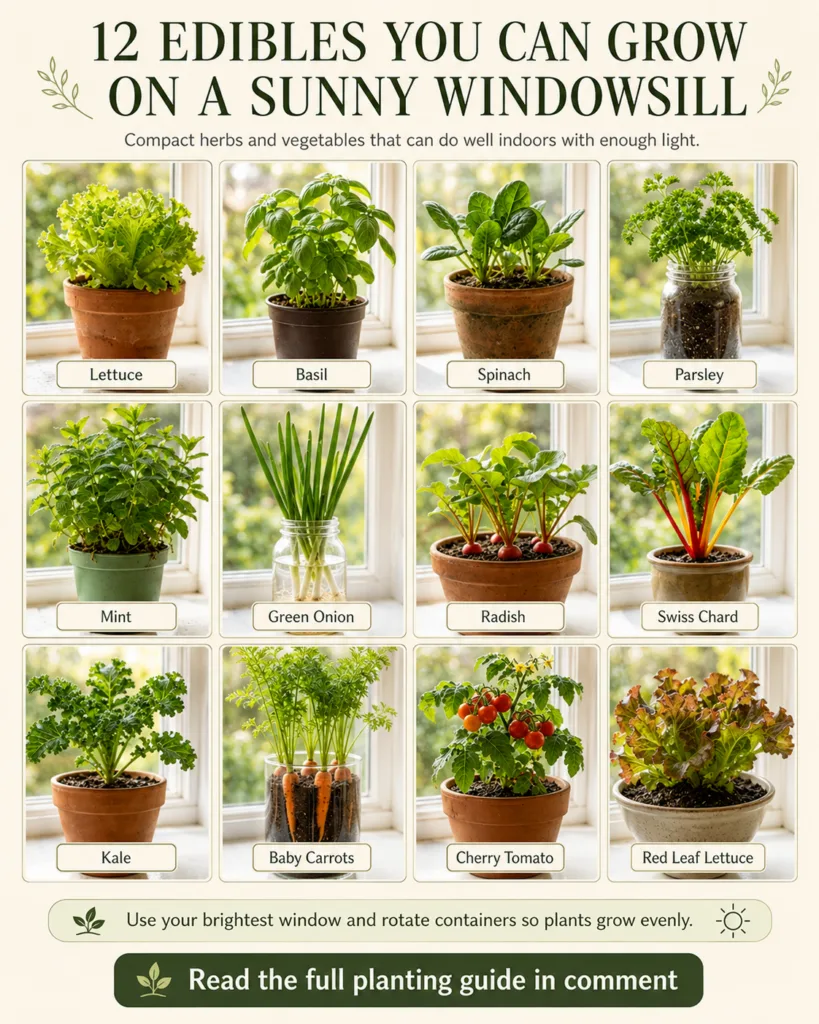
The key to success in windowsill gardening is, as our infographic highlights, a sunny windowsill. Most edible plants crave sunlight, ideally 4-6 hours of direct sun per day. A south-facing window is usually best, but east or west-facing windows can also work well, especially for herbs.
What You’ll Need:
- Pots with Drainage: This is crucial! Terra cotta, ceramic, or plastic pots (at least 6-8 inches deep for most plants) with holes at the bottom are perfect.
- Good Quality Potting Mix: Not garden soil! Choose a light, well-draining potting mix specifically designed for containers. Organic options are great.
- Seeds or Small Starts: Many herbs and greens are easy to start from seed, while others might get a head start from small nursery plants.
- Watering Can: A small one with a fine spout is helpful to avoid overwatering.
- Tray or Saucer: To catch excess water and protect your windowsill.
12 Wonderful Edibles for Your Windowsill
Let’s dive into some of the stars from our infographic, along with a few friendly tips for each:
1. Radishes
These peppery little roots are surprisingly fast growers! They prefer cooler temperatures and consistent moisture. Sow seeds directly into pots and harvest in just 3-4 weeks. Keep the soil consistently moist for juicy, tender radishes.
2. Cherry Tomatoes
While they need the sunniest spot you’ve got, dwarf or ‘patio’ varieties of cherry tomatoes can flourish indoors. Give them a deep pot (at least 8-10 inches) and consider a small stake or cage for support as they grow. Pollinate gently by shaking the plant or tapping flowers.
3. Carrots (Dwarf Varieties)
Look for ‘Chantenay’ or ‘Paris Market’ varieties, which produce shorter, rounder roots. They need a deep pot (at least 8-10 inches) filled with loose, sandy potting mix. Thin seedlings to give each carrot room to grow.
4. Spinach
A true cool-season crop, spinach thrives in bright, indirect light or morning sun. Sow seeds every few weeks for a continuous harvest of tender leaves. Harvest outer leaves to encourage more growth.
5. Swiss Chard
With its vibrant stems and nutritious leaves, Swiss chard is a beautiful and tasty addition. It’s quite forgiving and can tolerate a bit less sun than some others. Harvest outer leaves as needed.
6. Lettuce
Loose-leaf varieties are perfect for containers. Sow seeds every couple of weeks for a steady supply. Lettuce prefers cooler temperatures and consistent moisture. ‘Cut-and-come-again’ harvesting means you can snip outer leaves and let the plant continue producing.
7. Scallions / Green Onions
One of the easiest! You can even regrow them from store-bought scallion bottoms. Place the white root ends in a shallow glass of water, then transfer to a pot with soil once new green shoots appear. Keep harvesting the green tops.
8. Microgreens
These tiny powerhouses are super quick to grow. Spread seeds densely in a shallow tray filled with potting mix, mist daily, and harvest with scissors when they are just a few inches tall, typically in 1-3 weeks. Radish, broccoli, and pea shoots are popular choices.
9. Basil
A sun-lover! Basil needs at least 6 hours of sun and consistent warmth. Pinch off the top sets of leaves regularly to encourage bushier growth and prevent flowering, which can make the leaves bitter.
10. Mint
Mint is notoriously vigorous and best grown in its own pot to prevent it from taking over other plants. It likes moist soil and can tolerate a little less sun than basil. Keep pinching leaves for teas, cocktails, or culinary uses.
11. Chives
These oniony delights are easy to grow from seed or a small plant. They prefer bright light and consistent moisture. Snip the grassy tops with scissors whenever you need them, and they’ll regrow quickly.
12. Rosemary
Rosemary loves abundant sunshine and good air circulation. It prefers its soil to dry out slightly between waterings. Prune regularly to maintain its shape and encourage new growth. A perfect herb for savory dishes!
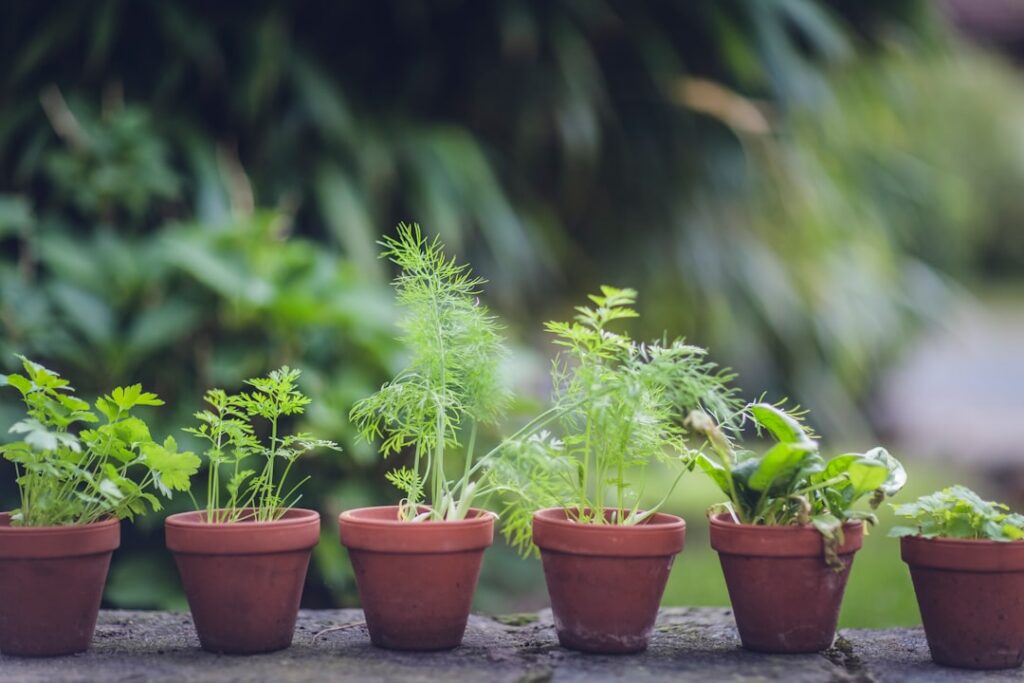 Imagine the aroma of fresh herbs filling your kitchen!
General Tips for Success with Your Indoor Garden
- Water Wisely: Check the soil moisture daily by sticking your finger about an inch deep. Water when the top inch feels dry. Ensure excess water drains out.
- Rotate Your Pots: Turn your pots every few days so all sides of the plant get equal sunlight.
- Fertilize Sparingly: Indoor plants don’t need as much as outdoor ones. A diluted liquid organic fertilizer every 2-4 weeks during the growing season is usually enough.
- Watch for Pests: Inspect your plants regularly for common indoor pests like aphids or spider mites. A gentle spray of neem oil solution can help if you spot any.
- Harvest Often: Regular harvesting encourages more growth! Don’t be shy about snipping off leaves.
- Consider Supplemental Light: If your windowsill isn’t quite sunny enough, a small LED grow light can make a big difference, especially in winter.
Happy Growing!
Starting a windowsill garden is a wonderfully rewarding experience that connects you to your food and adds a touch of natural beauty to your home. It doesn’t require a lot of space or fancy equipment, just a sunny spot and a little bit of care.
So, why not give it a try? Pick one or two of these delightful edibles, grab some pots and soil, and begin your indoor gardening adventure today. You’ll be amazed at how much joy (and flavor!) a small patch of green can bring into your life. Happy planting!