Imagine expanding your beautiful garden without spending a dime on new plants. Sounds like a dream, right? Well, it’s a reality with hardwood cuttings! This simple, cost-effective method allows you to propagate many of your favorite shrubs, creating new plants from existing ones. Not only is it incredibly rewarding, but it’s also a fantastic way to share plants with friends or fill out those empty spaces in your landscape.
At Garden – L. Quyên, we’re all about empowering you with easy, practical gardening tips. Propagating shrubs from hardwood cuttings is a prime example of how you can achieve a lush, vibrant garden on a budget. Let’s dive into the world of hardwood cuttings and turn you into a plant propagation pro!
What Are Hardwood Cuttings?
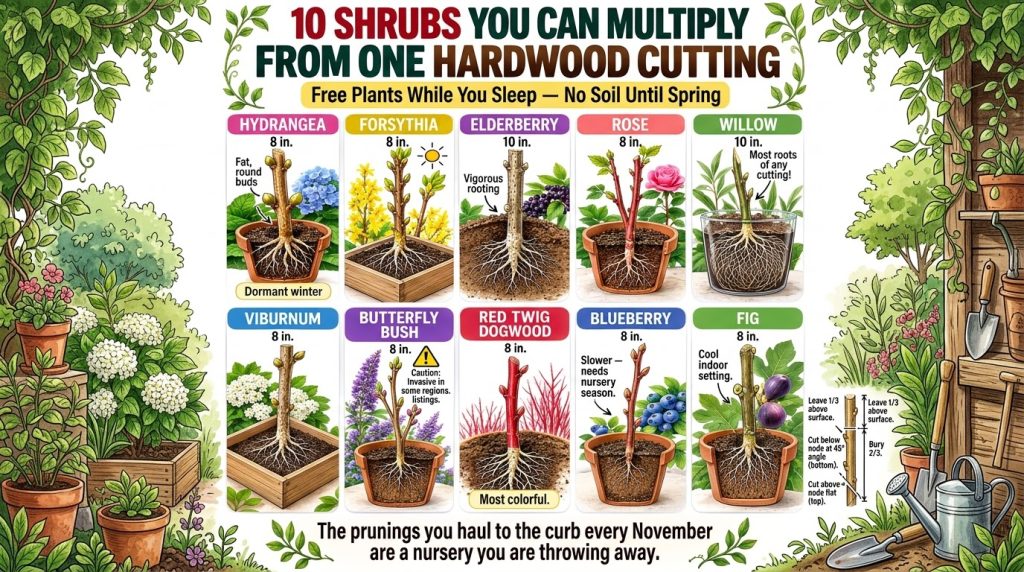
Hardwood cuttings are sections taken from mature, dormant stems of woody plants. Unlike softwood cuttings, which are taken from new, flexible growth, hardwood cuttings are firm, well-established, and usually taken during the plant’s dormant season, typically late autumn or winter. This dormancy means the plant isn’t actively growing, focusing its energy on root development rather than leaf production, which often leads to a higher success rate for many shrub varieties.
Why Choose Hardwood Cuttings?
- Cost-Effective: The most obvious benefit is that it’s free! You’re using material from existing plants.
- Expand Your Garden: Easily create more of your favorite shrubs to fill your garden, share with neighbors, or replace older plants.
- Preserve Varieties: If you have a unique or heirloom variety, taking cuttings ensures you can continue its lineage.
- Rewarding Experience: There’s immense satisfaction in watching a new plant grow from a simple stick!
- Reduced Stress: Dormant cuttings are often less prone to drying out than actively growing softwood cuttings.
When Is the Best Time to Take Hardwood Cuttings?
The ideal time for taking hardwood cuttings is during the dormant season, which generally falls between late autumn (after leaves have dropped) and late winter (before new growth begins). For many regions, this means November through February. The cooler temperatures and absence of active growth give the cuttings the best chance to focus on rooting.
What You’ll Need: Essential Tools and Materials
Gathering your supplies beforehand will make the process smooth and enjoyable:
- Sharp Pruning Shears or a Knife: Clean and sharp tools are crucial for making clean cuts, which promote healing and prevent disease. Sterilize them with rubbing alcohol before use.
- Rooting Hormone: While not always mandatory, rooting hormone (powder or gel) significantly increases the success rate by encouraging root development.
- Potting Mix or Sandy Soil: A well-draining medium is essential. A mix of peat and perlite or sand works wonderfully.
- Pots or a Prepared Garden Bed: Individual pots, a nursery bed, or even a trench in a sheltered garden spot can be used.
- Labels and a Marker: Don’t underestimate the importance of labeling your cuttings with the plant name and date!
- Watering Can: For gentle watering.
- Plastic Bag or Dome (Optional): To create a humid environment if rooting indoors or in a greenhouse.
Step-by-Step Guide to Propagating Shrubs from Hardwood Cuttings
Step 1: Select Your Parent Plant and Cuttings
Choose a healthy, vigorous, disease-free parent plant. Look for stems that are about the thickness of a pencil and have grown in the current season, but are fully matured and dormant. Avoid very old, woody stems or very new, soft growth.
Step 2: Take Your Cuttings
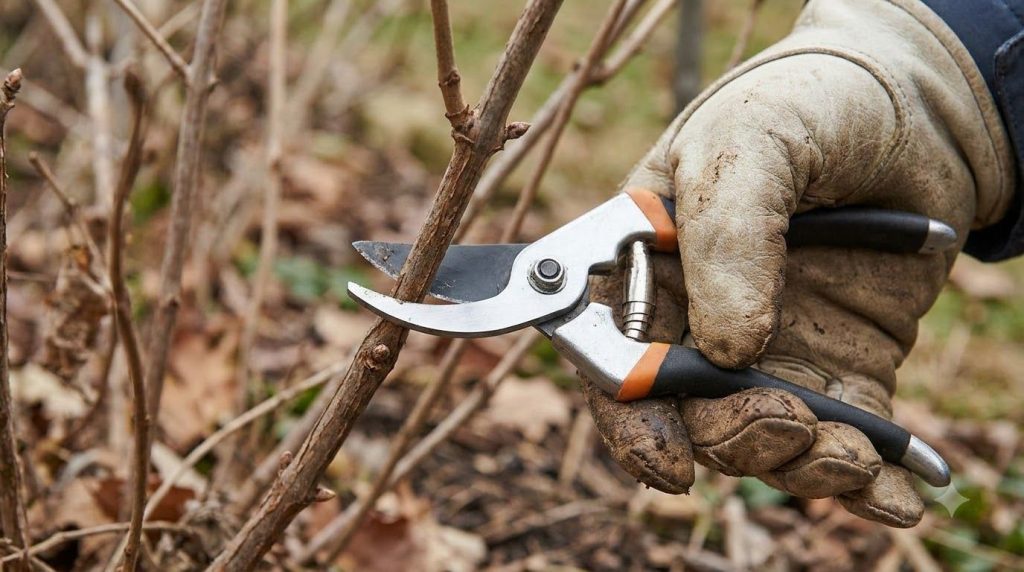
Using your clean, sharp pruning shears, take cuttings that are 6 to 12 inches long. Make the bottom cut just below a node (where a leaf or bud was attached, as this is where roots are most likely to form). Make the top cut above a node, either straight or at an angle, to help you distinguish the top from the bottom. Remove any remaining leaves or buds from the lower half of the cutting.
Step 3: Prepare the Cuttings
Dip the bottom end of each cutting into rooting hormone. If using powder, tap off any excess. This step significantly boosts your chances of success.
Step 4: Plant the Cuttings
Create holes in your prepared potting mix or garden bed using a stick or your finger. Plant the cuttings about 2/3 of their length deep, ensuring at least one node is buried. Space them a few inches apart if planting in a bed. Gently firm the soil around each cutting to remove air pockets.
Step 5: Water and Care
Water the cuttings thoroughly after planting. Keep the soil consistently moist but not waterlogged. If planting outdoors, choose a sheltered spot away from strong winds and direct, harsh sun. For indoor cuttings, a warm, bright location (but not direct sunlight) is ideal. A plastic dome or bag can help maintain humidity.
Step 6: Patience and Observation
Rooting can take anywhere from a few weeks to several months, depending on the plant species. You’ll know they’ve rooted when you see new growth emerging from the top. Give them a gentle tug; if there’s resistance, roots have formed!
Shrubs That Are Great for Hardwood Cuttings
Many popular garden shrubs can be successfully propagated this way:
- Dogwood
- Forsythia
- Hydrangea (some varieties)
- Rose (especially shrub roses)
- Willow
- Currants & Gooseberries
- Spirea
- Blueberry
- Privet
- Viburnum
Tips for Success
- Stay Organized: Label everything! It’s easy to forget what you planted where.
- Bottom Heat: For indoor cuttings, a heating mat can provide gentle bottom heat, which encourages root growth.
- Protect from Pests: Keep an eye out for slugs, snails, or other pests if planting outdoors.
- Winter Protection: If you’re planting outside in very cold climates, consider adding a layer of mulch for insulation.
- Don’t Rush It: Resist the urge to pull up cuttings to check for roots too often. Patience is a gardener’s best friend.
Propagating shrubs from hardwood cuttings is a truly gratifying aspect of gardening. Not only do you get to expand your plant collection for free, but you also deepen your connection to nature by understanding and participating in the plant life cycle. Give it a try this dormant season and watch your garden multiply!
Do you have a favorite shrub you’ve propagated from cuttings? Share your experiences and tips with us in the comments below!