Most people think of carob as a simple chocolate substitute or a health-food novelty. But this common fruit holds a secret power many never imagine, especially when prepared correctly. Forget the vague health claims; we’re talking about a genuinely soothing tonic that can gently support your digestion and bring a sense of calm. If you’ve been looking for a comforting, caffeine-free alternative to your evening brew, or a natural way to ease digestive discomfort, you’re about to discover how to unlock carob’s true potential.

What is Carob and Why a Soothing Tonic?
Carob, scientifically known as Ceratonia siliqua, comes from a flowering evergreen tree native to the Mediterranean region. Its long, dark brown pods are dried and then often ground into a fine powder. Unlike cocoa, carob is naturally sweet, caffeine-free, and contains no theobromine, which can be a stimulant for some. It’s also a good source of fiber, particularly insoluble fiber, which is known for its role in digestive health.
The beauty of a carob soothing tonic lies in its gentle action. The fiber in carob can help regulate digestion, while its natural sweetness provides comfort without the jitters associated with caffeine. It’s an ideal choice for unwinding in the evening or for when your stomach needs a little extra care.
Ingredients for Your Carob Soothing Tonic
Creating this comforting drink requires just a few simple, high-quality ingredients:
- Unsweetened Carob Powder: The star of our tonic. Ensure it’s pure carob, not a blend with added sugars or fillers.
- Water or Plant-Based Milk: Choose filtered water for a lighter tonic, or almond, oat, or soy milk for a creamier, richer texture.
- Optional Sweetener: A touch of maple syrup, honey, or a natural sugar alternative if you prefer a sweeter drink. Carob is naturally sweet, so taste before adding.
- Optional Spices: A pinch of cinnamon, nutmeg, or cardamom can add warmth and depth to your tonic.
Approximate Measurements (for one serving)
- 1-2 tablespoons unsweetened carob powder
- 1 cup (240ml) water or plant-based milk
- 1/2 – 1 teaspoon optional sweetener (to taste)
- Pinch of optional spice
Your Carob Soothing Tonic Formula / Recipe
This basic formula is easy to master and provides a delicious, comforting drink.
Yields: 1 serving
Prep time: 2 minutes
Cook time: 3-5 minutes
Step-by-Step Method
- Combine Carob Powder and Liquid: In a small saucepan, add 1-2 tablespoons of carob powder and a splash (about 1/4 cup) of your chosen liquid (water or milk).
- Create a Smooth Paste: Whisk vigorously to dissolve the carob powder and create a smooth paste. This prevents lumps later on.
- Add Remaining Liquid: Gradually add the remaining 3/4 cup of liquid to the saucepan, continuing to whisk until well combined.
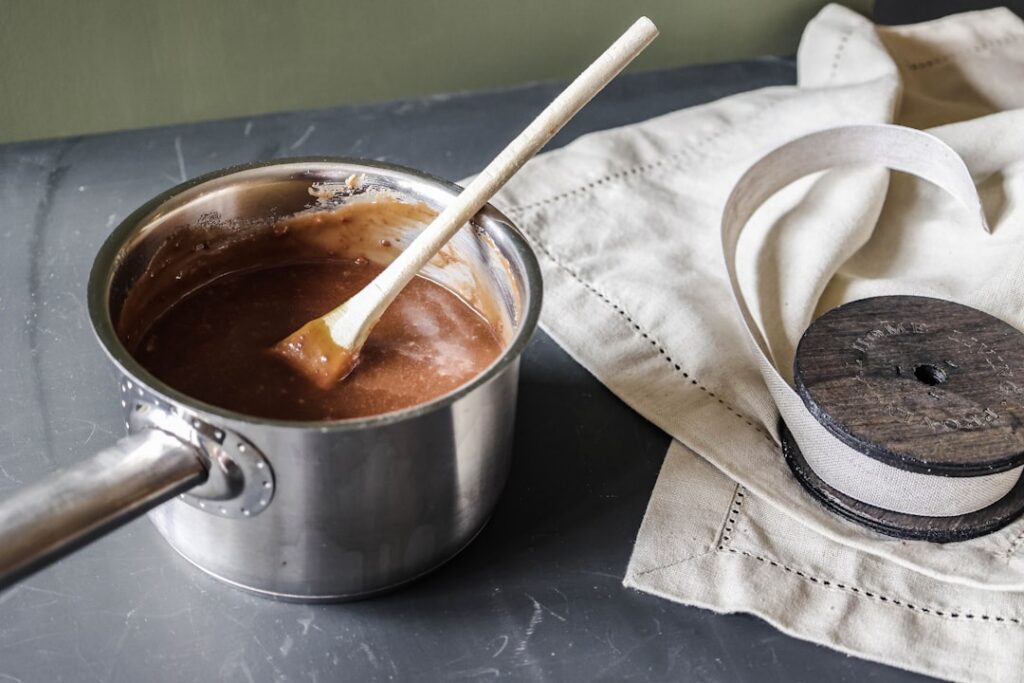
- Heat Gently: Place the saucepan over medium-low heat. Stir frequently to prevent sticking and ensure even heating.
- Simmer (Do Not Boil): Heat until the tonic is steaming and just begins to simmer around the edges. Avoid aggressive boiling, as this can alter the flavor.
- Sweeten and Spice (Optional): Remove from heat. Stir in your preferred sweetener and spices, tasting as you go.
- Serve Warm: Pour into your favorite mug and enjoy immediately.
How to Use Your Carob Tonic
This tonic is best enjoyed warm. It’s perfect as a comforting drink:
- Before Bed: Its caffeine-free nature makes it an excellent choice to help you wind down in the evening.
- After Meals: The fiber content can aid digestion, making it a soothing post-meal beverage, especially after a rich meal.
- As a Coffee/Tea Alternative: For those looking to reduce caffeine intake, it offers a satisfying, warm drink alternative any time of day.
How Often to Use It
The carob soothing tonic can be enjoyed daily, or as often as you like. Since it’s caffeine-free and gentle, there are no strict limits on frequency. Listen to your body and enjoy it whenever you seek comfort or digestive support.
How to Buy / How to Choose Ingredients
The quality of your carob powder significantly impacts the taste and efficacy of your tonic.
- Carob Powder: Look for ‘unsweetened’ and ‘organic’ carob powder from reputable brands. The color should be a rich, consistent brown. Avoid powders that smell stale or have a grayish tint.
- Plant-Based Milk: Choose unsweetened varieties to control the overall sugar content of your tonic.
Quick Tip: Carob Forms Compared
While this recipe focuses on powder, it’s good to know your options:
| Carob Form | Best For Tonic? | Flavor Profile | Preparation Notes |
|---|---|---|---|
| Carob Powder | Yes, ideal | Mildly sweet, malty | Mixes easily, readily available |
| Carob Pods (raw) | No (too fibrous) | Very sweet, chewy | Mainly for snacking or making syrup |
| Carob Syrup | Yes (as a sweetener) | Intensely sweet, molasses-like | Can be used to sweeten the powder tonic, or diluted |
Storage
- Carob Powder: Store in an airtight container in a cool, dark pantry. It generally has a long shelf life (1-2 years) if stored correctly.
- Prepared Tonic: The carob tonic is best consumed fresh. If you have leftovers, store them in an airtight container in the refrigerator for up to 24 hours. Reheat gently on the stovetop.
Practical Tips for the Best Carob Tonic
- Pre-Mix for Smoothness: Always mix the carob powder with a small amount of liquid first to form a smooth paste before adding the rest of the liquid. This is crucial for a lump-free tonic.
- Experiment with Liquids: While plant-based milks add creaminess, water allows the pure carob flavor to shine. Try both!
- Flavor Enhancers: A drop of vanilla extract, a tiny pinch of sea salt, or a slice of fresh ginger can elevate the flavor profile.
- Iced Carob Tonic: While best warm for soothing effects, a cooled carob tonic can be refreshing in warmer weather. Just ensure it’s fully dissolved and smooth before chilling.
Common Mistakes to Avoid
Even a simple tonic can go wrong if you’re not careful:
- Not Dissolving Properly: The biggest culprit for a gritty or lumpy tonic. Always make a paste first.
- Aggressive Boiling: Boiling carob can make it taste slightly bitter or burnt. Gentle simmering is key.
- Over-Sweetening: Carob is naturally sweet. Taste your tonic before adding sweeteners, and add sparingly.
- Using Low-Quality Powder: Cheap carob powder can be bland, gritty, or have an off-flavor. Invest in a good quality, unsweetened powder.
- Ignoring Dietary Needs: If using store-bought carob products, always check labels for hidden sugars or allergens, especially if you have sensitivities.
You may also like: Learn how to make our DIY Ginger-Turmeric Anti-Inflammatory Tonic.
Cautions / Who Should Avoid It
Carob is generally considered safe for most people, but a few considerations are worth noting:
- Allergies: While rare, some individuals may be allergic to carob. If you experience any adverse reactions, discontinue use.
- Blood Sugar: Despite being naturally sweet, carob does contain sugars. Individuals managing blood sugar levels (e.g., diabetics) should consume it in moderation and monitor their intake, especially if adding extra sweeteners.
- Medication Interactions: Carob is high in fiber, which can sometimes interfere with the absorption of certain medications if taken simultaneously. Consult your healthcare provider if you have concerns.
Quick Summary: Your Carob Soothing Tonic
- Best Preparation: Gentle simmer of carob powder and liquid, pre-mixed to a paste.
- Best Use-Case: Soothing digestive support, caffeine-free evening drink, comforting alternative to coffee/tea.
- Storage: Powder in airtight container; tonic best fresh, up to 24 hours refrigerated.
- When to Use: Daily, as needed for comfort or digestive aid, especially before bed.
- What to Avoid: Aggressive boiling, lumpy powder, low-quality ingredients, excessive added sweeteners.
FAQ
- Can I use carob pods instead of powder for this tonic?
While you can extract flavor from pods, it’s a more involved process. Carob powder is much easier and more consistent for this tonic. - How long does carob powder last?
Stored properly in an airtight container in a cool, dark place, carob powder can last for 1-2 years. - Does carob contain caffeine?
No, carob is naturally caffeine-free, making it an excellent choice for those sensitive to stimulants. - Can I make a big batch of the tonic and store it?
It’s best made fresh, but you can refrigerate leftovers for up to 24 hours. Reheat gently. - Is carob good for digestion?
Yes, carob is rich in dietary fiber, which can help support healthy digestion and bowel regularity. - What’s the difference between carob and cocoa?
Carob is naturally sweet and caffeine-free, with a slightly malty flavor. Cocoa is more bitter, contains caffeine and theobromine. - Can children drink carob tonic?
Yes, carob is generally safe for children and can be a healthy, caffeine-free alternative to hot chocolate. Always consult a pediatrician if you have concerns. - Can I add milk to this tonic?
Absolutely! Plant-based milks like almond, oat, or soy milk create a creamier, richer tonic.
Read more: See our full guide to natural digestive aids for more insights.
Conclusion
Carob is far more than just a chocolate substitute; it’s a versatile, naturally sweet fruit with genuine potential for comfort and digestive support. By transforming it into a simple soothing tonic, you unlock a delicious, caffeine-free remedy that can become a cherished part of your daily routine. Take the few minutes to prepare this gentle drink, and you might just discover the hidden power of this common, yet often overlooked, super-fruit.