Most people dismiss it as nothing more than a common weed, a tenacious plant that pops up in disturbed soil, roadsides, and neglected garden corners. But what if this widespread plant, with its distinctive deeply lobed leaves and silvery-white underside, held a secret? What if this ‘weed’ was, in fact, an herbal treasure, brimming with practical uses for home remedies? Today, we’re pulling back the curtain on Mugwort (Artemisia vulgaris), a natural wonder often overlooked, but cherished by herbalists for centuries.
While often seen as a nuisance, Mugwort is an incredibly versatile herb. Forget the vague historical accounts; we’re diving straight into how you can safely and effectively harness its potential for your own DIY remedies, focusing on a soothing infused oil that’s perfect for everyday aches and discomforts.
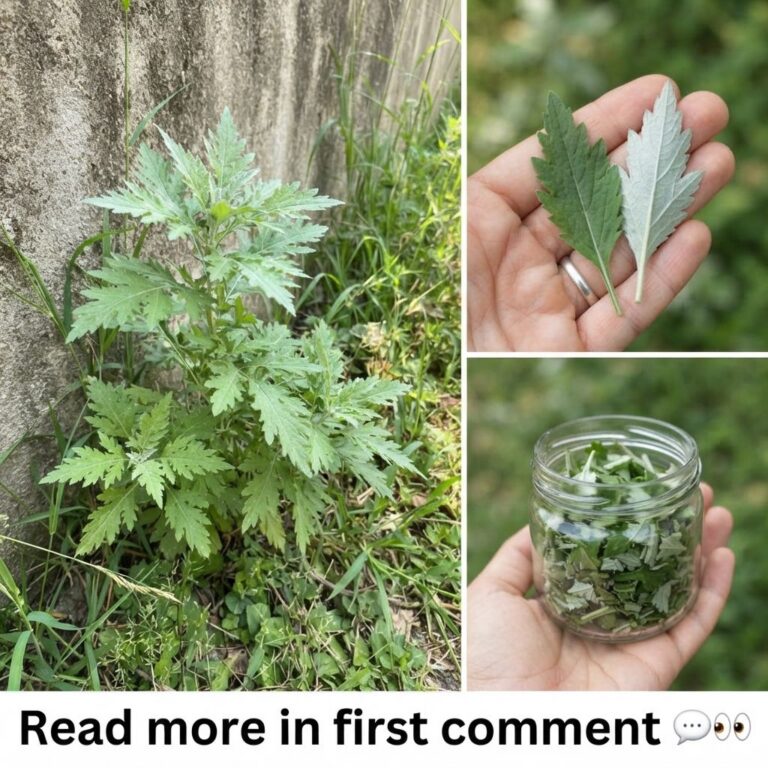
What is Mugwort?
Mugwort, scientifically known as Artemisia vulgaris, is a perennial herb belonging to the daisy family. It’s easily recognizable by its striking foliage: dark green leaves with deep, jagged lobes on top, and a soft, downy, silvery-white underside that gives it an almost ethereal glow in the right light. It has a distinctive, slightly bitter, aromatic scent, especially when crushed. You’ll find it growing robustly in temperate regions across the globe, often preferring sunny spots with well-drained soil.
Historically, Mugwort has been a staple in European, Asian, and Native American traditional medicine. While often consumed as a tea or smoked in older traditions, its external applications are particularly popular for their soothing properties without the complexities of internal dosing.
Practical Tip: Identifying Mugwort
When foraging, always be 100% certain of your identification. Mugwort often grows to 3-5 feet tall with reddish-purple stems. The key is the characteristic leaf: deeply lobed, green on top, silvery-white and fuzzy underneath. Crush a leaf and smell for its distinct, slightly sage-like aroma. Avoid areas prone to herbicides or pollutants.
Mugwort Infused Oil: Your DIY Soothing Solution
An infused oil is one of the simplest and most effective ways to extract Mugwort’s beneficial compounds for topical use. It’s perfect for creating a soothing massage oil for tired muscles, stiff joints, or for skin that needs a little extra care.
Ingredients
- 1 cup (approximately 30-50g) dried Mugwort leaves and/or flowering tops, coarsely chopped
- 2 cups carrier oil (e.g., organic olive oil, sweet almond oil, jojoba oil)
- Optional: A few drops of Vitamin E oil (as a preservative, helps prevent rancidity)
Approximate Measurements
The ratio of herb to oil is flexible, but a good starting point is about 1 part dried herb to 2 parts oil by volume, or enough oil to fully submerge the plant material with a little extra room.
Formula / Recipe: Solar-Infused Mugwort Oil
This method uses gentle heat from the sun to slowly infuse the oil, preserving the delicate compounds of the Mugwort.
Step-by-Step Method
- Prepare Your Mugwort: If using fresh Mugwort, ensure it is thoroughly dry before chopping. This step is CRUCIAL to prevent mold. Lay it out on a clean cloth or screen in a well-ventilated area away from direct sun for several days until completely brittle. Once dry, coarsely chop the leaves and flowering tops.
- Pack the Jar: Place the chopped dried Mugwort into a clean, dry glass jar (a pint or quart jar works well).
- Add Carrier Oil: Pour your chosen carrier oil over the Mugwort, making sure all the plant material is completely submerged. Leave about an inch of headspace at the top of the jar.
- Stir and Seal: Use a clean spoon or chopstick to gently stir the mixture, releasing any air bubbles. Top off with more oil if needed. Securely cap the jar.
- Infuse: Place the sealed jar in a sunny windowsill or another warm spot. Allow it to infuse for 4-6 weeks. Give the jar a gentle shake daily or every few days to encourage infusion.
- Strain the Oil: After the infusion period, strain the oil. Place a fine-mesh sieve lined with cheesecloth over a clean bowl. Pour the oil and herb mixture into the sieve.
- Press and Bottle: Gather the corners of the cheesecloth and gently squeeze out all the remaining oil from the herb material. Discard the spent plant material.
- Add Preservative (Optional): Stir in a few drops of Vitamin E oil (about 400 IU per cup of oil) to extend shelf life.
- Store: Pour the finished Mugwort oil into a clean, dark glass bottle and label clearly with the contents and date.
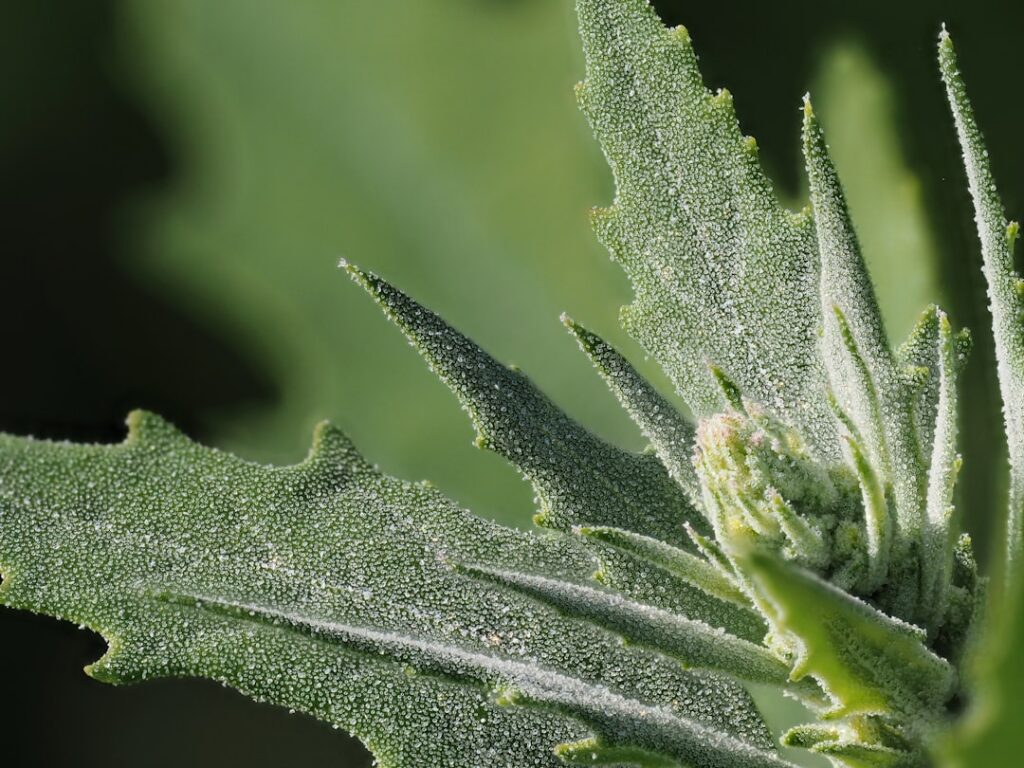
How to Use Mugwort Infused Oil
Mugwort infused oil is primarily used topically.
- Muscle & Joint Rub: Gently massage the oil into sore muscles, stiff joints, or areas of tension. It’s particularly popular for pre- or post-workout recovery or for soothing everyday stiffness.
- Skin Soother: Apply a small amount to calm irritated skin (after a patch test) or for dry, chapped areas.
- Relaxation Aid: Massage into the temples or neck before bedtime to promote a sense of calm and relaxation.
How Often to Use
For muscle and joint discomfort, you can apply Mugwort oil 1-3 times daily as needed. For general skin soothing or relaxation, use it once daily or as desired. Always start with a small amount to ensure no adverse reaction.
How to Buy / How to Choose Ingredients
- Foraging: If you choose to forage, ensure you can positively identify Mugwort and harvest from areas free of pesticides, herbicides, and pollution (e.g., away from roadsides). Harvest in late spring to early summer before flowering for peak leaf potency.
- Buying Dried Mugwort: Purchase from reputable organic herb suppliers. Ensure the herb is vibrant in color and still aromatic, indicating freshness.
- Carrier Oils: Choose high-quality, cold-pressed organic carrier oils like olive, almond, or jojoba oil.
Fresh vs. Dried Mugwort for Oil Infusion
| Feature | Fresh Mugwort | Dried Mugwort |
|---|---|---|
| Preparation | Must be fully dried to prevent mold. | Ready to use. |
| Moisture Content | High, high risk of rancidity/mold in oil if not dried. | Low, ideal for oil infusions. |
| Potency | Good if dried correctly; requires careful handling. | Reliable and consistent. |
| Availability | Seasonal (spring-summer). | Year-round from suppliers. |
| Recommendation | Only if you can fully air dry it. | Preferred for infused oils due to lower moisture risk. |
Storage
- Dried Mugwort: Store in an airtight container away from light, heat, and moisture. It will retain potency for up to 1 year.
- Mugwort Infused Oil: Store the finished oil in a dark glass bottle in a cool, dark place. Properly stored, it can last for 6 months to 1 year, depending on the shelf life of your carrier oil. If it develops an off smell or changes color, discard it.
Common Mistakes
- Misidentification: Mistaking Mugwort for a poisonous lookalike can be dangerous. Always confirm identification with a reliable field guide or expert.
- Using Wet Herb: Infusing oil with fresh, undried Mugwort introduces water, leading to mold growth and oil spoilage. Always dry fresh herbs completely.
- Using Sprayed Plants: Harvesting from areas treated with pesticides or herbicides introduces toxins into your remedy.
- Boiling the Oil: High heat can degrade the delicate compounds in both the herb and the oil. Use low, gentle heat or solar infusion.
- Skipping Patch Test: Applying directly to a large area without a patch test can lead to unexpected skin reactions.
Cautions / Who Should Avoid It
- Pregnancy and Nursing: Mugwort is traditionally considered an emmenagogue and should be avoided by pregnant or nursing individuals.
- Ragweed Allergy: Individuals with a known allergy to ragweed or other plants in the Asteraceae/Daisy family (like chamomile, marigold, or chrysanthemums) may experience cross-reactivity and should use Mugwort with caution or avoid it.
- Epilepsy: Some sources suggest Mugwort should be avoided by individuals with epilepsy due to certain compounds.
- Sensitive Skin: Always perform a patch test on a small area of skin before widespread application to check for sensitivity or allergic reactions.
- Internal Use: This article focuses solely on external use. Internal use of Mugwort should only be done under the guidance of a qualified herbalist or healthcare professional.
Quick Summary
Mugwort (Artemisia vulgaris) is a powerful, yet often overlooked, herb. When prepared as an infused oil, it provides a soothing topical remedy for muscle aches, joint stiffness, and skin care. Always use thoroughly dried Mugwort, store the oil in a cool, dark place, and perform a patch test. Avoid during pregnancy, nursing, or if you have ragweed allergies. This easy DIY remedy turns a common ‘weed’ into a valuable addition to your natural first-aid kit.
FAQ
- Can I use fresh or dried Mugwort for the oil?
For oil infusions, always use thoroughly dried Mugwort to prevent mold and spoilage. - How long does Mugwort infused oil last?
Properly stored in a dark, cool place, it can last 6 months to 1 year, depending on the shelf life of your carrier oil. - Is Mugwort safe to take internally?
This guide focuses on external use. Internal use of Mugwort should only be pursued under the guidance of a qualified herbalist or healthcare professional due to potent compounds and potential side effects. - How do I identify Mugwort safely when foraging?
Look for deeply lobed leaves, green on top, silvery and fuzzy underneath, with a distinct aromatic scent when crushed. It has reddish-purple stems. Always cross-reference with a reliable plant identification guide and avoid polluted areas. - What are the main external benefits of Mugwort oil?
It’s commonly used to soothe muscle aches, ease joint stiffness, calm skin irritations, and promote relaxation when massaged onto the body. - Can children use Mugwort oil?
It is generally advised to avoid using Mugwort on children due to its potency and potential for skin sensitivity. Consult a pediatrician or qualified herbalist. - Can Mugwort cause allergic reactions?
Yes, especially in individuals allergic to ragweed or other members of the daisy family (Asteraceae), due to potential cross-reactivity. Always perform a patch test. - What part of the Mugwort plant is best to use?
The leaves and flowering tops are typically used for infusions.
Many of nature’s greatest treasures are often overlooked, growing abundantly beneath our noses. Mugwort is a prime example of an accessible plant with a rich history of practical applications. By carefully preparing a simple infused oil, you can unlock its soothing benefits and transform a common roadside plant into a valuable home remedy.
Ready to explore more natural solutions from your garden or local wild spaces?
Read more: DIY Herbal Infused Oils: A Beginner’s Guide
Related remedy: Crafting Soothing Salves from Garden Herbs