Most people ignore this common garden guest, dismissing it as a stubborn weed. You’ve likely stepped over it countless times in your backyard or on a walk, completely unaware of the nutritional powerhouse lurking right underfoot. But for those in the know, this succulent plant isn’t just a nuisance; it’s a culinary and wellness treasure that rivals many cultivated greens. We’re talking about purslane, and once you understand its value, you’ll never look at it the same way again.

What is Purslane?
Purslane (Portulaca oleracea) is a hardy, low-growing succulent known for its fleshy leaves and reddish stems. It thrives in various climates and soil types, often found in gardens, fields, and even cracks in pavement. Don’t let its humble appearance fool you; this resilient plant is packed with nutrients, making it a true superfood that’s readily available to those who know how to spot it.
Ingredients for Your Purslane Remedy
The star ingredient here is, of course, fresh purslane. For a basic preparation, you’ll simply need:
- Fresh purslane, harvested or sourced (ensure it’s organic and unsprayed)
Depending on your chosen use, you might also want:
- Olive oil
- Lemon juice
- Garlic
- Other salad greens or smoothie ingredients
Approximate Measurements for a Single Serving
For a generous individual serving, aim for:
- 1-2 cups of fresh purslane leaves and tender stems
This provides a good amount for a salad, a side dish, or to add to a smoothie.
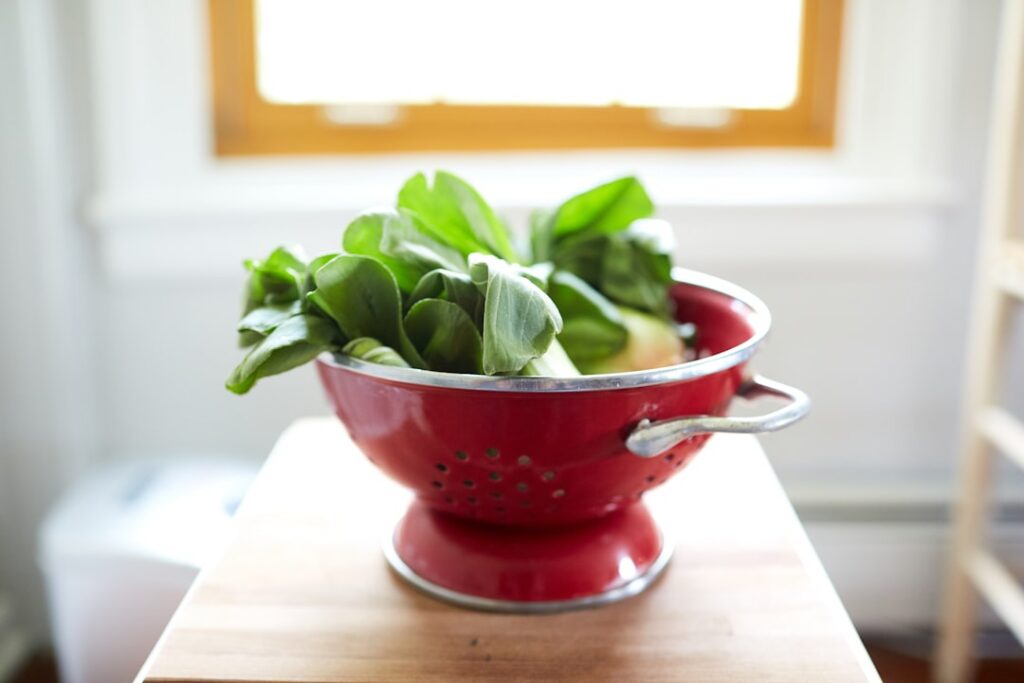
Simple Fresh Purslane Power Salad Formula
This quick recipe highlights purslane’s tangy crunch and nutritional benefits.
Step-by-Step Method
- Gather Your Purslane: Harvest or acquire about 1-2 cups of fresh purslane. Look for vibrant green leaves and firm, reddish stems.
- Wash Thoroughly: Rinse the purslane under cool running water, paying close attention to the crevices where dirt can hide. A colander works well.
- Dry Gently: Pat dry with a clean cloth or use a salad spinner to remove excess water. This prevents a watery salad.
- Chop (Optional): You can use the purslane whole or chop it into smaller pieces, depending on your preference.
- Combine: In a bowl, toss the purslane with a simple dressing of extra virgin olive oil, a squeeze of fresh lemon juice, and a pinch of salt and pepper. You can also add chopped tomatoes, cucumbers, or feta cheese for extra flavor.
How to Use Purslane
Purslane is incredibly versatile. Its slightly tart, lemony, and peppery flavor makes it a fantastic addition to many dishes:
- Raw: Add to salads, sandwiches, wraps, and tacos for a refreshing crunch. It’s excellent as a garnish for soups and stews.
- Cooked: Briefly sauté it, steam it, or add it to stir-fries, omelets, and frittatas. Treat it like spinach or other tender greens.
- Blended: Incorporate into green smoothies or juices for a nutrient boost.
- Thickener: Its mucilaginous texture (similar to okra) makes it a natural thickener for soups and stews.
Did You Know?
Purslane is one of the richest plant sources of Omega-3 fatty acids, typically found in fish. It also contains high levels of antioxidants, vitamins (A, C, E), and minerals like magnesium, calcium, and potassium. It’s truly a powerhouse hidden in plain sight!
How Often to Use
You can enjoy purslane regularly, even daily, as part of a balanced diet. Its mild flavor makes it easy to incorporate without overpowering other ingredients.
How to Buy / How to Choose Ingredients
While you might occasionally find purslane at farmers’ markets, the most common way to acquire it is by foraging. If foraging:
- Identification is Key: Learn to correctly identify purslane. It has reddish stems, small paddle-shaped succulent leaves, and often grows flat along the ground in a rosette pattern.
- Choose Clean Areas: Harvest from areas you know are free from pesticides, herbicides, or heavy pollution (e.g., away from busy roads, industrial sites, or conventional farms).
- Look for Freshness: Select plants with vibrant green leaves and firm, plump stems. Avoid any yellowed, wilting, or damaged parts.
You may also like: Our Beginner’s Guide to Safe Foraging
Storage: Keeping Your Purslane Fresh
Proper storage is essential to preserve purslane’s freshness and nutrients, especially if you harvest a larger batch.
- Fresh Storage: After washing and thoroughly drying, wrap fresh purslane in a damp paper towel and place it in a plastic bag or airtight container in the refrigerator’s crisper drawer. It should stay fresh for 5-7 days.
- Blanching and Freezing (as seen in the image):
- Wash the purslane thoroughly.
- Blanch it in boiling water for 30-60 seconds, then immediately transfer to an ice bath to stop cooking.
- Drain well and squeeze out as much water as possible.
- Chop or purée the blanched purslane.
- Portion into ice cube trays or spread in a thin layer on a baking sheet to freeze into blocks (like in the image).
- Once frozen solid, transfer to freezer-safe bags or containers. Frozen purslane can last for up to 6-8 months.
Fresh vs. Cooked/Blended Purslane Uses
| Feature / Use | Fresh Purslane | Cooked / Blended Purslane |
|---|---|---|
| Texture | Crisp, slightly succulent | Soft, often mucilaginous |
| Flavor | Tangy, lemony, peppery | Milder, earthy, less pronounced tartness |
| Best For | Salads, sandwiches, garnishes, quick snacks | Soups, stews, smoothies, sauces, purees, stir-fries |
| Nutrient Absorption | Raw retains some heat-sensitive nutrients | Cooking can increase absorption of some compounds |
| Volume | Retains original volume | Drastically reduces in volume |
Practical Tips
- Combine Flavors: Purslane pairs well with strong flavors like garlic, onions, tomatoes, and vinegars.
- Harvesting: Harvest the tender stems and leaves, leaving the root intact to allow the plant to regrow. Pinch off the tips for continuous harvest.
- Pest-Free: Purslane is remarkably pest-resistant, making it a reliable crop for foraging or growing.

Common Mistakes
- Misidentification: The biggest mistake is confusing purslane with other plants, some of which may be toxic. Always be 100% sure of your identification before consuming any foraged plant.
- Using Sprayed Plants: Harvesting from areas treated with pesticides or herbicides can be dangerous. Stick to organic or wild, untouched spots.
- Overcooking: While cooking is fine, overcooking can reduce its crisp texture and diminish some heat-sensitive nutrients. Keep cooking times short.
- Not Washing Thoroughly: Given it grows close to the ground, purslane can harbor dirt and small insects. Always wash meticulously.
Related remedy: Learn How to Make Your Own Dandelion Tea
Cautions / Who Should Avoid It
While generally safe, there are a few considerations:
- Oxalates: Purslane is high in oxalates, which can contribute to kidney stones in susceptible individuals. If you have a history of kidney stones or other kidney issues, consume in moderation or consult a healthcare professional.
- Pregnancy: Some sources suggest caution for pregnant women due to potential uterine stimulating effects, though research is limited. It’s always best to consult your doctor.
- Allergies: As with any food, an allergic reaction is possible, though rare.
Quick Summary
- Best Preparation: Enjoy fresh in salads or briefly cooked in stir-fries and soups to retain nutrients and texture.
- Best Use-Case: Boost salads, smoothies, and cooked greens with its tangy, nutritious leaves.
- Storage: Refrigerate fresh for up to a week, or blanch and freeze for longer preservation (up to 8 months).
- When to Use: Integrate regularly into your diet for its Omega-3s, vitamins, and minerals.
- What to Avoid: Misidentification, consuming from contaminated areas, and overcooking.
FAQ
- Can I eat purslane raw?
Yes, it’s excellent raw in salads, offering a refreshing, tangy crunch. - How do I identify purslane correctly?
Look for reddish, succulent stems and small, paddle-shaped, fleshy green leaves that grow in clusters, often spreading low to the ground. - How long does fresh purslane last?
When properly washed, dried, and stored in the refrigerator, it can last for 5-7 days. - Can I grow purslane?
Yes, purslane is easy to grow from seeds or cuttings. It thrives in full sun and well-drained soil and often reseeds itself. - What part of the purslane plant is best to eat?
The leaves and tender stems are the most commonly eaten parts. - Does purslane have any side effects?
It’s generally safe, but its high oxalate content means those prone to kidney stones should consume it in moderation. - Can I use frozen purslane in recipes?
Yes, frozen purslane is perfect for smoothies, soups, stews, or any cooked dish where its original crisp texture isn’t required.
Conclusion
From garden “weed” to kitchen staple, purslane is a testament to nature’s overlooked bounty. This resilient plant offers a remarkable nutritional profile, making it a simple yet powerful addition to a healthy diet. By learning to identify, harvest, and prepare it correctly, you can unlock a free and abundant source of vitamins, minerals, and essential fatty acids. So next time you see this succulent green, think twice before you step; you might just be passing up a valuable remedy.
Continue with: The Superfood Guide to Wild Ramps