There’s something truly magical about watching a tiny, unassuming bulb transform into a breathtaking bloom, painting your garden with vibrant colors and delicate fragrances. Bulb planting is one of the most rewarding aspects of gardening, offering a burst of seasonal beauty with relatively little effort. Whether you dream of a spring explosion of tulips and daffodils or a summer showcase of lilies and gladioli, understanding the right time to plant your bulbs is key to unlocking their full potential.
At Garden – L. Quyên, we believe every gardener, from novice to expert, deserves a garden that brings joy and beauty. This essential guide will walk you through the seasonal secrets of bulb planting, helping you create a stunning display year after year. Get ready to dig in and discover the simple steps to a flourishing bulb garden!
Why Plant Bulbs? The Rewards Are Endless!
Bulbs are nature’s hidden treasures, offering a multitude of benefits for any garden:
- Spectacular Blooms: They produce some of the most stunning and iconic flowers, adding elegance and drama to your landscape.
- Seasonal Interest: With careful planning, you can have continuous blooms from early spring through late fall.
- Relatively Easy Care: Once planted correctly, most bulbs require minimal ongoing maintenance.
- Deer and Pest Resistance: Many popular bulbs, like daffodils, are naturally deer-resistant.
- Great for Small Spaces: Many varieties thrive in containers, perfect for patios, balconies, or small yards.
Understanding the Bulb Planting Calendar
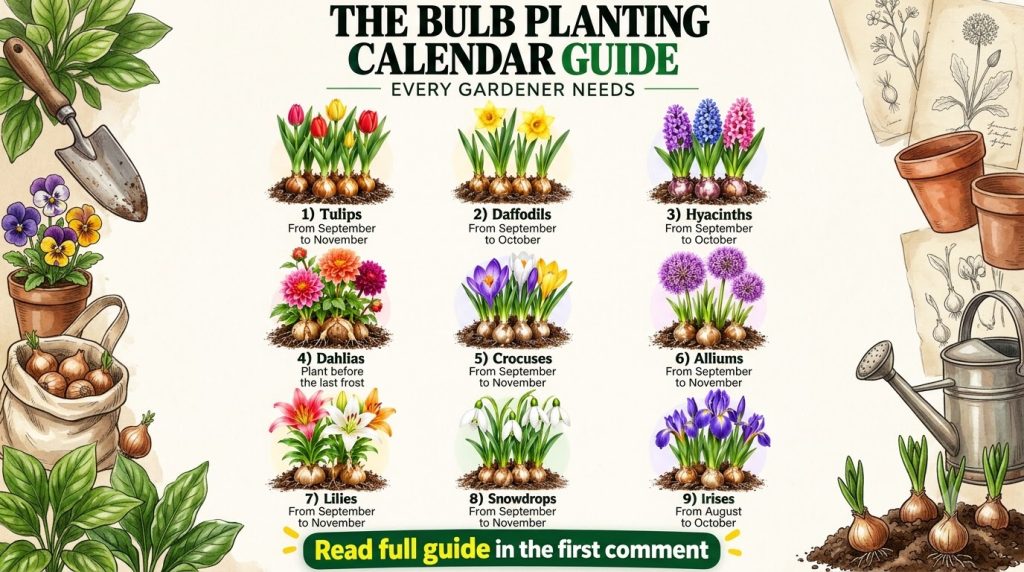
The secret to successful bulb gardening lies in knowing when to plant. Bulbs are generally categorized by their planting time, which dictates their blooming season:
Fall-Planted Bulbs: For a Dazzling Spring Display
These are the bulbs that require a period of cold dormancy to initiate flowering. Plant them in the fall, typically after the first frost but before the ground freezes solid. They will emerge in early spring, often as the first signs of life after winter.
- Popular Examples: Tulips, Daffodils, Hyacinths, Crocuses, Snowdrops, Alliums.
- When to Plant: September to November (depending on your climate).
- Key Tip: Plant them deep enough to protect them from winter chill, usually 2-3 times the height of the bulb.
Spring-Planted Bulbs: For Summer and Fall Splendor
These bulbs are planted in the spring after the danger of the last frost has passed. They will grow and bloom during the warmer months, bringing color to your garden when spring bloomers fade.
- Popular Examples: Dahlias, Gladioli, Lilies, Begonias, Canna Lilies, Caladiums.
- When to Plant: April to June (after the last frost).
- Key Tip: Many spring-planted bulbs are tender and need to be dug up and stored indoors over winter in colder climates.
How to Plant Bulbs Successfully: A Step-by-Step Guide
Follow these simple steps for happy, healthy bulbs:
1. Choose the Right Location
Most flowering bulbs thrive in well-draining soil and a spot that receives at least 6 hours of direct sunlight per day. Avoid areas where water tends to collect, as this can lead to bulb rot.
2. Prepare Your Soil
Good drainage is paramount. If you have heavy clay soil, amend it with organic matter like compost, peat moss, or well-rotted manure to improve structure and drainage. A little bone meal or bulb fertilizer can also give them a good start.
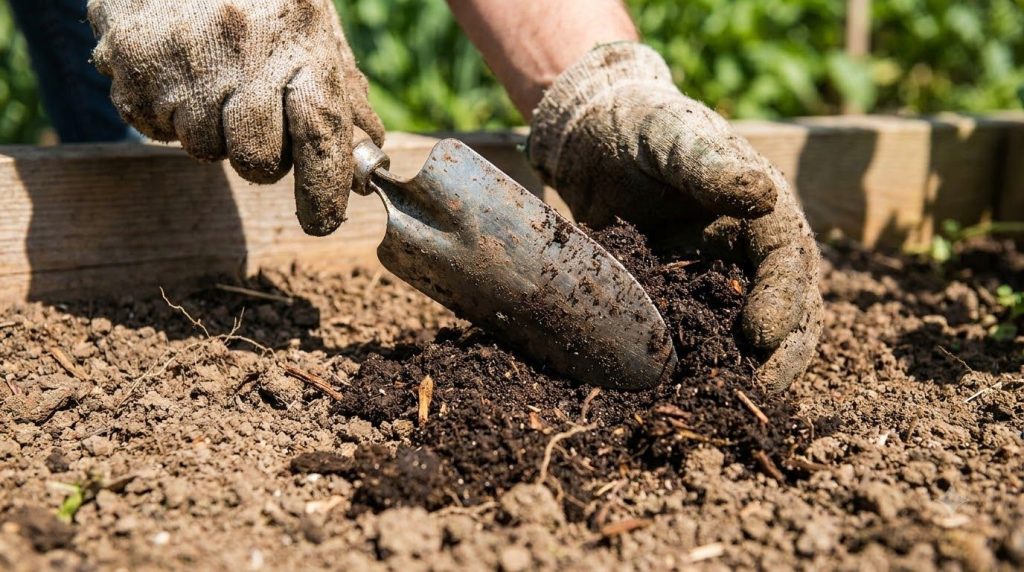
3. Digging and Planting
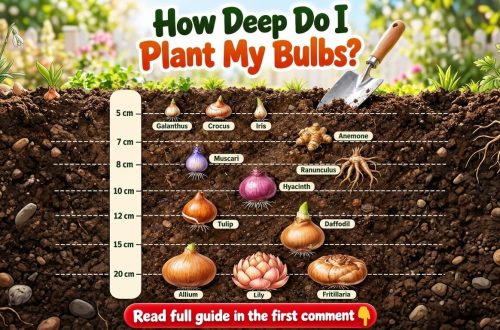
- Depth: A good rule of thumb is to plant bulbs at a depth two to three times their height. Larger bulbs go deeper, smaller bulbs are more shallow.
- Spacing: Space bulbs appropriately according to package instructions. Planting them in clusters or drifts creates a more natural and impactful display.
- Orientation: Most bulbs should be planted with the pointy side up and the flatter, root-forming side down. If you’re unsure, planting it on its side will usually work, as the plant knows which way to grow!
4. Water Thoroughly
After planting, water the area thoroughly to settle the soil around the bulbs. This is especially important for fall-planted bulbs, as it helps initiate root growth before winter sets in.
5. Ongoing Care
- Watering: Water regularly during dry spells, especially when plants are actively growing and blooming.
- Fertilizing: You can apply a balanced slow-release fertilizer in spring when shoots emerge or a bulb-specific fertilizer.
- Deadheading: Remove spent flowers to prevent the plant from putting energy into seed production, allowing it to focus on storing energy in the bulb for next year.
- Foliage: Allow the foliage to die back naturally after blooming. This crucial step allows the bulb to replenish its energy stores for the following season.
Common Bulb Planting Problems and Solutions
- Bulbs Rotting: Usually a sign of poor drainage. Ensure your soil is well-amended and raised beds can be a good option.
- No Blooms: Could be due to insufficient sunlight, shallow planting, or removing foliage too early. Pest damage or a lack of proper chilling for fall-planted bulbs can also be culprits.
- Pests Eating Bulbs: Squirrels and other critters can be a nuisance. Consider planting bulbs known to be less palatable (like daffodils) or using physical barriers like chicken wire or special bulb cages.
Ready to Grow Your Own Home Harvest of Blooms?
Bulb planting is a fantastic way to add vibrant, ever-changing beauty to your garden with relatively little effort. By understanding the seasonal planting calendar and following a few simple steps, you can enjoy a continuous display of stunning flowers from early spring to late fall. Don’t be afraid to experiment with different varieties and create your own unique garden tapestry. Happy planting, and may your garden be bursting with beautiful blooms!