With their pristine white globes nestled among verdant leaves, snowberries (Symphoricarpos albus) present a vision of winter’s quiet charm. Often admired for their ornamental beauty in gardens and woodlands, these striking berries hold a lesser-known place in the annals of traditional folk practices. For centuries, various cultures have looked to the plant kingdom for remedies and relief, and the snowberry, despite its delicate appearance, is no exception. However, its story comes with an important caveat, one that is crucial for anyone exploring its historical applications.
While captivating to the eye, it is vital to understand that snowberries are not for internal consumption. Ingesting these berries can lead to unpleasant digestive upset, and therefore, all traditional uses and preparations focus strictly on external applications. Our journey today will delve into the intriguing world of snowberry lore, exploring how it was once utilized and how we can respectfully engage with its legacy today, always prioritizing safety.
The Whisper of the Wild: Snowberry in Lore and Landscape
Native to North America, the common snowberry has long been a familiar sight in forests and clearings. Its distinctive white fruit persists long into winter, offering a stark contrast to the often barren landscape. Indigenous peoples of North America, with their profound understanding of the natural world, are often credited with discovering and documenting many of the snowberry’s traditional uses. Beyond its decorative appeal, they observed specific properties within the plant that lent themselves to practical applications.
From soothing skin irritations to aiding in traditional cleanses, the plant’s various parts—from leaves to berries—were sometimes prepared in specific ways. These methods often involved creating decoctions, poultices, or infusions designed for topical relief, never for ingestion. It’s a testament to ancient wisdom that discerning the utility of a plant often came hand-in-hand with understanding its limitations and potential dangers.
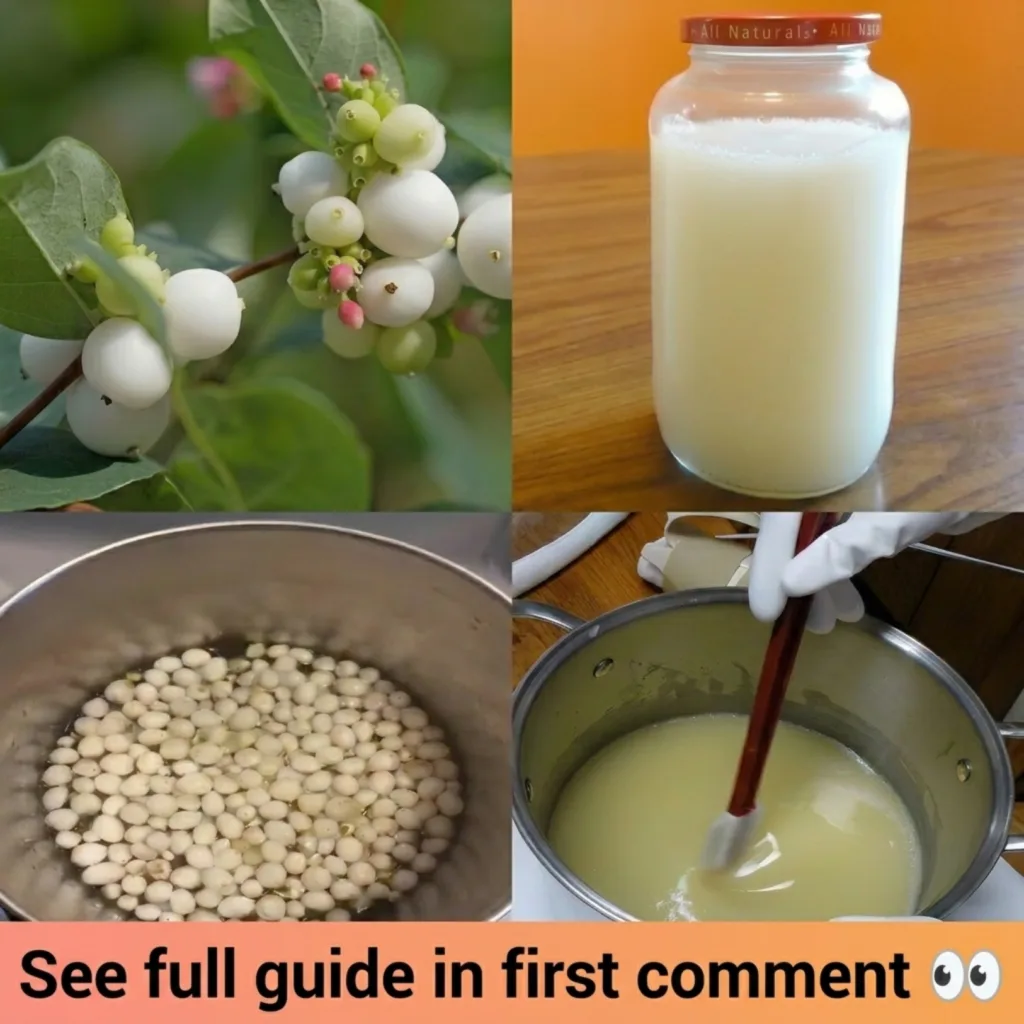 A four-panel collage showing snowberries on a branch berries simmering in a pot a milky liquid being stirred and a finis
Crafting a Traditional Snowberry Soothing Compress (External Use)
Inspired by historical practices that utilized snowberries for their potential skin-soothing properties, we can explore a simple, water-based compress. This method aims to extract beneficial compounds for topical application, mirroring some of the gentle processes found in traditional herbalism. Remember, this preparation is exclusively for external use and should never be consumed.
What You’ll Need:
- 1 cup fresh snowberries (ensure they are clean and free from pesticides)
- 2 cups distilled water
- A small, non-reactive pot (stainless steel or enamel)
- A fine-mesh sieve or cheesecloth
- A clean glass jar with a lid for storage
- Cotton pads or a clean cloth for application
Step-by-Step Preparation:
- Gather and Prepare: Gently rinse your fresh snowberries to remove any dirt or debris. Do not crush them excessively at this stage.
- Gentle Simmer: Place the cleaned snowberries into your pot. Add the distilled water, ensuring the berries are submerged.
- Infusion Process: Bring the water to a very gentle simmer over low heat. Allow it to simmer for about 15-20 minutes. You’ll notice the water may take on a slight cloudiness or a very pale, milky hue as the plant’s essences are released. Avoid boiling vigorously.
- Cool and Strain: Remove the pot from the heat and allow the mixture to cool completely to room temperature. Once cool, carefully strain the liquid through a fine-mesh sieve or cheesecloth into your clean glass jar. Discard the spent berries.
- Storage: Seal the jar tightly. This snowberry decoction is best used fresh and can be stored in the refrigerator for up to 3-5 days.
How to Use Your Snowberry Compress:
Before applying to a larger area, always perform a small patch test on a discreet area of your skin (e.g., inner forearm) to check for any adverse reactions. Discontinue use immediately if irritation occurs.
- Prepare the Compress: Soak a clean cotton pad or cloth in the chilled snowberry liquid. Gently wring out any excess, so it’s damp but not dripping.
- Apply Topically: Gently apply the damp compress to areas of external skin you wish to soothe. Avoid broken skin, sensitive areas, and mucous membranes.
- Duration: Leave the compress on for 10-15 minutes.
- Aftercare: Gently pat the area dry. Repeat as needed, ensuring you always use a fresh compress and conduct a patch test if it’s your first time using a new batch.
Important Considerations and Safety
Our exploration of traditional remedies is always rooted in respect for ancient knowledge and modern safety. When working with plants like the snowberry, caution is paramount:
- NEVER Ingest: Reiterate this point. Snowberries are not edible and can cause gastrointestinal upset if consumed. Keep them out of reach of children and pets.
- External Use ONLY: This preparation is for topical application to intact skin only. Do not apply to open wounds, cuts, or irritated skin.
- Patch Test: Always, without exception, perform a patch test before widespread application to ensure no allergic reaction occurs.
- Consult Professionals: If you have any underlying skin conditions or health concerns, consult with a healthcare professional before trying any new home remedy.
- Proper Identification: Ensure you correctly identify snowberries (Symphoricarpos albus) before use. Misidentification of plants can lead to dangerous consequences.
Conclusion
The snowberry, with its striking appearance and intriguing history, offers a window into the rich tapestry of traditional plant knowledge. While its beauty brightens our winter landscapes, its traditional applications remind us of a time when people lived in closer harmony with the earth, carefully observing and respectfully utilizing its bounty. By understanding and honoring both the gifts and the boundaries of nature’s offerings, we can appreciate the snowberry not just as an ornamental gem, but as a plant with a story to tell – a story best appreciated with wisdom, care, and a mindful approach to its potent, yet specific, properties.