There’s something uniquely satisfying about nurturing a plant from its very beginning. And when it comes to something as fragrant and useful as a lemon tree, that satisfaction multiplies! Growing a lemon tree from seed is a truly rewarding project, a gentle reminder that some of the best things in life take time and a bit of tender care. It might be a slow journey, but watching that tiny seed sprout into a vibrant green sapling is a joy that few other gardening endeavors can match.
Many of us dream of fresh lemons right from our backyard or patio. While a seed-grown lemon tree will take its sweet time to bear fruit (often several years!), the process itself is a wonderful learning experience and a beautiful way to connect with nature.
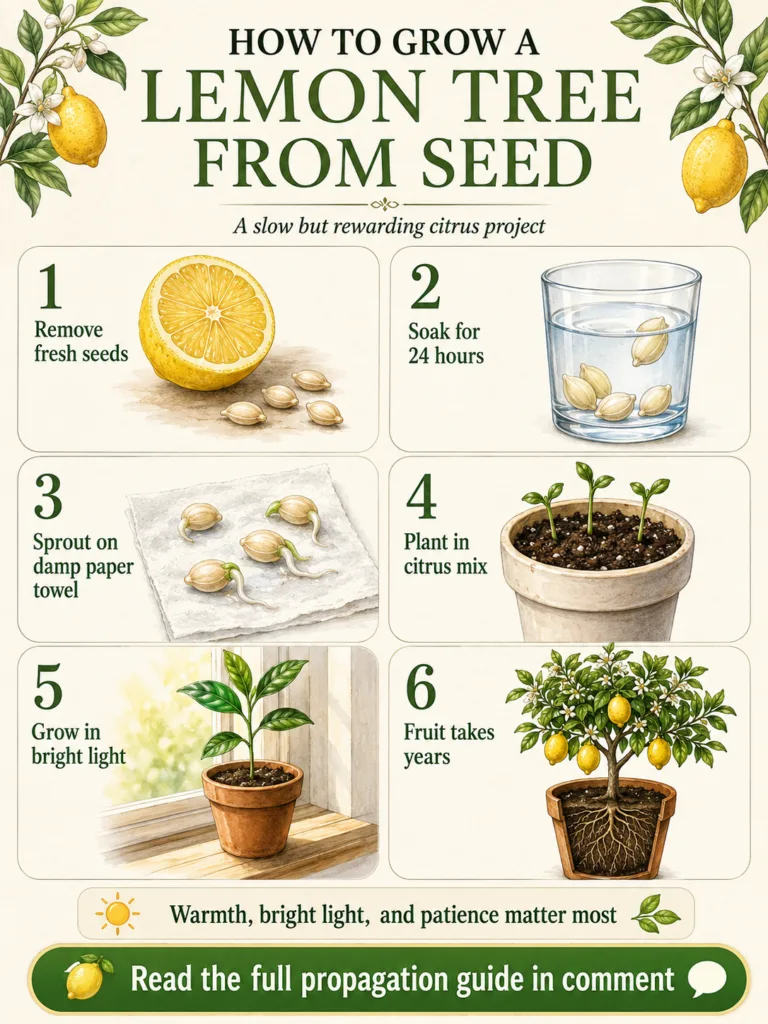 Follow these simple steps to start your lemon tree journey.
Getting Started: Picking and Preparing Your Lemon Seeds
The journey begins with the seed itself. For the best chances of success, look for plump, healthy seeds from fresh, organic lemons. Why organic? Conventional lemons might have seeds that are sterile or treated, making them less likely to germinate.
1. Extracting the Seeds
- Slice open a ripe lemon and carefully remove the seeds.
- Avoid any seeds that look shriveled, flat, or discolored. You want the robust ones!
2. Cleaning and Prepping
It’s important to clean the seeds to remove any lemon pulp. This pulp contains sugars that can lead to mold growth. Gently rinse them under running water. Some gardeners like to lightly scuff the outer coating of the seed with fine sandpaper or a nail file to help water penetrate, but it’s not strictly necessary if you’re patient.
To give your seeds an even better head start, consider this simple trick:
- Soak your clean seeds in a small bowl of room-temperature water for a few hours, or even overnight. This helps to rehydrate them and kickstart the germination process.
Planting Your Lemon Seeds with Care
Now that your seeds are prepped, it’s time to give them a cozy home.
1. Choosing Your Pot and Soil
- Pots: Small starter pots (around 3-4 inches in diameter) with drainage holes are perfect. You can use biodegradable pots too!
- Soil: Lemon trees love well-draining soil. A good quality potting mix designed for citrus or houseplants is ideal. You can amend it with a bit of perlite or sand to improve drainage if your mix feels too heavy.
2. The Planting Process
- Fill your chosen pot with the potting mix, leaving about an inch of space from the rim.
- Make a small hole in the center of the soil, about half an inch deep.
- Place one seed in each hole (you can plant a few in separate pots to increase your chances).
- Gently cover the seed with soil, patting it down lightly.
- Water thoroughly until you see water draining from the bottom of the pot.
Creating the Perfect Environment for Germination and Growth
Lemon seeds, like most citrus, are tropical at heart. They thrive on warmth, consistent moisture, and bright light.
1. Warmth is Key
Seeds germinate best in warm conditions, ideally between 65-75°F (18-24°C). If your home is cooler, you can place the pots on a seed-starting heat mat, or in a warm spot near a sunny window (but avoid direct, scorching sun on the soil surface).
2. Consistent Moisture
The soil should be kept consistently moist, but not waterlogged. Overwatering is a common killer of seedlings! A good trick is to cover your pot with plastic wrap or a clear plastic dome to create a mini-greenhouse effect. This helps retain moisture and warmth. Just remember to lift the cover daily for a few minutes to allow for air circulation and prevent mold.
3. Bright Light (Once Sprouted)
Once your little lemon sprout emerges (which can take anywhere from a few weeks to a couple of months – remember, patience is paramount!), it will need plenty of bright, indirect light. A south-facing window is often ideal. If you don’t have enough natural light, a grow light can be a wonderful supplement to prevent leggy, weak growth.
Nurturing Your Young Lemon Tree
Congratulations, you have a baby lemon tree! Now comes the fun part of watching it grow.
1. Watering Wisdom
As your seedling grows, continue to keep the soil moist. Stick your finger an inch or two into the soil; if it feels dry, it’s time to water. Reduce the frequency of watering slightly as the plant matures, allowing the top inch or two of soil to dry out between waterings.
2. Feeding Your Sapling
Once your lemon tree has developed a few sets of true leaves (not the initial seed leaves), you can start feeding it with a balanced liquid fertilizer, diluted to half strength. Do this every 2-4 weeks during its active growing season (spring and summer).
3. Repotting and Pruning
When your seedling outgrows its first pot (you’ll see roots poking out the bottom, or the plant looking too big for its home), it’s time to move it to a slightly larger pot. Gradually increase pot size as the tree grows. Pruning isn’t strictly necessary in the early stages, but once your tree is a bit more established, you can trim off any weak or leggy branches to encourage a bushier, stronger shape.
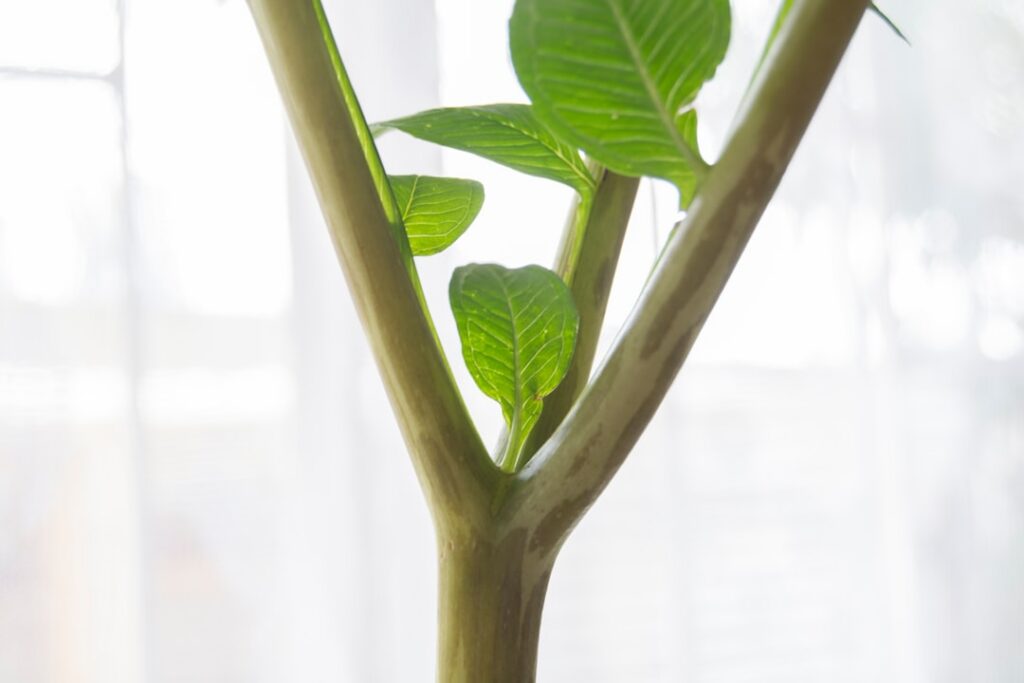 With consistent care, your lemon sapling will grow stronger each day.
Patience is a Gardener’s Best Friend
Remember, growing a lemon tree from seed is a marathon, not a sprint. It can take 5 to 15 years for a seed-grown lemon tree to produce fruit, and sometimes even longer. The fruit it produces might also be different from the parent lemon, as seeds don’t always grow true to type. However, the journey itself is the true reward.
Enjoy the process of nurturing life, observing its growth, and creating a beautiful green addition to your home or garden. Every leaf that unfurls, every new branch that appears, is a testament to your care and nature’s incredible resilience. Happy growing!