If you open your kitchen cabinet, you might be sitting on a natural mini-pharmacy.
Simple spices you use to flavor food can quietly support digestion, immunity, blood sugar and even metabolism.
Most people only sprinkle them for taste and never think about their deeper benefits.
But when you use these seven healing spices with intention, they can gently nudge your body toward less pain, better energy and stronger defenses.
Below is a simple guide to the spices you should eat and why, plus easy ways to add them into everyday meals.
The 7 Spices You Should Eat & Why
1. Ginger – For Nausea and Inflammation
Ginger contains gingerols and shogaols, compounds that help calm the stomach and reduce inflammatory signals in the body.
This is why ginger tea is a classic for motion sickness, morning queasiness or that heavy, bloated feeling.
How to use it:
- You can grate fresh ginger into hot water with a little honey and lemon to make a soothing drink.
- You can add ginger to stir-fries, marinades and soups for a warm, spicy kick.

2. Garlic – For Immunity and Heart Health
Garlic is rich in sulfur compounds such as allicin that support the immune system and healthy blood flow.
Regular use is linked with better cholesterol balance and more resilient immunity over time.
How to use it:
- You can crush or slice garlic and let it sit for a minute before cooking to activate more of its protective compounds.
- You can add garlic to sauces, roasted vegetables, dressings and almost any savory dish.
3. Turmeric – For Pain and Inflammation
Turmeric’s golden color comes from curcumin, a powerful anti-inflammatory compound.
It is often used to support joint comfort, muscle recovery and overall body calm.
How to use it:
- You can stir turmeric into curries, rice dishes or scrambled eggs.
- You can make “golden milk” by warming milk or a plant-based alternative with turmeric, a pinch of black pepper and a little honey. The black pepper helps your body absorb curcumin better.
4. Cinnamon – For Blood Sugar Balance
Cinnamon helps your cells respond better to insulin, which can support more stable blood sugar.
Steadier blood sugar often means fewer energy crashes and fewer intense sugar cravings.
How to use it:
- You can sprinkle cinnamon on oatmeal, yogurt, smoothies or baked apples.
- You can stir a little cinnamon into coffee or tea instead of adding extra sugar.

5. Cayenne Pepper – For Metabolism and Warmth
Cayenne pepper contains capsaicin, the compound that makes it spicy.
Capsaicin can slightly increase energy expenditure and support circulation, giving a mild boost to metabolism.
How to use it:
- You can add a pinch of cayenne to soups, eggs, stews or roasted vegetables.
- You can sprinkle a tiny amount on avocado toast or hummus if you enjoy heat. Start with very small amounts and build up slowly.
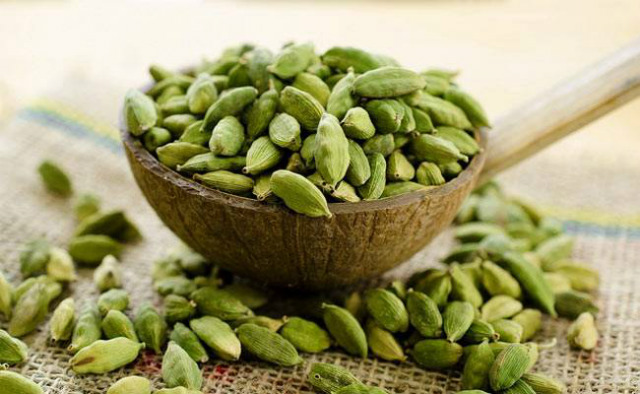
6. Cardamom – For Digestion
Cardamom has a gentle, floral flavor and has been used traditionally to ease gas, bloating and indigestion.
Its essential oils can help the gut relax and support smoother digestion after meals.
How to use it:
- You can add crushed cardamom pods or ground cardamom to chai tea, coffee or warm milk.
- You can use cardamom in baking, fruit salads or rice dishes for a fragrant twist.
7. Cloves – For Bacteria and Oral Health
Cloves are rich in eugenol, a compound with strong antibacterial and mild numbing properties.
They have been used for oral health, gum comfort and general antimicrobial support.
How to use it:
- You can simmer whole cloves in herbal tea or hot cider and strain before drinking.
- You can add ground cloves in tiny amounts to baked goods, oatmeal or spice blends. A little goes a very long way.
How To Build a Daily Plate Using These Spices
You do not need to use all seven every day.
Aim to weave two or three of them into meals you are already eating.
- At breakfast, you can add cinnamon and cloves to oatmeal, and stir a pinch of turmeric into scrambled eggs.
- At lunch, you can use garlic and cayenne in soups, stews or a simple sautéed vegetable dish.
- At dinner, you can cook with ginger and garlic, then finish with cardamom-spiced tea to help your digestion wind down.
Small, consistent amounts are more helpful than huge doses once in a while.
When You’ll Notice Changes
Everyone’s body responds differently, but a realistic timeline looks like this:
- Within a few days:
You may notice lighter digestion from ginger, cardamom or cloves, and slightly less bloating after meals. - Within 2–4 weeks of regular use:
Many people feel gentler joints, fewer sugar crashes and a more stable mood when cinnamon and turmeric become daily habits. - Over several months:
Spices like garlic and turmeric can support heart and immune health as part of an overall balanced lifestyle.
These spices are helpers, not instant cures.
They work best alongside good sleep, movement, hydration and whole foods.
Tips To Combine Them Effectively
- You can pair turmeric with black pepper and a healthy fat (like olive or coconut oil) to boost absorption.
- You can combine ginger, cinnamon and cloves in a warm tea for a cozy, digestion-friendly drink after meals.
- You can use garlic and cayenne together in savory dishes when you want more circulation, warmth and flavor.
Quick Safety Notes
- If you take regular medications or have chronic conditions, you should check with your healthcare provider before using large amounts of any spice, especially garlic, cinnamon or cayenne.
- Very spicy foods may irritate sensitive stomachs, so you should increase cayenne slowly and listen to your body.
- These spices are powerful additions, but they do not replace medical treatment when it is needed.
Final Takeaway
Your spice rack is more than flavor; it is a daily toolkit for inflammation, digestion, immunity and metabolism.
By using ginger, garlic, turmeric, cinnamon, cayenne pepper, cardamom and cloves with intention, you give your body gentle support in every meal.
Save this guide if you want to build a healing spice routine later, and share it with someone who loves natural remedies as much as good food.