Migraines are more than headaches — they drain energy, distort focus, and can take over your entire day. But here’s something most people never realize:
What you eat can significantly influence how often migraines strike.
Certain whole foods contain minerals, healthy fats, and antioxidants that calm inflammation, stabilize blood vessels, and support the nervous system — all key factors in migraine prevention.
1. Ginger – Natural Anti-Inflammatory Relief
Ginger helps relax blood vessels and reduces inflammation that can trigger migraines.
Its compounds, especially gingerols, also soothe nausea — a common migraine symptom.
How to use: Add fresh ginger to teas, smoothies, or warm water.

2. Avocado – Healthy Fats for Brain Stability
Avocados are rich in magnesium and monounsaturated fats, both of which support calm nerves and steady blood flow.
Many migraine sufferers are low in magnesium, making avocado a gentle daily addition.
How to use: Add ½ an avocado to breakfast or salads.
3. Spinach – Magnesium Powerhouse
Spinach contains magnesium, folate, and antioxidants that help relax muscles and prevent vascular spasms linked to migraines.
How to use: Blend into smoothies or mix into omelets.
4. Bananas – Instant Electrolyte Balance
Bananas provide potassium and natural sugars that stabilize energy levels.
They help prevent the dips and spikes that can trigger a migraine.
How to use: A simple pre-work snack or morning booster.
5. Almonds – Calm the Nervous System
Almonds are rich in magnesium, vitamin E, and healthy fats.
They help reduce muscle tension and support stable nerve function.
How to use: A small handful (10–15 almonds) makes an ideal daily snack.
6. Eggs – B Vitamins for Brain Energy
Eggs are high in B2 (riboflavin), one of the most researched vitamins for migraine prevention.
B vitamins help reduce brain inflammation and improve energy production.
How to use: 1–2 eggs a few times a week is perfect.
7. Berries – Antioxidants to Reduce Inflammation
Blueberries, raspberries, and blackberries help calm oxidative stress — a hidden trigger in frequent migraines.
How to use: Mix a cup of mixed berries into breakfast or yogurt.

8. Salmon – Omega-3s for Blood Vessel Health
Salmon contains powerful omega-3 fatty acids that reduce inflammation and relax blood vessels.
This helps lessen the intensity and frequency of migraines.
How to use: Enjoy a salmon meal 1–2 times weekly.
9. Pumpkin Seeds – High-Magnesium Snack
Pumpkin seeds are one of the richest natural sources of magnesium.
Just a small serving can help reduce migraine intensity over time.
How to use: Add to oatmeal, smoothies, or salads.
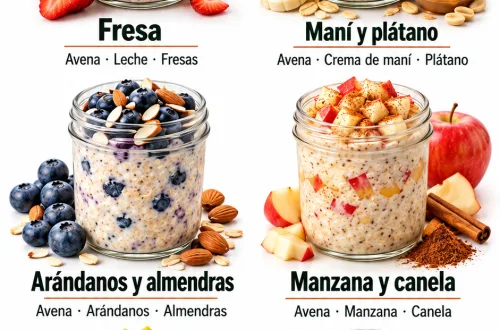
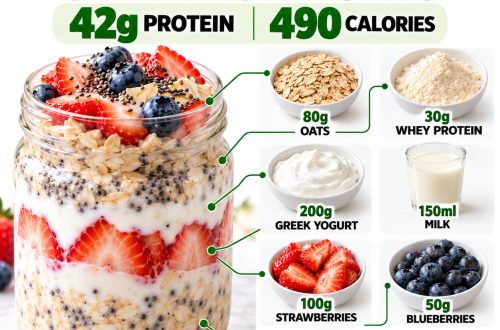
10. Oats – Stable Energy & Stress Reduction
Oats help stabilize blood sugar — sudden drops can trigger migraines for many.
They also contain beta-glucans, which support brain and gut health.
How to use: Breakfast oatmeal or overnight oats are excellent options.

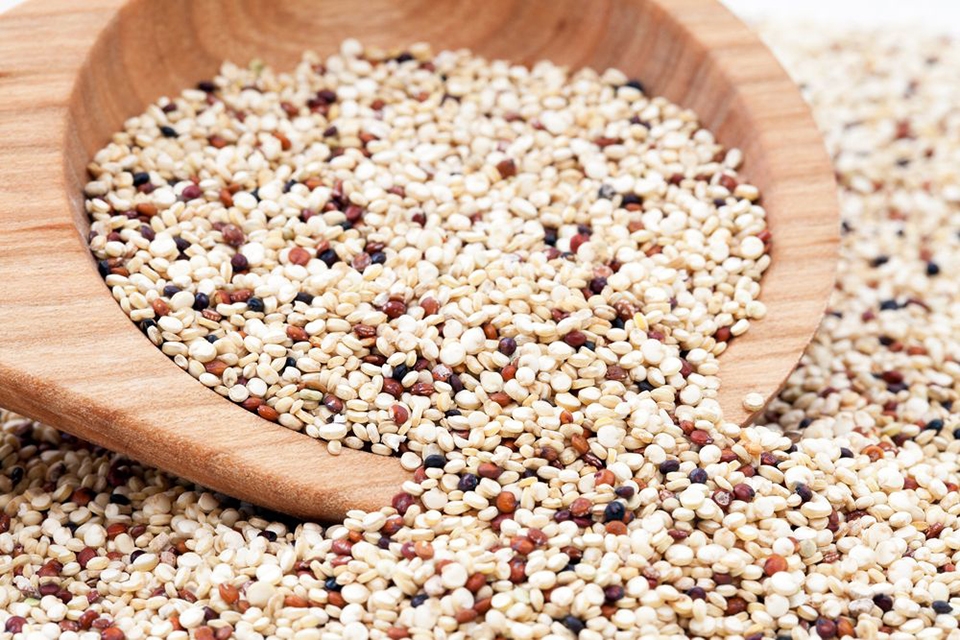
11. Quinoa – maintain stable blood sugar
High in magnesium, complex carbs, and B vitamins.
Helps maintain stable blood sugar – a key factor in preventing migraine attacks.
12. Sweet Potatoes
Why they help: Offer slow-digesting carbs, vitamin A, and potassium for stable energy and reduced inflammation.
Trigger prevention: Prevents rapid drops in blood sugar that can initiate migraines.
13. Watermelon
Why it helps: Hydration is essential for migraine management. Watermelon delivers fluids + electrolytes in one package.
Best for: Hot climates and people with dehydration-triggered migraines.
14. Dark Leafy Greens (Kale, Swiss Chard)
Why they help: Another excellent magnesium source + antioxidants.
Role in migraine management: Supports nervous system stability and reduces inflammation.

15. Olive Oil
Why it helps: Contains oleocanthal, a natural anti-inflammatory compound.
Good for: Replacing processed oils that may aggravate inflammation.
How to Build a Migraine-Friendly Plate
Try combining foods from 3 categories daily:
Magnesium-rich:
Spinach, almonds, pumpkin seeds, bananas
Healthy fats:
Avocado, salmon, eggs
Anti-inflammatory:
Ginger, berries, oats
Small daily doses bring the best results.
When You’ll Notice Improvements
Most people feel steadier energy and fewer triggers within:
7–14 days of consistent eating
And after 4–6 weeks, migraine frequency often decreases noticeably.
Tips to Boost Results Even More
- Stay hydrated — dehydration is a major trigger.
- Eat meals regularly to avoid blood sugar drops.
- Manage caffeine gently — sudden changes can trigger attacks.
- Support your gut health, since inflammation often starts there.
Final Takeaway
Your food choices can be one of the simplest, most empowering ways to reduce migraine frequency.
These 10 foods deliver the nutrients your brain and nervous system crave — naturally and gently.
Save this guide for later, and share it with someone who struggles with migraines.