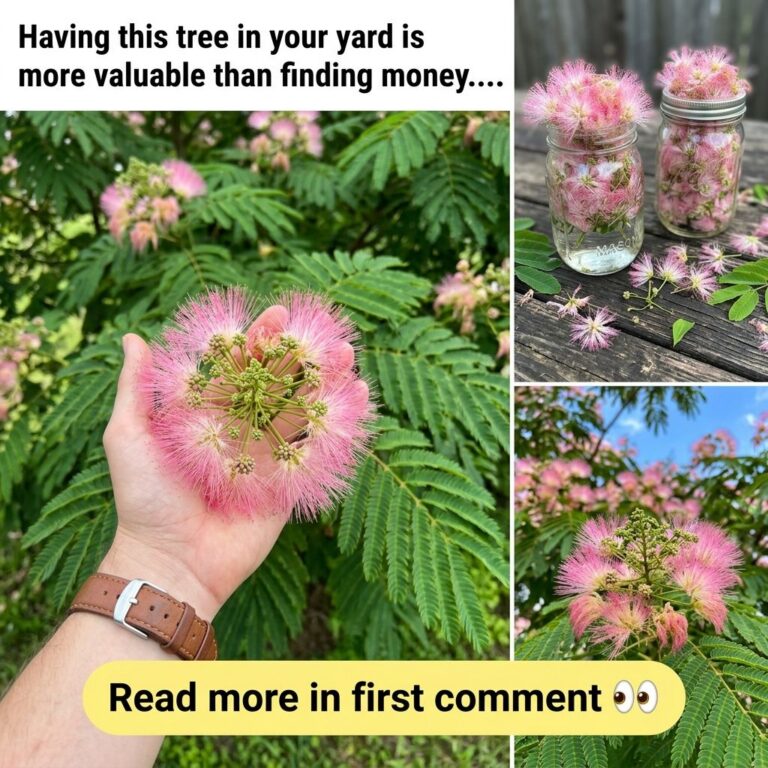
Most people admire the Mimosa tree for its beautiful, delicate pink blooms, a fleeting sign of summer. They might enjoy its shade or the aesthetic appeal of its feathery flowers. But what if we told you that the true ‘value’ of this tree goes far beyond its ornamental appeal? Known botanically as Albizia julibrissin, and affectionately called the ‘Silk Tree’ or ‘Happiness Herb’ in traditional Eastern practices, its soft, feathery flowers hold a secret that many overlook. It’s not about finding money, but finding a sense of calm and well-being directly from your garden or local herb supplier.
While the Mimosa tree’s beauty is undeniable, its flowers have a long history of traditional use for their potential to soothe and support a balanced mood. If you have this tree in your yard, or access to it, you possess a natural resource that many herbalists highly prize.
What it is: Mimosa Flowers (Flos Albiziae)
The Mimosa tree, also commonly called the Persian Silk Tree, is a deciduous tree native to Asia. While the bark (Cortex Albiziae) also has traditional uses, it’s the distinctive pink, feathery flowers that are often singled out for their calming properties. These delicate blooms appear in summer and have a sweet, subtle fragrance.
In traditional practices, Mimosa flowers are often prepared as a tea or tincture, believed to help alleviate feelings of occasional stress and support emotional balance. It’s a gentle, aromatic way to connect with the plant world.
Ingredients for Mimosa Flower Tea
- 1-2 teaspoons dried Mimosa flowers (Flos Albiziae) OR 1-2 tablespoons fresh Mimosa flowers
- 8 ounces (1 cup) hot water
Formula / Recipe: Simple Mimosa Flower Infusion
Making a Mimosa flower tea is one of the easiest ways to experience its soothing qualities. The goal is to create a gentle infusion, allowing the delicate compounds to steep into the water without over-extracting or damaging them.
Step-by-Step Method
- Harvest or Measure: If using fresh flowers, gently pick them on a dry morning after the dew has evaporated. Ensure they are free from pesticides or pollutants. If using dried, measure out your desired amount.
- Prepare Your Vessel: Place the fresh or dried Mimosa flowers into a tea infuser, a French press, or directly into a mug.
- Heat Water: Bring fresh, filtered water to a near boil (around 180-200°F or 82-93°C). Avoid aggressively boiling water, as it can be too harsh for delicate flowers.
- Pour and Steep: Pour the hot water over the Mimosa flowers.
- Cover (Optional but Recommended): Cover your mug or vessel during steeping to prevent volatile aromatic compounds from escaping with the steam.
- Steep Time: Let the flowers steep for 5-10 minutes. Adjust steeping time to your desired strength and taste.
- Strain and Enjoy: Strain out the flowers (if not using an infuser) and enjoy your warm Mimosa flower tea.
Quick Tip: Fresh vs. Dried Mimosa Flowers
It’s important to understand the differences when preparing your remedy:
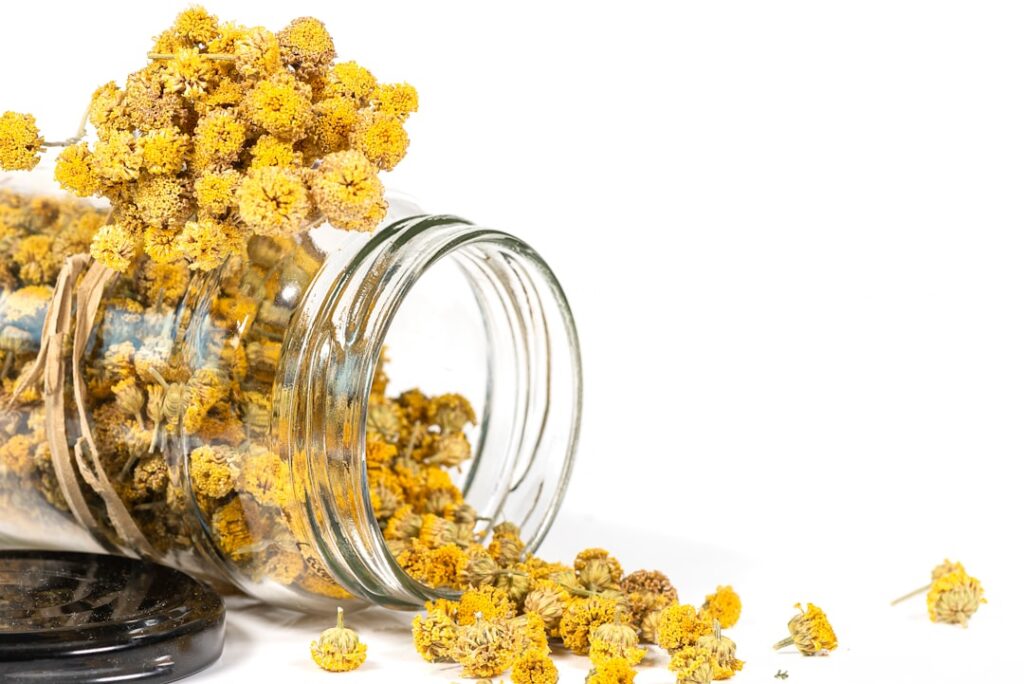
Fresh flowers offer a vibrant, subtle flavor but have a shorter shelf life and require careful sourcing. Dried flowers are more concentrated, convenient, and available year-round from reputable suppliers. Both can be effective, but adjust quantities accordingly.
How to Use
The primary and most common way to use Mimosa flowers is as a warm herbal tea. Sip it slowly, allowing yourself to relax and unwind. It’s often favored in the evening to prepare for rest, or during the day when you need a moment of calm.
Beyond tea, some traditions use Mimosa flowers in herbal baths for a relaxing soak, or as a component in tinctures, though these preparations are more advanced.
How Often to Use
For general well-being and occasional use, one to two cups of Mimosa flower tea per day is a common recommendation. Listen to your body and adjust frequency as needed. Consistency can be key when seeking to support emotional balance.
How to Buy / How to Choose Ingredients
- Foraging Fresh: If harvesting from your own yard or a wild source, ensure the tree has NOT been sprayed with pesticides or herbicides. Harvest flowers in the morning after dew has dried.
- Buying Dried: Purchase dried Mimosa flowers from reputable organic herbal suppliers. Look for vibrant color and a pleasant, subtle aroma, indicating freshness and proper drying.
Storage
- Fresh Flowers: Use fresh Mimosa flowers immediately or store them in a paper bag in the refrigerator for no more than 1-2 days. They wilt quickly.
- Dried Flowers: Store dried Mimosa flowers in an airtight glass jar in a cool, dark place, away from direct sunlight and humidity. Properly stored, they can retain potency for up to a year.
- Prepared Tea: Prepared Mimosa tea is best consumed fresh. If you have leftovers, refrigerate them in a sealed container and consume within 24 hours.
Practical Tips
- Mindful Sourcing: Always confirm the identity of the tree if foraging. The Mimosa tree (Albizia julibrissin) has distinct feathery leaves and unique pink puffball flowers.
- Gentle Drying: If drying your own, spread fresh flowers in a single layer on a clean screen in a well-ventilated, dark area. Avoid direct sun.
- Enhance the Experience: You can add a slice of lemon or a touch of honey to your Mimosa tea if desired, but first appreciate its natural, delicate flavor.
Comparison: Fresh vs. Dried Mimosa Flowers
| Feature | Fresh Mimosa Flowers | Dried Mimosa Flowers |
|---|---|---|
| Sourcing | Harvest directly (unsprayed only) | Buy from reputable herbal suppliers |
| Potency | Slightly milder, best used quickly | More concentrated, longer shelf life |
| Preparation | Infuse immediately, or dry yourself | Steep in hot water for tea |
| Storage | Very short (1-2 days refrigerated) | Up to 1 year in airtight, dark container |
| Dosage (Tea) | 1-2 tablespoons per cup | 1-2 teaspoons per cup |
Common Mistakes
- Using Sprayed Flowers: Never use flowers from trees treated with pesticides or growing near busy roads where they might absorb pollutants.
- Boiling Too Vigorously: Delicate flowers can lose their volatile compounds with aggressive boiling. Use hot, not boiling, water for steeping.
- Improper Storage: Storing dried flowers in humid conditions or direct sunlight can degrade their quality and lead to mold.
- Misidentification: Ensure you are correctly identifying Albizia julibrissin. There are other plants sometimes loosely referred to as ‘mimosa’ that are not the same.
Cautions / Who Should Avoid It
While generally considered safe for most adults in moderate amounts, it’s always wise to exercise caution. Pregnant or nursing individuals should avoid Mimosa flower remedies due to a lack of sufficient research. If you are taking any prescription medications, especially sedatives, antidepressants, or anxiety medications, consult with a healthcare professional before incorporating Mimosa flowers into your routine. Discontinue use if you experience any adverse reactions.
Quick Summary
Mimosa flowers (Albizia julibrissin) offer a natural way to support emotional well-being. The best preparation is a simple tea infusion, using 1-2 teaspoons of dried flowers or 1-2 tablespoons of fresh flowers per cup of hot water, steeped for 5-10 minutes. Store dried flowers in an airtight container in a cool, dark place, and use fresh flowers immediately. Avoid using sprayed plants and consult a doctor if pregnant, nursing, or on medication.
FAQ
- Can I use fresh or dried Mimosa flowers?
Yes, both can be used. Adjust quantities (more fresh than dried) and remember fresh flowers have a very short shelf life. - How long does Mimosa flower tea last once prepared?
It’s best consumed fresh. Refrigerate any leftovers and drink within 24 hours. - How often should I drink Mimosa flower tea?
One to two cups per day is a common recommendation for general well-being. - What part of the Mimosa tree is used?
While the bark also has traditional uses, this article focuses on the delicate pink, feathery flowers. - Can I reuse the Mimosa flowers for another brew?
It’s not recommended. Most of the beneficial compounds are extracted in the first steep. - Are there any side effects?
Mimosa flowers are generally well-tolerated, but sensitive individuals may experience mild gastrointestinal upset. Always start with a small amount. - When is the best time to harvest fresh Mimosa flowers?
In summer, on a dry morning after the dew has evaporated, ensuring they are from an unsprayed source.
You may also like: Lemon Balm: The Secret to a Calming Night’s Sleep
Related remedy: Make Your Own Chamomile Tincture for Relaxation
Conclusion
The Mimosa tree, often admired simply for its beauty, holds a deeper, more practical ‘value’ in its delicate flowers. By learning to prepare a simple Mimosa flower tea, you can tap into a time-honored tradition of supporting emotional well-being and finding moments of calm. Whether you forage from your own yard or source from a trusted supplier, the Silk Tree offers a gentle invitation to connect with nature’s soothing embrace. Embrace this overlooked treasure and integrate its subtle benefits into your daily rhythm.