 Understand the key differences between rolled and quick oats at a glance.
Most people grab a bag of oats without a second thought, assuming all oats are created equal. But here’s the part most people skip: the type of oat you choose fundamentally changes your breakfast experience, from texture to cooking time. Whether you’re a fan of chewy, hearty grains or prefer a super-creamy, fast breakfast, understanding the distinction between rolled oats and quick oats is key to unlocking your perfect bowl.
What They Are: The Oats Behind the Names
Both rolled oats and quick oats come from the same whole grain – the oat groat. The difference lies in how they are processed. Oat groats are initially cleaned, hulled, and then steamed. After steaming, they are either rolled or cut.
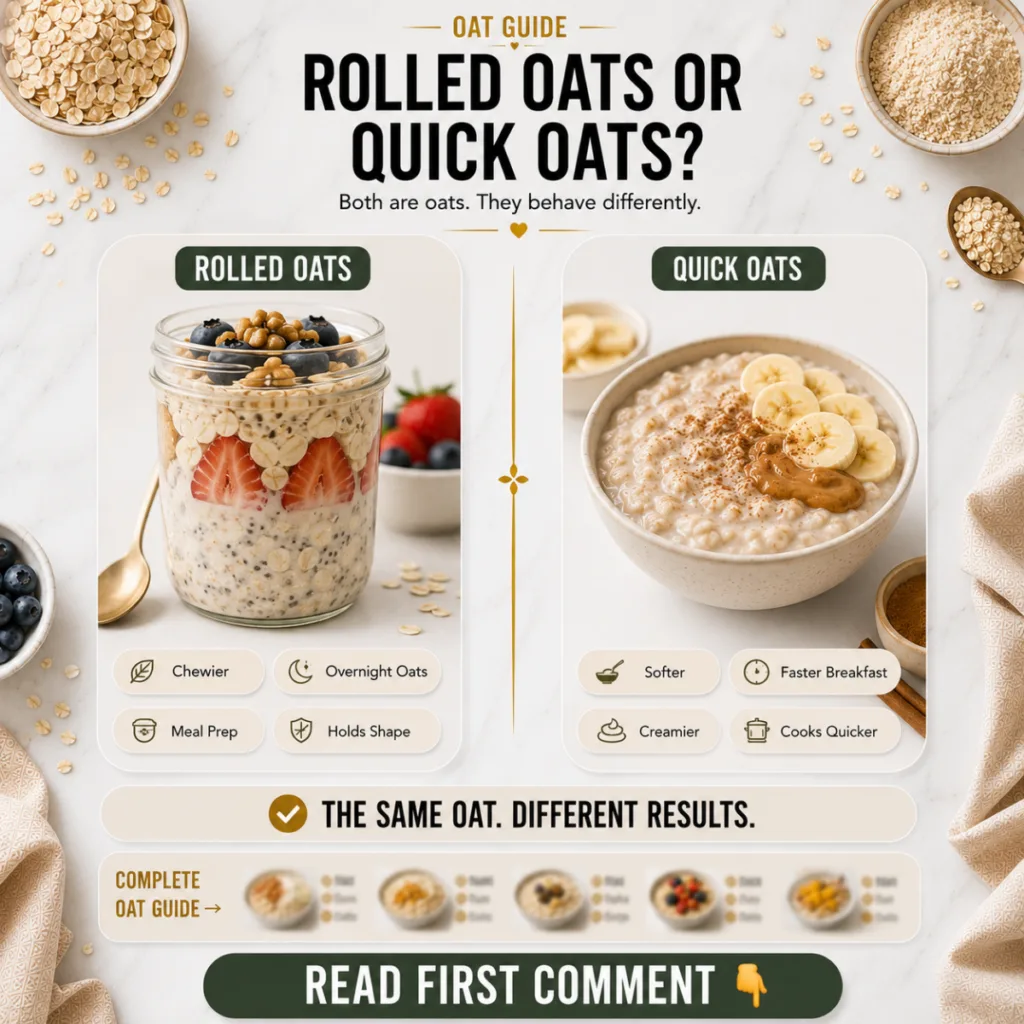
- Rolled Oats (Old-Fashioned Oats): These are groats that have been steamed and then flattened into flakes. This process helps them cook faster and absorb water easily, but they still retain a good chewiness and hold their shape well.
- Quick Oats (Instant Oats): These are rolled oats that have been further processed by being cut into smaller pieces before being steamed and rolled thinner. This increased surface area means they cook much faster, often in just minutes, resulting in a softer, creamier texture.
Rolled Oats vs. Quick Oats: A Quick Comparison
To help you decide which oat is best for your needs, here’s a direct comparison:
FeatureRolled OatsQuick OatsTextureChewier, heartier, retains shapeSofter, creamier, often mushierCooking Time5-15 minutes (stovetop), overnight (cold)1-3 minutes (microwave/stovetop)Best Use ForOvernight oats, baking, granola, a chewy hot cereal, meal prepFast hot cereal, thickening smoothies, quick binders in recipesNutritional ValueSimilar to quick oats (same grain)Similar to rolled oats (same grain)SatietyOften perceived as more filling due to textureLess textural chew may feel less filling quickly DIY REMEDY: Overnight Oats (with Rolled Oats)
Overnight oats are a fantastic, no-cook breakfast that you prepare the night before. They’re perfect for meal prep and busy mornings.
Purpose
A convenient, nutrient-dense breakfast that’s ready to eat straight from the fridge. The oats soften overnight in liquid, creating a creamy yet chewy texture without any cooking.
Ingredients
- 1/2 cup rolled oats (old-fashioned)
- 1/2 cup milk (dairy or non-dairy like almond, soy, oat milk)
- 1/4 cup plain Greek yogurt (optional, for extra creaminess and protein)
- 1 tablespoon chia seeds (for thickening and added nutrients)
- 1/2 teaspoon sweetener (maple syrup, honey, or a pinch of stevia, to taste)
- 1/4 teaspoon vanilla extract (optional)
- Toppings: Sliced strawberries, blueberries, walnuts, a sprinkle of cinnamon
Approximate Measurements
These measurements yield one serving. Adjust quantity based on your appetite.
Formula/Method
- In a jar or container with a lid, combine the rolled oats, milk, Greek yogurt (if using), chia seeds, sweetener, and vanilla extract (if using).
- Stir well to ensure all ingredients are thoroughly mixed and the chia seeds are not clumping.
- Seal the container with the lid and refrigerate for at least 4 hours, or preferably overnight.
- The next morning, open your jar. The oats should be softened, and the mixture will have thickened.
- Add your desired toppings just before serving.
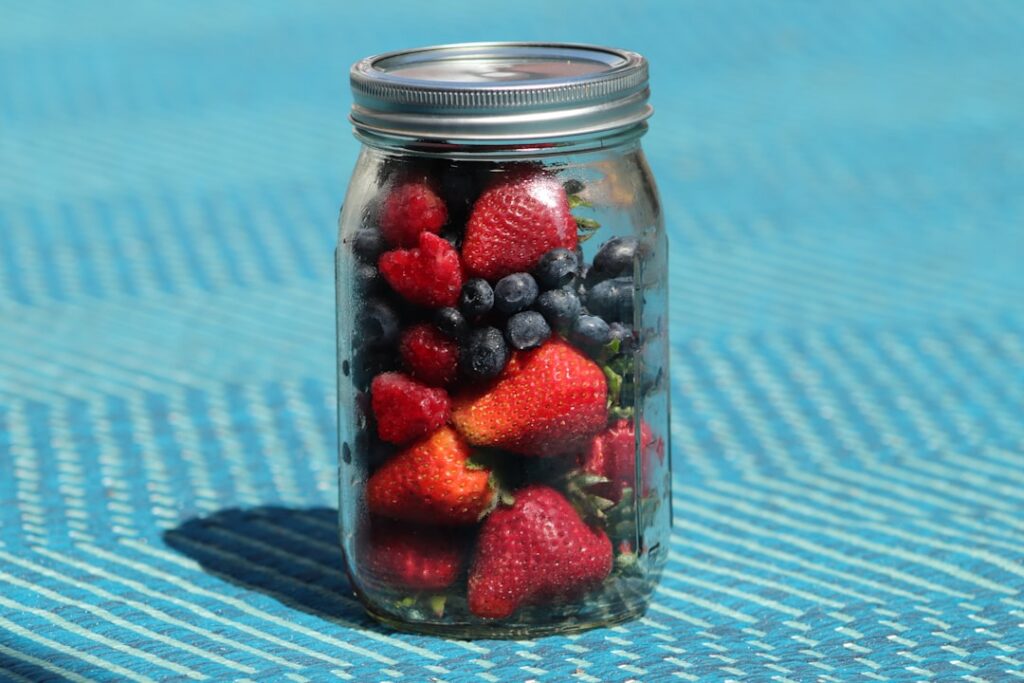 Overnight oats are a perfect make-ahead breakfast, packed with nutrition.
DIY REMEDY: Quick Oatmeal (with Quick Oats)
For mornings when every second counts, quick oats deliver a warm, satisfying breakfast in a flash.
Purpose
A fast, hot, and creamy breakfast option ready in minutes. Ideal for busy schedules or when you crave immediate warmth.
Ingredients
- 1/2 cup quick oats
- 1 cup water or milk (dairy or non-dairy)
- Pinch of salt (optional, enhances flavor)
- Toppings: Sliced bananas, a dollop of peanut butter, a sprinkle of cinnamon powder
Approximate Measurements
This ratio typically yields one serving. Adjust liquid for desired consistency.
Formula/Method (Microwave)
- In a microwave-safe bowl, combine the quick oats, water or milk, and a pinch of salt.
- Microwave on high for 1-2 minutes, or until the liquid is absorbed and the oats are cooked to your desired consistency. Be careful not to let it boil over.
- Carefully remove from the microwave (bowl will be hot) and stir.
- Add your desired toppings immediately and serve warm.
Formula/Method (Stovetop)
- In a small saucepan, combine the quick oats, water or milk, and a pinch of salt.
- Bring to a boil over medium-high heat, then reduce heat to low and simmer for 1 minute, stirring occasionally.
- Remove from heat, cover, and let stand for 1 minute.
- Serve warm with your favorite toppings.
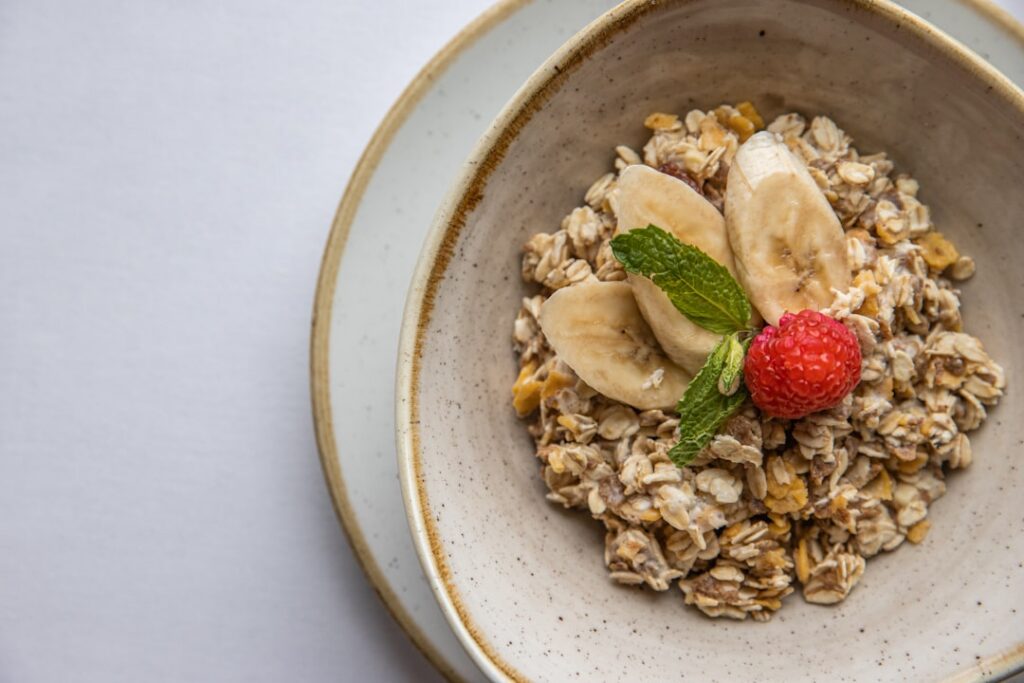 Quick oats offer a fast, comforting breakfast, customizable with your favorite additions.
How to Buy and Choose Oats
When shopping for oats, look for plain, unflavored varieties to avoid added sugars and artificial ingredients. Check the ingredient list to ensure it only says “whole grain rolled oats” or “whole grain quick oats.” For those with gluten sensitivities, opt for certified gluten-free oats, as oats can sometimes be cross-contaminated with wheat during processing.
Storage
- Uncooked Oats: Store both rolled and quick oats in an airtight container in a cool, dry, dark pantry. They typically last for up to 1 year.
- Prepared Overnight Oats: Store in an airtight container in the refrigerator for up to 3-4 days. The texture may soften further over time.
- Cooked Quick Oatmeal: Best eaten immediately. If you have leftovers, refrigerate in an airtight container for 1-2 days, but the texture may become mushy when reheated.
Practical Tips
- Flavor Boost: Add spices like cinnamon, nutmeg, or cardamom to either hot or cold oats. A pinch of salt also enhances sweetness.
- Creaminess Factor: For extra creamy hot oatmeal, use milk instead of water. For overnight oats, incorporating Greek yogurt adds significant creaminess and protein.
- Sweetener Control: Start with a small amount of sweetener and add more to taste. Fresh fruit can often provide enough natural sweetness.
- Texture Play: Mix and match toppings! Nuts, seeds, fresh fruit, dried fruit, nut butters, and a drizzle of honey or maple syrup can transform a simple bowl of oats.
Common Mistakes
- Overcooking Quick Oats: This leads to a gummy, overly thick, or watery consistency. Stick to the recommended cooking times.
- Not Stirring Overnight Oats Enough: If chia seeds aren’t fully incorporated, they can clump and not hydrate properly, leaving a poor texture.
- Using Quick Oats for Overnight Oats: While possible, quick oats tend to become very mushy and lose their desirable chewy texture when soaked overnight. Rolled oats are preferred for this method.
- Adding Toppings Too Early (for Overnight Oats): Soft fruits like bananas or berries can get soggy if added the night before. Add them just before serving.
Cautions / Who Should Avoid It
Oats are generally well-tolerated and considered a healthy food. However:
- Gluten Sensitivity/Celiac Disease: While oats are naturally gluten-free, they can be processed in facilities that also handle wheat, barley, and rye, leading to cross-contamination. If you have celiac disease or a severe gluten sensitivity, choose certified gluten-free oats.
- Digestive Issues: Some individuals may experience bloating or gas if they are not used to a high-fiber diet. Gradually increase oat intake if you’re new to them.
As with any dietary change, listen to your body and consult with a healthcare professional if you have specific concerns or dietary restrictions.
Quick Summary
Choosing between rolled and quick oats boils down to your preference for texture and cooking time. Rolled oats offer a chewier bite and are ideal for overnight oats and baking, requiring a bit more prep. Quick oats provide a faster, creamier option for a hot breakfast. Both are excellent sources of whole grains and can be easily customized with various toppings. Always store oats in airtight containers and add fresh toppings just before serving for the best experience.
FAQ
- Can I use quick oats for overnight oats?
- While technically possible, quick oats tend to become very mushy. Rolled oats are highly recommended for the best texture in overnight oats.
- How long do prepared overnight oats last in the fridge?
- Overnight oats can be stored in an airtight container in the refrigerator for 3-4 days.
- Are rolled oats healthier than quick oats?
- Nutritionally, they are very similar as they come from the same whole grain. The processing difference doesn’t significantly alter their fiber or nutrient content.
- What is the best liquid for cooking quick oats?
- Water is common, but milk (dairy or non-dairy) will yield a creamier, richer flavor and texture.
- Can I add protein powder to my oats?
- Yes! Add protein powder to your oats after cooking (for hot oats) or when mixing your overnight oats. You may need to add a little extra liquid.
- How can I make my quick oatmeal less bland?
- Add a pinch of salt, a dash of cinnamon, a sweetener, and plenty of fresh fruit, nuts, or seeds. Nut butter also adds richness.
Conclusion
The world of oats is more diverse than just a single bag in the pantry. By understanding the distinct characteristics of rolled oats and quick oats, you can intentionally choose the right type for your desired texture, cooking time, and recipe. Whether you’re planning ahead with a jar of chewy overnight oats or need a comforting, creamy bowl in minutes, oats remain a versatile and nourishing foundation for a healthy meal.
You may also like: Our Full Guide to Homemade Granola
Read more: The Surprising Benefits of Chia Seeds