Most people ignore one crucial step when making their morning smoothie, leading to watery, chunky, or less-than-satisfying results. It’s not about expensive blenders or exotic ingredients; it’s about a simple change in the order you add your components. This tiny adjustment can transform your smoothie from an average drink to a perfectly creamy, smooth, and nutrient-packed power-up.
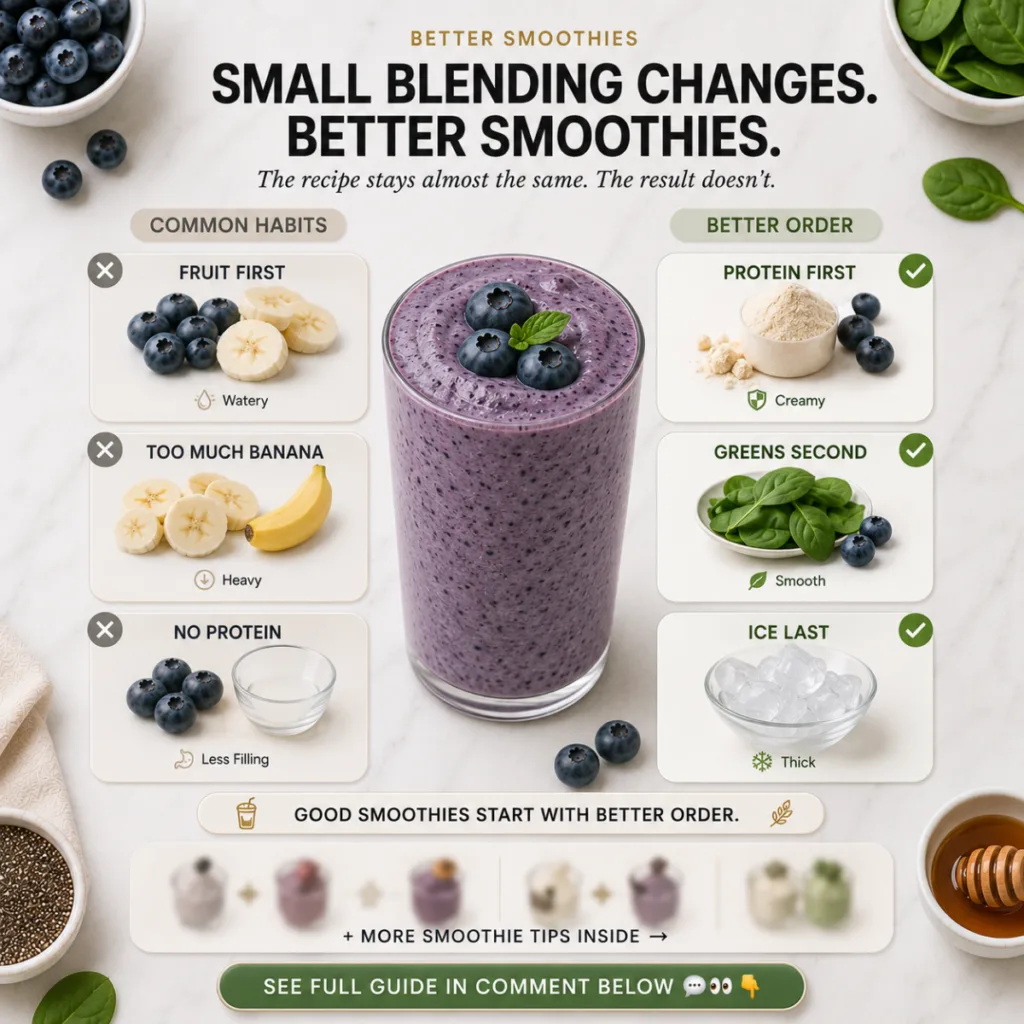 The right order makes all the difference for a perfectly blended smoothie.
What Makes a ‘Better’ Smoothie?
A truly great smoothie isn’t just about taste; it’s about texture, consistency, and how effectively your body absorbs the nutrients. A “better” smoothie is creamy, lump-free, and thick enough to feel satisfying without being overly heavy. The secret lies in understanding how different ingredients break down and combine when introduced to the blender jar.
For years, many of us have thrown ingredients into the blender haphazardly. However, the density and moisture content of each component dictate its ideal placement. By layering ingredients strategically, you give your blender the best chance to create a vortex that pulls everything down, resulting in a homogenous, velvety blend every time.
The Essential Smoothie Ingredients
While you can customize endlessly, most effective smoothies include these core categories:
- Liquid Base: Water, almond milk, coconut water, dairy milk, etc. (essential for blending).
- Protein Source: Protein powder (whey, plant-based), Greek yogurt, cottage cheese, nut butter.
- Greens: Spinach, kale, Swiss chard (adds nutrients without overpowering flavor).
- Fruit: Berries (blueberries, raspberries), banana, mango, pineapple.
- Healthy Fats/Fibers: Chia seeds, flax seeds, avocado, nuts.
- Ice: For thickness and chill (optional, especially if using frozen fruit).
- Sweetener (Optional): A drizzle of honey or a date.
Approximate Measurements for One Serving
This provides a good starting point for a balanced, single-serving smoothie:
- Liquid Base: 1 cup (240ml)
- Protein Source: 1 scoop (protein powder) or ½ cup (yogurt)
- Greens: 1-2 cups (packed spinach or kale)
- Fruit: 1 cup (mixed berries) or 1 medium banana
- Healthy Fats/Fibers: 1-2 tablespoons (chia seeds, nut butter, or ½ avocado)
- Ice: ½ – 1 cup (optional, adjust for desired thickness)
- Sweetener: ½ – 1 teaspoon (honey)
The ‘Better Order’ Formula for Success
This is the core change that will elevate your smoothie game. Follow these layers for optimal blending:
- Liquid Base First: Always start with your liquid. This creates the necessary foundation for the blender blades to move freely and prevents ingredients from getting stuck.
- Protein Powder & Seeds: Add powders and small, dense ingredients like chia or flax seeds next. They’re lighter and can be easily incorporated without clumping.
- Greens: Packed greens like spinach or kale go after the liquid and powders. They are lighter and will break down more efficiently when submerged.
- Soft Fruit/Add-ins: Fresh or frozen soft fruits (berries, banana slices), nut butters, and yogurt are next. They’re denser and will be pulled into the liquid and greens.
- Harder/Frozen Fruit & Ice Last: Your hardest ingredients, like large frozen fruit chunks or ice cubes, should be added last, on top. Their weight helps push the other ingredients down towards the blades, creating that crucial blending vortex.
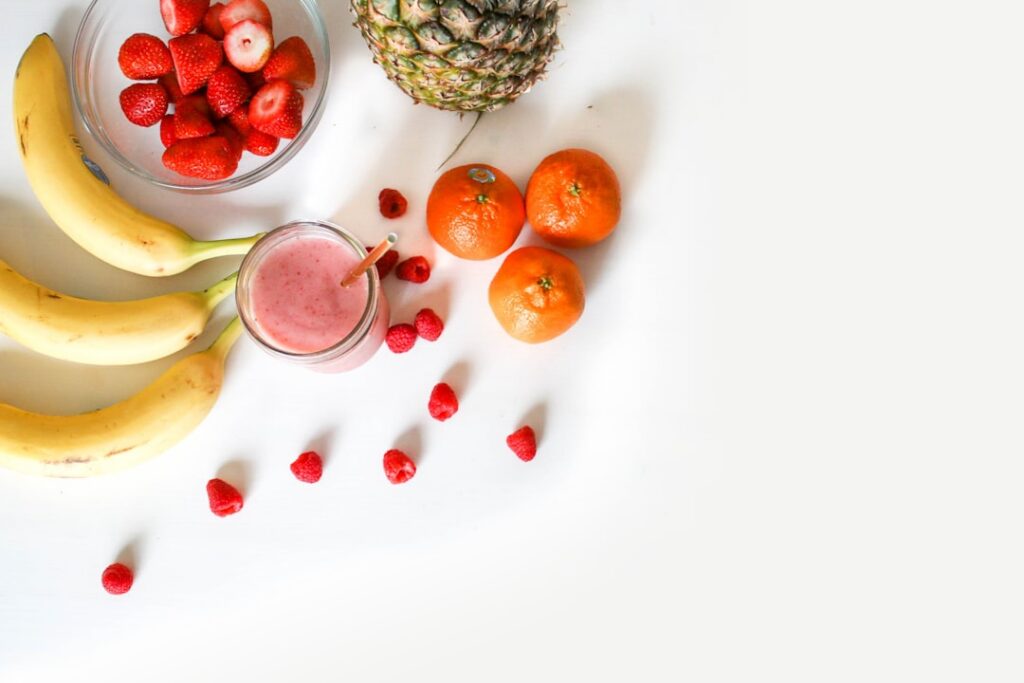 Layering your ingredients strategically ensures every blend is smooth and delicious.
Step-by-Step Method
Once you have your ingredients ready, follow these simple steps:
- Pour your chosen liquid base (e.g., almond milk, water) into the blender carafe.
- Add protein powder, chia seeds, or any other supplements.
- Carefully add your packed greens (spinach, kale).
- Place softer fruits like fresh banana slices, berries, or a scoop of yogurt on top of the greens.
- Finally, add your hardest ingredients: large frozen fruit pieces or ice cubes.
- Secure the lid and start blending on a low setting, gradually increasing to high until smooth. If needed, use a tamper to push down ingredients, but avoid adding more liquid unless absolutely necessary.
- Pour into a glass and enjoy immediately.
Quick Tip: Blending Speed Matters
Don’t just hit ‘high’ from the start. Begin on a lower setting to break down the softer ingredients, then gradually increase to high to pulverize the harder components and create that super-smooth consistency. This prevents cavitation (air pockets) and ensures an even blend.
How to Use Your ‘Better Smoothie’
These perfectly blended smoothies are versatile:
- Breakfast Power-Up: A quick, nutrient-dense meal to start your day.
- Mid-Day Snack: Helps curb hunger and provides sustained energy.
- Post-Workout Recovery: Replenishes nutrients and aids muscle repair, especially with added protein.
How Often to Use
Incorporating a well-made smoothie into your daily routine or several times a week is a great way to boost your intake of fruits, vegetables, and protein. Listen to your body and adjust frequency based on your dietary needs and goals.
How to Buy / Choose Ingredients
- Fresh vs. Frozen Fruit: Frozen fruit is excellent for smoothies as it adds thickness and chill without needing much ice. It’s often picked at peak ripeness, preserving nutrients. Fresh fruit works too, just add more ice if you want it cold and thick.
- Quality Greens: Opt for organic spinach or kale when possible. Wash thoroughly before use.
- Protein Powder: Choose a protein powder that aligns with your dietary preferences (whey, pea, rice, hemp) and has minimal added sugars or artificial ingredients.
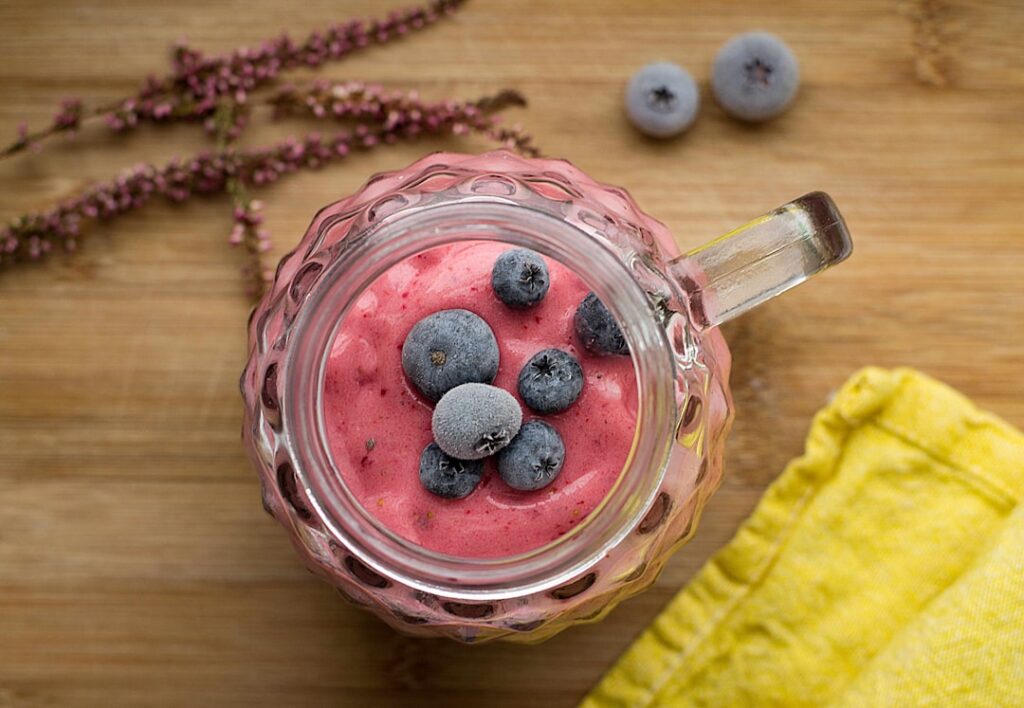 Achieve this perfect, velvety texture every time with the right blending method.
Storage
Smoothies are best consumed immediately for optimal freshness and nutrient content. If you must store one, pour it into an airtight container, fill to the very top to minimize air exposure, and refrigerate for no more than 24 hours. Some separation is normal; shake well before drinking. Freezing is possible in ice cube trays for later use in a fresh blend.
Practical Tips for Smoothie Perfection
- Don’t Overfill: Leave some room at the top of your blender jar for ingredients to move freely.
- Less Liquid is More: Start with the minimum liquid required and add more slowly if your blender is struggling. Too much liquid leads to a watery smoothie.
- Pre-Portioning: For busy mornings, pre-portion all dry ingredients (fruit, greens, powders) into freezer bags. Just add liquid and blend when ready.
Blending Order: Common Habits vs. Better Order
Common Habit (Result)Better Order (Result)Fruit First (Watery smoothie)Liquid First (Smooth base)Too Much Banana (Heavy, overly sweet)Protein & Seeds Next (Prevents clumping)No Protein (Less filling, less satisfying)Greens Second (Breaks down easily)Soft Fruit/Add-ins (Integrates well)Hard/Frozen Fruit & Ice Last (Pushes down ingredients)
Common Blending Mistakes to Avoid
Based on what many people commonly do, these are the pitfalls to steer clear of:
- Adding Fruit First: Tossing heavy, dense fruit onto dry blades can create a thick, unstirred mass at the bottom, leading to a watery, uneven blend.
- Using Too Much Banana: While delicious, excessive banana can make a smoothie overly sweet and heavy, masking other flavors and potentially adding unnecessary sugars.
- Skipping Protein: A smoothie without protein can leave you feeling hungry shortly after, as it lacks the satiety factor that protein provides.
- Not Adding Enough Liquid: This puts strain on your blender and results in a thick, unmixable paste.
- Ignoring the Lids: Always ensure your blender lid is securely on before blending.
Cautions / Who Should Avoid It
While smoothies are generally healthy, consider these points:
- Sugar Content: Be mindful of the amount of fruit, especially high-sugar varieties, and added sweeteners. This is particularly important for individuals managing blood sugar levels.
- Allergies: Always check ingredients for common allergens like nuts, dairy, or soy in protein powders.
- Medication Interactions: Certain greens (like kale) can interact with blood thinners. Consult your doctor if you have concerns.
Quick Summary: Your Path to Perfect Smoothies
- Best Preparation: Layer ingredients: liquid → protein/seeds → greens → soft fruit → hard fruit/ice.
- Best Use-Case: Quick breakfast, satisfying snack, post-workout recovery.
- Storage: Best fresh; airtight container in fridge for up to 24 hours.
- When to Use: Daily or a few times a week for a nutrient boost.
- What to Avoid: Adding fruit first, too much banana, forgetting protein.
FAQ
- Can I use fresh or frozen fruit?
- Both work! Frozen fruit makes your smoothie colder and thicker without extra ice.
- How long does a smoothie last?
- For best taste and nutrition, drink immediately. Can be stored in an airtight container in the fridge for up to 24 hours.
- What part of the fruit is best?
- Use the whole edible fruit, including the skin of apples or pears if you have a powerful blender.
- Can I reuse the leaves (greens) after blending?
- No, once blended, the fibers are broken down. Always use fresh greens for each smoothie.
- When should I avoid certain ingredients?
- Avoid high-sugar fruits if monitoring blood sugar, and be cautious with ingredients you’re allergic to.
- My smoothie is too thick/too thin. What should I do?
- Too thick: Add a splash more liquid. Too thin: Add more frozen fruit or a few more ice cubes, or a spoonful of chia seeds to thicken.
- Can I add supplements to my smoothie?
- Yes, protein powders, collagen, spirulina, and other powdered supplements can be added with the protein/seeds layer.
You may also like: The Ultimate Guide to Superfood Greens for Smoothies
Conclusion
Making a truly great smoothie doesn’t require culinary genius, just a little knowledge of physics. By simply changing the order in which you add ingredients to your blender, you unlock a world of creamy, perfectly blended, and utterly delicious possibilities. Say goodbye to watery, chunky drinks and hello to smoothie perfection.
Read more: Choosing the Best Protein Powder for Your Health Goals