We all dream of a lush, thriving garden, brimming with healthy plants and abundant harvests. Many of us turn to natural solutions, believing that anything from nature must be good for our green friends. While organic gardening is fantastic, it’s a common misconception that all natural additions are automatically beneficial. In fact, some common ‘natural fertilizers’ can actually backfire, harming your plants instead of helping them!
Today, we’re diving into some gardening wisdom to help you avoid these common fertilizer mistakes. Let’s learn how to nourish our plants safely and effectively, ensuring they flourish without unintended consequences.
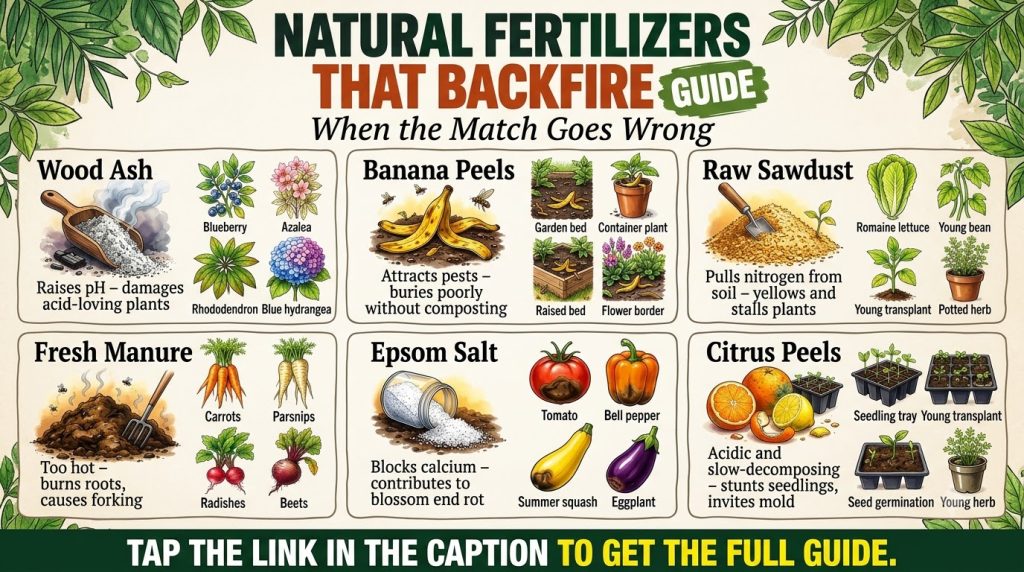
1. Fresh Manure: A Hot Mess for Young Plants
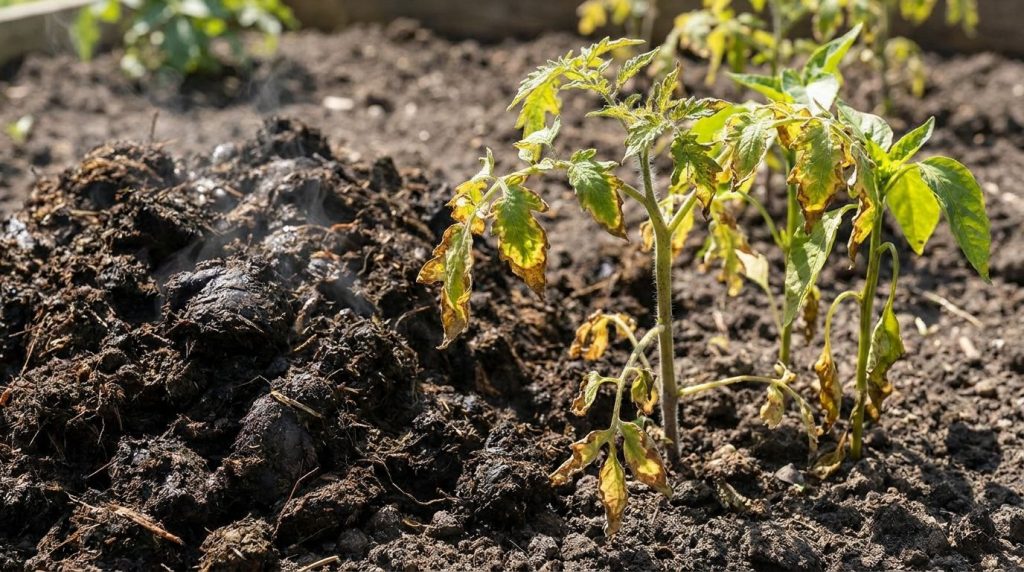
The Mistake: Applying fresh, uncomposted animal manure directly to your garden beds, especially around young or tender plants.
Why it Backfires: Fresh manure is rich in nitrogen, which sounds great, right? However, it’s often too concentrated and can ‘burn’ plant roots. It also contains high levels of ammonia, which can be detrimental. Furthermore, fresh manure can harbor pathogens and weed seeds, introducing unwanted problems to your garden.
The Wise Way: Always compost manure thoroughly before adding it to your garden. Composting allows the manure to break down, reducing its harshness and killing off most pathogens and weed seeds. Aim for aged, well-rotted manure, which is a fantastic soil amendment.
2. Wood Ash: pH Imbalance and Over-Alkalinity
The Mistake: Spreading large amounts of wood ash from your fireplace or fire pit without considering your soil’s pH.
Why it Backfires: While wood ash contains potassium, calcium, and other trace minerals, it’s also highly alkaline. Adding too much to already alkaline soil can dramatically raise the pH, making it difficult for many plants to absorb essential nutrients. This can lead to nutrient deficiencies, stunted growth, and yellowing leaves.
The Wise Way: Use wood ash sparingly and only after a soil test reveals your soil is acidic and could benefit from a pH boost. If your soil is already alkaline or neutral, avoid wood ash. Also, ensure the ash comes from untreated wood, as treated wood can contain harmful chemicals.
3. Banana Peels: Not an Instant Potassium Fix
The Mistake: Burying whole banana peels directly at the base of plants, expecting an immediate potassium boost.
Why it Backfires: While banana peels are indeed rich in potassium, they decompose slowly. When buried whole, they can attract pests like fruit flies and rodents. More importantly, the nutrients aren’t immediately available to your plants and can take months to break down into a usable form. In the meantime, the decomposing peels might create anaerobic conditions or attract unwanted attention.
The Wise Way: Chop banana peels into small pieces and add them to your compost pile. Composting them speeds up decomposition, making the nutrients available when the compost is ready. You can also make ‘banana tea’ by soaking chopped peels in water for a few days, then using the diluted liquid to water your plants.
4. Coffee Grounds: Acidity and Compaction Concerns
The Mistake: Piling up fresh coffee grounds around all types of plants, assuming they universally love acidic soil.
Why it Backfires: Coffee grounds are often praised for their nitrogen content and ability to deter pests. However, they are acidic, and not all plants thrive in acidic conditions. Over-applying them can significantly lower your soil’s pH, harming plants that prefer neutral or alkaline environments. Piled thickly, coffee grounds can also create a dense, impenetrable layer that compacts soil and hinders water and air penetration to roots.
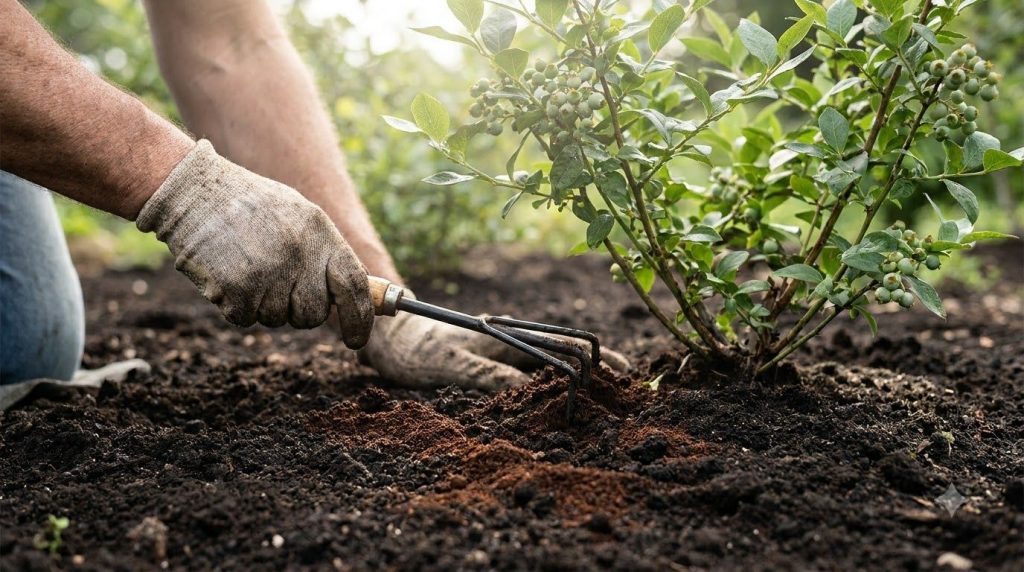
The Wise Way: Use coffee grounds in moderation. Incorporate small amounts into your compost pile, where their acidity will be buffered. For acid-loving plants like blueberries, azaleas, or rhododendrons, you can sprinkle a thin layer around the base, but always mix it into the topsoil lightly to prevent compaction. Always observe how your plants react.
5. Eggshells: Not a Quick Calcium Fix
The Mistake: Crushing eggshells and scattering them on the soil surface to immediately add calcium.
Why it Backfires: While eggshells are primarily calcium carbonate, they take a very long time to break down in the soil and release their nutrients. Simply scattering large pieces on the surface won’t provide an instant calcium boost and can even become an unsightly mess or sharp hazard. Their effectiveness as a pest deterrent for slugs is also debatable and often exaggerated.
The Wise Way: To make eggshells truly useful, wash them thoroughly, dry them, and then grind them into a very fine powder using a coffee grinder or food processor. The finer the powder, the quicker it will break down and release calcium into the soil. Mix this powder into your compost or directly into the soil before planting, especially for plants prone to calcium deficiency like tomatoes (blossom end rot).
General Principles for Smart Fertilization
- Soil Testing is Key: Before adding any fertilizer, get a soil test. This will tell you your soil’s pH and nutrient levels, guiding you on exactly what your garden needs.
- Moderation is Crucial: Even good things can be harmful in excess. Always follow recommended application rates and err on the side of less rather than more.
- Research Your Plants: Different plants have different nutritional needs and pH preferences. Know what your specific plants thrive on.
- Observe and Learn: Pay attention to your plants’ responses. If something looks off after applying a natural amendment, stop and investigate.
- Compost Power: A well-maintained compost pile is your best friend. It transforms kitchen scraps and garden waste into a balanced, nutrient-rich soil amendment that rarely backfires.
By understanding these common pitfalls and adopting smarter gardening practices, you can ensure your plants receive the right nourishment at the right time. Happy gardening!