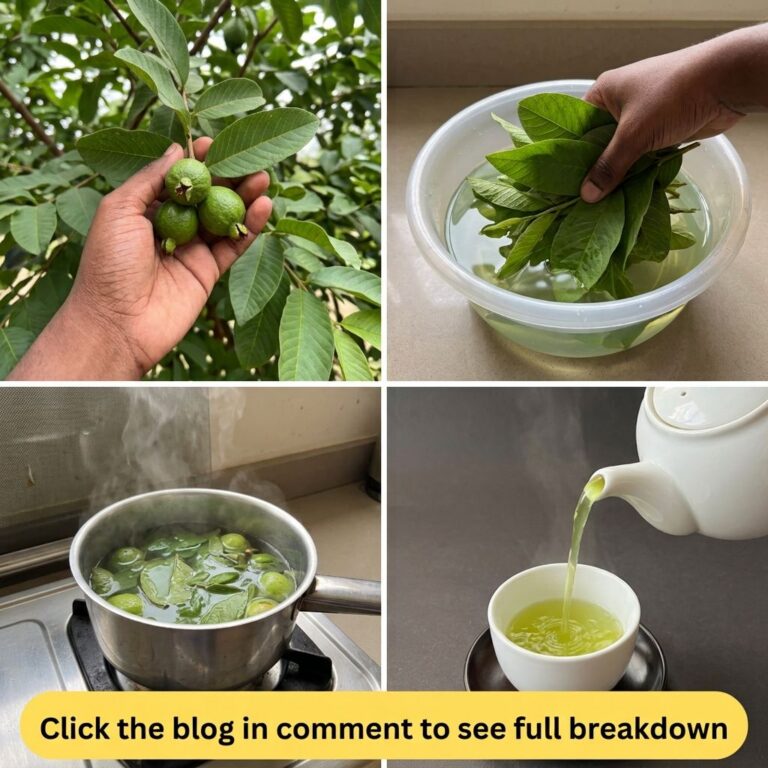
Most people only think about the sweet, juicy fruit when it comes to guava. But the leaves? They’re often overlooked, yet they hold a wealth of traditional uses, particularly when prepared as a simple tea. This isn’t about exotic ingredients or complex concoctions; it’s about a straightforward, age-old preparation that can easily become a part of your daily routine.
Many traditional herbal practices have long prized guava leaves for their accessible and practical application. If you’re looking for a natural remedy that’s easy to prepare at home, understanding how to properly make guava leaf tea is a valuable skill. One small mistake in preparation or sourcing, however, can diminish its potential or even make it less effective. Let’s dive into the practical steps.
What It Is: Guava Leaf Tea
Guava leaf tea is an herbal infusion made by steeping or boiling the leaves of the guava plant (Psidium guajava) in hot water. It’s a popular traditional remedy in many cultures, consumed for various health and wellness purposes. Unlike the fruit, the leaves offer a distinct set of compounds. It’s not a magical cure, but a time-honored botanical preparation, valued for its simplicity and accessibility.
Ingredients for Your Guava Leaf Remedy
- Guava Leaves: Approximately 10-15 fresh, medium-sized leaves, or 1-2 tablespoons of dried, crushed leaves.
- Water: 3-4 cups of clean, filtered water.
- Optional: 1-2 small guavas (as seen in some traditional preparations and for added flavor).
Formula & Recipe: Simple Guava Leaf Infusion
The core formula is straightforward: combine clean guava leaves with water and bring to a boil, then simmer. This process extracts the beneficial compounds from the leaves into the water, creating an aromatic herbal tea. This method is crucial for ensuring you get the most out of your leaves without over-extracting or damaging delicate compounds.
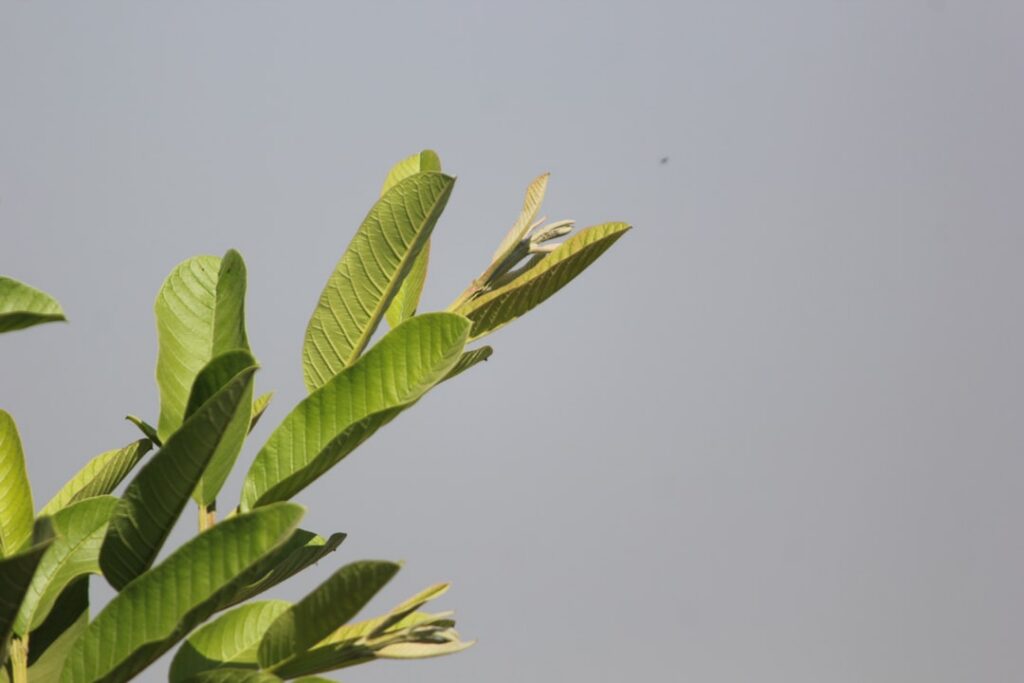
Step-by-Step Method
- Source and Clean: Begin by carefully selecting fresh, vibrant green guava leaves. If using fresh, wash them thoroughly under cold running water to remove any dirt, dust, or potential pesticide residues. Pat them dry gently.
- Prepare: If using fresh leaves, you can gently tear or bruise them to help release their compounds. If using small guavas, cut them into quarters.
- Combine: Place the cleaned guava leaves (and guava pieces, if using) into a medium-sized pot.
- Add Water: Pour 3-4 cups of filtered water over the leaves.
- Boil: Bring the water to a rolling boil over medium-high heat.
- Simmer: Once boiling, reduce the heat to low, cover the pot, and let it simmer for 15-20 minutes. This allows the compounds to infuse properly without evaporating too quickly.
- Strain: Remove the pot from the heat and let it cool slightly. Using a fine-mesh sieve or cheesecloth, strain the liquid into a cup or teapot, discarding the used leaves and fruit.
- Serve: Your guava leaf tea is now ready. You can drink it warm.
How to Use
Consume the prepared guava leaf tea as a warm beverage. It has a mild, earthy, and slightly bitter taste. Some people may choose to add a touch of honey or a squeeze of lemon to enhance the flavor, though it’s best to try it plain first to appreciate its natural profile.
How Often to Use
For general wellness support, a common recommendation is to drink one cup of guava leaf tea 1-2 times a day. Consistency is often more important than high doses. Listen to your body and adjust frequency as needed. It’s always wise to start with a smaller amount and observe how you feel.
Quick Tip: Best Time to Use It
Many find drinking guava leaf tea after meals to be beneficial. However, it can be consumed at any time of the day. Avoid consuming very large quantities right before bedtime if you are sensitive to herbal teas affecting your sleep, although guava leaf tea is not typically considered stimulating.
How to Buy / How to Choose Guava Leaves
Sourcing quality leaves is key. Look for organic options whenever possible to avoid pesticide contamination. If you have access to a guava tree, fresh leaves are ideal. If not, dried guava leaves are readily available in many herbal stores or online. Ensure they are from a reputable supplier.
| Feature | Fresh Guava Leaves | Dried Guava Leaves |
|---|---|---|
| Availability | Seasonal, often from gardens/local markets | Year-round, herbal shops, online |
| Potency | Often considered more potent due to freshness | Retains many compounds, convenient |
| Preparation | Wash thoroughly, can bruise for extraction | Simple steeping/boiling |
| Storage | Refrigerate for 3-5 days | Store in airtight container, cool, dark place for 6-12 months |
| Quantity | ~10-15 leaves per batch | ~1-2 tablespoons per batch |
Storage
- Fresh Leaves: Store unwashed fresh leaves in a paper bag in the refrigerator for up to 3-5 days.
- Dried Leaves: Keep dried guava leaves in an airtight container in a cool, dark place for up to 6-12 months. Ensure no moisture gets in.
- Prepared Tea: The brewed tea can be stored in an airtight container in the refrigerator for up to 24-48 hours. Reheat gently before consumption.
Practical Tips
- Leaf Quality: Always choose healthy, unblemished leaves. Avoid any that show signs of pest damage, discoloration, or wilting.
- Experiment with Strength: If the taste is too strong or too weak, adjust the number of leaves or the simmering time in subsequent batches.
- Stay Hydrated: While enjoying your tea, remember to continue drinking plenty of plain water throughout the day.
Did You Know?
While the leaves are the star for tea, some traditions also use the bark or even the young shoots of the guava tree for various preparations. Each part may offer a slightly different profile of compounds.
Common Mistakes
- Not Washing Leaves: Skipping the washing step can mean consuming unwanted dirt, insects, or chemical residues.
- Boiling Too Vigorously/Long: Over-boiling can degrade heat-sensitive compounds and lead to a very bitter taste. Simmer gently.
- Using Sprayed Leaves: Sourcing leaves from plants treated with pesticides is a significant mistake that can introduce harmful chemicals. Always verify the source.
- Improper Storage: Storing leaves or prepared tea incorrectly can lead to spoilage, mold growth, or loss of potency.
- Ignoring Body Signals: While generally considered safe, paying attention to how your body responds is always important.
Cautions / Who Should Avoid It
While generally safe for most adults in moderation, there are a few considerations:
- Pregnancy & Breastfeeding: Limited research exists; consult a healthcare professional before use.
- Diabetes Medication: Guava leaf tea might influence blood sugar levels. If you are on medication for diabetes, monitor your levels closely and consult your doctor.
- Allergies: If you have allergies to guava fruit or other plants in the Myrtaceae family, proceed with caution.
- Surgery: It might affect blood clotting; discontinue use at least two weeks before any scheduled surgery.
Always consult with a healthcare provider before introducing any new herbal remedy into your routine, especially if you have underlying health conditions or are taking medication.
Quick Summary: Your Guava Leaf Tea Guide
- Best Preparation: Gentle simmering of cleaned fresh or dried leaves in filtered water.
- Best Use-Case: Daily warm beverage for general wellness support.
- Storage: Fresh leaves in fridge (3-5 days), dried leaves airtight (6-12 months), brewed tea in fridge (24-48 hours).
- When to Use: 1-2 times daily, ideally after meals.
- What to Avoid: Unwashed leaves, over-boiling, pesticide-treated leaves, ignoring cautions.
Frequently Asked Questions (FAQ)
- Can I use fresh or dried guava leaves?
- Yes, both fresh and dried leaves can be used. Adjust quantities accordingly (more fresh, less dried) and ensure dried leaves are from a reputable source.
- How long does the brewed guava leaf tea last?
- The tea is best consumed fresh, but you can store it in an airtight container in the refrigerator for up to 24-48 hours.
- Can I refrigerate the leftover tea?
- Yes, refrigerate any unused tea within two hours of brewing. Reheat gently on the stovetop; avoid microwaving for best quality.
- How often should I drink guava leaf tea?
- Typically, 1-2 cups per day is a common recommendation for general use. Consult a professional for specific advice.
- What part of the guava plant is best for tea?
- The mature leaves are primarily used for tea, as they contain the highest concentration of the desired compounds.
- Can I reuse the leaves for a second batch?
- While you can try, the potency of the compounds will be significantly reduced in a second brewing. It’s generally recommended to use fresh leaves for each batch.
- When should I avoid guava leaf tea?
- Avoid if pregnant, breastfeeding, on diabetes medication (without doctor’s consent), or before surgery. Always consult a healthcare professional if in doubt.
Conclusion
The simple preparation of guava leaf tea is a testament to the powerful, yet often overlooked, remedies found in nature. By following these practical steps and understanding the nuances of sourcing and storage, you can easily incorporate this traditional infusion into your daily wellness regimen. It’s a straightforward, grounded approach to harnessing a readily available plant for personal well-being.
You may also like: DIY Herbal Oil Infusions: A Beginner’s Guide
Read more: Homemade Ginger Turmeric Tonic: Your Daily Immune Boost