Most people associate lavender with essential oils or fancy spa treatments, overlooking one of the simplest yet most effective ways to harness its soothing power: a homemade infusion. Forget complicated concoctions; a simple lavender infusion, or herbal tea, is a gentle way to bring tranquility into your day, whether you need to wind down after a long day or simply enjoy a moment of peace.
This guide cuts straight to the practical steps, ensuring you can create your own calming lavender drink without fuss. We’ll show you exactly how to transform fresh or dried lavender into a therapeutic brew, perfect for promoting relaxation and a sense of calm.
What is a Lavender Infusion?
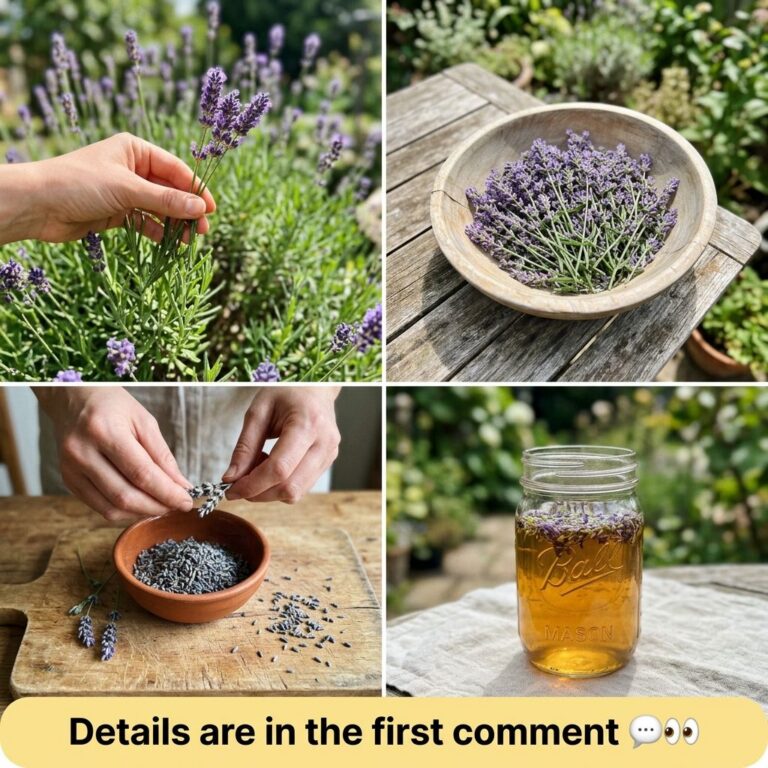
A lavender infusion is essentially a herbal tea made by steeping lavender flowers (buds) in hot water. Unlike a decoction, which involves boiling tougher plant parts, an infusion gently extracts the volatile compounds, aroma, and beneficial properties from the delicate lavender buds. The result is a fragrant, subtly flavored liquid often enjoyed for its calming and stress-reducing qualities.
Ingredients
- Lavender Buds: Fresh or dried (culinary grade).
- Water: Filtered is best for taste.
Approximate Measurements
- Dried Lavender Buds: 1-2 teaspoons per 8 ounces (1 cup) of water.
- Fresh Lavender Buds: 1-2 tablespoons per 8 ounces (1 cup) of water.
- Water: 8 ounces (1 cup) per serving.
Formula / Recipe: Simple Calming Lavender Tea
This basic formula ensures a perfectly balanced infusion every time. Adjust the amount of lavender to your personal preference for strength.
Step-by-Step Method
- Boil Water: Bring your filtered water to a rolling boil.
- Prepare Lavender: If using fresh lavender, gently remove the buds from the stems. For dried, measure out your desired amount.
- Combine: Place the lavender buds into a heat-proof mug, tea infuser, or French press.
- Pour Hot Water: Carefully pour the hot water over the lavender buds.
- Steep: Cover the mug or container to prevent the aromatic compounds from escaping with the steam. Let it steep for 5-10 minutes. A shorter steep time (5 minutes) will yield a lighter flavor, while a longer steep (10 minutes) will produce a stronger, more potent infusion.
- Strain: Remove the tea infuser or strain the liquid through a fine-mesh sieve to separate the lavender buds from the infusion.
- Serve: Enjoy your warm lavender infusion.
Quick Tip: Covering your steeping tea is crucial. It traps the beneficial volatile oils, ensuring you get the full aromatic and therapeutic benefits.
How to Use
The primary use of a lavender infusion is as a calming beverage. Sip it warm, particularly in the evening, to promote relaxation and prepare for sleep. You can also let it cool and use it topically.
- Calming Drink: Enjoy 1-2 cups per day, especially before bed.
- Facial Rinse: Once cooled, use the infusion as a gentle, soothing facial toner.
- Bath Additive: Add a cup of cooled infusion to your bathwater for an aromatic, relaxing soak.
How Often to Use
For general relaxation, consuming 1-2 cups of lavender infusion per day is usually sufficient. If using topically, it can be applied daily. Listen to your body and adjust frequency as needed.
How to Buy / How to Choose Ingredients
The quality of your lavender directly impacts your infusion. Always choose culinary-grade lavender, ensuring it’s free from pesticides and chemical treatments.
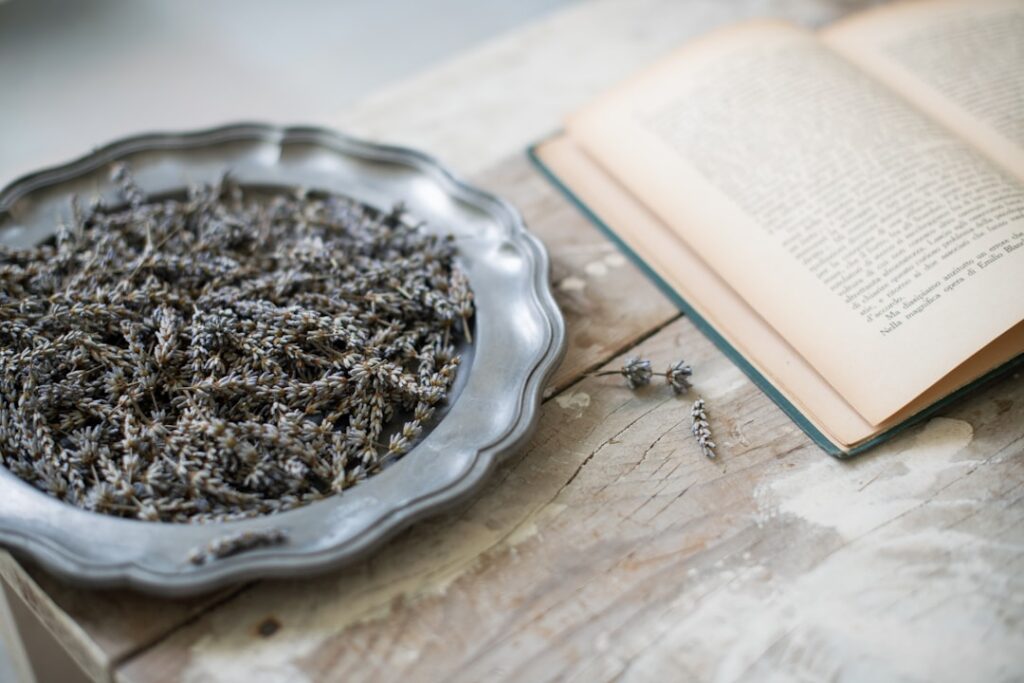
- Dried Lavender: Look for organic, culinary-grade dried lavender buds from reputable herbal suppliers or health food stores. The buds should retain their purple color and strong, fresh scent.
- Fresh Lavender: If harvesting from your garden, ensure it hasn’t been sprayed with chemicals. English lavender (Lavandula angustifolia) varieties like ‘Hidcote’ or ‘Munstead’ are typically preferred for culinary use due to their sweeter, less camphorous flavor.
Fresh vs. Dried Lavender for Infusion
| Feature | Fresh Lavender | Dried Lavender |
|---|---|---|
| Potency | Milder, subtle flavor | More concentrated flavor & aroma |
| Quantity | Use more (e.g., 1-2 tbsp) | Use less (e.g., 1-2 tsp) |
| Availability | Seasonal, often from gardens | Year-round, easy to store |
| Preparation | Strip buds from stems | Ready to use |
Storage
Once prepared, a lavender infusion is best consumed fresh. If you have leftovers, store them in an airtight container in the refrigerator for up to 24-48 hours. After this, the flavor can diminish, and the infusion may begin to lose its potency.
Practical Tips
- Sweeten Naturally: If you prefer a sweeter taste, add a touch of honey or maple syrup after straining.
- Combine with Other Herbs: Lavender pairs well with chamomile for enhanced calming effects, or with mint for a refreshing twist.
- Iced Infusion: For a refreshing summer drink, brew a stronger infusion, let it cool completely, and then serve over ice with a slice of lemon.
- Scented Compress: Soak a clean cloth in warm lavender infusion and apply it to your forehead or temples for headache relief.
Did You Know? The best time to harvest fresh lavender for culinary purposes is just as the buds begin to open, but before the flowers are fully bloomed, capturing their peak aromatic oil content.
Common Mistakes
- Boiling Lavender: Never boil the lavender buds directly. Boiling can destroy delicate compounds and result in a bitter, less pleasant taste. Always add hot water to the buds.
- Over-Steeping: Steeping for too long (much beyond 10 minutes) can make the infusion bitter and overly strong.
- Using Non-Culinary Lavender: Ornamental lavender or lavender from unknown sources may be treated with pesticides or have an undesirable flavor.
- Using Too Many Buds: Especially with dried lavender, using too much can lead to an overpowering, almost perfumy taste that isn’t enjoyable.
- Not Covering During Steeping: As mentioned, covering helps retain the volatile oils that provide both flavor and therapeutic benefits.
Cautions / Who Should Avoid It
While generally safe for most adults, some individuals should exercise caution:
- Pregnancy and Breastfeeding: Consult a healthcare provider before using lavender internally, as research on its effects during these times is limited.
- Allergies: If you have allergies to other plants in the mint family, you might be sensitive to lavender.
- Sedatives/Medications: Lavender can have a mild sedative effect. If you are taking sedatives or other medications that cause drowsiness, consult your doctor due to potential additive effects.
Quick Summary
- Best Preparation: Hot water steeped over culinary-grade lavender buds for 5-10 minutes.
- Best Use-Case: Calming drink before bed, or soothing topical rinse.
- Storage: Best fresh, up to 48 hours in the refrigerator.
- When to Use: Daily for relaxation, especially in the evening.
- What to Avoid: Boiling lavender, over-steeping, non-culinary varieties.
FAQ
- Can I use fresh or dried lavender? Both! Adjust quantities as fresh is milder (use more), and dried is more concentrated (use less).
- How long does lavender infusion last? Best consumed immediately. Can be refrigerated for up to 24-48 hours.
- Can I sweeten my lavender tea? Yes, honey, maple syrup, or a natural sweetener can be added after steeping.
- What type of lavender is best for tea? English lavender varieties (Lavandula angustifolia) are preferred for their sweeter, less camphorous flavor.
- Can children drink lavender infusion? In small amounts, it’s generally considered safe, but always consult a pediatrician first.
- What if my infusion tastes bitter? You might have steeped it too long or used too much lavender. Adjust time or quantity next brew.
- Can I reuse the lavender buds? Not recommended. Most beneficial compounds are extracted in the first steep.
- When should I avoid internal use of lavender? If pregnant, breastfeeding, or on sedative medications, consult a doctor first.
Making your own lavender infusion is a small, mindful act that offers significant rewards in terms of relaxation and well-being. It’s a gentle reminder that some of the best remedies are often the simplest, growing right in our gardens or easily accessible.
Ready to explore more herbal remedies? Read more about The Calming Benefits of Chamomile Tea or discover How to Make a DIY Rosemary Hair Rinse.