Are you feeling a little off? Perhaps a bit more tired than usual, or noticing shifts in your mood or energy levels? Hormones are powerful chemical messengers that regulate almost every process in your body, from metabolism and mood to sleep and reproduction. When they’re out of balance, it can significantly impact your well-being.
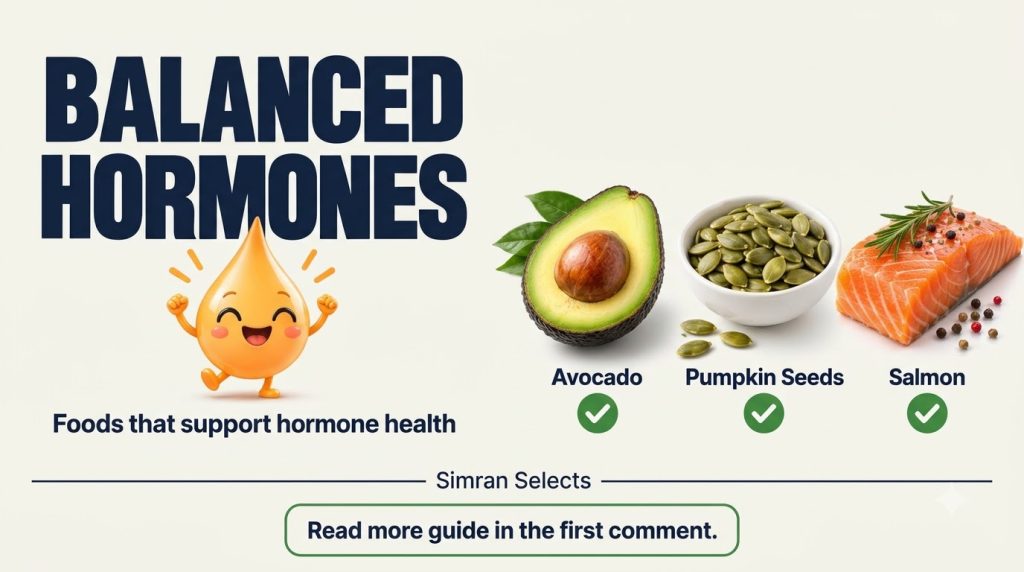
The good news is that your diet plays a crucial role in supporting hormone health. Incorporating certain nutrient-rich foods can help your body produce and regulate hormones more effectively, leading to better overall balance and vitality. In this guide, we’ll explore simple, delicious foods like avocado, pumpkin seeds, and salmon, and how they can help you feel your best. Get ready to nourish your body and support your hormones the natural way!
Understanding Hormone Balance
Hormones are essential for proper bodily function. They regulate everything from your digestion and immune system to your growth and sexual health. When these delicate chemical messengers are out of sync, you might experience a range of symptoms, including:
- Fatigue and low energy
- Weight fluctuations
- Mood swings or irritability
- Sleep disturbances
- Skin issues like acne
- Digestive problems
- Changes in menstrual cycles or fertility
While various factors influence hormone balance, nutrition is one of the most powerful and accessible tools you have to support your body’s natural regulatory systems.

Key Foods to Support Your Hormones
Let’s dive into some superstar foods that can help nurture your hormonal health.
Avocado: The Healthy Fat Hero
Avocados are much more than just a tasty toast topper. They are packed with healthy monounsaturated fats, which are crucial for hormone production. Hormones, including sex hormones like estrogen and testosterone, are synthesized from cholesterol, and healthy fats help facilitate this process. Avocados also provide fiber, which aids in detoxification and helps regulate blood sugar, preventing insulin spikes that can throw other hormones out of balance.
- Key Nutrients: Monounsaturated fats, fiber, potassium, vitamins B6, C, E, and K.
- How it Helps: Provides building blocks for hormone synthesis, supports blood sugar stability, aids detoxification.
Pumpkin Seeds: Tiny Powerhouses of Nutrition
Don’t underestimate these small but mighty seeds! Pumpkin seeds are an excellent source of zinc, a mineral vital for thyroid hormone production and reproductive health. They also contain magnesium, which helps reduce stress and improve sleep – both essential for hormonal well-being. Furthermore, their lignans (phytoestrogens) may help modulate estrogen levels, contributing to overall balance.
- Key Nutrients: Zinc, magnesium, omega-3 fatty acids, fiber, antioxidants.
- How it Helps: Supports thyroid function, aids in stress reduction, provides estrogen-modulating compounds.
Salmon: Omega-3 Rich Champion
Wild-caught salmon is a fantastic source of omega-3 fatty acids, particularly EPA and DHA. These essential fats are powerful anti-inflammatory agents that can help reduce inflammation throughout the body, which is a common disruptor of hormone balance. Omega-3s also play a direct role in cell membrane health, impacting how well hormone receptors function. Salmon also provides vitamin D, a hormone itself, important for mood, immunity, and bone health.
- Key Nutrients: Omega-3 fatty acids (EPA, DHA), vitamin D, protein, B vitamins.
- How it Helps: Reduces inflammation, supports cell receptor function, provides vital vitamin D.
Beyond These Foods: Other Hormone Helpers
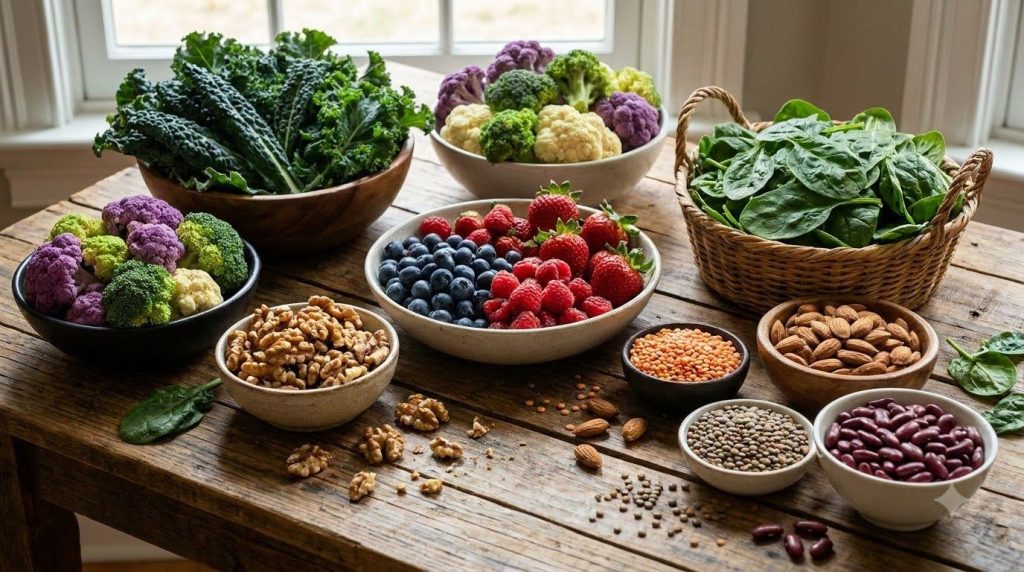
While avocado, pumpkin seeds, and salmon are excellent choices, a holistic approach to eating offers even more benefits. Consider incorporating:
- Cruciferous Vegetables: Broccoli, cauliflower, Brussels sprouts, and kale contain compounds that support healthy estrogen metabolism.
- Berries: Rich in antioxidants and fiber, they help reduce inflammation and stabilize blood sugar.
- Leafy Greens: Spinach, collard greens, and Swiss chard provide magnesium and other essential vitamins and minerals.
- Nuts and Seeds: Almonds, flaxseeds, and chia seeds offer healthy fats, fiber, and phytoestrogens.
- Fermented Foods: Kimchi, sauerkraut, and yogurt with live cultures support gut health, which is intricately linked to hormone balance.
Common Mistakes That Impact Hormone Balance
Even with healthy choices, certain habits can unintentionally disrupt your hormones:
- Excessive Sugar Intake: Leads to insulin resistance and impacts other hormones.
- Chronic Stress: Elevates cortisol, a stress hormone, which can disrupt others.
- Lack of Sleep: Affects melatonin, growth hormone, and cortisol regulation.
- Processed Foods: Often high in unhealthy fats, sugar, and artificial ingredients that can cause inflammation.
- Caffeine Overload: Can impact adrenal function and sleep cycles for some individuals.
Practical Tips for Hormone Health
Ready to make these beneficial foods a part of your daily routine? Here are some simple, practical tips:
- Start Your Day Strong: Add avocado to your morning smoothie or eggs. Sprinkle pumpkin seeds over oatmeal or yogurt.
- Lunchtime Boost: Enjoy a salad topped with grilled salmon and a sprinkle of pumpkin seeds.
- Dinner Delight: Bake or grill salmon with a side of steamed broccoli and a drizzle of avocado oil.
- Snack Smart: Grab a handful of pumpkin seeds or a small bowl of guacamole with veggie sticks.
- Vary Your Diet: Don’t rely on just a few foods. Aim for a wide range of colorful fruits, vegetables, lean proteins, and healthy fats.
- Stay Hydrated: Drink plenty of water throughout the day to support all bodily functions, including hormone transport and detoxification.
- Manage Stress: Practice mindfulness, yoga, or spend time in nature to help keep cortisol levels in check.
- Prioritize Sleep: Aim for 7-9 hours of quality sleep each night to allow your body to reset and regulate hormones.
FAQs About Hormones and Diet
Q1: Can diet really impact my hormones?
A: Yes, absolutely! Diet provides the raw materials for hormone production, influences inflammation, blood sugar regulation, and gut health, all of which are critical for maintaining hormonal balance.
Q2: How long does it take to see results from dietary changes?
A: It varies by individual and the severity of the imbalance. Some people may notice subtle improvements in energy or mood within a few weeks, while more significant changes may take several months of consistent healthy eating.
Q3: Are there any foods I should avoid for hormone health?
A: It’s generally wise to limit processed foods, excessive sugar, unhealthy trans fats, and refined carbohydrates, as these can contribute to inflammation and blood sugar imbalances that negatively affect hormones.
Q4: Do men also need to worry about hormone balance and diet?
A: Yes, men’s hormones, including testosterone, are also influenced by diet and lifestyle. Foods rich in zinc, healthy fats, and antioxidants are beneficial for men’s hormonal health too.
Q5: Is it possible to eat too many “hormone-balancing” foods?
A: While nutrient-dense, moderation and variety are key. Focus on a balanced diet overall rather than overconsuming any single food. Listen to your body and consult a professional if you have concerns.
Q6: Should I take supplements for hormone balance?
A: It’s best to prioritize whole foods first. Supplements can be helpful in some cases, but always consult with a healthcare professional before starting any new supplements to ensure they are appropriate for your individual needs.
Conclusion
Supporting your hormone health doesn’t have to be complicated. By making intentional food choices and incorporating nutrient-rich options like avocado, pumpkin seeds, and salmon into your diet, you can provide your body with the essential building blocks it needs for optimal function. Remember that consistent, healthy habits – including balanced eating, stress management, and adequate sleep – work together to create true hormonal harmony.
Embrace these delicious foods, listen to your body, and enjoy the journey to better health and vitality. Explore more of our articles for additional insights into healthy eating and a balanced lifestyle!
This content is for educational purposes only and should not be considered medical advice. Consult a qualified healthcare professional for personalized dietary recommendations.