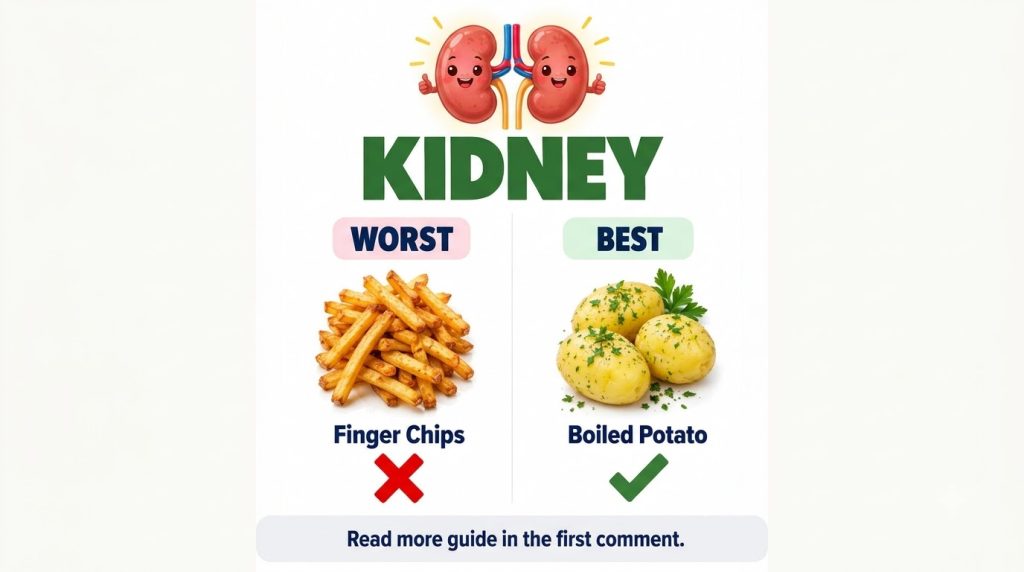
When it comes to supporting your kidney health, every food choice matters. Potatoes are a staple in many diets, but how you prepare them can make a huge difference, especially for your kidneys. Ever wondered if that side of fries is really as good for you as a simple boiled potato? You’re about to find out!
In this article, we’ll dive into a friendly but crucial comparison: crispy French fries versus humble boiled potatoes. We’ll explore their nutritional differences, focusing on key nutrients like sodium, fat, and potassium, and how these impact your kidney health. By the end, you’ll have a clearer picture to make healthier choices that nourish your body, starting with your next potato dish.
Let’s uncover the simple truths that can help you eat better and feel better!
Nutrition Comparison Table
Let’s look at how a typical serving of French fries compares to boiled potatoes. Remember, these are approximate values and can vary based on preparation.
| Food (approx. 100g) | Calories | Protein (g) | Carbs (g) | Fat (g) | Fiber (g) | Sodium (mg) | Potassium (mg) | Best Benefit for Kidneys |
|---|---|---|---|---|---|---|---|---|
| French Fries | 300-350 | 3-4 | 40-45 | 15-20 | 3-4 | 200-300+ | 400-500 | N/A (higher risk) |
| Boiled Potatoes | 80-100 | 2-3 | 18-20 | 0.1-0.2 | 2-3 | 5-10 | 350-400 | Lower sodium, fat |
Calories
When it comes to calories, the way a potato is prepared makes a big difference. French fries are deep-fried, meaning they soak up a lot of oil, significantly increasing their caloric content. A small serving of fries can easily have more than three times the calories of a plain boiled potato.
For weight management and overall health, opting for boiled potatoes can help you feel full without consuming excess calories.
Why You’ll Love It
- Boiled Potatoes: Low in calories, helping with weight management.
- French Fries: High in calories, can contribute to weight gain if consumed frequently.
Fat
This is where the contrast is most stark. Boiled potatoes are naturally very low in fat, containing almost none unless you add butter or oil. French fries, on the other hand, are cooked in large amounts of oil, often unhealthy trans fats or saturated fats, especially in fast-food settings. These fats contribute to heart disease, which is closely linked to kidney health.
Why You’ll Love It
- Boiled Potatoes: Virtually fat-free, great for heart and kidney health.
- French Fries: High in unhealthy fats, which can increase the risk of cardiovascular issues.
Carbs and Fiber
Both types of potatoes are good sources of carbohydrates, providing energy. However, the fiber content and how the carbs are digested can differ. Boiled potatoes, especially with the skin on, offer a decent amount of dietary fiber, which aids digestion and can help regulate blood sugar levels.
While fries also contain fiber, the high fat content can slow digestion and may lead to a less favorable glycemic response. Fiber is beneficial for overall gut health, which supports a healthy body system, including the kidneys.
Why You’ll Love It
- Boiled Potatoes: Good source of complex carbs and fiber, especially with skin.
- French Fries: Carbs combined with high fat, often lower in beneficial fiber.
Sodium
Sodium is a critical factor for kidney health. High sodium intake can lead to high blood pressure, which is a major risk factor for kidney disease. Boiled potatoes, when prepared without added salt, are naturally very low in sodium.
French fries, particularly those from fast-food chains or frozen varieties, are often heavily salted during processing or immediately after frying. This can push their sodium content to unhealthy levels, making them a poor choice for anyone concerned about blood pressure or kidney function.
Why You’ll Love It
- Boiled Potatoes: Naturally low in sodium, promoting healthy blood pressure.
- French Fries: Very high in sodium, a significant concern for kidney health.
Potassium and Phosphorus
Potatoes are known to be a good source of potassium. For most healthy individuals, potassium is an essential mineral that helps balance fluids and maintain normal blood pressure. For people with advanced kidney disease, however, too much potassium can be harmful because their kidneys may struggle to remove excess from the blood. Boiling potatoes can actually help reduce their potassium content, especially if they are peeled and boiled in large amounts of water.
Phosphorus is another mineral that can be problematic in excess for those with compromised kidney function. While natural potatoes contain phosphorus, processed foods like some frozen fries or flavored potato products might have added phosphorus from food additives, which is more readily absorbed by the body.
Why You’ll Love It
- Boiled Potatoes: Natural source of potassium; can be modified for restricted diets.
- French Fries: May contain higher phosphorus (from additives) and varying potassium.
Taste
Taste is subjective, but the flavor profile of these two potato dishes is vastly different. French fries offer a crispy, salty, and rich taste that many find addictive. Boiled potatoes, on the other hand, have a milder, earthy flavor that can be seasoned in countless healthy ways.
You can enjoy the natural taste of a potato without the excessive oil and salt when you choose to boil it.
Best For
- Boiled Potatoes are best for: Anyone looking to maintain healthy blood pressure, manage weight, or support overall kidney health. They are versatile for healthy meal prep.
- French Fries are best for: Occasional treats for individuals without specific dietary restrictions related to kidney or heart health. They should not be a regular part of a kidney-friendly diet.
Winner: Boiled Potatoes
For overall kidney health, boiled potatoes are the clear winner. They are naturally low in unhealthy fats and sodium, and provide beneficial fiber and complex carbohydrates without the added risks associated with deep-frying. While fries can be a delicious indulgence, their high fat, sodium, and calorie content make them a less kidney-friendly option for regular consumption.
Practical Tips for Healthy Potato Choices
- Eat the Skin: The skin of a potato is rich in fiber and nutrients. Wash thoroughly and leave it on when boiling or baking.
- Season Smartly: Instead of salt, use herbs, spices, lemon juice, or vinegar to flavor your boiled potatoes.
- Control Portions: Even healthy foods should be eaten in moderation.
- Bake or Roast: If you crave a crispier texture, baking or air-frying potatoes with a minimal amount of olive oil and seasonings is a much healthier alternative to deep-frying.
- Choose Fresh: Opt for fresh, whole potatoes over highly processed or pre-made potato products that often contain high sodium and additives.

FAQs
Are potatoes generally good for kidneys?
For most healthy people, potatoes are a nutritious food. They provide vitamins, minerals, and fiber. However, for individuals with certain kidney conditions, especially those on a low-potassium diet, preparation methods like double-boiling can help reduce potassium levels.
Can I eat sweet potatoes for kidney health?
Yes, sweet potatoes are a fantastic alternative! They are rich in vitamins, fiber, and antioxidants, and often have a slightly lower potassium content than white potatoes, depending on the variety and preparation. They can be a great addition to a kidney-friendly diet.
What is the healthiest way to cook potatoes?
Boiling, steaming, baking, and roasting (with minimal healthy oil) are the healthiest ways to cook potatoes. These methods avoid the excessive fats and sodium associated with frying.
How much sodium is too much for kidney health?
For general health, the American Heart Association recommends no more than 2,300 milligrams of sodium per day, ideally aiming for less than 1,500 mg for most adults. Individuals with kidney disease may have even stricter sodium restrictions, as advised by their doctor or dietitian.
Are air-fried potatoes healthier than deep-fried?
Yes, air-frying uses significantly less oil than deep-frying, making it a much healthier option. While they still offer a crispy texture, air-fried potatoes are lower in unhealthy fats and calories compared to traditional fries.
What about potato chips?
Potato chips are typically very high in sodium and unhealthy fats, similar to or even worse than French fries, depending on the brand and flavor. They are generally not recommended for regular consumption, especially for kidney health.

Conclusion
Choosing between French fries and boiled potatoes for kidney health is a straightforward decision. Boiled potatoes emerge as the champion, offering a wealth of nutrients with minimal fat and sodium, making them an excellent choice for a healthy lifestyle. French fries, while tasty, should be considered an occasional indulgence due to their high caloric, fat, and sodium content.
By making conscious choices about how you prepare your food, you can significantly impact your overall well-being and support your kidneys for years to come. So, the next time you’re craving potatoes, reach for the pot instead of the fryer!
This content is for educational purposes only and should not be considered medical advice. Consult a qualified healthcare professional for personalized dietary recommendations.
Explore More Healthy Food Content:
- Healthy Eating Habits for a Stronger You
- Top 10 High-Fiber Foods You Should Be Eating
- Understanding Sodium: The Hidden Impact on Your Health
- Delicious & Easy Low-Sodium Recipes