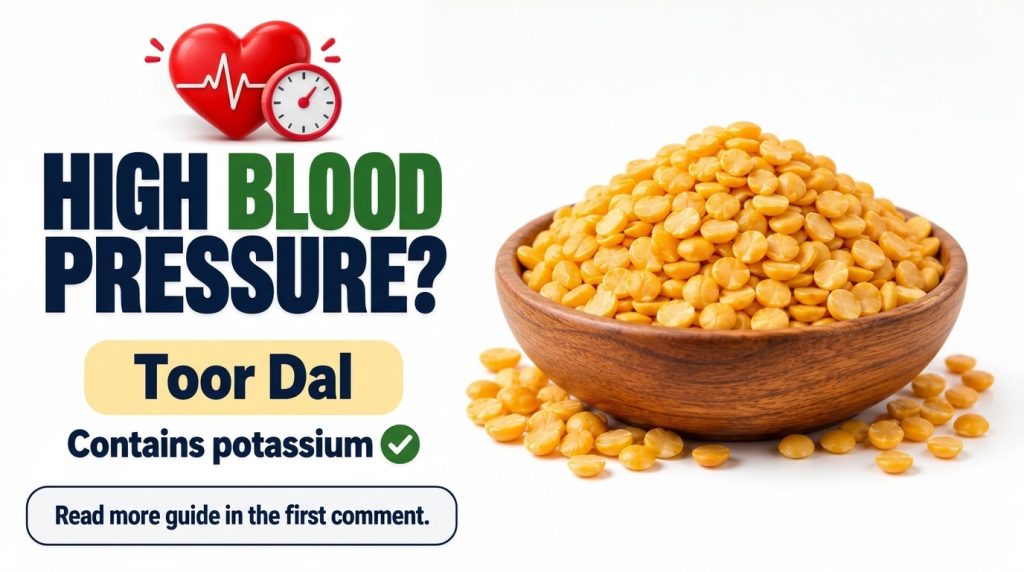
Are you looking for simple, delicious ways to support your heart health? Perhaps you’re exploring dietary choices that can positively impact your blood pressure? Look no further than Toor Dal, a humble yet powerful legume that deserves a spot in your kitchen.
Toor Dal, also known as pigeon pea, is a staple in many cuisines worldwide, particularly in India. It’s cherished for its versatility, nutty flavor, and, most importantly, its impressive nutritional profile. In this article, we’ll dive into the benefits of Toor Dal, especially focusing on how its potassium content may play a role in managing blood pressure. Get ready to discover why this wholesome ingredient could become your heart’s new healthy companion!
The Heart-Healthy Benefits of Toor Dal
Toor Dal offers a wealth of nutrients, but one of its standout components, especially for cardiovascular health, is its high potassium content. Potassium is a crucial mineral that plays a vital role in maintaining fluid balance and healthy blood pressure levels in your body.
Potassium: Your Blood Pressure Ally
- Counteracts Sodium: Potassium helps balance the effects of sodium in your diet. Excess sodium can lead to fluid retention and increased blood pressure. Potassium encourages your body to excrete more sodium through urine, which can help lower blood pressure.
- Relaxes Blood Vessel Walls: Research suggests that adequate potassium intake can help relax the walls of your blood vessels, which in turn can lead to lower blood pressure. This relaxing effect makes it easier for blood to flow, reducing strain on your heart.
- Overall Cardiovascular Support: Beyond blood pressure, potassium is essential for proper heart function, nerve signals, and muscle contractions. Including potassium-rich foods like Toor Dal can support overall cardiovascular wellness.
Beyond Potassium: Other Nutritional Perks
While potassium takes center stage for blood pressure, Toor Dal also provides other valuable nutrients:
- Plant-Based Protein: It’s an excellent source of vegetarian protein, essential for muscle repair, growth, and overall bodily functions.
- Dietary Fiber: High in fiber, Toor Dal aids in digestive health, helps regulate blood sugar levels, and can contribute to a feeling of fullness, which may support weight management.
- Vitamins and Minerals: It contains various B vitamins (like folate) and minerals such as magnesium, phosphorus, and iron, all vital for energy production and general well-being.
Nutrition Facts: What’s in a Serving of Toor Dal?
Here’s a general overview of the nutritional content you might find in a typical serving (about ½ cup cooked) of Toor Dal. Please note that values can vary slightly based on cooking methods and specific varieties.
| Nutrient | Approximate Value (½ cup cooked) |
|---|---|
| Calories | ~100-120 kcal |
| Protein | ~8-10 g |
| Carbohydrates | ~20-22 g |
| Fiber | ~5-7 g |
| Fat | ~0.5 g |
| Potassium | ~350-400 mg |
| Folate | ~40-50 mcg |
| Iron | ~1-1.5 mg |
Scientific Explanation: How Potassium Works for Blood Pressure
Our bodies maintain a delicate balance of electrolytes, including sodium and potassium, to regulate various functions. When there’s too much sodium and not enough potassium, this balance is disrupted. This imbalance can lead to increased fluid volume in the blood and constriction of blood vessels, both contributing to higher blood pressure.
Potassium acts as a vasodilator, meaning it helps to widen blood vessels. This effect, combined with its ability to help the kidneys excrete excess sodium, works synergistically to reduce the pressure within your arteries. Regular intake of potassium-rich foods is a key dietary strategy recommended by health organizations for managing and preventing hypertension.
Best Ways to Enjoy Toor Dal
Incorporating Toor Dal into your diet is easy and delicious. Here are some popular and practical ways:
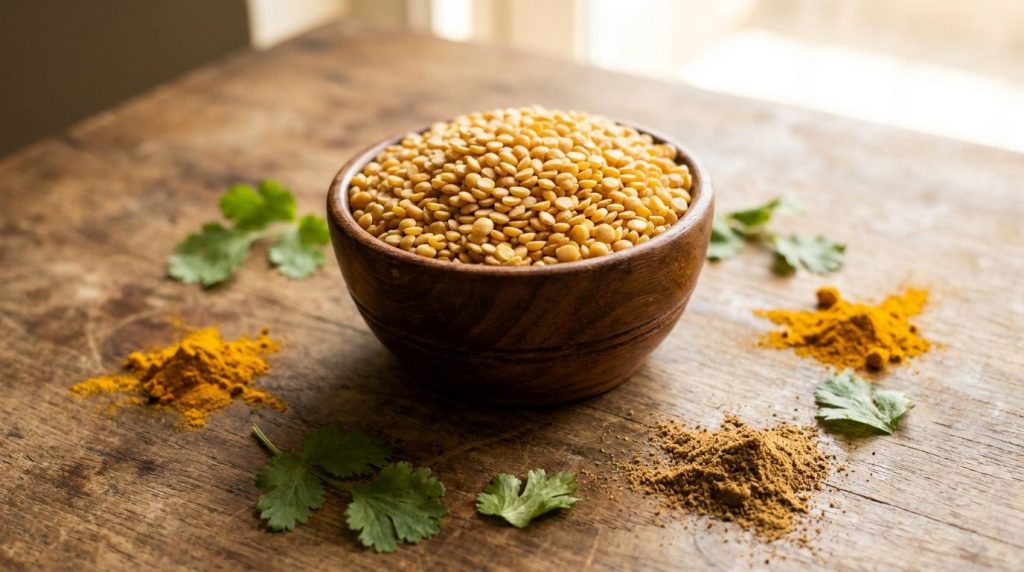
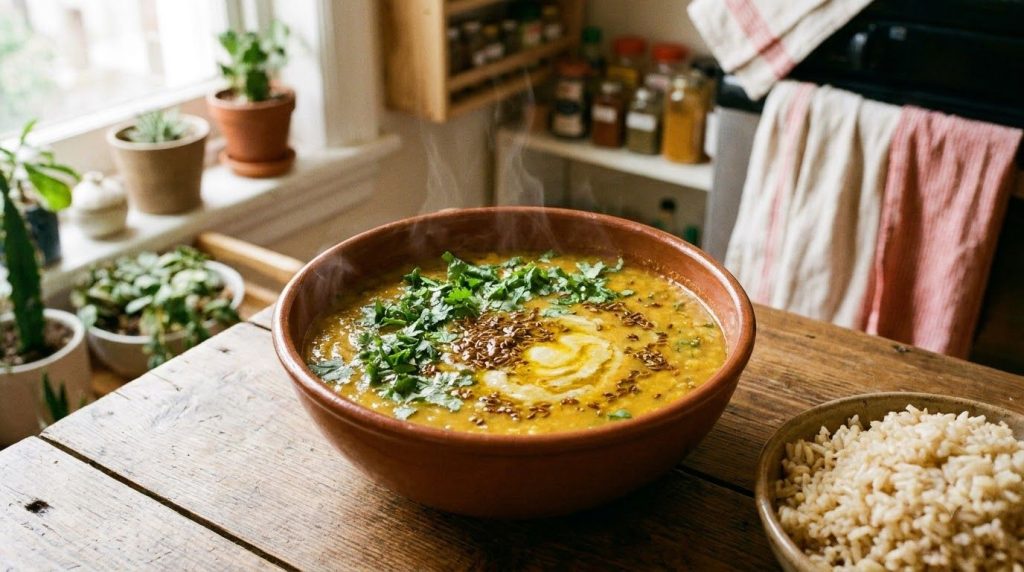
- Classic Dal: The most common way to enjoy Toor Dal is in a traditional Indian dal. Cook it with spices like turmeric, cumin, and mustard seeds, then temper with a ‘tadka’ of garlic and chili. Serve with brown rice or whole-wheat roti.
- Soups and Stews: Add cooked Toor Dal to vegetable soups or stews for an extra boost of protein and fiber. Its mild flavor blends well with many ingredients.
- Salad Topping: Cooked and cooled Toor Dal can be a fantastic addition to salads, offering a hearty texture and nutritional punch.
- Toor Dal Khichdi: A comforting and nutritious dish made by cooking Toor Dal with rice and vegetables, often spiced mildly.
- Vegetable Stir-fries: Incorporate sprouted or cooked Toor Dal into your stir-fries to increase their protein content.
Potential Considerations and Tips
Soaking and Cooking
Toor Dal, like other legumes, contains compounds that can sometimes cause digestive discomfort for some individuals. Soaking the dal for at least 30 minutes to an hour (or even overnight) before cooking can help reduce these compounds and make it easier to digest. It also helps to reduce cooking time!
Balanced Diet
While Toor Dal is incredibly healthy, it’s part of a larger picture. For optimal blood pressure management and overall health, it’s crucial to combine it with a balanced diet rich in other fruits, vegetables, whole grains, and lean proteins, while limiting processed foods, excessive sodium, and unhealthy fats.
FAQs About Toor Dal
Q: What is Toor Dal?
A: Toor Dal, also known as pigeon pea or split pigeon pea, is a popular legume primarily grown and consumed in tropical and subtropical regions. It’s a key ingredient in many South Asian cuisines.
Q: How does Toor Dal help with blood pressure?
A: Toor Dal is rich in potassium, a mineral that helps counteract the effects of sodium in the body, promotes the excretion of excess sodium, and relaxes blood vessel walls. These actions can collectively help lower and maintain healthy blood pressure levels.
Q: Is Toor Dal good for weight loss?
A: Yes, Toor Dal can be beneficial for weight management. It’s high in protein and dietary fiber, which help you feel full and satisfied for longer, reducing overall calorie intake. Its low-fat content also makes it a good choice.
Q: Can I eat Toor Dal every day?
A: Absolutely! Incorporating Toor Dal into your daily or frequent meals as part of a varied and balanced diet is a healthy choice. It provides essential nutrients without being high in calories or unhealthy fats.
Q: How should I cook Toor Dal?
A: Before cooking, it’s best to rinse Toor Dal thoroughly and soak it for at least 30 minutes to an hour to aid digestion and reduce cooking time. Then, boil it in water or broth until tender, which usually takes 20-30 minutes, depending on whether it was soaked.
Q: Is Toor Dal gluten-free?
A: Yes, Toor Dal itself is naturally gluten-free, making it a suitable protein and fiber source for individuals with gluten sensitivities or celiac disease. Just be sure to check other ingredients if consuming a processed product.
Conclusion
Toor Dal is much more than just a flavorful ingredient; it’s a nutritional powerhouse, particularly for those looking to support their heart health and manage blood pressure. Rich in potassium, protein, and fiber, this versatile legume offers a simple yet impactful way to enhance your diet.
By making Toor Dal a regular part of your meals, you’re not just enjoying a delicious dish; you’re actively contributing to a healthier lifestyle. We encourage you to explore the many wonderful ways to cook with Toor Dal and discover its amazing benefits for yourself!
This content is for educational purposes only and should not be considered medical advice. Consult a qualified healthcare professional for personalized dietary recommendations.