Imagine looking up, way up, past the rooftops of the tallest buildings, and seeing the crown of a tree swaying gently in the breeze. It’s a truly humbling thought, isn’t it? Our planet is home to some truly magnificent botanical giants, trees that don’t just reach for the sky but seem to pierce it, standing as nature’s original skyscrapers. These living wonders remind us of the incredible power and grandeur of the natural world.
Discovering Earth’s Towering Titans
We often marvel at human-made structures that scrape the clouds, but long before steel and glass, there were trees reaching unimaginable heights. Infographics often highlight these incredible species, showcasing their majestic presence and astounding maximum heights. Think about it: some trees grow taller than a 30-story building! These aren’t just big trees; they are ecological marvels that have withstood centuries, sometimes millennia, of change.

From the mighty Coast Redwood (Sequoia sempervirens) dominating the misty Pacific coast, known to reach over 115 meters (380 feet), to the soaring Mountain Ash (Eucalyptus regnans) in Australia, which can exceed 100 meters (330 feet), these species are testaments to nature’s capacity for growth. Each one tells a story of survival, growth, and adaptation, thriving in specific conditions that allow them to stretch so far towards the sun.
What Makes a Tree a ‘Skyscraper’?
The ability of certain trees to grow to such colossal heights isn’t just a fluke; it’s a combination of genetics, environment, and sheer resilience. Factors like abundant rainfall, deep and nutrient-rich soil, and a climate that avoids extreme winds or frosts all contribute to these giants’ development. They compete for sunlight, pushing ever higher, while their robust root systems anchor them firmly against the elements. Their incredible stature also plays a vital ecological role, forming unique microclimates and supporting diverse ecosystems from their roots to their highest branches.
The Ecological Importance of Giant Trees
- Carbon Sinks: These massive trees are incredibly efficient at absorbing carbon dioxide from the atmosphere, playing a crucial role in mitigating climate change.
- Biodiversity Hotspots: Their immense size creates unique habitats for countless species of insects, birds, mammals, and other plant life, many of which can only thrive in these specific environments.
- Water Cycle Regulation: Tall forests influence local weather patterns, drawing moisture from the ground and releasing it into the atmosphere, contributing to rainfall and cloud formation.
- Soil Stability: Their extensive root systems prevent erosion, especially in mountainous or riparian areas.
Bringing the Spirit of Giants to Your Garden
While most of us won’t be planting a Coast Redwood in our backyard, the awe inspired by these natural skyscrapers can certainly influence our gardening choices. We can still aspire to cultivate majestic trees that provide beauty, shade, and ecological benefits within our own landscapes.
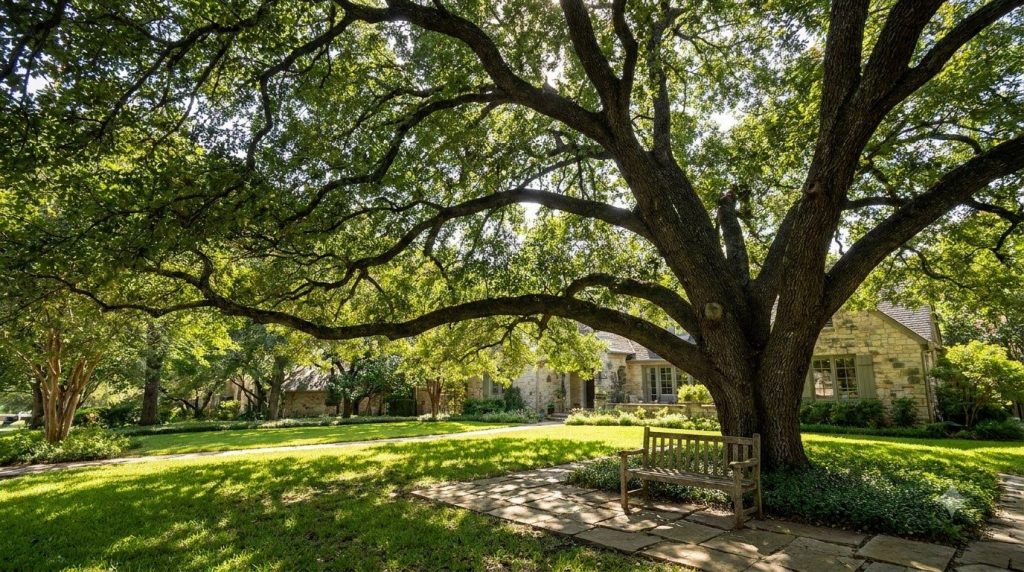
When choosing trees for your home garden, consider varieties known for their stately presence and long lifespan, while also being mindful of their mature size relative to your space. Oaks, maples, sycamores, and certain varieties of pines can all grow to impressive, yet manageable, heights in a home landscape. Opt for native species whenever possible, as they are best adapted to your local climate and provide essential support for local wildlife.
Remember to:
- Plan Ahead: Research the mature size of any tree you plant, both in height and spread, to ensure it has enough room to thrive without interfering with structures or power lines.
- Choose Wisely: Select species appropriate for your soil type, climate, and sun exposure.
- Provide Care: Proper planting, watering, and occasional pruning in the early years will help your tree establish a strong foundation for future growth.
By planting a tree, even a modest one, you are contributing to a greener future and bringing a piece of nature’s grandeur into your daily life. Let the world’s tallest trees inspire you to appreciate the silent strength and incredible beauty of these magnificent plants.