Tired of scrubbing at stubborn kitchen grime? Do your stainless steel stovetops and countertops look dull, no matter how much you clean? Many commercial cleaners contain harsh chemicals and strong fumes, but there’s a simpler, more natural way to bring back that sparkle. This DIY lemon cleaning solution harnesses the power of natural ingredients to cut through grease and lift away dullness, leaving your kitchen surfaces gleaming and smelling wonderfully fresh. It’s a gentle yet effective approach to achieving a clean kitchen without the fuss.
What You’ll Need
Ingredients:
- 2-3 fresh lemons
- 1 cup distilled water (or filtered water)
- Optional: 1/4 cup white vinegar (for extra degreasing and shine)
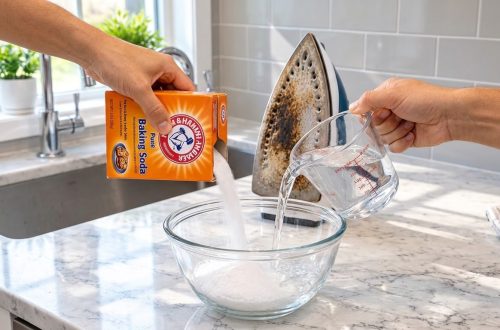
- Optional: 1 tablespoon baking soda (for abrasive scrubbing on tough spots)
Tools:
- 1 empty spray bottle
- 1 large bowl or measuring cup
- A fine-mesh sieve or strainer
- Blue microfiber cleaning cloths
Why This DIY Can Be Useful
This natural cleaning solution works wonders thanks to the properties of its main ingredients:
- Lemon: Lemon juice is naturally acidic, which helps to dissolve grease, hard water stains, and grime. It also leaves behind a pleasant, fresh citrus scent, naturally deodorizing your kitchen.
- White Vinegar: An excellent natural disinfectant and degreaser, vinegar helps to cut through tough oily residues and adds an extra boost of shine to surfaces without harsh chemicals.
- Baking Soda: When used as a paste or sprinkled directly, baking soda acts as a mild abrasive that can gently scrub away baked-on food and stubborn stains without scratching surfaces. It’s also a fantastic odor absorber.
How to Make It
- Juice the Lemons: Cut your fresh lemons in half and squeeze out all the juice into a large bowl or measuring cup. Aim for about 1/2 to 3/4 cup of lemon juice.
- Strain the Juice: Pour the lemon juice through a fine-mesh sieve or strainer into another clean bowl to remove any pulp or seeds. This prevents clogging your spray bottle.
- Combine Ingredients: Add 1 cup of distilled or filtered water to the strained lemon juice. If using, mix in 1/4 cup of white vinegar. Stir gently to combine.
- Transfer to Spray Bottle: Carefully pour the mixture into your empty spray bottle. Secure the spray nozzle tightly.
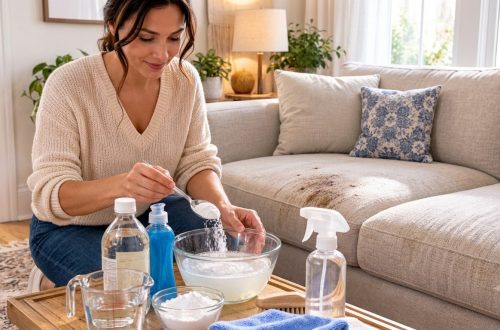
- Prepare Baking Soda (if using): If you plan to use baking soda for tougher spots, keep it separate. You can either sprinkle it directly onto the grime or mix a small amount with a little of your liquid cleaner to form a paste just before application.
How to Use It
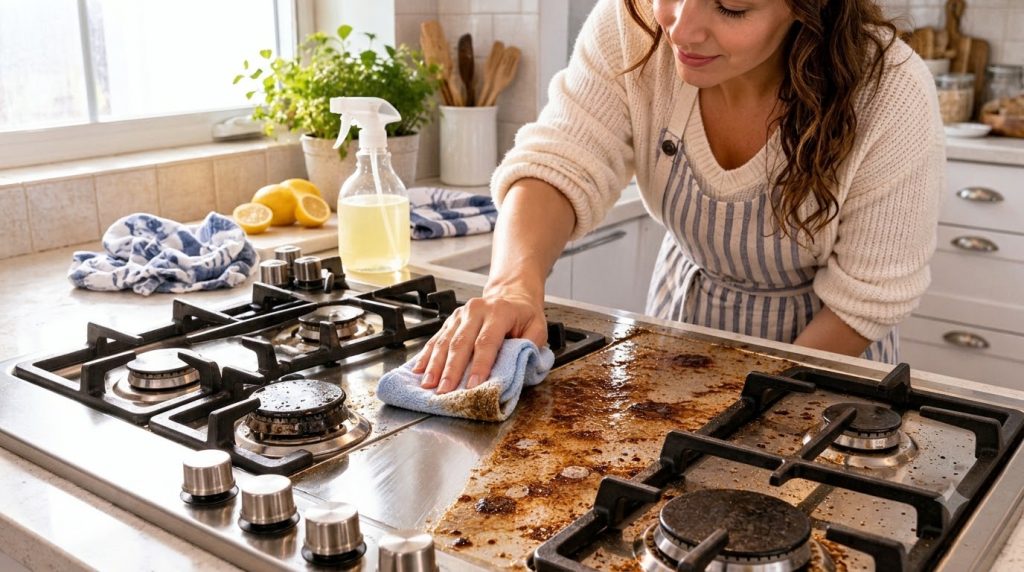
This solution is perfect for stainless steel stovetops, countertops, and sinks.
- Clear the Area: Remove any food debris, pots, or pans from the surface you intend to clean.
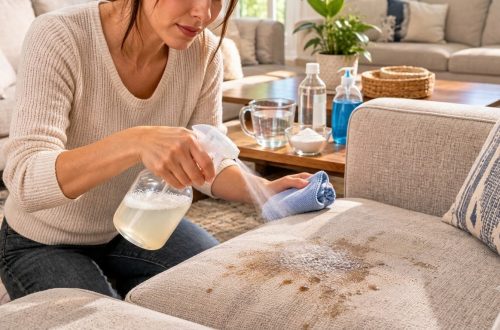
- Spray Generously: Spray the lemon cleaning solution directly onto the grimy or dull area. Ensure the surface is well-saturated.
- Let it Sit: For everyday dirt, let the solution sit for 5-10 minutes. For tougher, baked-on grime, allow it to sit for 15-20 minutes to give the lemon acid time to work.
- Add Baking Soda (for tough spots): If you encounter stubborn grime or burnt-on food, sprinkle a little baking soda directly onto the dampened spot.
- Scrub: Using a clean, damp microfiber cloth, scrub the treated area in circular motions. For stainless steel, try to scrub with the grain to prevent streaks. The baking soda, if used, will provide a gentle abrasive action.
- Wipe Clean: Use a separate clean, damp microfiber cloth to wipe away all the loosened grime and residue.
- Rinse (Optional but Recommended): For food prep surfaces, a quick wipe with a clean, wet cloth, followed by drying, can ensure no residue remains.
- Buff to Shine: Finish by buffing the cleaned surface with a dry microfiber cloth to achieve a streak-free, sparkling shine.
What to Expect
You can expect your kitchen surfaces to be noticeably cleaner, with grime and grease significantly reduced or removed. Stainless steel will regain its luster and shine, and your kitchen will have a fresh, clean lemon scent rather than chemical odors. While it effectively tackles most daily grime, extremely heavy, long-standing stains may require a second application or more vigorous scrubbing.
Helpful Tips
- Warm Water: Using warm distilled water when mixing the solution can help integrate the ingredients better.
- Daily Wipe-Downs: For best results, use this solution for quick daily wipe-downs to prevent grime from building up in the first place.
- Use the Rinds: Don’t throw away your lemon rinds! You can use them directly to scrub cutting boards or even garbage disposals for a quick refresh.
- Store Properly: Keep your homemade cleaner in a cool, dark place to maintain its potency.
Important Notes / Safety
- Patch Test: Always perform a patch test on an inconspicuous area of any new surface before applying the cleaner broadly, especially on delicate or unfamiliar materials.
- Avoid Natural Stone: While generally safe, the acidity of lemon juice and vinegar can etch natural stone surfaces like marble or granite over time. Avoid using this cleaner on such materials.
- Rinse Well: Ensure you wipe away all residue, especially on surfaces where food is prepared.
- Shelf Life: Since this cleaner contains fresh ingredients, it’s best to use it within 1-2 weeks. After that, its effectiveness might decrease, and it could begin to spoil.