Most people focus on the sweet, juicy mulberry fruit, often missing the true powerhouse hiding in plain sight: the leaves. While the berries are delicious, herbalists frequently turn to mulberry leaves for their impressive array of compounds, especially when it comes to supporting heart health. This isn’t just an old wives’ tale; modern research is beginning to catch up to what traditional remedies have known for centuries. But one small preparation mistake can undermine the entire benefit. Ready to uncover the full potential of mulberries for your well-being?
We’ll cut through the confusion and show you exactly how to prepare and use this natural wonder for real, practical benefits.
What Are Mulberries?
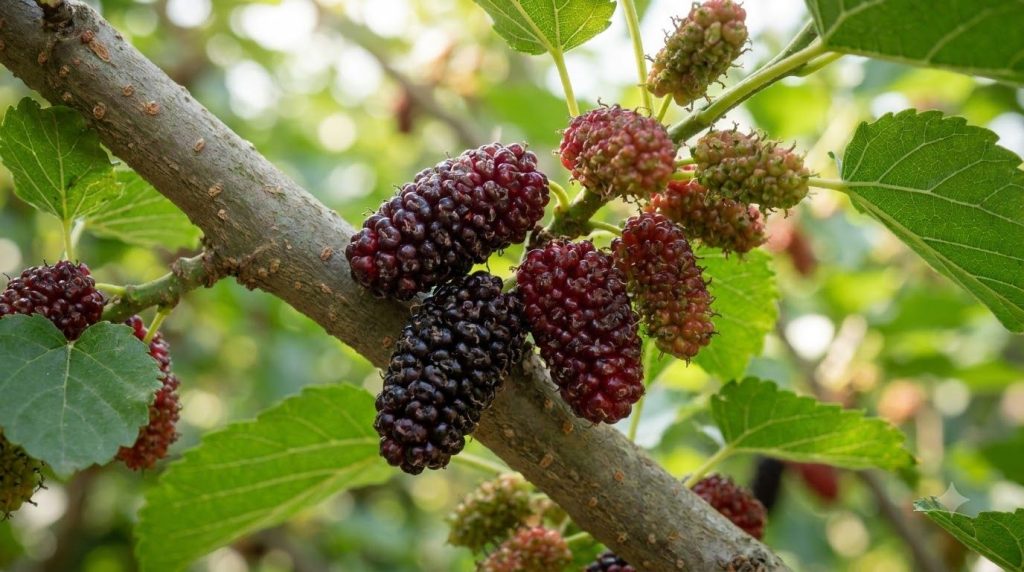
Mulberries are the fruit of deciduous trees belonging to the Morus genus. These trees are native to various temperate regions and are known for their fast growth and sweet, edible berries. While black, red, and white mulberries are the most common varieties, it’s not just the fruit that offers benefits. The leaves, bark, and roots have also been utilized in traditional medicine, particularly in Eastern cultures, for a range of health purposes. For heart health, both the berries and especially the leaves are of interest due to their unique nutritional profiles.

Mulberry Leaf Tea for Heart Health
The primary focus for heart health often shifts to mulberry leaves, which are rich in compounds like 1-Deoxynojirimycin (DNJ), flavonoids, and antioxidants. These components are studied for their potential to help manage blood sugar levels, reduce cholesterol, and support healthy blood pressure — all crucial factors for cardiovascular well-being. Brewing a simple tea from these leaves is one of the most effective and traditional ways to harness their benefits.
Ingredients
- 1-2 teaspoons dried mulberry leaves (or 3-4 fresh leaves, chopped)
- 8-10 ounces filtered water
- Optional: a slice of lemon or a drop of honey for taste
Approximate Measurements
For a standard mug, 1-2 teaspoons of dried leaves is a good starting point. Adjust to your preference for strength. If using fresh leaves, they are less concentrated, so double the quantity.
Formula / Recipe: Simple Mulberry Leaf Tea
This recipe focuses on extracting the beneficial compounds efficiently without over-steeping.
Step-by-Step Method
- Prepare Your Leaves: If using fresh leaves, wash them thoroughly and chop them roughly. If using dried, simply measure them out.
- Heat Water: Bring your filtered water to a near-boil (around 200°F or 93°C). Avoid a rolling boil, which can degrade some sensitive compounds.
- Combine: Place the mulberry leaves in a tea infuser, French press, or directly into your mug. Pour the hot water over the leaves.
- Steep: Cover your mug to retain heat and steep for 5-10 minutes. For a stronger brew, steep longer, but be mindful that prolonged steeping can sometimes lead to a slightly bitter taste.
- Strain and Serve: Remove the leaves and enjoy your mulberry leaf tea. Add lemon or honey if desired.
How to Use
Mulberry leaf tea is typically consumed as a beverage. It has a mild, earthy taste that many find pleasant on its own. It can be enjoyed hot or chilled.
How Often to Use
For general wellness and heart support, many individuals drink 1-2 cups of mulberry leaf tea daily. Consistency is key for observing potential benefits. It’s often recommended to drink it with or after meals to aid in blood sugar management.
Quick Tip: Consider drinking one cup after your largest meal of the day to help mitigate post-meal blood sugar spikes.
How to Buy / How to Choose Ingredients
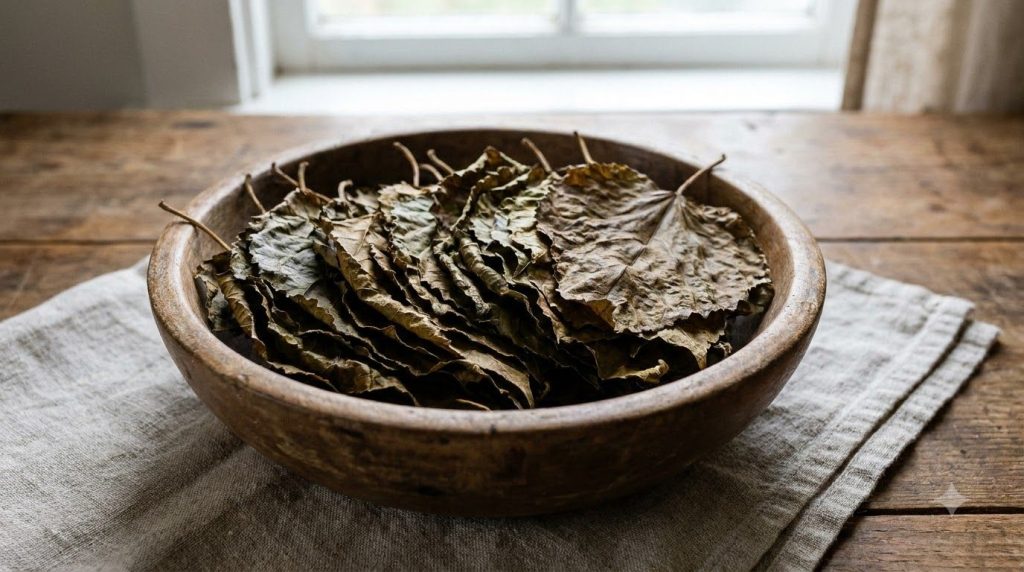
- Dried Mulberry Leaves: Look for organic, culinary-grade dried mulberry leaves from reputable herbal suppliers. Ensure they are free from stems and debris. The leaves should appear vibrant green, not dull or brown.
- Fresh Mulberry Leaves: If harvesting your own, ensure the trees are unsprayed and not near busy roads. Choose young, tender leaves for the best flavor and nutrient content. Avoid any leaves showing signs of disease or pest damage.
Storage
- Dried Leaves: Store dried mulberry leaves in an airtight container in a cool, dark place, away from direct sunlight and moisture. They can retain potency for up to 1 year.
- Fresh Leaves: Fresh leaves are best used immediately. If you need to store them briefly, wrap them in a damp paper towel and place them in a sealed bag in the refrigerator for 1-2 days.
- Brewed Tea: Brewed tea can be stored in the refrigerator for up to 24 hours.
Practical Tips
- Consistency: Regular consumption is more beneficial than sporadic use.
- Combine with Healthy Habits: Mulberry tea is a supplement, not a replacement for a heart-healthy diet and regular exercise.
- Sweetener Alternatives: If you need to sweeten your tea, consider natural options like stevia or a small amount of raw honey.
Common Mistakes
- Using Sprayed Leaves: Never use leaves from trees treated with pesticides or herbicides.
- Over-Boiling Water: Boiling water at a rolling boil can diminish some delicate compounds in the leaves.
- Storing Improperly: Moisture and light are the enemies of dried herbs, leading to degradation.
- Expecting Instant Results: Natural remedies work gradually; consistency is crucial.
- Ignoring Professional Advice: Always consult your doctor, especially if you have existing heart conditions or are on medication.
Did You Know? The 1-Deoxynojirimycin (DNJ) compound found in mulberry leaves is a natural alpha-glucosidase inhibitor, meaning it can help slow the absorption of sugars into the bloodstream after a meal, thus potentially supporting healthy blood sugar levels – a key factor in heart health.
Cautions / Who Should Avoid It
While generally safe for most, mulberry leaves and berries may interact with certain medications, particularly those for diabetes, as they can lower blood sugar. Pregnant or breastfeeding women, and individuals undergoing surgery, should avoid mulberry products or consult a healthcare professional first. Always start with a small amount to check for any sensitivities.
Mulberry Leaves vs. Berries for Heart Health
| Feature | Mulberry Leaves | Mulberry Berries |
|---|---|---|
| Key Compounds for Heart Health | DNJ, flavonoids (quercetin, kaempferol), gallic acid | Anthocyanins, resveratrol, vitamin C, fiber |
| Primary Benefit Focus | Blood sugar management, cholesterol reduction, blood pressure support | Antioxidant protection, anti-inflammatory, general cardiovascular support |
| Typical Preparation | Tea, powdered supplements | Fresh, dried, jams, juices, smoothies |
| Taste Profile | Mild, earthy, slightly grassy | Sweet, tart, juicy |
| Best Time to Use | With or after meals | Anytime, as a healthy snack or addition to meals |
Quick Summary
- Best Preparation: Mulberry Leaf Tea for focused heart benefits.
- Best Use-Case: Supporting healthy blood sugar, cholesterol, and blood pressure.
- Storage: Dried leaves in airtight, cool, dark place for up to 1 year; fresh leaves 1-2 days refrigerated.
- When to Use: 1-2 cups daily, ideally with or after meals.
- What to Avoid: Sprayed leaves, over-boiling, ignoring medical advice.
FAQ
Q1: Can I use fresh mulberry leaves instead of dried for tea?
A1: Yes, you can! Use about double the amount of fresh leaves compared to dried (e.g., 3-4 fresh leaves for one cup).
Q2: How long does mulberry leaf tea last once brewed?
A2: Brewed tea is best consumed fresh, but can be stored in the refrigerator for up to 24 hours.
Q3: Are there any side effects of drinking mulberry leaf tea?
A3: Most people tolerate it well, but some might experience mild digestive upset. As it can lower blood sugar, individuals on diabetes medication should monitor their levels closely.
Q4: Can children drink mulberry leaf tea?
A4: It’s generally not recommended for young children. Always consult a pediatrician before introducing new herbal remedies.
Q5: What part of the mulberry plant is best for heart health?
A5: While berries offer antioxidants, the leaves are particularly valued for compounds like DNJ and flavonoids that support blood sugar and cholesterol management, directly impacting heart health.
Q6: Can I sweeten my mulberry leaf tea?
A6: Yes, if desired. Opt for natural sweeteners like a small amount of honey, stevia, or a squeeze of lemon to enhance the flavor without adding refined sugars.
Q7: Does mulberry leaf tea help with weight loss?
A7: By helping to manage blood sugar levels, mulberry leaf tea can indirectly support weight management efforts when combined with a healthy diet and exercise, but it’s not a direct weight-loss remedy.
You may also like: Read more about managing blood sugar naturally.
Conclusion
Mulberries, particularly their leaves, offer a compelling natural avenue for supporting cardiovascular health. By understanding the proper preparation and usage of mulberry leaf tea, you can easily incorporate this ancient remedy into your daily routine. Remember, natural remedies thrive on consistency and integration into an overall healthy lifestyle. Always listen to your body and consult with a healthcare professional, especially if you have underlying health conditions. Your heart will thank you for this thoughtful, grounded approach to wellness.
See the full guide: Discover more natural remedies for healthy circulation.

