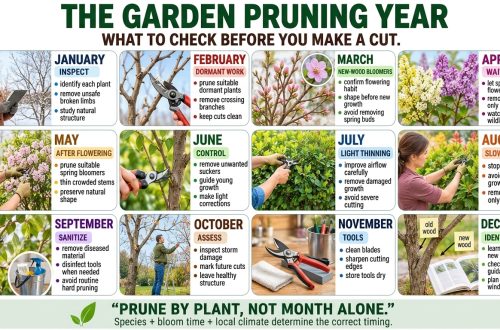
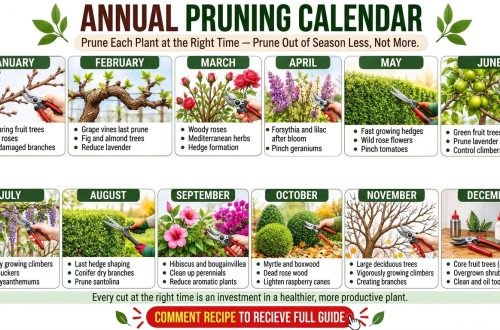
Unlock Your Garden’s Full Potential This May!
As May unfolds its vibrant tapestry, our gardens come alive with new growth and the promise of lush blossoms. But what if we told you there’s a simple secret to ensuring an even more spectacular display of flowers and healthier plants throughout the season? The answer lies in two essential gardening techniques: pinching and pruning. Often overlooked, these practices, when applied correctly in May, can transform your garden from good to absolutely glorious!
Whether you’re aiming for a profusion of colorful flowers, bigger harvests of your favorite vegetables, or simply a tidier, more robust garden, understanding when and how to pinch and prune in May is key. Let’s dive into the specifics that will help your garden thrive!
Why Pinch and Prune in May?
May is a crucial month for gardeners. Plants are actively growing, which means they are highly responsive to shaping and redirection. Here’s why these techniques are so beneficial:
- More Blooms & Better Yields: Pinching off young growth or spent flowers encourages the plant to produce more side branches, leading to a higher number of flowers or fruits.
- Stronger Plant Structure: Removing weak or crowded branches improves air circulation and allows the plant to put energy into developing stronger, healthier stems.
- Improved Plant Shape: Pruning helps maintain a desired shape and size, preventing plants from becoming leggy or overgrown.
- Extended Flowering Season: Deadheading (removing spent flowers) signals to the plant to produce more blooms rather than expending energy on seed production.
Key Plants That Love May Pinching and Pruning
Let’s explore some specific plants that particularly benefit from your attention this month:
Flowering Shrubs
Many spring-flowering shrubs benefit from post-bloom pruning to set them up for a spectacular show next year.
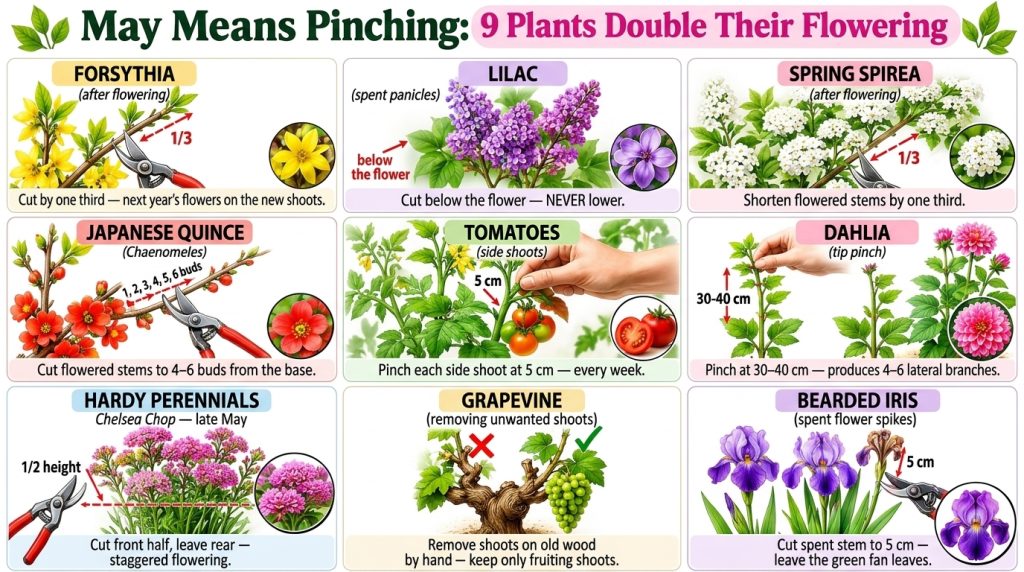
- Forsythia: Once their brilliant yellow blooms fade, it’s the perfect time to prune Forsythia. Cut back up to one-third of the oldest stems to the ground to encourage new, vigorous growth that will flower next spring.
- Lilac: Prune Lilacs immediately after they finish blooming in May. Remove spent flower clusters and any dead, damaged, or crossing branches. You can also thin out older, less productive stems to rejuvenate the plant.
- Spring Spirea (e.g., ‘Bridal Wreath’): Like Forsythia, these often bloom on old wood. Prune them right after flowering to shape the shrub and encourage new branches for next year’s display.
- Japanese Quince: After their early spring blossoms, prune to remove suckers, crossing branches, or to control the size and shape of the plant.
Perennials for Continuous Blooms
Pinching and deadheading can extend the flowering season of many perennials.
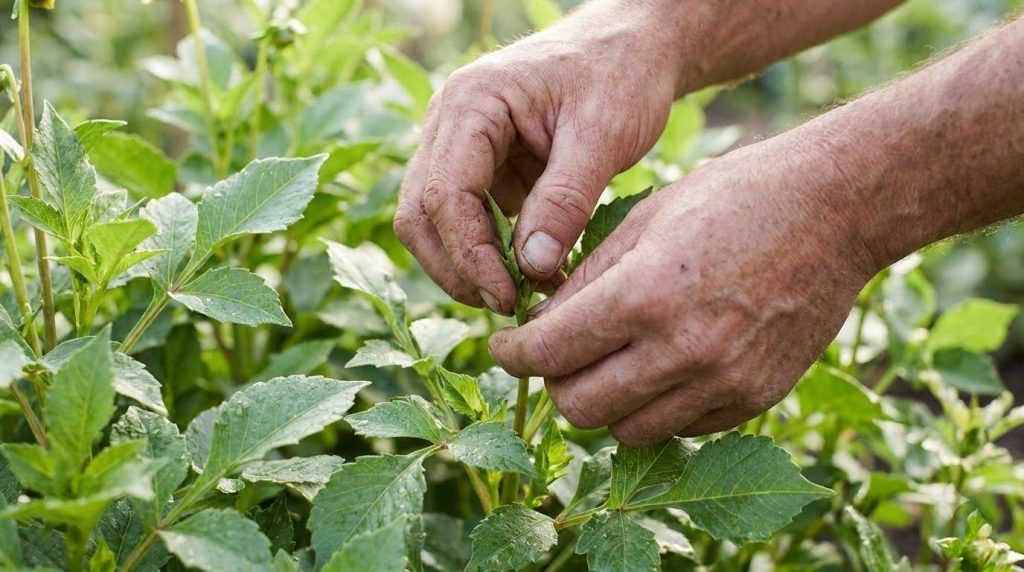
- Dahlia: For bushier plants and more blooms, pinch off the central growing stem when the Dahlia plant has developed 3-4 sets of leaves. This encourages side shoots. Continue to deadhead spent blooms throughout the season.
- Hardy Perennials (General): Many hardy perennials, such as Sedum, Asters, and some varieties of Chrysanthemums, benefit from a ‘Chelsea Chop’ in late May or early June. This involves cutting back stems by about one-third to encourage bushier growth and a later, longer bloom time.
- Bearded Iris: Once the individual Iris blooms fade, snip off the spent flower stalk at its base to prevent seed formation and redirect the plant’s energy into rhizome development and future blooms.
Boosting Your Edible Garden
Even your vegetable patch and fruit vines can benefit from a May trim!
- Tomatoes: ‘Suckers’ (new shoots that emerge in the crotch between the main stem and a leaf branch) should be pinched off when they are small. This directs the plant’s energy into producing fruit on the main vine rather than excess foliage.
- Grapevine: May is a good time for initial pruning and training of young grapevines, removing unproductive shoots and shaping the vine for future fruit production.
General Tips for Successful Pinching and Pruning
To ensure your efforts yield the best results, keep these tips in mind:
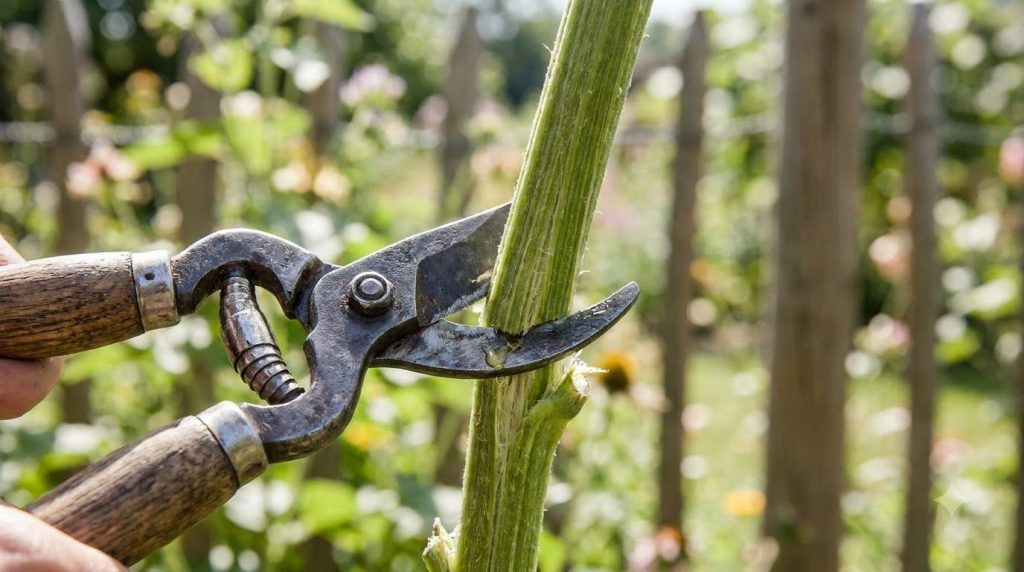
- Use Clean, Sharp Tools: Whether it’s your fingernails for pinching soft growth or pruning shears for woody stems, ensure your tools are clean and sharp to make clean cuts and prevent disease.
- Know Your Plant: Always understand if your plant blooms on ‘old wood’ or ‘new wood’ before pruning heavily. Pruning at the wrong time can remove future flower buds.
- Don’t Overdo It: While beneficial, excessive pruning can stress a plant. Aim for selective removal rather than drastic cuts, especially in May.
- Observe Your Garden: Pay attention to how your plants respond to pinching and pruning. Each garden is unique, and observation is your best teacher.
Embrace the Art of Garden Shaping!
Pinching and pruning in May are more than just chores; they are an art that allows you to shape your garden, encourage breathtaking blooms, and enjoy healthier, more vibrant plants. By investing a little time and care this month, you’ll be rewarded with a garden that truly shines and continues to inspire throughout the entire growing season. Happy gardening!