The 9 Silent Contributors to High Blood Pressure
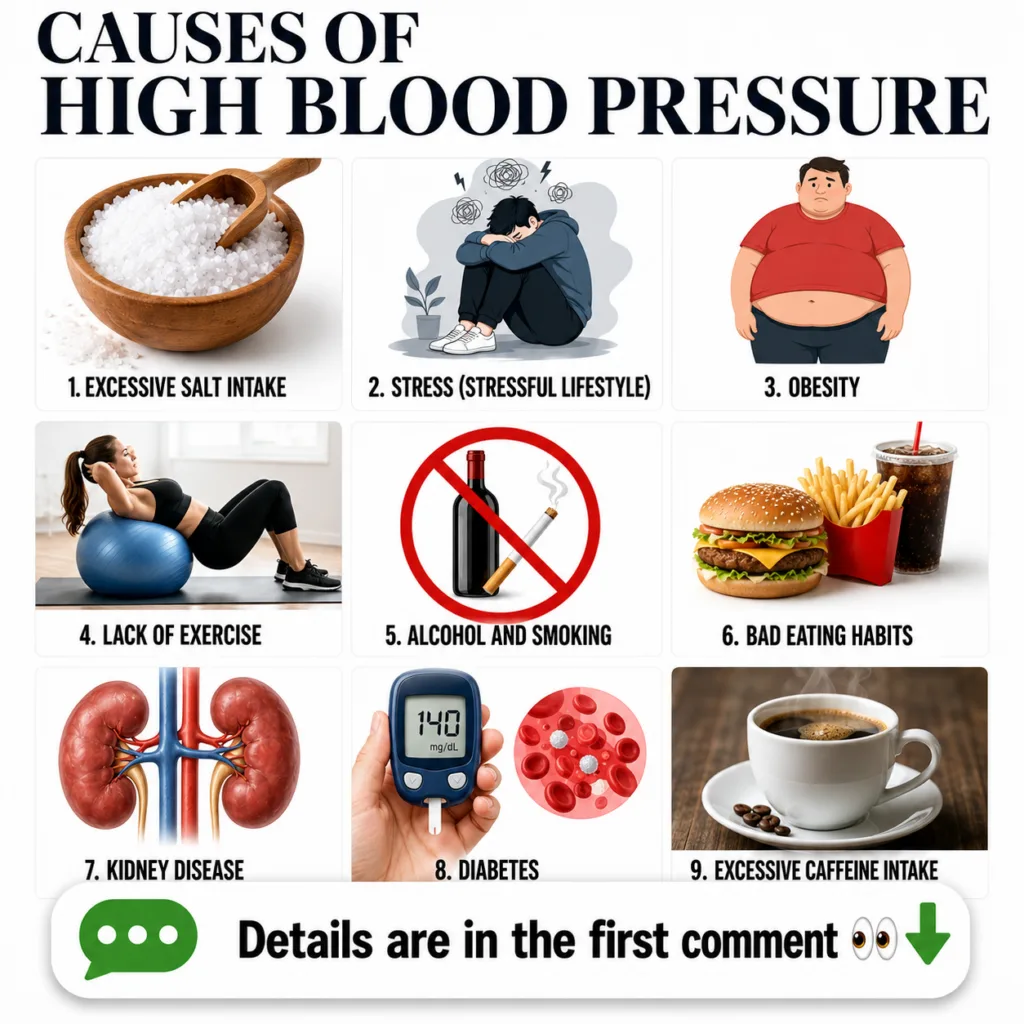
1. Excessive Salt Intake
Sodium, a primary component of salt, plays a crucial role in regulating fluid balance in the body. However, consuming too much salt can cause your body to retain water, which in turn increases the volume of blood in your arteries. This added volume puts extra pressure on your blood vessel walls, leading to elevated blood pressure.
- How it contributes: High sodium levels can directly impact blood vessel stiffness and kidney function, making it harder for your body to excrete excess fluid.
- Practical tip: Read food labels carefully. Many processed foods, canned goods, and restaurant meals are surprisingly high in sodium. Opt for fresh ingredients and season your food with herbs and spices instead of salt.
2. Chronic Stress
While stress itself may not be a direct, long-term cause of chronic hypertension, it can significantly contribute to temporary spikes in blood pressure. When you’re stressed, your body releases hormones like adrenaline and cortisol, which cause your heart to beat faster and your blood vessels to narrow. Over time, chronic stress can lead to unhealthy coping mechanisms, such as overeating, smoking, or excessive alcohol consumption, all of which are known risk factors for high blood pressure.
- How it contributes: Frequent stress responses can wear down blood vessels and promote inflammation.
- Practical tip: Incorporate stress-reduction techniques into your daily routine, such as meditation, deep breathing exercises, yoga, spending time in nature, or engaging in hobbies you enjoy.
3. Obesity and Excess Weight
Being overweight or obese significantly increases your risk of developing high blood pressure. The more you weigh, the more blood your body needs to supply oxygen and nutrients to your tissues. As the volume of blood circulating through your blood vessels increases, so does the pressure on your artery walls. Additionally, excess fat tissue, particularly around the waist, can lead to hormonal changes and inflammation that negatively impact blood pressure regulation.
- How it contributes: Increased blood volume, higher heart rate, reduced elasticity of blood vessels, and hormonal imbalances are all linked to obesity.
- Practical tip: Even a modest weight loss can make a significant difference. Aim for a balanced diet rich in fruits, vegetables, and lean proteins, combined with regular physical activity.
4. Lack of Physical Activity
A sedentary lifestyle is a major risk factor for many chronic diseases, including high blood pressure. Regular physical activity helps keep your heart and blood vessels strong and efficient. When you exercise, your heart becomes more efficient at pumping blood, reducing the effort needed to push blood through your arteries. This, in turn, can lower both your systolic and diastolic blood pressure readings.
- How it contributes: Inactivity can lead to weight gain, higher heart rate, and less flexible arteries.
- Practical tip: Aim for at least 150 minutes of moderate-intensity aerobic activity or 75 minutes of vigorous-intensity activity per week. This could include brisk walking, cycling, swimming, or dancing.
5. Smoking and Alcohol Consumption
Smoking and excessive alcohol intake are two of the most detrimental lifestyle choices for cardiovascular health. Nicotine in tobacco products temporarily raises blood pressure and damages the lining of artery walls, making them harder and narrower. Alcohol, when consumed in excess, can raise blood pressure, interfere with blood pressure medications, and contribute to weight gain.
- How it contributes: Smoking directly damages blood vessels and reduces their elasticity. Heavy alcohol intake impacts liver function, hormonal balance, and can lead to increased stress on the cardiovascular system.
- Practical tip: Quitting smoking is one of the best things you can do for your health. If you consume alcohol, do so in moderation (up to one drink per day for women and up to two drinks per day for men).
6. Unhealthy Diet (Processed Foods & Sugary Drinks)
A diet rich in processed foods, unhealthy fats, added sugars, and low in whole, nutrient-dense foods is a significant contributor to high blood pressure. These foods often contain high levels of sodium, saturated fats, and trans fats, which promote inflammation, arterial stiffness, and weight gain. Sugary drinks contribute to obesity and insulin resistance, both linked to hypertension.
- How it contributes: Leads to inflammation, increased cholesterol levels, weight gain, and impaired blood vessel function.
- Practical tip: Embrace a whole-foods diet focusing on fruits, vegetables, whole grains, lean proteins, and healthy fats. Limit fast food, fried items, and sugary beverages.

7. Kidney Disease
The kidneys play a vital role in regulating blood pressure by filtering waste and excess fluids from the blood. They also produce hormones that help manage blood pressure. If your kidneys are not functioning properly, they may fail to remove enough sodium and fluid from your body, leading to fluid retention and increased blood pressure. Kidney disease can also affect the production of blood-pressure-regulating hormones.
- How it contributes: Impaired kidney function leads to fluid and sodium retention, and an imbalance in blood pressure regulating hormones.
- Practical tip: Regular check-ups can help detect kidney issues early. Managing conditions like diabetes and high blood pressure itself can protect kidney health.
8. Diabetes
Diabetes and high blood pressure often go hand-in-hand. High blood sugar levels, a hallmark of diabetes, can damage the walls of your arteries, making them less elastic and leading to a condition called atherosclerosis (hardening of the arteries). This damage and stiffness force the heart to pump harder, resulting in elevated blood pressure. Additionally, diabetes can affect kidney function, further exacerbating hypertension.
- How it contributes: High blood sugar damages blood vessels, promoting inflammation and arterial stiffness.
- Practical tip: If you have diabetes, diligently manage your blood sugar levels through diet, exercise, and medication as prescribed by your doctor. This will also help protect your heart and kidneys.
9. Caffeine Consumption
Caffeine can cause a temporary, but noticeable, increase in blood pressure shortly after consumption. This effect is thought to be due to caffeine’s ability to block a hormone that helps keep your arteries widened, or by causing your adrenal glands to release more adrenaline. While for most healthy individuals, this temporary rise is not a cause for concern, those with existing high blood pressure or sensitivity to caffeine should monitor their intake.
- How it contributes: Temporarily constricts blood vessels and stimulates the release of stress hormones.
- Practical tip: If you’re concerned about caffeine’s effect on your blood pressure, observe how you feel after consuming caffeinated beverages. Consider switching to decaffeinated options or herbal teas, especially if you have diagnosed hypertension.