High blood pressure, or hypertension, is a silent threat that affects millions worldwide. Often without obvious symptoms, it can quietly damage your arteries and vital organs, leading to serious health complications like heart disease, stroke, and kidney failure. Understanding the causes of high blood pressure is the first crucial step toward prevention and management. While some factors are beyond our control, many are directly linked to our daily choices and lifestyle.
At Glowra Health, we believe in empowering you with knowledge. Let’s delve into the nine common causes of high blood pressure, as highlighted in our comprehensive guide, to help you make informed decisions for a healthier heart and a longer life.
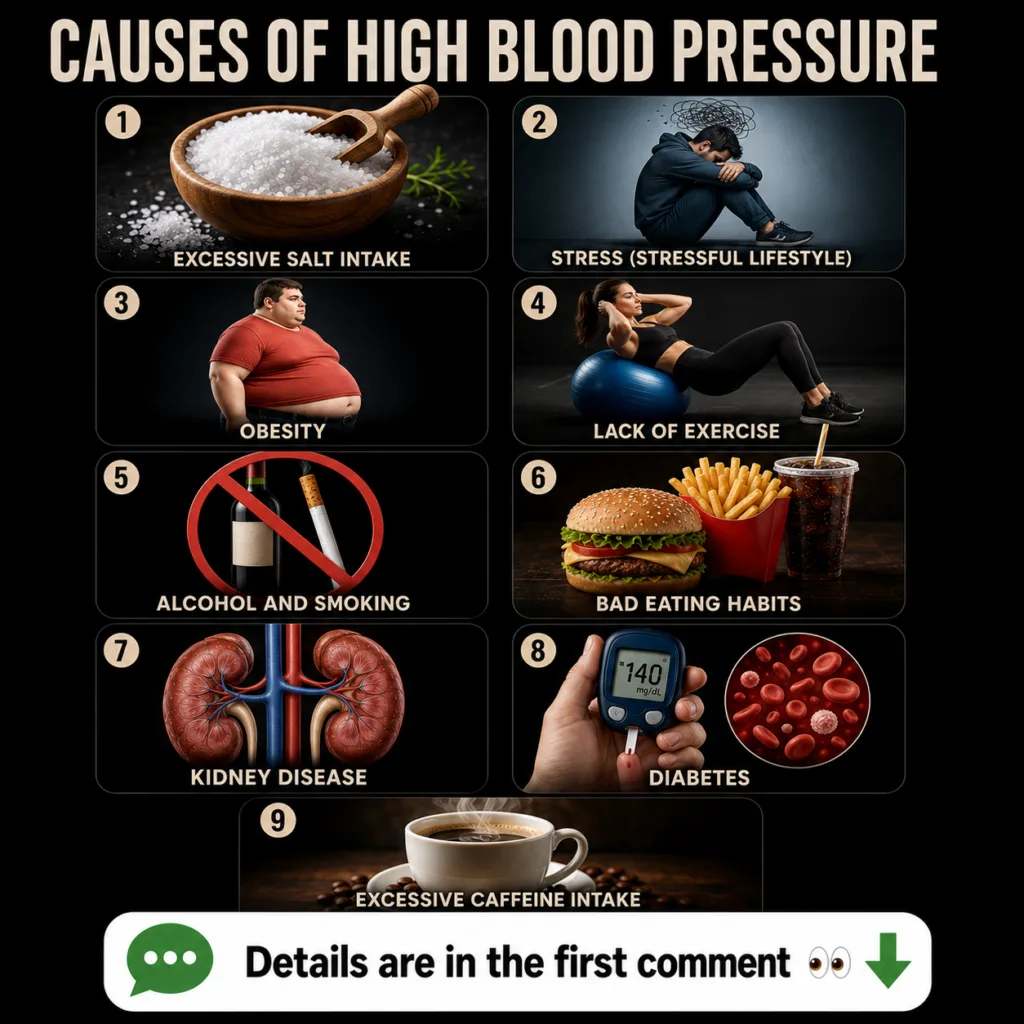
1. Excessive Salt Intake
Sodium, a primary component of salt, plays a critical role in regulating fluid balance in the body. However, consuming too much salt can cause your body to retain water, which increases the volume of blood in your arteries. This extra blood volume puts added pressure on your blood vessel walls, leading to an elevation in blood pressure. Most of the sodium we consume comes from processed and packaged foods, not just the salt shaker.
- How it contributes: Leads to fluid retention and increased blood volume.
- Actionable Tip: Reduce intake of processed foods, read food labels for sodium content, and cook more meals at home.
2. Stress (Stressful Lifestyle)
While occasional stress isn’t a direct cause of chronic high blood pressure, a lifestyle characterized by chronic stress can contribute to it. When you’re stressed, your body releases hormones like adrenaline and cortisol, which temporarily constrict blood vessels and make your heart beat faster, raising blood pressure. Over time, these repeated surges can damage blood vessels and contribute to long-term hypertension.
- How it contributes: Triggers temporary blood pressure spikes; chronic stress may lead to vessel damage.
- Actionable Tip: Incorporate stress-management techniques such as meditation, yoga, deep breathing exercises, and adequate sleep.
3. Obesity
Being overweight or obese significantly increases your risk of developing high blood pressure. Carrying excess weight requires your heart to work harder to pump blood throughout your body, putting additional strain on your arteries. Obesity is also linked to insulin resistance and inflammation, both of which can impact blood vessel function and contribute to hypertension.
- How it contributes: Increases blood volume, heart workload, and contributes to inflammation.
- Actionable Tip: Aim for a healthy weight through a balanced diet and regular physical activity. Consult a healthcare professional for personalized weight management strategies.
4. Lack of Exercise
Physical inactivity is a major risk factor for many chronic diseases, including high blood pressure. Regular exercise strengthens your heart, allowing it to pump more blood with less effort. When your heart works less, the force on your arteries decreases, which can lower your blood pressure. Exercise also helps maintain a healthy weight and reduces stress, both of which are beneficial for blood pressure control.
- How it contributes: Weakens the heart, contributes to weight gain, and reduces arterial elasticity.
- Actionable Tip: Engage in at least 150 minutes of moderate-intensity aerobic activity or 75 minutes of vigorous-intensity activity per week.
5. Alcohol and Smoking
Both excessive alcohol consumption and smoking are detrimental to cardiovascular health and major contributors to high blood pressure. Alcohol can raise blood pressure, especially in heavy drinkers, and may also interfere with blood pressure medications. Smoking damages the walls of blood vessels, making them stiff and narrow, and causes a temporary but significant increase in blood pressure with each cigarette.
- How it contributes: Alcohol can raise blood pressure; smoking damages blood vessels and increases heart rate.
- Actionable Tip: Limit alcohol intake to moderate levels (up to one drink per day for women, two for men) and cease smoking entirely.
6. Bad Eating Habits
A diet rich in processed foods, unhealthy fats, high sugar, and low in fruits, vegetables, and whole grains contributes significantly to high blood pressure. These ‘bad eating habits’ often go hand-in-hand with excessive sodium intake and can lead to weight gain, inflammation, and insulin resistance, all of which negatively impact blood pressure regulation.
- How it contributes: Leads to weight gain, inflammation, and often high sodium intake.
- Actionable Tip: Adopt a balanced diet rich in whole foods, lean proteins, fruits, vegetables, and whole grains, such as the DASH (Dietary Approaches to Stop Hypertension) diet.
7. Kidney Disease
The kidneys play a vital role in regulating blood pressure by controlling fluid and salt balance in the body, and by producing hormones that influence blood vessel constriction. When the kidneys are damaged or diseased, they may fail to adequately filter waste and excess fluids, leading to fluid retention and increased blood pressure. High blood pressure can also, in turn, damage the kidneys, creating a dangerous cycle.
- How it contributes: Impairs fluid and salt balance, and hormonal regulation of blood pressure.
- Actionable Tip: Manage underlying conditions like diabetes and high blood pressure, and consult a doctor if you have symptoms of kidney issues.
8. Diabetes
Individuals with diabetes are at a significantly higher risk of developing high blood pressure. High blood sugar levels can damage blood vessels over time, making them less elastic and more prone to narrowing. Diabetes also often coexists with other risk factors like obesity, kidney disease, and inflammation, all of which contribute to hypertension.
- How it contributes: Damages blood vessels, increases inflammation, and often coexists with other risk factors.
- Actionable Tip: Effectively manage blood sugar levels through diet, exercise, and medication as prescribed by your doctor.
9. Excessive Caffeine Intake
Caffeine can cause a temporary, but noticeable, spike in blood pressure shortly after consumption, especially in individuals who are not regular caffeine drinkers. While research on its long-term effects on chronic hypertension is mixed, some studies suggest that regular high intake might be a factor for certain sensitive individuals. If you already have high blood pressure, it’s wise to monitor your reaction to caffeine.
- How it contributes: Causes temporary increases in blood pressure, especially in sensitive individuals.
- Actionable Tip: Monitor your blood pressure after consuming caffeine to understand its effect on you. Moderate your intake if you notice significant spikes.
Final Thoughts
Understanding the common causes of high blood pressure empowers you to take proactive steps towards better health. While some risk factors like genetics are beyond our control, many can be managed or mitigated through lifestyle modifications. By addressing factors like excessive salt intake, stress, obesity, lack of exercise, and unhealthy habits, you can significantly reduce your risk of hypertension and its complications. Prioritizing a healthy lifestyle is key to maintaining optimal blood pressure and safeguarding your long-term well-being.
Medical Disclaimer
The information provided in this article is for general knowledge and informational purposes only, and does not constitute medical advice. It is essential to consult with a qualified healthcare professional for any health concerns or before making any decisions related to your health or treatment. Glowra Health does not endorse self-medication or making health decisions based solely on this information. Always seek the advice of your physician or other qualified health provider with any questions you may have regarding a medical condition.