Most people focus on superfood powders, often overlooking the fresh, potent leaves that are the true source of vitality. While moringa powder is widely available, transforming fresh moringa leaves into a versatile paste or incorporating them directly into your cooking can unlock a whole new level of flavor and nutrition in your daily meals. Forget the idea that this ‘miracle tree’ is only for smoothies; we’re diving into practical ways to make moringa a delicious staple.
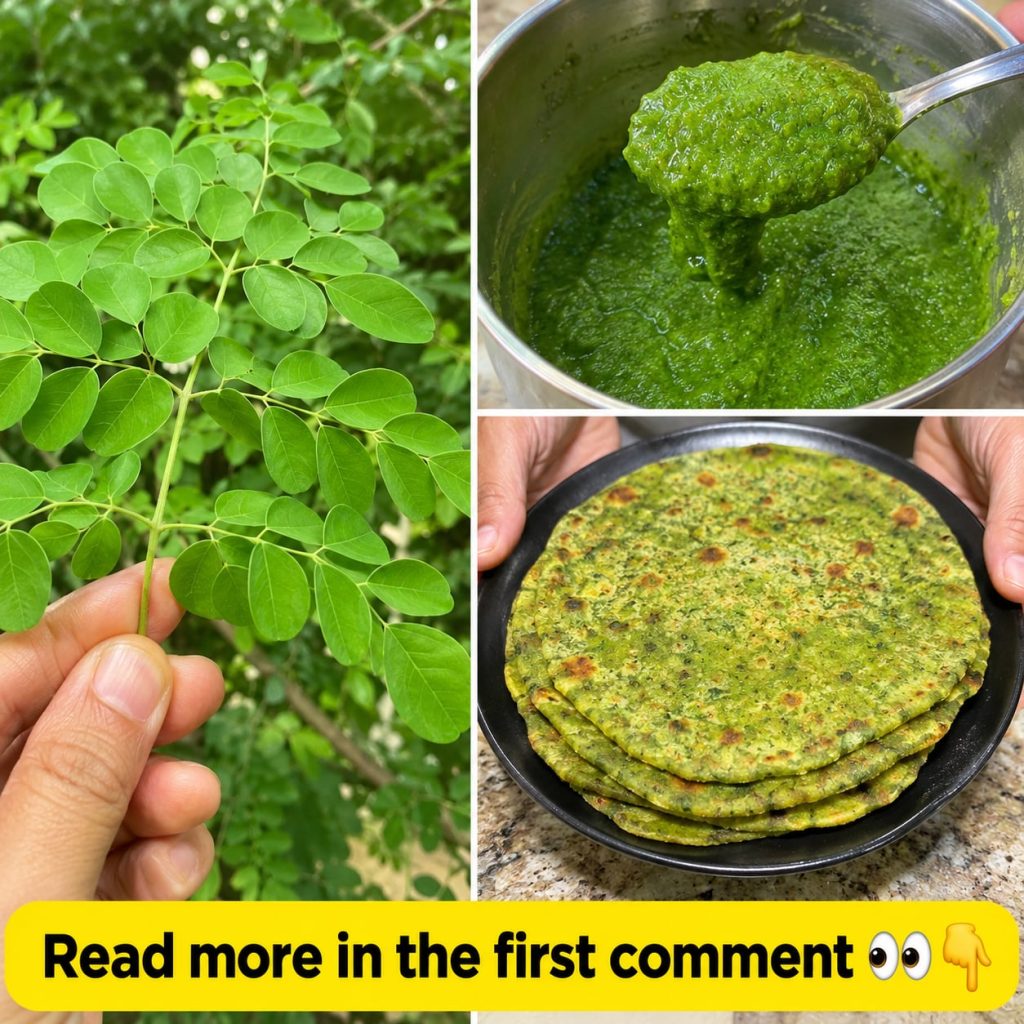 From fresh leaves to a delicious meal: moringa’s culinary journey.
What It Is: Moringa, The “Miracle Tree”
Moringa oleifera, commonly known as the ‘drumstick tree’ or ‘miracle tree,’ is a fast-growing, drought-resistant tree native to India. Almost every part of the moringa tree is useful, but its leaves are particularly renowned for their dense nutritional profile. These small, oval-shaped leaves are packed with vitamins, minerals, amino acids, and antioxidants, making them a powerful natural dietary supplement. Unlike many other superfoods, moringa is incredibly versatile in the kitchen, offering a slightly peppery, earthy flavor that can enhance both savory and even some sweet dishes.
Ingredients for a Versatile Moringa Paste
Making a basic moringa paste is simpler than you might think and serves as an excellent base for numerous recipes, including the flatbreads seen in the image. You can also use fresh leaves directly in many dishes without making a paste first.
- Fresh Moringa Leaves: Approximately 2 cups, destemmed and washed.
- Water or Neutral Oil: 1-2 tablespoons (water for a lighter paste, oil for richer texture and better preservation).
- Pinch of Salt (Optional): To enhance flavor, especially if using in savory dishes.
Approximate Measurements
For fresh leaves, a general rule is that 2 cups of packed leaves will yield about 1/4 to 1/3 cup of paste, depending on how finely you blend it and how much liquid you add. If you are using moringa powder instead of fresh leaves, use 1-2 tablespoons of powder mixed with 3-4 tablespoons of water to create a slurry.
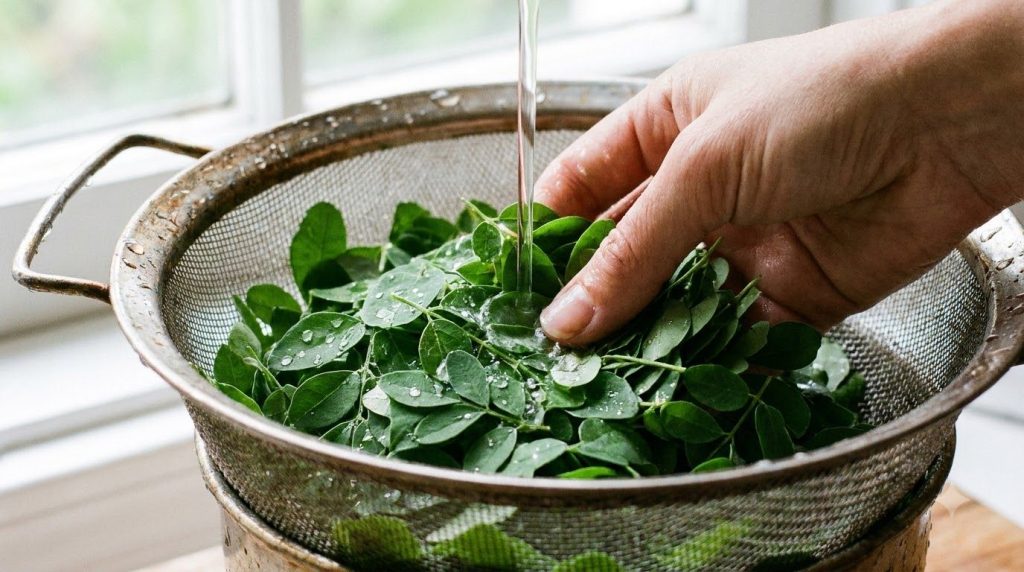 Always start with thoroughly washed fresh moringa leaves.
Formula / Recipe: Basic Moringa Leaf Paste
This paste is your gateway to incorporating fresh moringa into countless recipes. It’s potent, vibrant, and retains most of the beneficial compounds.
Step-by-Step Method
- Prepare the Leaves: Carefully remove the moringa leaves from their stems. Discard any yellowed or damaged leaves. Wash the fresh leaves thoroughly under cold running water to remove any dirt or impurities. Pat them dry gently with a clean cloth or paper towel.
- Blend: Place the washed and dried moringa leaves into a small blender or food processor. Add 1 tablespoon of water or neutral oil.
- Process to a Paste: Blend on high speed, scraping down the sides as needed, until a smooth, vibrant green paste forms. If the paste is too thick, add the remaining tablespoon of water or oil, a little at a time, until you reach your desired consistency. Avoid adding too much liquid, as this can dilute the flavor and reduce shelf life.
- Season (Optional): If you plan to use the paste primarily in savory dishes, you can add a small pinch of salt during blending.
Quick Tip: Blanching for Brighter Green
To retain an even brighter green color and a slightly milder flavor, you can quickly blanch the fresh moringa leaves for 30 seconds in boiling water, then immediately plunge them into an ice bath before blending. This helps set the chlorophyll.
How to Use Your Moringa Paste and Fresh Leaves
The beauty of moringa lies in its adaptability. Here are several practical ways to integrate it:
- In Doughs: Knead 1-2 tablespoons of moringa paste into your bread, roti, or flatbread dough (like the ones pictured!) for a nutritious boost and vibrant color.
- Smoothies & Juices: Add a tablespoon of paste (or a handful of fresh leaves) to your morning smoothie for an energy-packed drink.
- Soups & Stews: Stir in a spoonful of paste during the last few minutes of cooking soups, stews, or curries.
- Sauces & Dips: Mix into hummus, guacamole, pesto, or salad dressings.
- Eggs: Fold fresh, finely chopped moringa leaves into scrambled eggs or omelets.
- Stir-fries: Add a handful of fresh moringa leaves to your stir-fry during the last 2-3 minutes of cooking.
How Often to Use
Moringa can be consumed daily. Start with a small amount, such as 1/2 to 1 teaspoon of paste or a small handful of fresh leaves, and gradually increase as your body adjusts. Most people find 1-2 tablespoons of paste (or its equivalent in fresh leaves or powder) per day to be a good amount for general wellness.
How to Buy / How to Choose Ingredients
Choosing quality moringa is key to maximizing its benefits.
Fresh vs. Dried Moringa
Feature Fresh Moringa Leaves Dried Moringa Powder Flavor Slightly peppery, earthy, herbaceous More intense, earthy, sometimes slightly bitter Nutrient Profile Higher in Vitamin C, some enzymes; fresher form Concentrated nutrients, lower Vitamin C due to processing Availability Seasonal, often found in tropical climates or specialty markets Widely available year-round online and in health stores Usage Best for cooking, blending into pastes, salads Best for smoothies, capsules, baking (added at end) Storage Refrigerate up to 1 week; can be frozen Store in airtight container in cool, dark place for 6-12 months When buying fresh leaves, look for vibrant green, crisp leaves with no signs of wilting or yellowing. If buying powder, choose organic, reputable brands that use low-heat drying methods to preserve nutrients. Avoid powders with a brownish or dull green color.
Storage
- Fresh Leaves: Store unwashed fresh moringa leaves in a perforated plastic bag in the crisper drawer of your refrigerator for up to 1 week.
- Moringa Paste: Store the paste in an airtight container in the refrigerator for up to 5-7 days. For longer storage, freeze small portions in an ice cube tray; once frozen, transfer to a freezer-safe bag and store for up to 3 months.
- Moringa Powder: Keep in an airtight, opaque container in a cool, dark place away from direct sunlight and moisture. It can last for 6-12 months, but its potency may diminish over time.
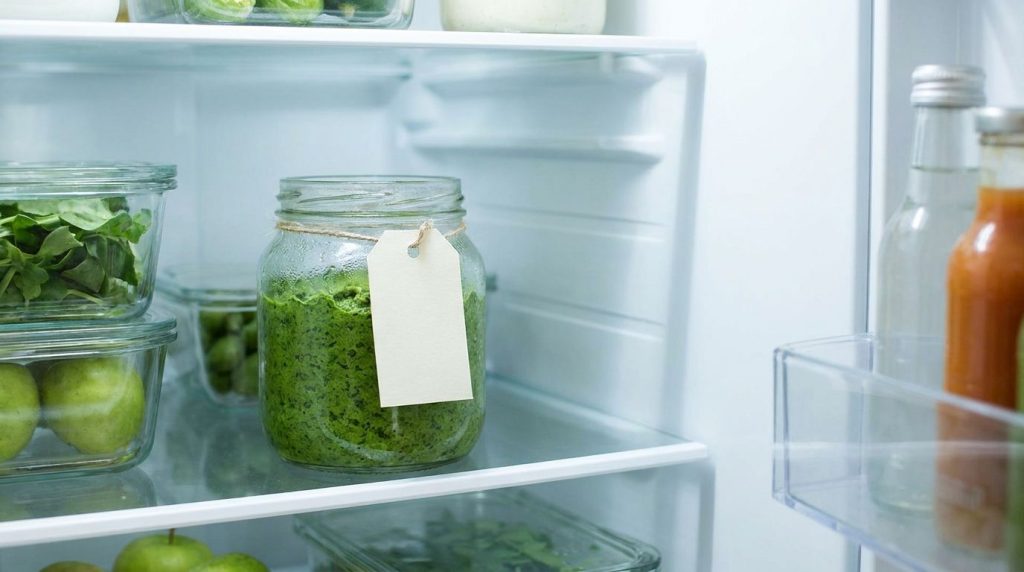 Proper storage ensures your moringa paste stays fresh and potent.
Practical Tips
- Taste Test: Moringa has a distinct flavor. If you’re new to it, start with smaller amounts and combine it with stronger flavors in your dishes to ease into the taste.
- Heat Sensitivity: While moringa can withstand some cooking, prolonged high heat can reduce its vitamin C content. For maximum benefits, add it towards the end of cooking or use it in raw preparations like smoothies and dips.
- Versatility is Key: Don’t limit yourself to one recipe. Experiment by adding it to lentils, rice, or even homemade energy bars.
Common Mistakes
Avoiding these pitfalls will ensure you get the most out of your moringa.
- Using Unwashed or Damaged Leaves: Always thoroughly wash fresh leaves. Discard any yellowed, bruised, or pest-damaged leaves, as they can impart a bitter taste or harbor contaminants.
- Overheating: Cooking moringa for too long or at very high temperatures can degrade heat-sensitive nutrients like Vitamin C. Integrate it near the end of the cooking process for best results.
- Storing Improperly: Leaving fresh leaves exposed to air or moisture will cause them to spoil quickly. Similarly, moringa paste needs to be in an airtight container to prevent oxidation and bacterial growth.
- Using Too Much Too Soon: While beneficial, a sudden large intake of moringa can sometimes cause digestive upset in sensitive individuals. Gradually increase your dosage.
- Ignoring Sourcing: Using moringa sprayed with pesticides or from contaminated soil can counteract its health benefits. Opt for organic or wild-harvested sources you trust.
Cautions / Who Should Avoid It
While generally safe for most people, some individuals should exercise caution:
- Pregnancy and Breastfeeding: There is limited research on moringa’s effects during pregnancy and breastfeeding. It’s best to consult a healthcare professional before use.
- Medication Interactions: Moringa may interact with certain medications, including blood thinners, blood pressure medication, and diabetes medication. If you are on prescription drugs, speak with your doctor before incorporating moringa into your diet.
- Hypoglycemia: Moringa can lower blood sugar levels. Individuals with hypoglycemia or those on diabetes medication should monitor their blood sugar closely.
Quick Summary
Incorporating moringa into your diet is a simple yet effective way to boost your nutritional intake. Best prepared as a fresh leaf paste or used directly in cooking, it offers a versatile and healthy addition to countless dishes. Store fresh leaves and paste properly to maintain potency. Start with small amounts and increase gradually. Always choose fresh, quality ingredients and be mindful of potential interactions if you have underlying health conditions or take medication.
FAQ
Q1: Can I use dried moringa powder instead of fresh leaves for the paste?
A: Yes, you can. Mix 1-2 tablespoons of moringa powder with 3-4 tablespoons of water to create a slurry. However, fresh leaves will yield a more vibrant color and slightly different flavor profile.
Q2: How long does fresh moringa paste last?
A: Fresh moringa paste lasts about 5-7 days in an airtight container in the refrigerator. For longer storage, it can be frozen for up to 3 months.
Q3: What part of the moringa plant is best for culinary use?
A: The leaves are the most commonly used and nutritionally dense part for culinary purposes. The immature seed pods (drumsticks) are also eaten as a vegetable in many cuisines.
Q4: Will cooking moringa destroy its nutrients?
A: Prolonged high heat can reduce some heat-sensitive nutrients, like Vitamin C. However, many other vitamins, minerals, and antioxidants remain intact. For best results, add moringa towards the end of cooking or use it raw.
Q5: Can children consume moringa?
A: Small amounts of moringa are generally considered safe for children, but it’s always best to consult with a pediatrician before introducing any new supplement into a child’s diet.
Q6: Does moringa have a strong taste?
A: Fresh moringa has a slightly earthy, green, and subtly peppery taste. Some find the taste to be quite mild, while others find it more pronounced. Its flavor can be easily masked or complemented by other ingredients.
Q7: Can I grow my own moringa?
A: Yes, moringa is relatively easy to grow from seeds or cuttings in warm climates. It’s a fast-growing tree that thrives in full sun and well-drained soil.
Conclusion
Embracing moringa in your kitchen doesn’t have to be complicated. By understanding how to prepare and incorporate fresh leaves or a simple moringa paste, you can effortlessly elevate your daily meals with a nutrient-rich, versatile ingredient. Move beyond just powder and experience the full potential of this incredible plant in your cooking. Your palate and your body will thank you for the vibrant green boost!