Protecting Your Garden Naturally: A Guide to Eco-Friendly Pest Control
Gardening is a truly rewarding endeavor, but nothing can dampen the joy of seeing your plants thrive quite like an unexpected pest invasion. We all want a lush, healthy garden, but the thought of using harsh chemicals can be off-putting, especially if you’re growing edibles for your family. The good news is that there are many effective, eco-friendly ways to keep those unwanted visitors at bay!
At Garden – L. Quyên, we believe in nurturing nature, and that includes protecting your plants using methods that are safe for your family, pets, and the beneficial insects that make your garden a vibrant ecosystem. Let’s dive into some fantastic natural pest control solutions that will help your garden flourish without compromise.
The Power of Natural Barriers and Repellents
One of the easiest ways to prevent pests is to create physical barriers or use natural substances that pests simply don’t like. These methods are often inexpensive and utilize items you might already have around your home.
1. Natural Eggshell Barriers
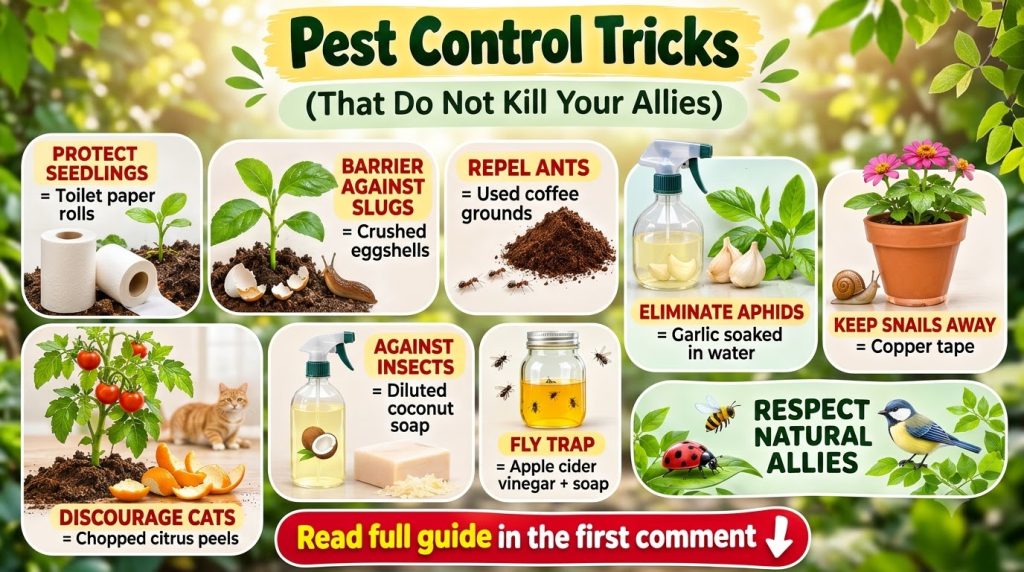
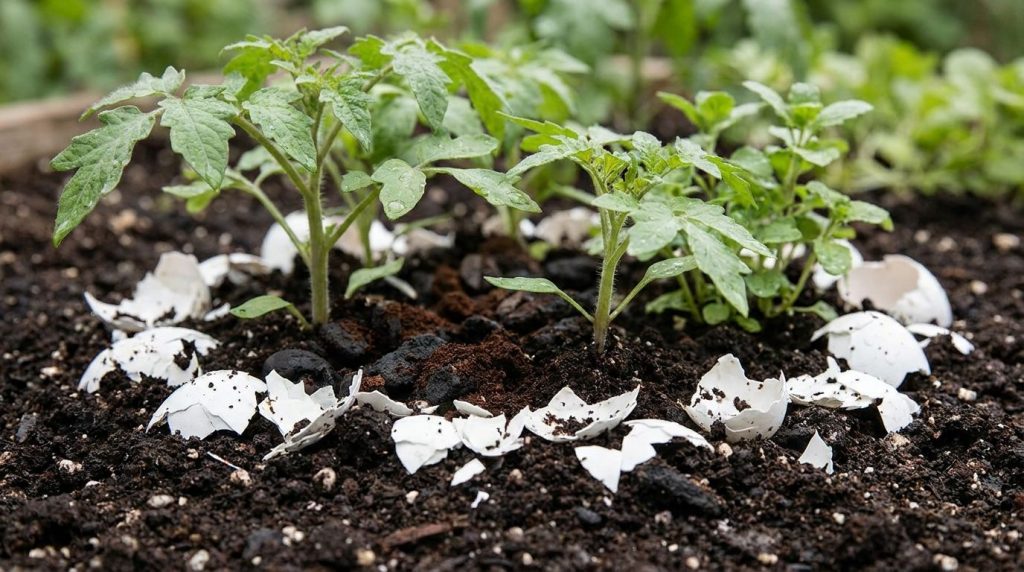
Don’t toss those eggshells! Crushed eggshells are a fantastic, natural defense against soft-bodied pests like slugs and snails. Their sharp edges make it difficult for these critters to cross, creating an effective barrier around your delicate seedlings and plants. Simply crush dry eggshells into small pieces and sprinkle them in a ring around the base of vulnerable plants.
2. Coffee Grounds for Slugs and Snails
Similar to eggshells, used coffee grounds can also deter slugs and snails, thanks to their abrasive texture and caffeine content. Spread a layer of coffee grounds around your plants, and watch as these garden nuisances decide to look for greener pastures elsewhere. As an added bonus, coffee grounds also enrich your soil!
3. Copper Tape for Creeping Pests
For a more durable barrier, consider copper tape. When slugs and snails try to cross copper, it creates a small electrical charge that deters them without causing harm. Apply copper tape around the rims of raised beds or containers to create an effective, long-lasting barrier.
4. Citrus Peels Against Ants and Aphids
Citrus peels aren’t just for composting! Ants and aphids dislike the d-limonene found in citrus. You can strategically place citrus peels (lemon, orange, grapefruit) around the base of plants or near ant trails to encourage them to relocate. You can also blend citrus peels with water to create a spray for aphid infestations.
Homemade Sprays and Traps for Targeted Control
Sometimes, pests are already present, and you need a more direct approach. These natural concoctions can help you tackle infestations gently and effectively.
5. Garlic Water Spray for Multiple Pests
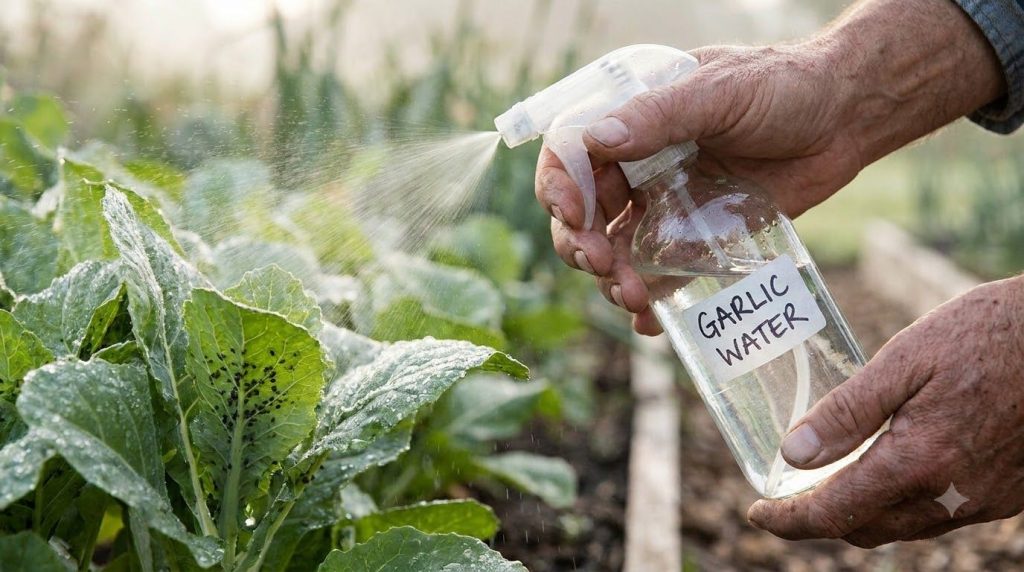
Garlic is a natural fungicide and insecticide, making garlic water an excellent all-purpose pest spray. Crush several cloves of garlic, soak them in water for a day, then strain and dilute the liquid. Spray this pungent solution on plants to deter aphids, spider mites, whiteflies, and even some caterpillars. The strong smell acts as a repellent.
6. Coconut Soap Spray for Soft-Bodied Insects
A simple soap spray is a classic organic gardening trick. Mix a few drops of mild, biodegradable coconut soap (or any plain liquid soap) with water. Spray directly onto affected plants, ensuring you cover the undersides of leaves where pests like aphids, mealybugs, and spider mites often hide. The soap breaks down their protective outer layer, suffocating them.
7. Apple Cider Vinegar Traps for Flies and Fruit Flies
For pesky flies and fruit flies, an apple cider vinegar trap can be incredibly effective. Pour some apple cider vinegar into a shallow dish, add a drop or two of dish soap (to break the surface tension), and place it near affected areas. The sweet scent attracts the flies, and the soap ensures they can’t escape.
Inviting Beneficial Helpers to Your Garden
The best pest control often involves inviting the right allies. Your garden can be a thriving ecosystem where natural predators help keep pest populations in check.
8. Attracting Beneficial Insects
Ladybugs, lacewings, and parasitic wasps are natural predators of many common garden pests like aphids and scale insects. You can encourage these helpful insects by planting native flowers, herbs, and plants that provide nectar and pollen. Consider dill, fennel, yarrow, and cosmos to create a welcoming habitat for these garden heroes.
9. Our Feline Friends as Natural Pest Control
While not for every garden, cats can be surprisingly effective at controlling certain garden pests. They are natural predators for rodents, voles, and even some larger insect pests. Just ensure your feline friend isn’t mistaking your garden beds for a litter box! Consider raised beds or protective netting if you have a curious cat.
Cultivating a Resilient, Pest-Resistant Garden
Beyond these specific remedies, the most powerful tool in your eco-friendly pest control arsenal is a healthy, diverse garden. Strong plants are less susceptible to pest damage. Good soil health, proper watering, adequate sunlight, and choosing pest-resistant plant varieties are all crucial components of a thriving garden that can naturally withstand challenges.
By incorporating these natural and organic pest control methods, you’re not just saving your plants; you’re also fostering a healthier environment for your family and the planet. Happy gardening, and may your home harvest be abundant and pest-free!