Your body sends signals in many ways, and understanding them can offer practical insights into your health. While often overlooked, the color of your nasal mucus is one such vital indicator. Far from being just a nuisance, what you see when you blow your nose can provide a surprising glimpse into your well-being, signaling everything from normal hydration to the early stages of an infection or even environmental irritants. Learning what different nasal mucus colors mean is one simple, yet powerful, step to staying informed about your well-being. This guide will help you decode these everyday messages from your body.
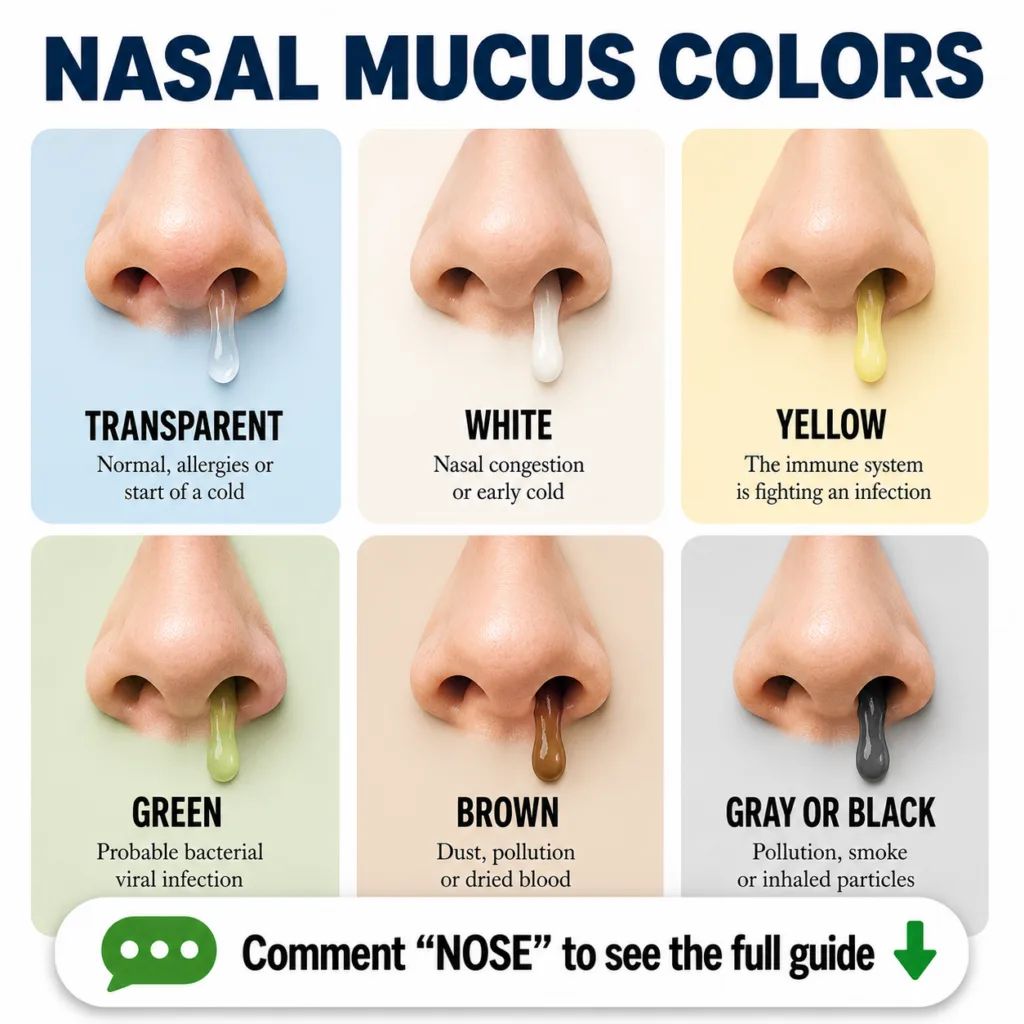
Understanding Your Body’s Signals: What Nasal Mucus Colors Mean
Transparent Mucus: The Clear Truth
Transparent nasal mucus is typically a sign of a healthy, functioning respiratory system. Your body constantly produces clear, thin mucus to keep your nasal passages moist, trap dust and allergens, and protect against pathogens. This is your body’s natural defense mechanism working perfectly. However, an increase in clear, runny mucus can also point to allergies, as your body tries to flush out irritants like pollen or dust, or it could be an early indicator of a common cold developing.
- Normal Function: Keeps nasal passages lubricated and clean.
- Allergies: Your immune system reacts to harmless substances by producing excess mucus.
- Early Cold: The initial phase of a viral infection can trigger increased clear mucus production.
White Mucus: A Sign of Congestion or Dehydration
When your nasal mucus turns white, it often suggests that it has thickened, potentially due to reduced water content or increased congestion in your nasal passages. This color commonly appears during the progression of a cold or when you’re experiencing allergies. Dehydration can also contribute to white, thick mucus, as your body struggles to keep the mucus thin and flowing. Staying well-hydrated is key to maintaining proper mucus consistency.
- Allergies: Inflammation can lead to thicker, whiter mucus.
- Dehydration: Lack of fluids can make mucus dry out and become opaque.
- Cold: As a cold progresses, mucus can thicken before potentially changing color.
Yellow Mucus: Your Immune System is Active
Seeing yellow mucus indicates that your immune system is actively fighting off an infection. The yellow hue comes from white blood cells (neutrophils) that rush to the site of infection to battle invading bacteria or viruses. These cells contain an enzyme that gives them a yellowish-green tint, which becomes visible in your mucus as they do their work and are then expelled. This is often a sign that a cold or flu is taking hold, but your body is putting up a strong defense.
- Immune Response: Presence of white blood cells fighting pathogens.
- Common Cold/Flu: A typical stage during a viral infection.
Green Mucus: When a Bacterial Infection is Suspected
When your mucus shifts from yellow to green, it typically signifies a more intense immune response, often associated with a bacterial infection. The green color is still due to the enzymes in white blood cells, but its more pronounced shade suggests a higher concentration of these cells and their byproducts. While not exclusively indicative of a bacterial infection (some viral infections can also lead to green mucus), it’s a strong signal that your body is dealing with a significant pathogen. If green mucus persists for more than 10-12 days, is accompanied by fever, facial pain, or pressure, it’s advisable to consult a healthcare professional as it might indicate sinusitis or another bacterial infection requiring treatment.
- Intense Immune Response: Higher concentration of infection-fighting cells.
- Bacterial Infection: Often a strong indicator, especially if symptoms persist.
- When to See a Doctor: Persistent green mucus with other symptoms warrants medical evaluation.
Brown Mucus: Traces from the Environment or Old Blood
Brown nasal mucus can be quite alarming, but it often has relatively benign explanations. It commonly suggests the presence of old, dried blood in the nasal passages, perhaps from a minor nosebleed or irritation. It can also be tinted by environmental factors like inhaled dirt, dust, or pollution, especially if you’ve been in a dusty environment, around smoke, or spent time in an area with poor air quality. For instance, smokers may frequently experience brownish mucus due to tar and nicotine particles.
- Old Blood: Minor trauma, dryness, or irritation.
- Environmental Factors: Inhaled dust, dirt, pollution, or smoke.
- Smoking: Accumulation of tar and nicotine.
Gray or Black Mucus: Urgent Signs to Watch For
Gray or black nasal mucus is less common and often warrants closer attention. Like brown mucus, it can be caused by exposure to heavy air pollution, dust, smoke, or certain chemicals, especially for individuals working in specific industrial environments. However, black mucus can also be a serious sign of a fungal infection, particularly in individuals with compromised immune systems. Fungal infections in the sinuses can be very serious and require immediate medical evaluation and treatment. If you experience persistent gray or black mucus, particularly if accompanied by other symptoms like facial pain, fever, or headache, it’s crucial to consult a doctor without delay.
- Heavy Environmental Exposure: Smoke, dust, pollution, chemical particles.
- Fungal Infection: A rare but serious concern, especially for immunocompromised individuals.
- Urgent Medical Attention: Always consult a doctor for persistent gray or black mucus.

When to Seek Medical Advice
Understanding your mucus colors is a helpful self-assessment tool, but it’s not a substitute for professional medical advice. If you experience any of the following, it’s wise to consult a healthcare provider:
- Mucus color changes persist for more than 10-12 days.
- You develop a high fever (over 102°F or 39°C).
- You experience severe facial pain or pressure.
- Your mucus is consistently green or black and doesn’t improve.
- You have difficulty breathing or shortness of breath.
- You have a weakened immune system and notice any unusual changes.
FAQs About Nasal Mucus
- Can mucus color change quickly? Yes, mucus color can change within hours or days, reflecting your body’s dynamic response to infections or environmental factors.
- Is thick mucus always bad? Not necessarily. Thick mucus can be a sign of dehydration or simply a normal part of congestion. However, persistent thick, colored mucus may indicate an infection.
- How can I keep my nasal passages healthy? Staying hydrated, using a humidifier, practicing good hand hygiene, and avoiding irritants can help maintain healthy nasal passages. Saline nasal sprays can also offer relief and help clear mucus.
Final Thoughts
Paying attention to the subtle signals your body sends, like the color of your nasal mucus, empowers you to be more proactive about your health. While this guide provides general insights, remember that these are just indicators. Always listen to your body and consult a healthcare professional if you have concerns or experience persistent symptoms. By understanding these body signals, you’re taking a vital step towards maintaining your well-being and seeking timely care when needed.
Medical Disclaimer
The information provided in this article is for educational purposes only and is not intended as medical advice. Always consult with a qualified healthcare professional for any health concerns or before making any decisions related to your health or treatment.