Tired of tossing out grass clippings after mowing? What if we told you those green remnants are actually ‘garden gold’ waiting to transform your plants and soil? Many gardeners overlook the incredible benefits of using grass clippings in their landscape, but with a few simple techniques, you can unlock a healthier, more vibrant garden.
At Garden – L. Quyên, we’re all about smart, sustainable gardening, and using grass clippings is one of our favorite eco-friendly hacks. They’re packed with nutrients, excellent for moisture retention, and can even help suppress weeds!
Why Grass Clippings Are Garden Gold
Grass clippings are more than just lawn waste; they are a fantastic, free resource for your garden. Here’s why:
- Nutrient Boost: As they break down, grass clippings release essential nutrients like nitrogen, phosphorus, and potassium back into the soil, acting as a slow-release fertilizer. Nitrogen is especially beneficial for leafy green growth.
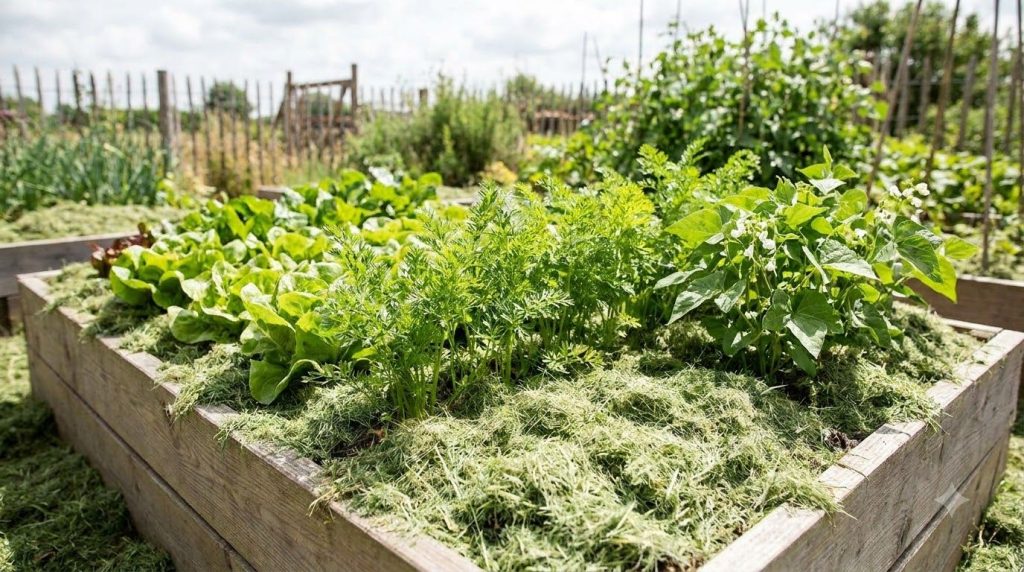
- Moisture Retention: A layer of clippings acts as a natural mulch, insulating the soil and significantly reducing water evaporation. This means less watering for you, especially during dry spells.
- Weed Suppression: Applied thickly, grass clippings can smother young weeds and prevent new weed seeds from germinating, saving you time and effort on weeding.
- Soil Improvement: Over time, the decomposing organic matter improves soil structure, aeration, and drainage, making your soil healthier and more fertile.
- Eco-Friendly: Reusing clippings reduces waste sent to landfills and minimizes the need for synthetic fertilizers, promoting a more sustainable gardening practice.
How to Use Grass Clippings Safely and Effectively
While grass clippings are wonderful, there are a few important considerations to ensure you use them correctly:
- Ensure No Herbicides: Only use clippings from a lawn that has not been treated with herbicides for at least a few weeks (or preferably, never). Herbicides can harm your garden plants.
- Avoid Diseased Grass: If your lawn has fungal diseases, do not use the clippings, as you could spread the disease to your garden.
- Apply in Thin Layers: When using as mulch, apply clippings in layers no thicker than 1-2 inches. Thicker layers can become matted, restrict air and water flow, and lead to anaerobic decomposition, which can produce an unpleasant odor and harm plants.
- Let Them Dry (Optional): Some gardeners prefer to dry their clippings in the sun for a day or two before applying them, which helps prevent matting and odor.
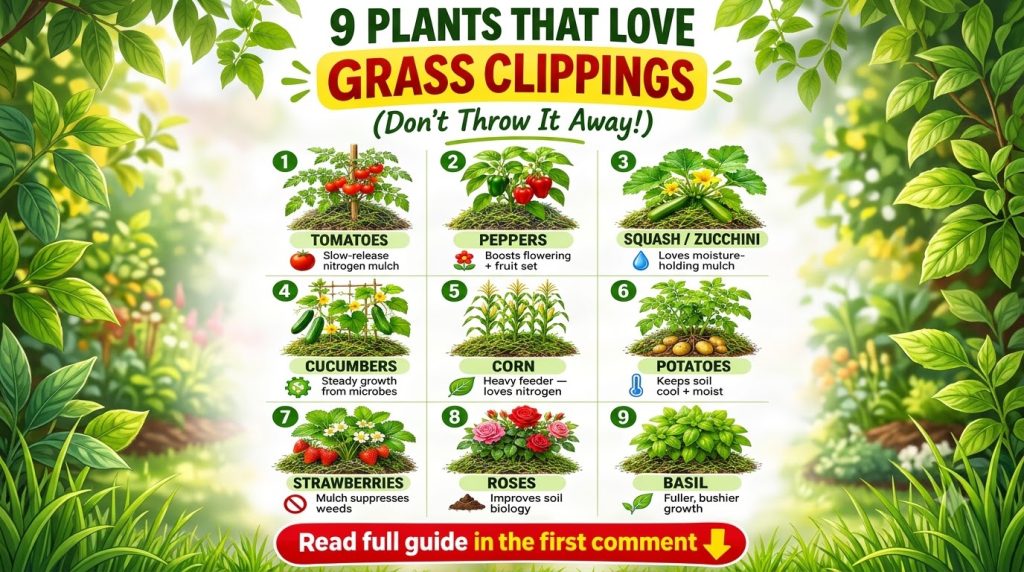
9 Plants That Love Grass Clippings
Many common garden plants thrive when mulched or enriched with grass clippings. Here are nine of our favorites:
1. Tomatoes
Tomatoes are heavy feeders and appreciate the slow-release nitrogen from grass clippings. The mulch also helps maintain consistent soil moisture, which is crucial for preventing blossom end rot, and keeps soil-borne diseases from splashing onto lower leaves.
2. Peppers
Similar to tomatoes, peppers benefit greatly from stable soil temperatures and consistent moisture provided by a grass clipping mulch. The added nitrogen supports healthy foliage and fruit development.
3. Strawberries
Strawberries love a rich, moist soil. Grass clippings help retain moisture around their shallow roots and keep the berries clean by preventing them from touching the soil. They also get a gentle nutrient boost for better fruit production.
4. Basil
This popular herb thrives in consistently moist, well-draining soil. A layer of clippings around basil plants helps retain essential moisture, especially during hot summer months, and provides a mild nitrogen feed for lush, green leaves.
5. Corn
Corn is a very heavy feeder, especially of nitrogen. Applying grass clippings around corn plants acts as a superb slow-release nitrogen fertilizer, promoting vigorous stalk growth and plump ears.
6. Squash and Zucchini
These prolific growers require ample moisture and nutrients. A thick layer of grass clippings around squash and zucchini plants helps keep the soil moist, suppresses weeds that compete for resources, and enriches the soil as it breaks down.
7. Cabbage and Broccoli
Leafy greens like cabbage and broccoli benefit immensely from the nitrogen provided by decomposing grass clippings. The mulch also helps keep their soil cool and moist, which is ideal for their growth and prevents bolting.
8. Potatoes
Potatoes need consistent moisture to develop well. Hilling potatoes with grass clippings can keep the tubers covered, preventing greening, while also slowly adding nutrients to the soil and retaining water.
9. Fruit Trees and Berry Bushes
Young fruit trees and berry bushes (like blueberries and raspberries) can greatly benefit from grass clipping mulch. It helps establish a healthy root system by conserving moisture, suppressing competing weeds, and gradually improving soil fertility around their base.
Beyond the 9: Other Ways to Use Grass Clippings
Don’t stop at just these nine plants! Grass clippings are versatile:
- Compost Pile Booster: Add green grass clippings to your compost pile as a ‘green’ material to balance ‘brown’ materials and speed up decomposition.
- Lawn Fertilizer: Leave finely cut clippings on your lawn after mowing. They quickly break down, returning nutrients directly to the turf, reducing the need for synthetic fertilizers.
Tips for Success
Remember, the key is to use herbicide-free, disease-free clippings in thin layers. By incorporating this simple practice into your gardening routine, you’ll be amazed at how much healthier and more productive your garden becomes.
Ready to turn your yard waste into garden treasure? Start experimenting with grass clippings today and watch your garden flourish!